Hartham Park: A Georgian Manor House and Estate
Site at a Glance
- Popularity
- Medium
- Country
- United Kingdom
- Primary era
- Early Modern
- Eras represented
- Early Modern, Modern
- Civilizations
- British
- Site type
- Domestic
- Remains
- Manor House
On this page12 sections
History
Early history and Georgian rebuilding
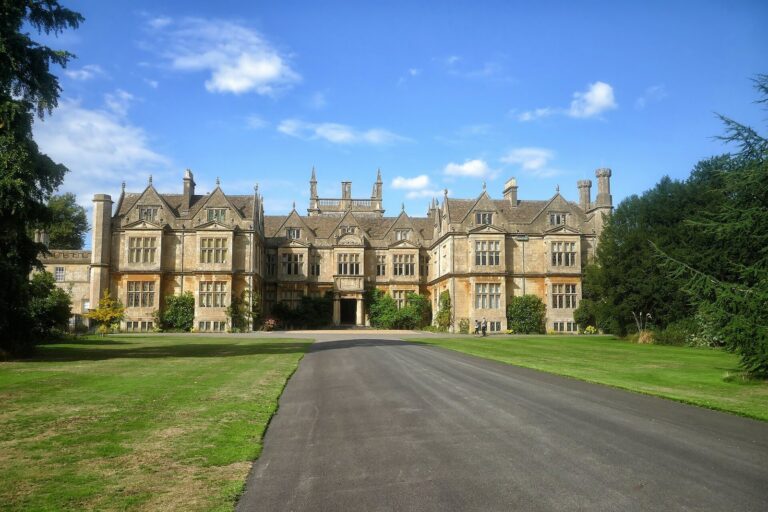
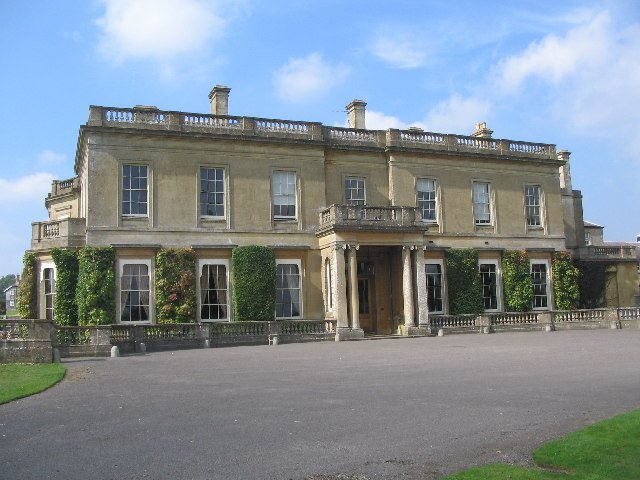
Hartham Park is a Georgian manor house and estate in the United Kingdom, commissioned by Lady Anne James and completed in 1795. The property is mentioned in the Domesday Book, the 1086 survey of land and property made for William I, and belonged to the Goddard family from the fifteenth century.
In 1790, after her husband, Commodore Sir William James, died, Lady Anne, née Goddard, commissioned architect James Wyatt to replace the existing farmhouse with a new manor house. She died before the completed house was handed over. The property was later leased, and Sir Alexander Malet, 2nd Baronet, a hereditary title below the rank of baron, was born there in 1800.
Ownership and enlargement of the estate
In 1816, Michael Joy bought the estate from the Goddard family trust. An American exile, he had supported the British during the American War of Independence, the conflict in which the thirteen American colonies won independence from Britain, and could no longer remain in North America. In the 1830s, his son Henry Hall Joy exchanged land with Sir Benjamin Hobhouse and acquired adjacent Hartham House, formerly owned by the Duckett family. Michael Joy died in 1840.
Thomas Henry Allen Poynder purchased the estate in the 1850s. After his death it passed to his brother, William Henry Poynder, and then to his nephew John Dickson Poynder. When John’s uncle, Sir Alexander Collingwood Thomas Dickson, died, John became the sixth baronet Dickson of Hardingham Hall.
Lord Islington and the twentieth century
From the start of his ownership, John Dickson Poynder, later Lord Islington, remodelled the estate. It became a centre for political and recreational life in North Wiltshire. His visitors included Winston Churchill and Prince Arthur, Duke of Connaught and Strathearn, Queen Victoria’s third son; Prince Arthur enjoyed local game shooting. In 1904, Islington commissioned a wooden court for stické tennis, a form of tennis played on purpose-built courts. The sport’s courts had originated at an artillery building at the Shoeburyness gunnery range in 1877 and were built around the British Empire, particularly at country houses. Their construction ceased after the First World War as the sport lost popularity.
Islington sold Hartham Park in 1922 after buying Rushbrooke Hall in Suffolk. The estate later passed to the family behind gin-maker J&W Nicholson & Co., who lived there during the Second World War. From the Battle of Britain onwards, the upper floors housed 100 members of the Women’s Auxiliary Air Force, the women’s service of the Royal Air Force. They belonged to No. 10 Group of RAF Fighter Command, responsible for Britain’s air defence, based at nearby RAF Rudloe Manor. The estate’s ice house also served as an air-raid shelter.
The house was sold again in the 1960s and adapted for corporate offices, initially serving as the headquarters of the Bath and Portland Stone company. It was listed at Grade II in 1960, while the stické tennis court has Grade II* status, a designation for particularly important buildings of more than special interest. Hartham Park was purchased in 1997 and redeveloped as a business park in the late 1990s. It was sold again in 2024, retaining its business-park use.
Remains
Estate layout
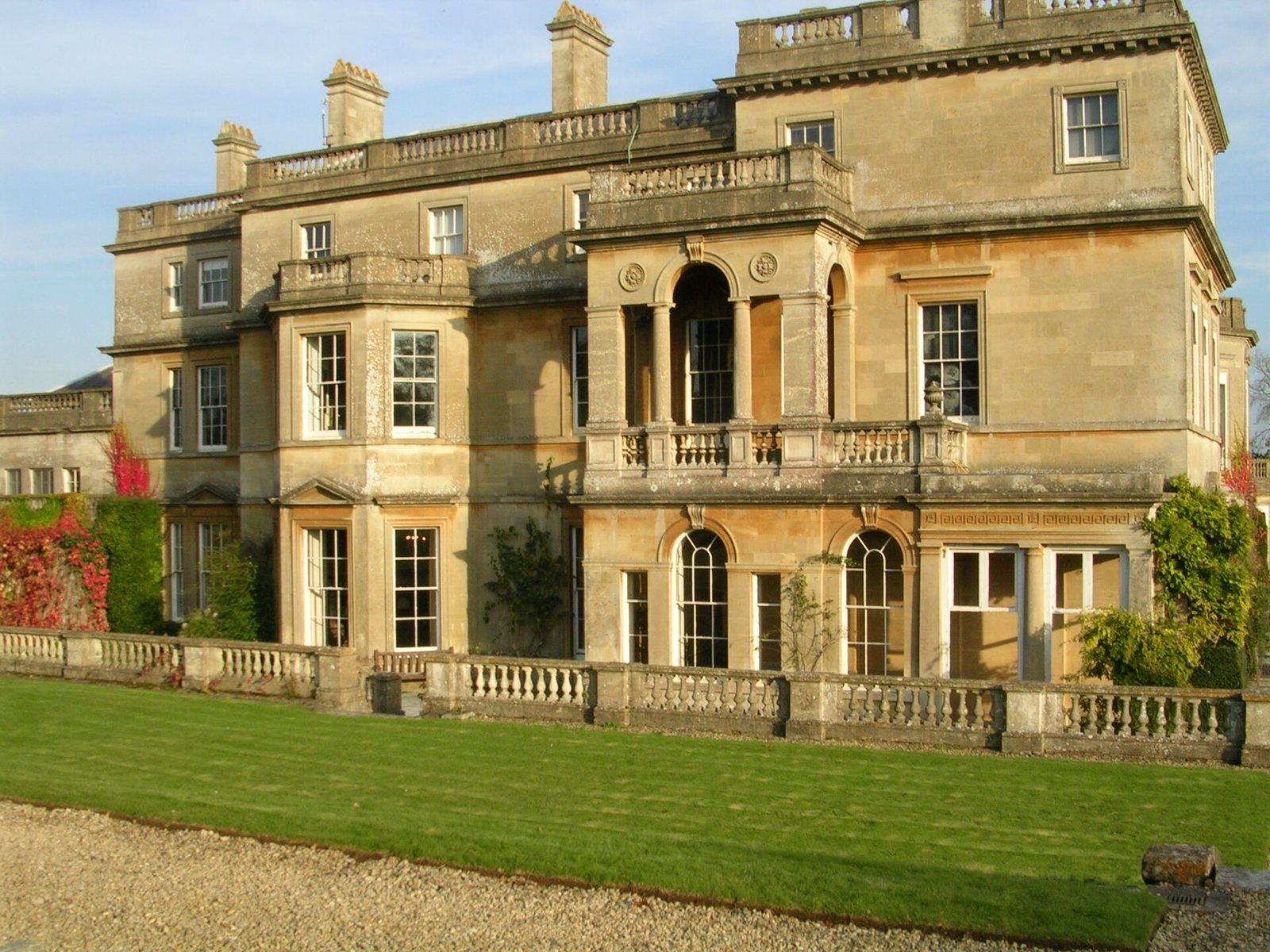
The property covers 50 acres (20 hectares), with the Georgian manor house at its centre. Its Georgian facade and overall appearance survive, although later development has obscured or altered much of the building.
Surviving features
Manor house
Designed by James Wyatt, the house retains its Georgian facade. Later changes have affected much of its fabric, while the surviving exterior preserves its Georgian character.
Stické tennis court
The wooden court stands northwest of the house. It is one of three stické tennis courts still remaining; the others are at Knightshayes Court in Devon and at the former Viceroy of India’s summer palace in Shimla, now the Indian Institute of Advanced Study.
Ice house
Henry Hall Joy added an ice house to the estate. It survives as a distinct feature of the grounds.
Entrance gates
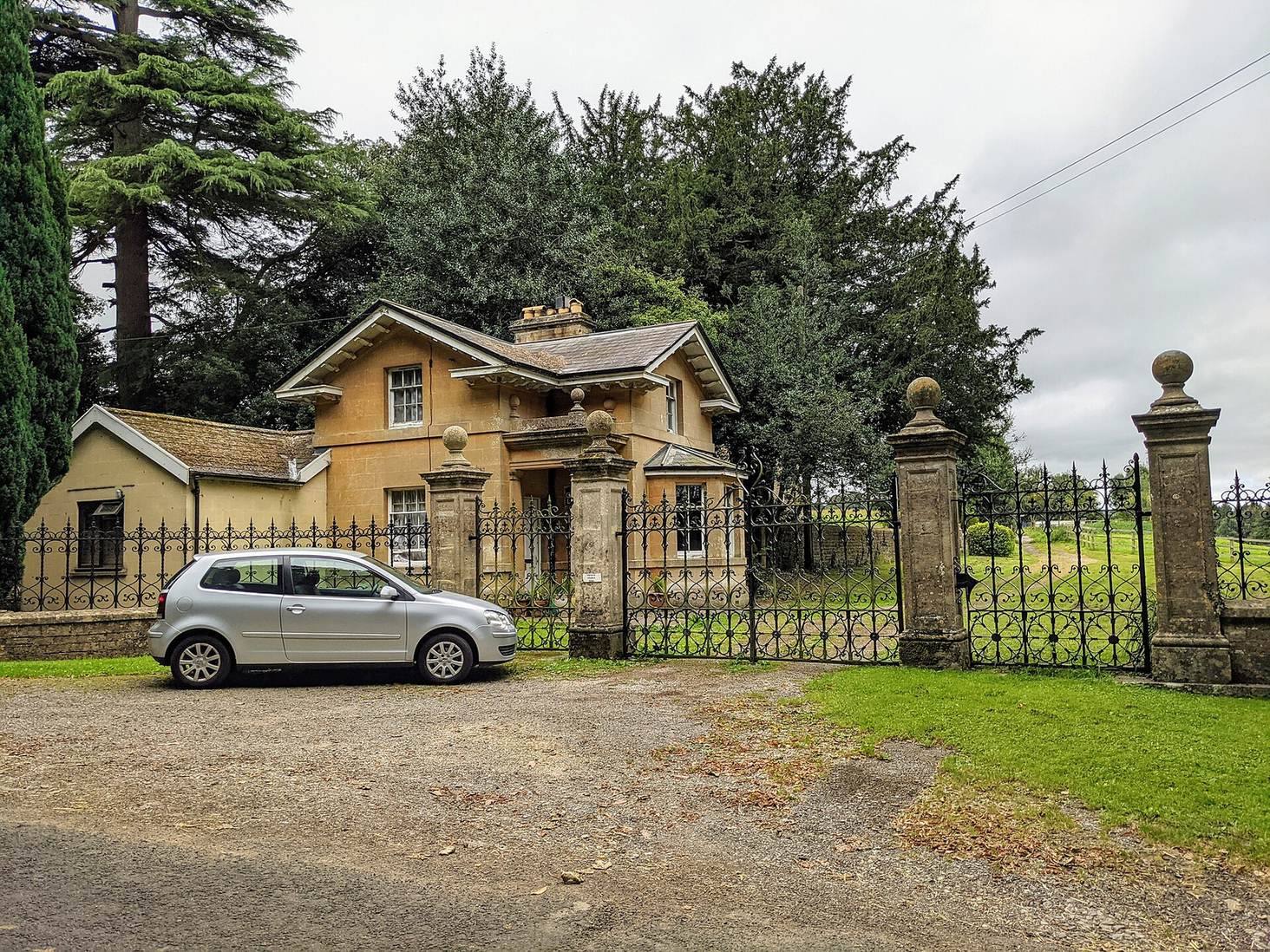
Iron gates from the entrance to adjacent Hartham House were incorporated into Hartham Park’s entrance. They still bear the Duckett family crest.
Dutch water garden
Landscape designer Harold Peto laid out the grounds, including a Dutch water garden. Much of the garden was built over during redevelopment in the 1960s.