Calès Caves: A Cliffside Settlement and Refuge in France
Site at a Glance
- Rating
- 4.6
- Popularity
- High
- Country
- France
- Primary era
- Medieval
- Eras represented
- Medieval, Early Modern
- Civilizations
- County of Provence, French, Holy Roman Empire
- Site type
- Settlement
- Remains
- Village
On this page8 sections
History
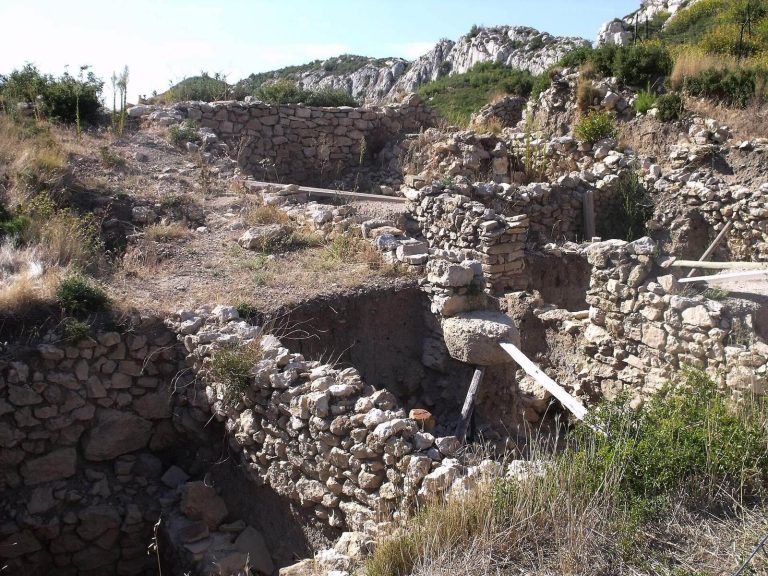
The Calès Caves are a cliffside settlement near Lamanon, France, with occupation stretching from prehistory into the transition toward written history. The site was used as a Ligurian dwelling place, and the settlement was among the region’s most important. In the Middle Ages, Calès belonged to the first generation of major fortified settlements and also served as a military camp. It is associated with the eleventh-century fortified settlement of Alamanone.
Medieval settlement and refuge
A local tradition says that a man called Kalès and his followers took shelter in the caves during regional invasions. The caves also repeatedly gave refuge to the people of Lamanon. From the twelfth to the sixteenth century, people lived there in numbers that varied from about 120 to 220. The caves served both as a place of refuge and as a longer-term home.
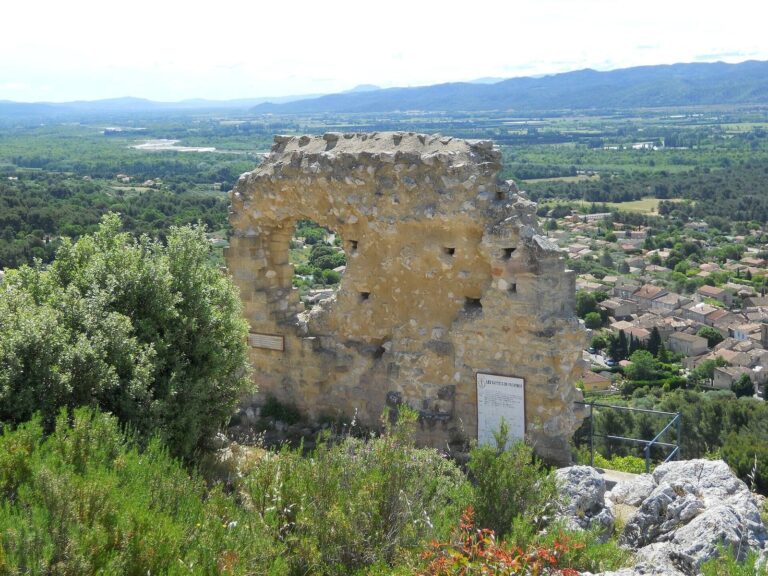
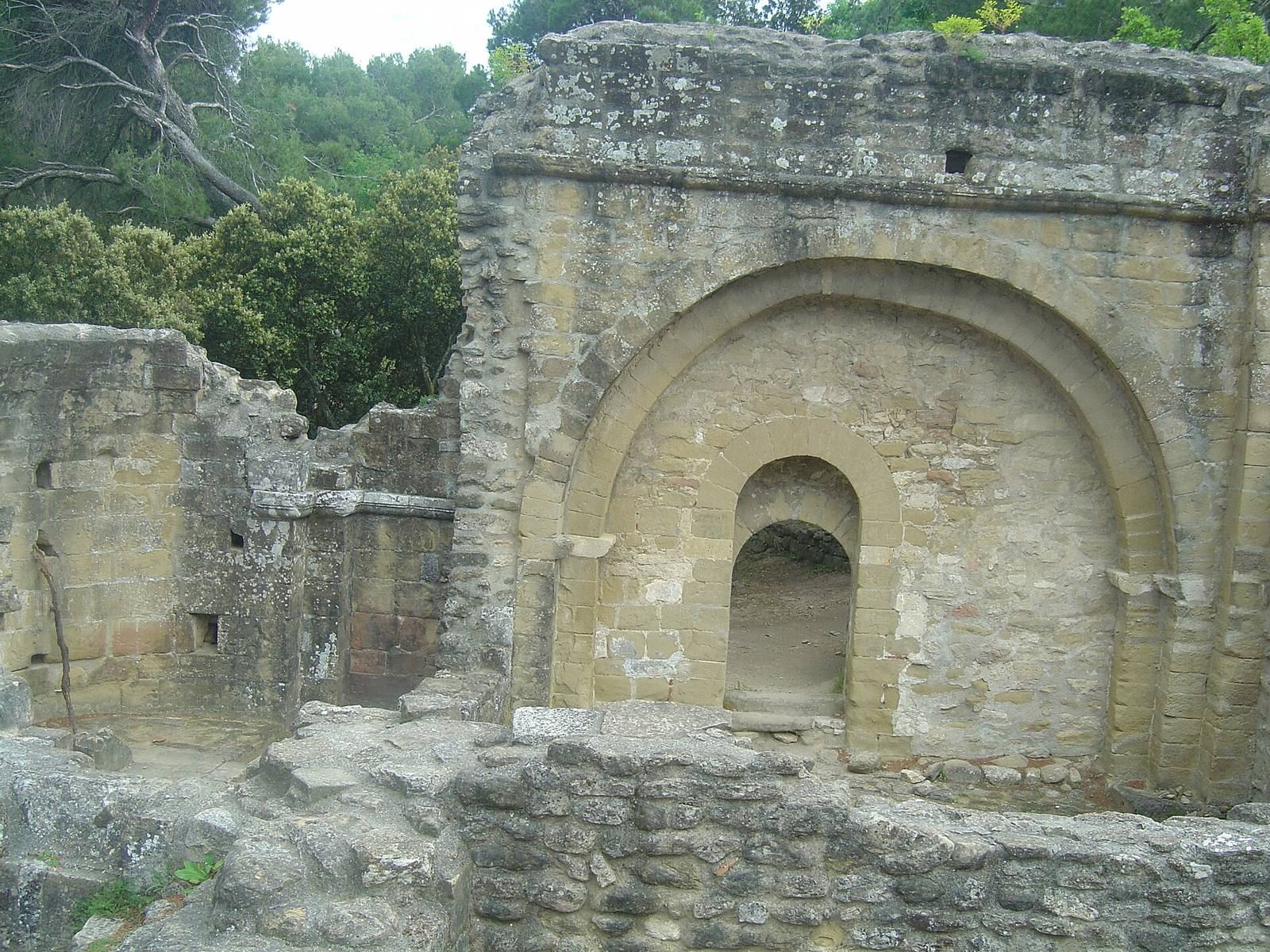
In the 1390s, troops led by Raymond de Turenne, a fourteenth-century nobleman and military leader, sacked the castle and forced its population into the caves. During the French Wars of Religion, sixteenth-century conflicts shaped by religious and political divisions, the caves again sheltered an armed band, this time led by the local leader Carrier d’Alleins. The band left the fort only after reducing it to ruins. The caves were definitively abandoned in 1586.
In 1994, the site received classified-site status and was included in France’s General Inventory of Cultural Heritage.
Remains
Cliffside settlement
Overall layout
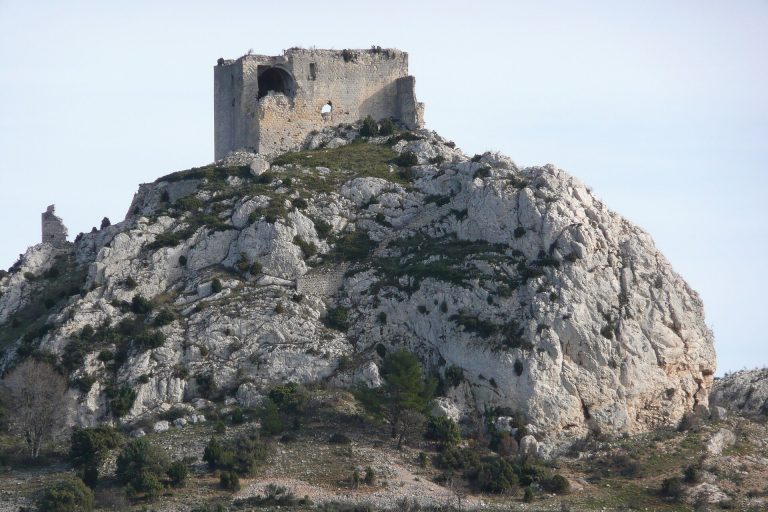
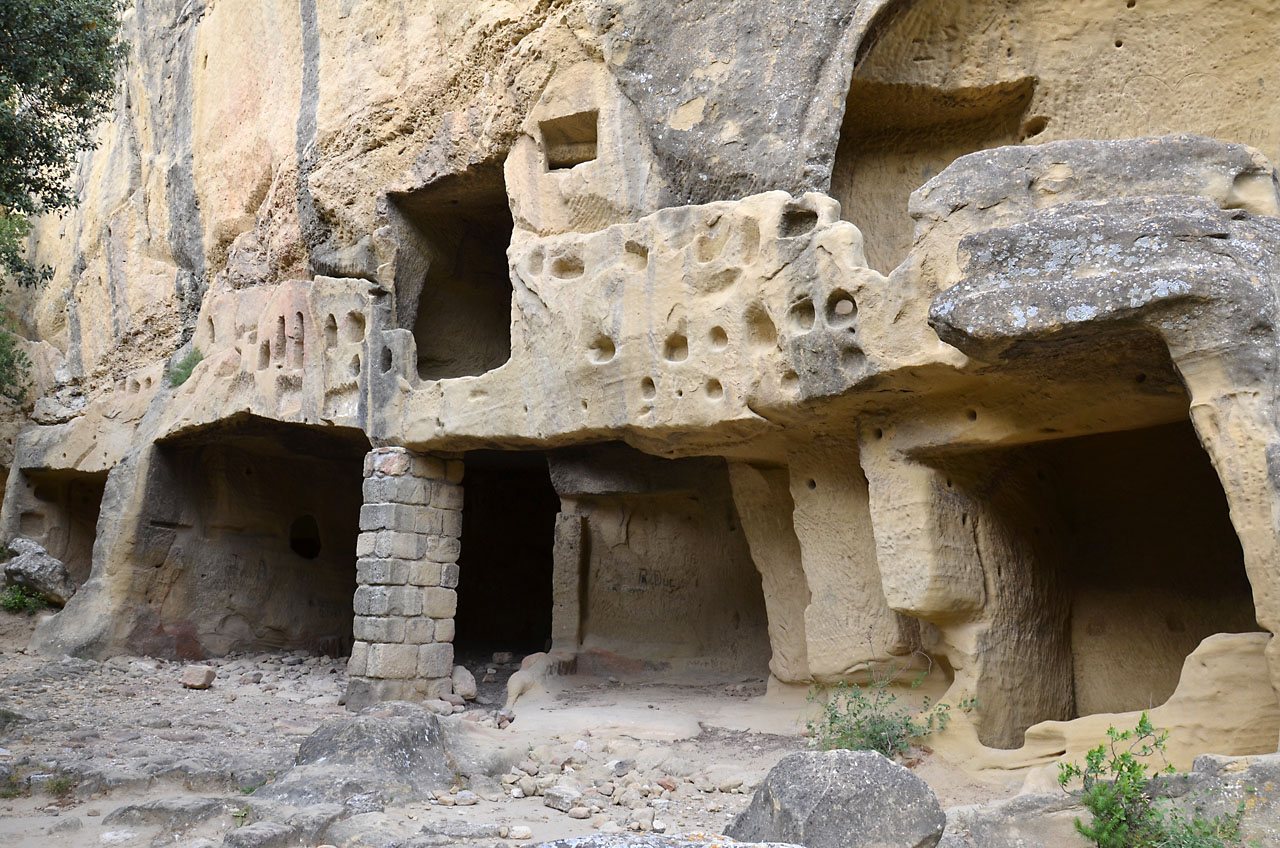
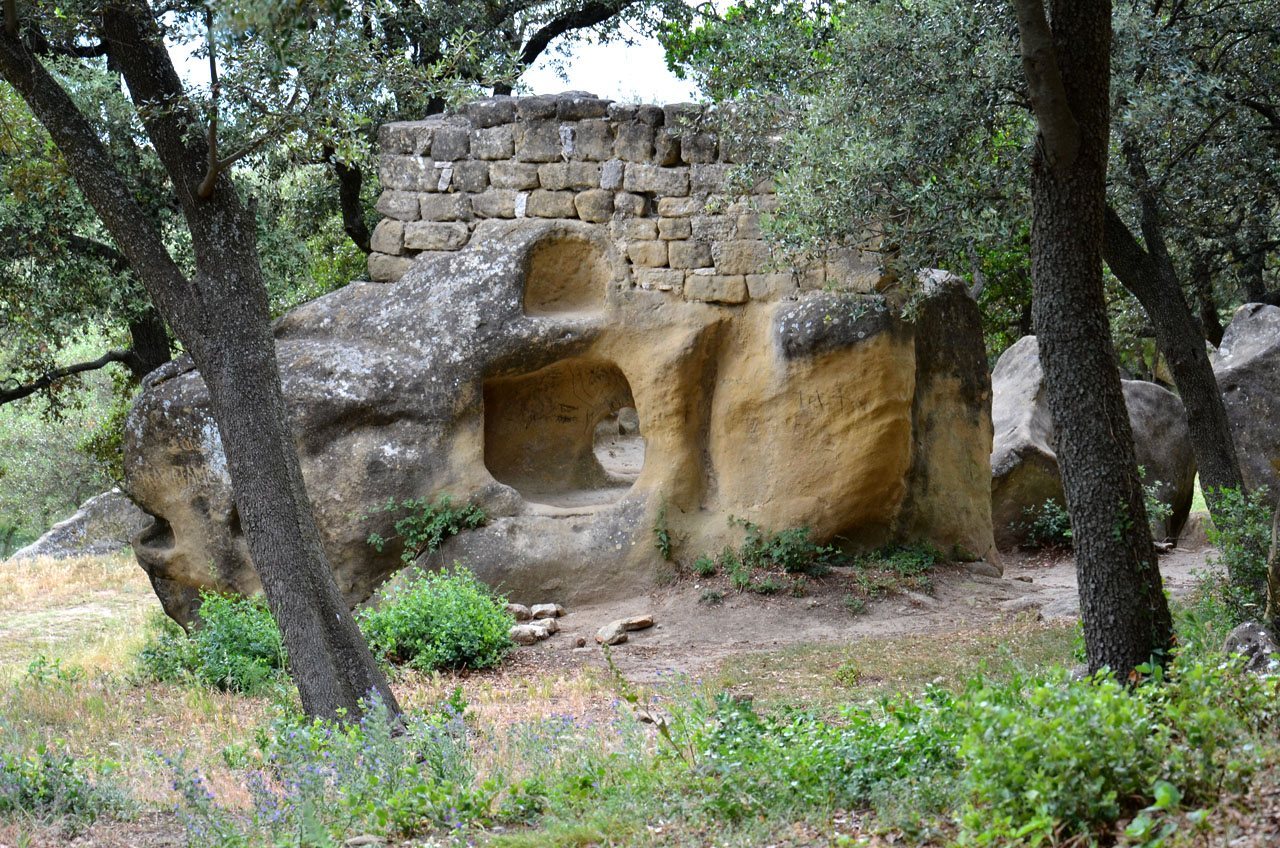
At the eastern end of the Alpilles massif, human-cut dwellings occupy several levels of a cliff, with cavities reaching toward its summit. Fifty-eight dwelling cavities have been identified within the natural hollow, or cirque, and about as many outside it.
Access and rock-cut features
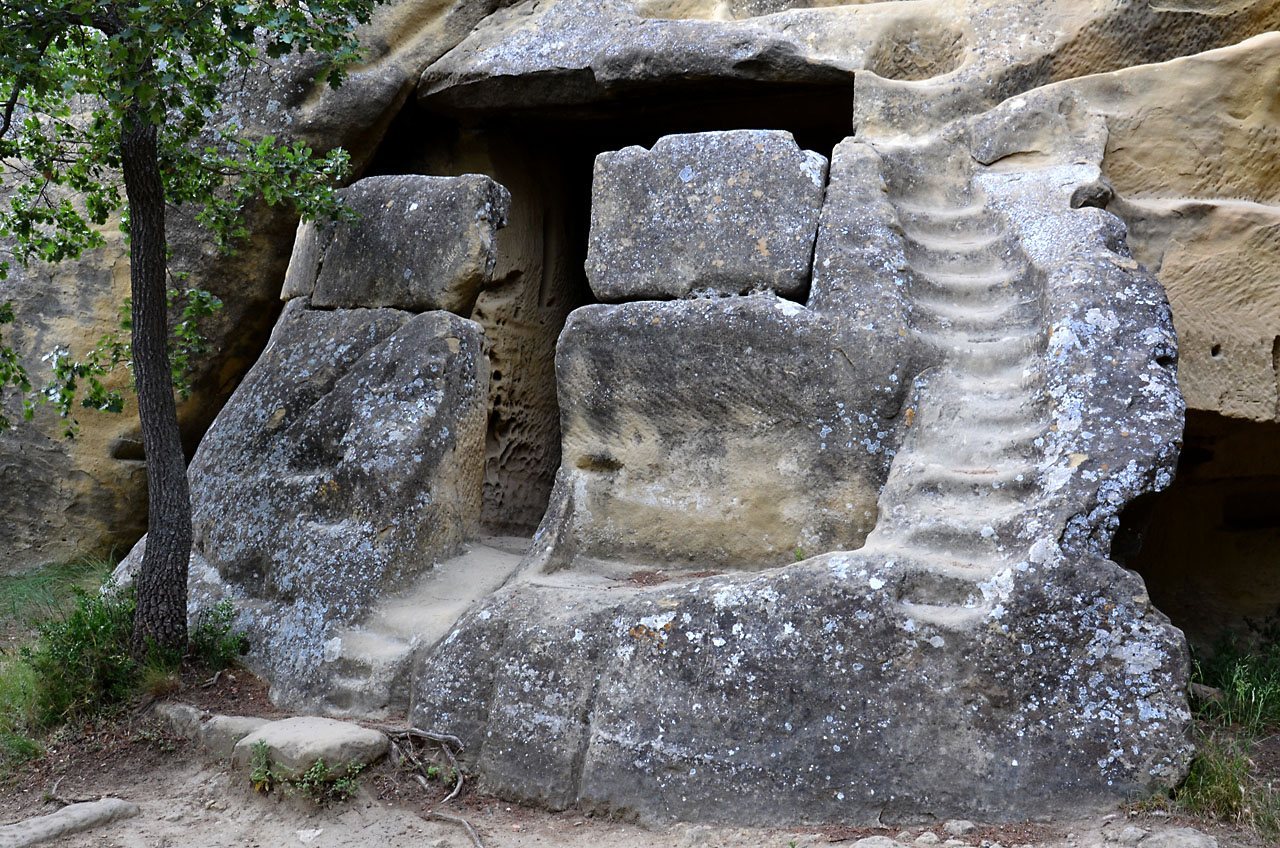
Narrow stairways cut into the rock provided access to the dwellings, while stepped ledges in the cliff served as anchors for masonry. Holes for scaffold poles indicate that some excavations could be reached only by ladders made from branches.
Water and domestic fittings
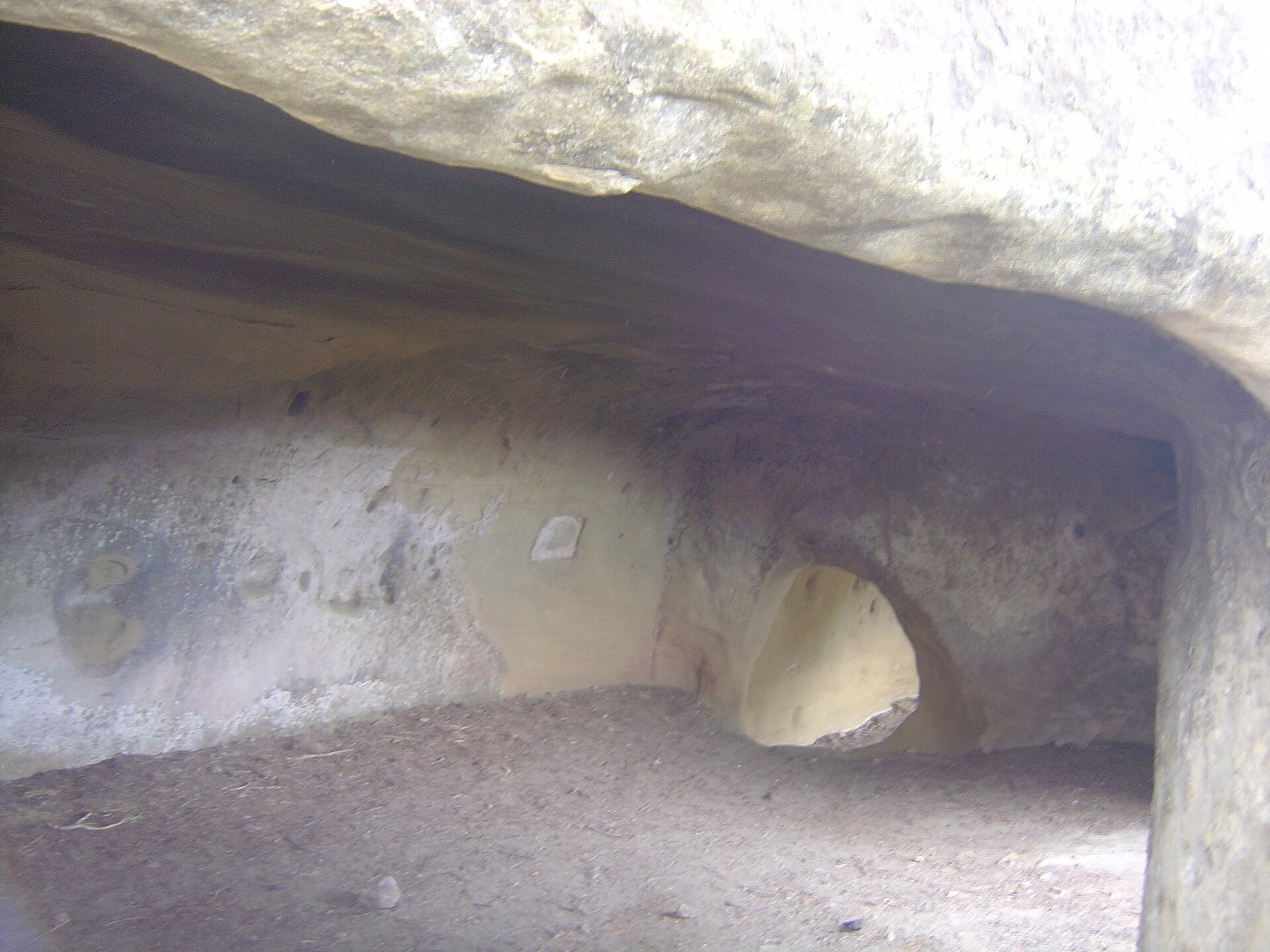
Small channels directed runoff into cisterns and water-collecting basins. The most elaborate domestic fittings belong to the settlement’s final occupation phase and include fireplaces, cupboards, cleats, and recesses for doors.
Statue of Mary
A statue of the Virgin Mary crowns the site and overlooks the troglodyte village.