Great Baths of Dion: A Roman Public Bath Complex in Greece
Site at a Glance
- Popularity
- Very Low
- Country
- Greece
- Primary era
- Classical
- Eras represented
- Classical
- Civilizations
- Roman
- Site type
- Sanitation
- Remains
- Baths
On this page8 sections
History
The Great Baths of Dion were a Roman public bathing complex in Dion, Greece, built in the final decades of the second century AD. The baths offered residents a place for leisure and formed a center of public life in the city.
The complex remained in use until the late third century, when a powerful earthquake destroyed it. Its northern wing was associated with Asclepius, the Greek deity of healing, and served a therapeutic purpose alongside the baths’ social role.
Remains
Site plan and bathing rooms
Position and central court
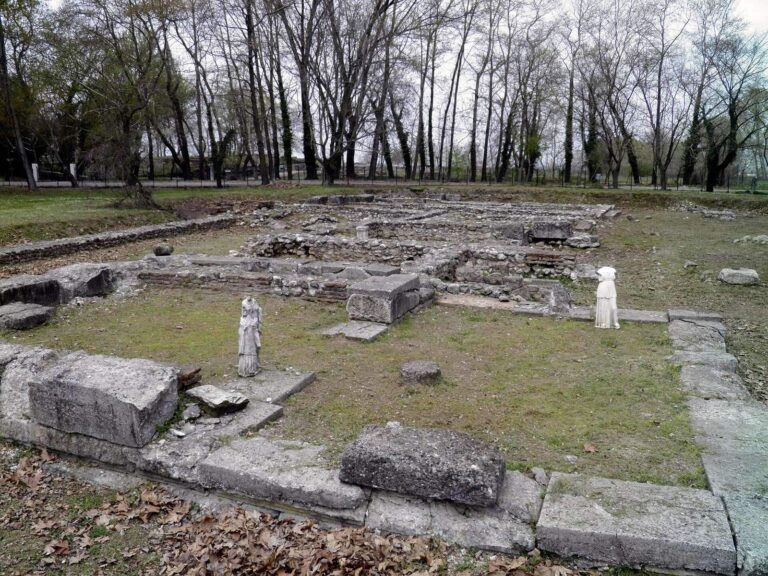
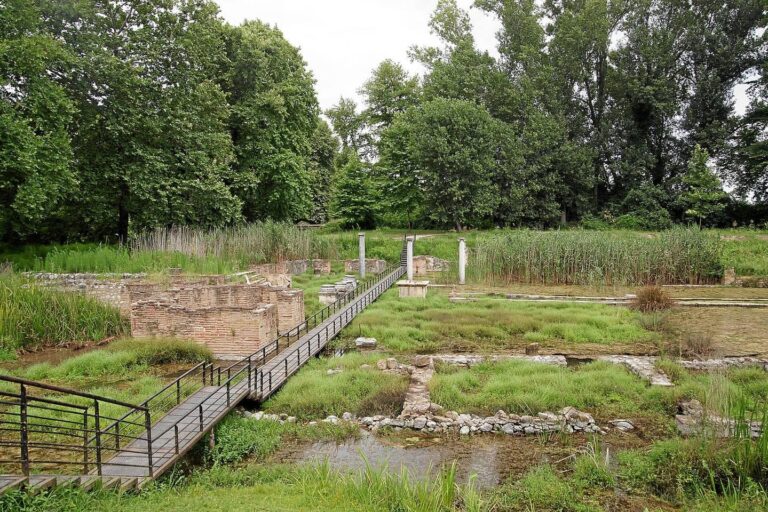
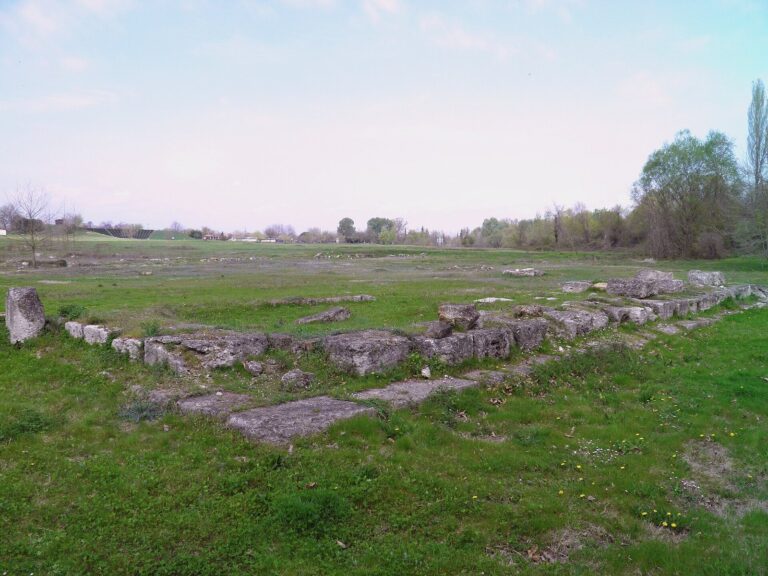
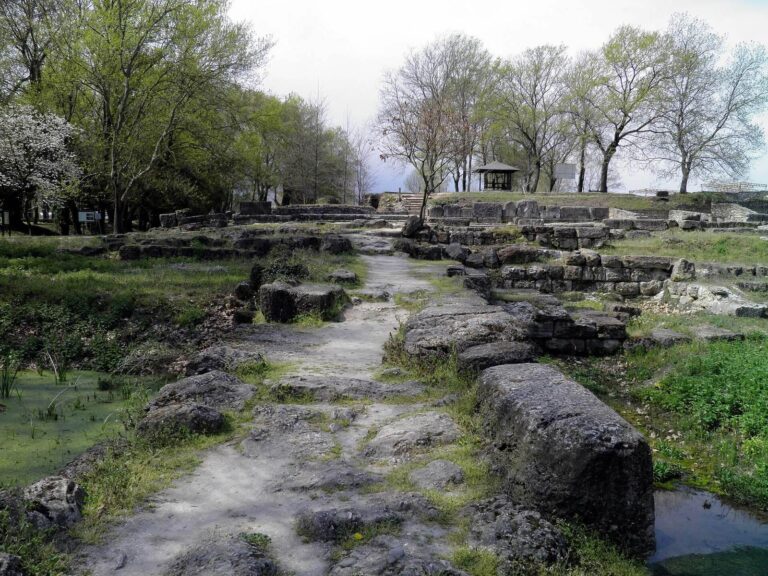
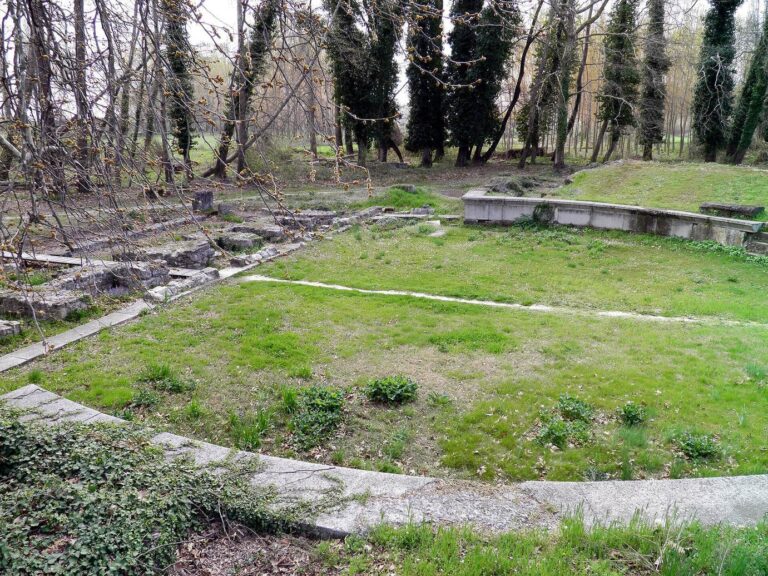
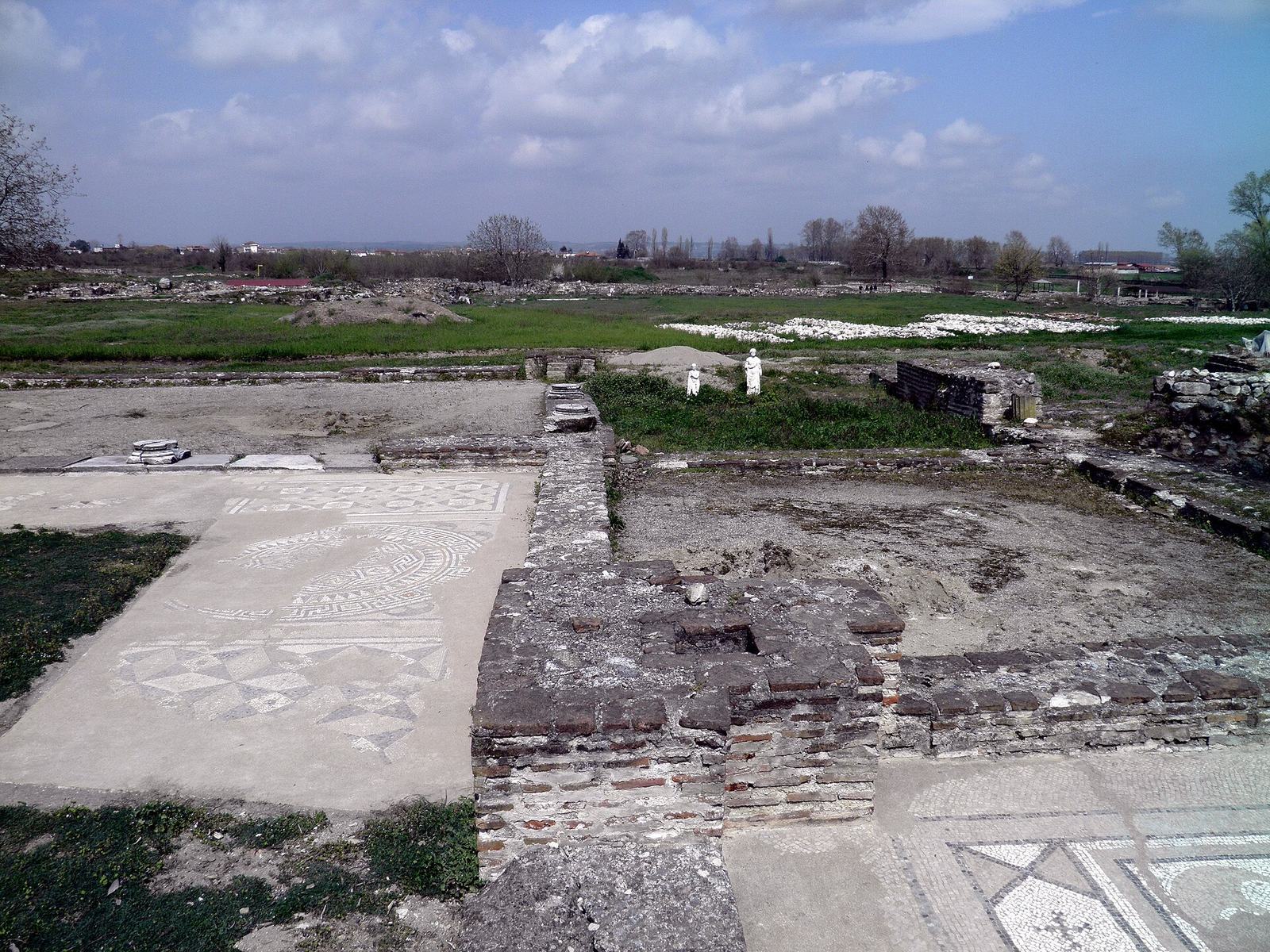
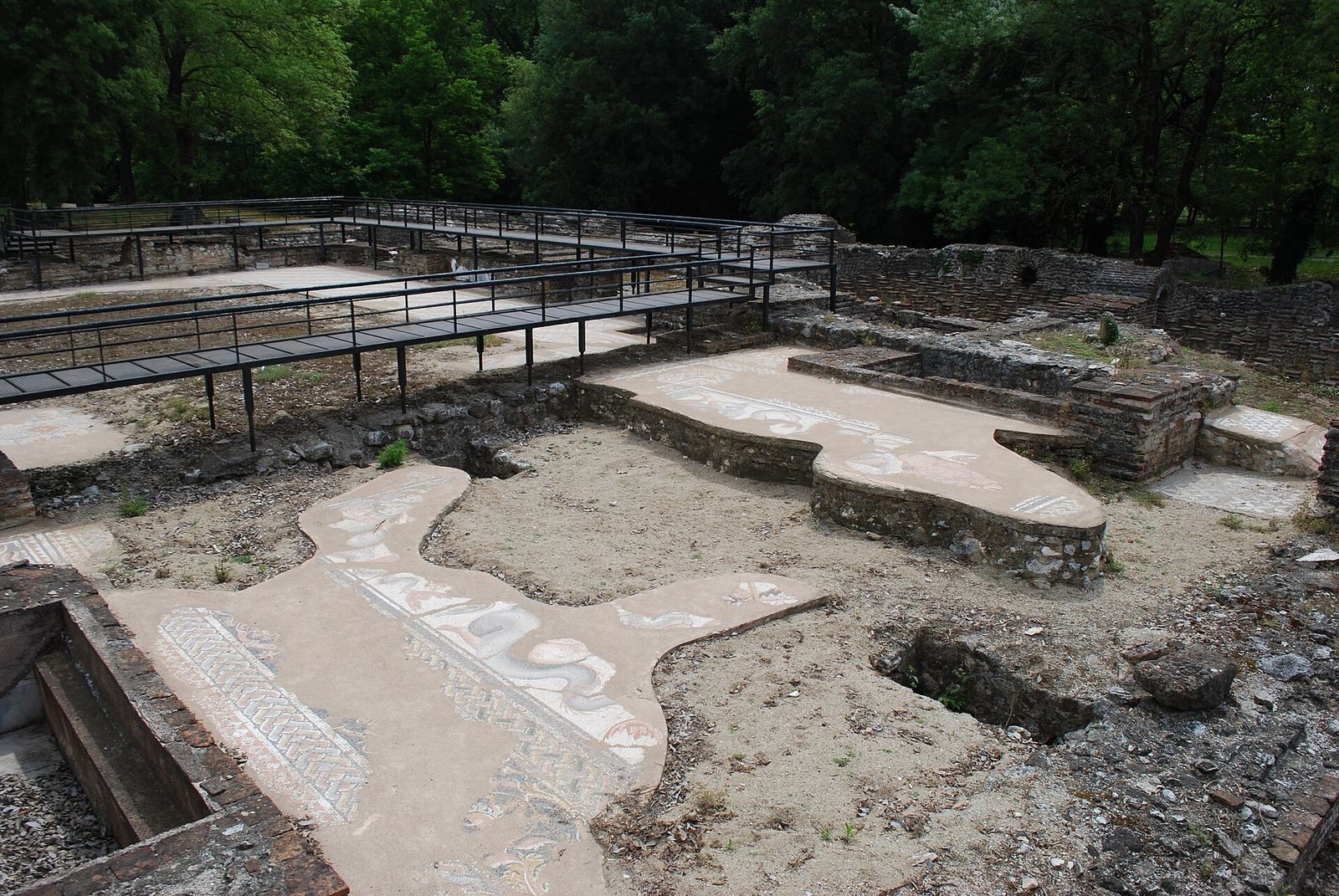
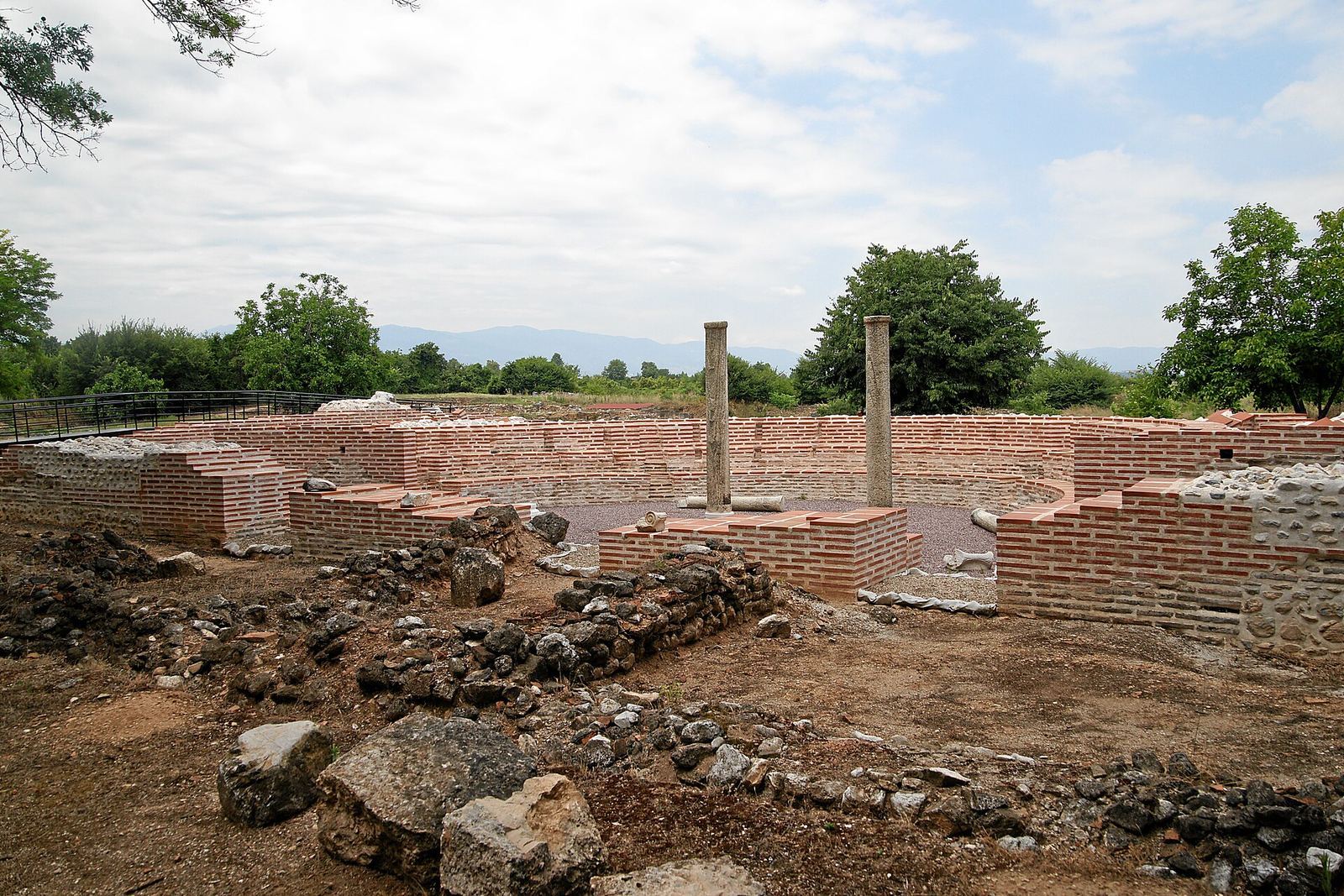
The ruins lie within Dion’s archaeological area, near the modern village of Dion. The complex occupied the southern part of the ancient city, beside the forum and just inside the city walls. It stood near the southern gate, west of the Cardo Maximus, the principal north-south street, and was sheltered from north winds while remaining connected to the main street. Covering about 4,000 square metres, the baths were arranged around a broad central atrium. A low staircase led from the street to the courtyard and then to the entrance hall; an attached odeion, a covered building for performances, stood to the right of the hall. Shops, workshops, and public latrines lined the street beside the baths.
Bathing suite and northern wing
South of the entrance were changing rooms and rooms for warm and hot baths, as well as massage rooms. A large marble pool for cold bathing lay west of the large hall. The northern wing, with mosaic floors and marble columns, provided space for rest and socializing and may also have been intended for theatrical performances. Its eastern room was dedicated to Asclepius.
Construction and decoration
Water, heating, and floors
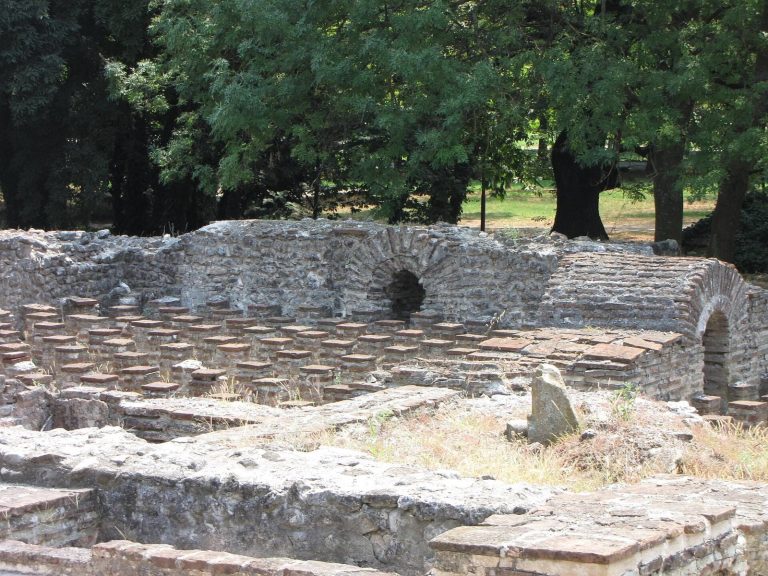
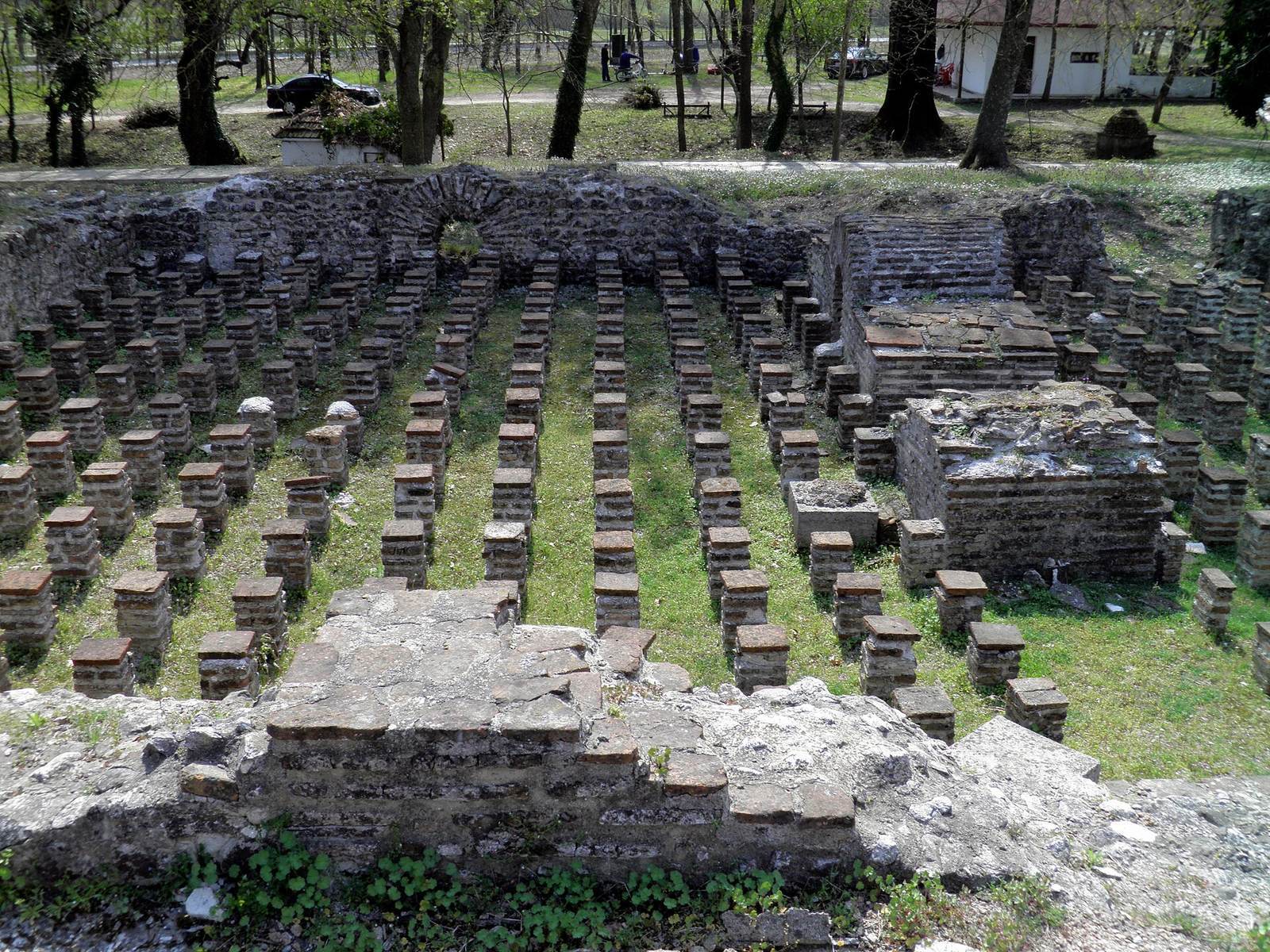
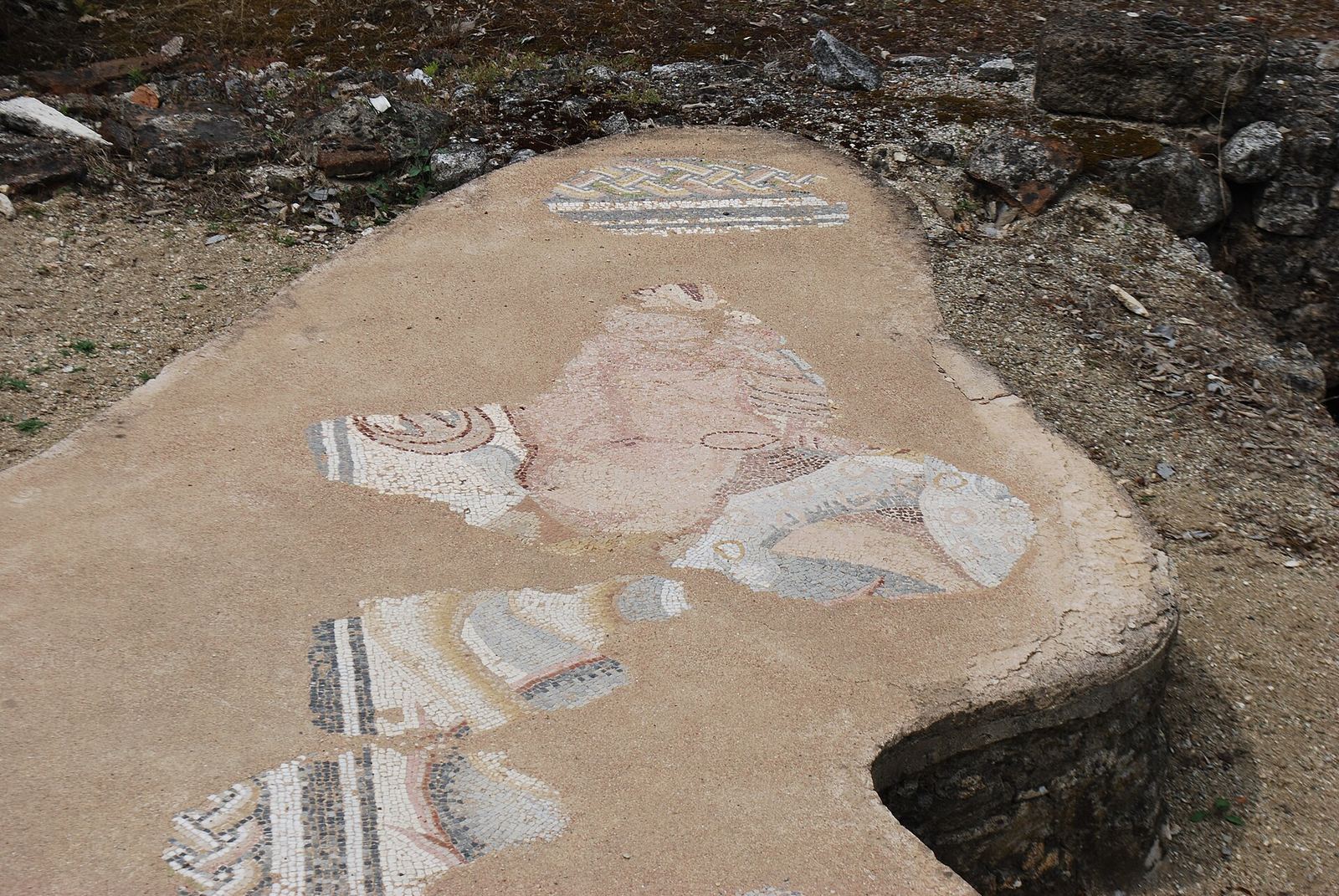
An extensive water-supply and drainage network ran beneath the building, alongside a hypocaust, an underfloor system that circulated hot air. Short, square columns supported the heating system. The floors included marine-blue mosaics and marble inlays, while statues of people, deities, and nymphs stood in decorative niches.
Sculpture and finds
Busts of prominent local men were displayed in the entrance hall. A bust of the philosopher Herenian, found at the baths and dated to the early third century AD, is among the finds; another male portrait also dates to the early third century. A statue of Dionysus came from the cold-bath room, and a woman’s head associated with the family of Asclepius dates to the second century AD.
Sculptures found at the baths included Asclepius, his wife Epione, their sons Machaon and Podalirius, and their daughters Hygieia, Aglaia, Panacea, Aceso, and Iaso. Other works represented Apollo, Dionysus, and nymphs, female nature spirits. The group of Asclepius and his family was made in a Roman-period style known as Neo-Attic, which drew on earlier Greek models. Its workshop used prototypes dating to the fourth century BC. The sculptures are now in the Dion Archaeological Museum.