Gileston Manor: A Medieval Manor House in Wales
Site at a Glance
- Popularity
- Medium
- Country
- United Kingdom
- Primary era
- Early Modern
- Eras represented
- Medieval, Early Modern
- Civilizations
- English
- Site type
- Domestic
- Remains
- Manor House
On this page8 sections
History
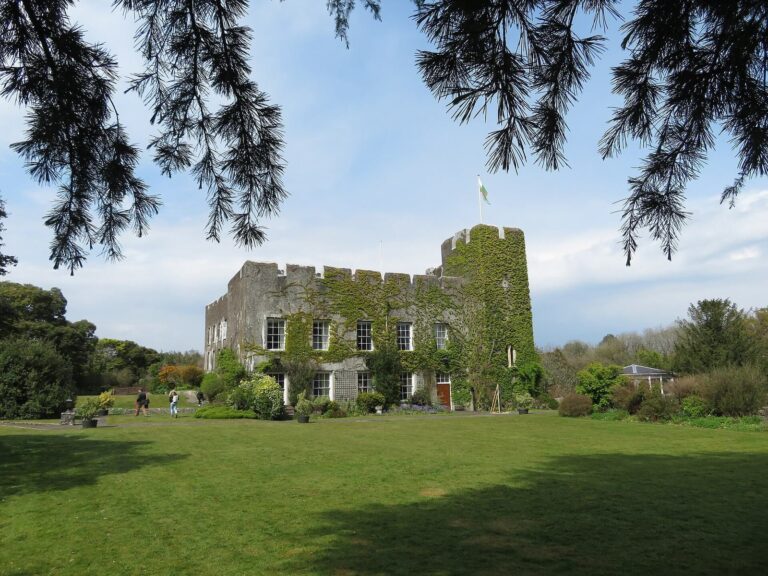
Gileston Manor is a late-medieval manor and country house in the village of Gileston, in the Vale of Glamorgan, Wales, United Kingdom, later altered during the eighteenth century.
Family ownership and clerical use
The manor is thought to have been held by a family surnamed Jule or Giles until the last male heir died in 1673. It then passed to two female heirs. During the eighteenth century, a succession of village clerics occupied the house.
Village life and later protection
In 1771, the Bishop of Llandaff, the senior Church of England official for the diocese, described a village population that included a farmer, his wife, son and servants, along with an old man and an old woman. The rector, a parish clergyman, and his family lived at the manor and held the position of local squire, a gentleman associated with the estate. In 1952, the house was listed as Grade II*, a high-level designation in Wales for historic buildings of particular importance.
Remains
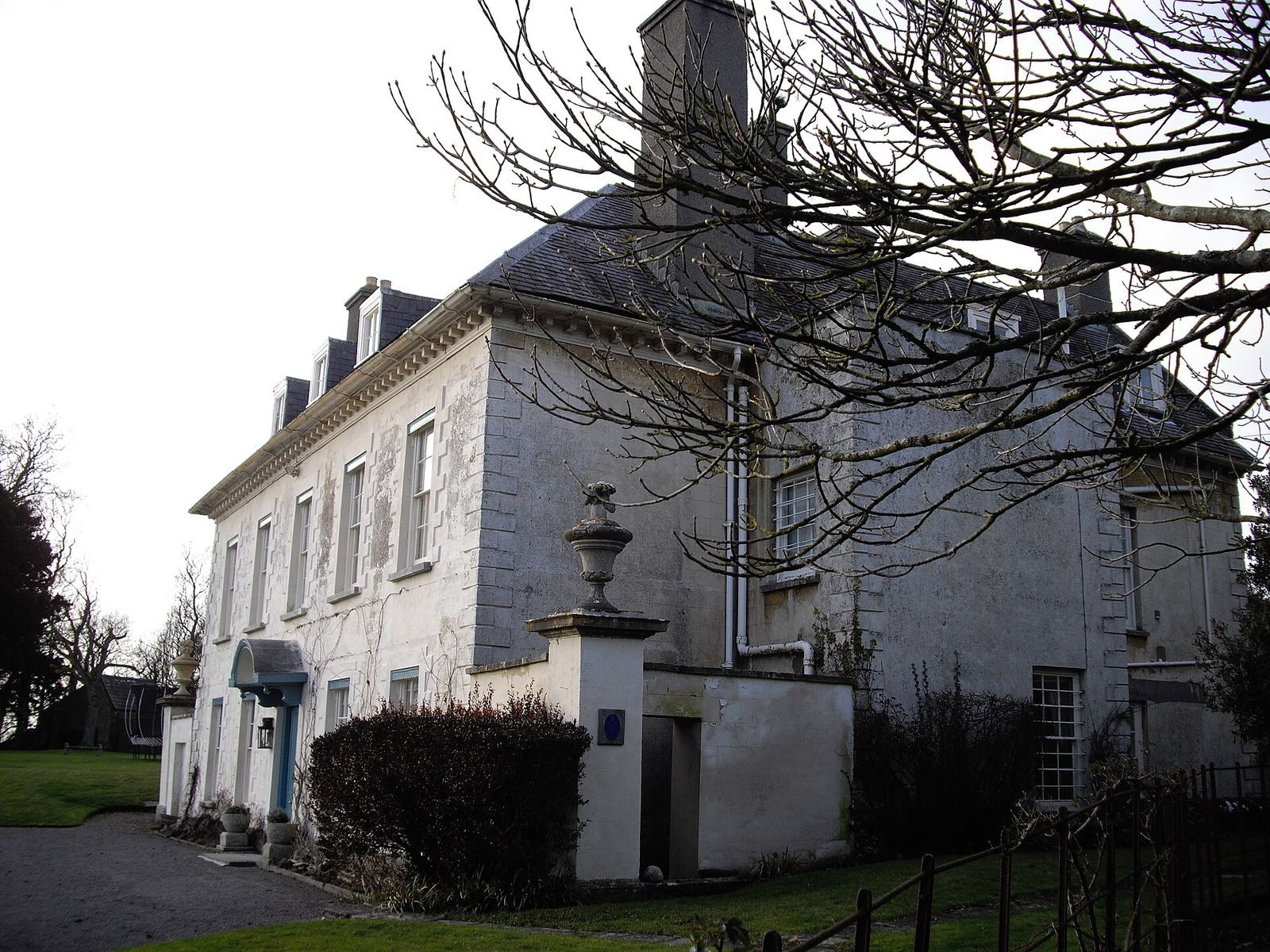
The square-plan manor house has two main storeys, an attic and cellars, with a broad staircase at its centre. Its grounds include a large walled garden and a summer house.
The manor house
West wing
The west wing is the oldest part of the house and retains late-medieval fabric. Its roof trusses, timber frameworks that support the roof, suggest a date in the early sixteenth century.
Eighteenth-century alterations
The south, or front, façade was remodelled in the early eighteenth century. Its windows are arranged symmetrically beneath a hipped roof, which slopes down on all four sides. The exterior and some interior fittings also date from the eighteenth century. The front bedrooms retain wall panelling from this period.
Garden and summer house
A large walled garden of the eighteenth century forms part of the grounds, together with a summer house.