Fortress Spanjola: An Ottoman Fortification in Herceg Novi, Montenegro
Site at a Glance
- Popularity
- Medium
- Country
- Montenegro
- Primary era
- Early Modern
- Eras represented
- Medieval, Early Modern
- Civilizations
- Ottoman, Venetian
- Site type
- Military
- Remains
- Fort
On this page7 sections
History
Fortress Spanjola is an Ottoman fortification in Herceg Novi, Montenegro, built during the fifteenth and sixteenth centuries. It became an important defensive position: the Spaniards repaired its ramparts after recognizing its strategic value, and it later withstood a French attack in 1806.
Ottoman origins and Spanish involvement
An earlier stronghold, known as the Fortress of Charles V, stood on the site. Ottoman builders demolished it a year later and constructed a new fortification on its foundations. The Ottoman Empire was a state ruled by sultans, and the fortress was built under Ottoman rule. Its popular name recalls Spaniards who took part in construction during a year-long period of Spanish rule, though the fortress itself is attributed to Ottoman builders.
In 1538, the Spaniards briefly captured the city. They recognized the fortress’s strategic importance and repaired its ramparts.
Venetian and Austrian control
The Venetian Republic, a maritime state centered on Venice with territories around the Adriatic, controlled Spanjola and the Bay of Kotor from 1687 until the republic fell in 1797. After its collapse, Austria moved to secure the bay before Napoleon’s forces. Austrian border guards advanced from Otočac, captured Knin and then Split, and embarked there on warships.
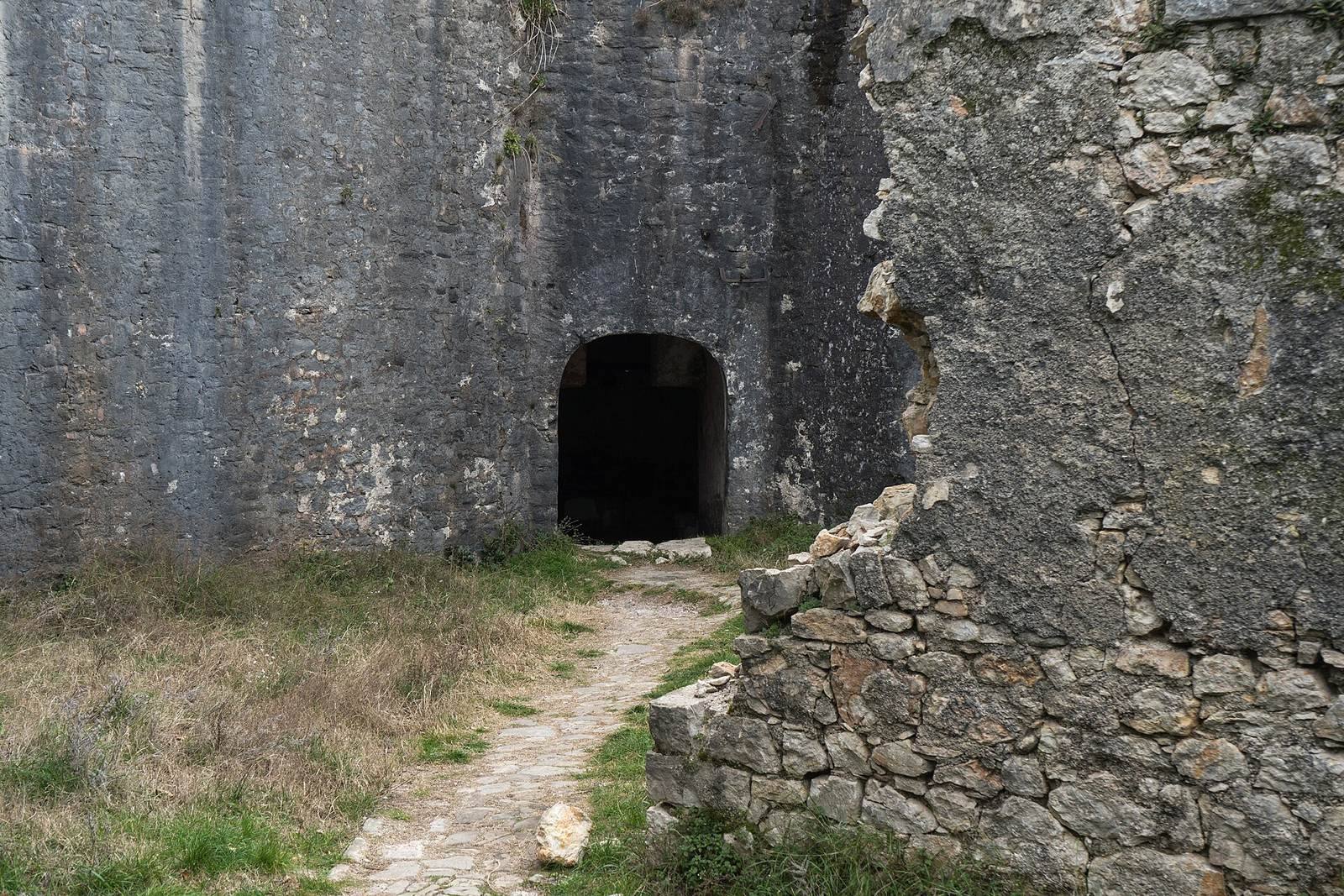
On August 20, seventeen Austrian warships and eight transport ships entered Herceg Novi harbor. That afternoon, a company of border guards landed and occupied the fortress. A Budisavljević family tradition credits Mijat Budisavljević, who commanded the company, with taking it through an underground passage he knew from an earlier imprisonment there. The tradition says he entered with his soldiers and captured the fort from the Turks. He then continued to Risan and Kotor, where the final battle was fought. The following day, General Matija Rukavina came ashore from the warship Austria and received a ceremonial welcome.
French rule and later use
In 1806, during Napoleon Bonaparte’s campaigns across Europe, French forces captured Herceg Novi’s Old Town and advanced on Spanjola, but could not take the fortress. Russian forces subsequently rebuilt it and transferred it to the French in 1807. French control lasted until 1814, when Herceg Novi and the Bay of Kotor came under Austrian rule.
Spanjola remained a military fortification until the beginning of the twentieth century. During the Second World War, a camp operated there. The fortress survived the 1979 earthquake that struck the Montenegrin coast.
Remains
Layout and defenses
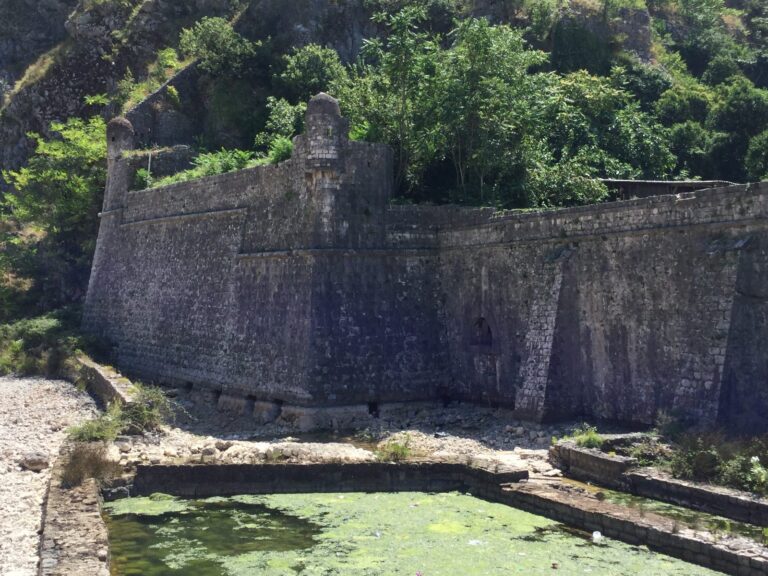
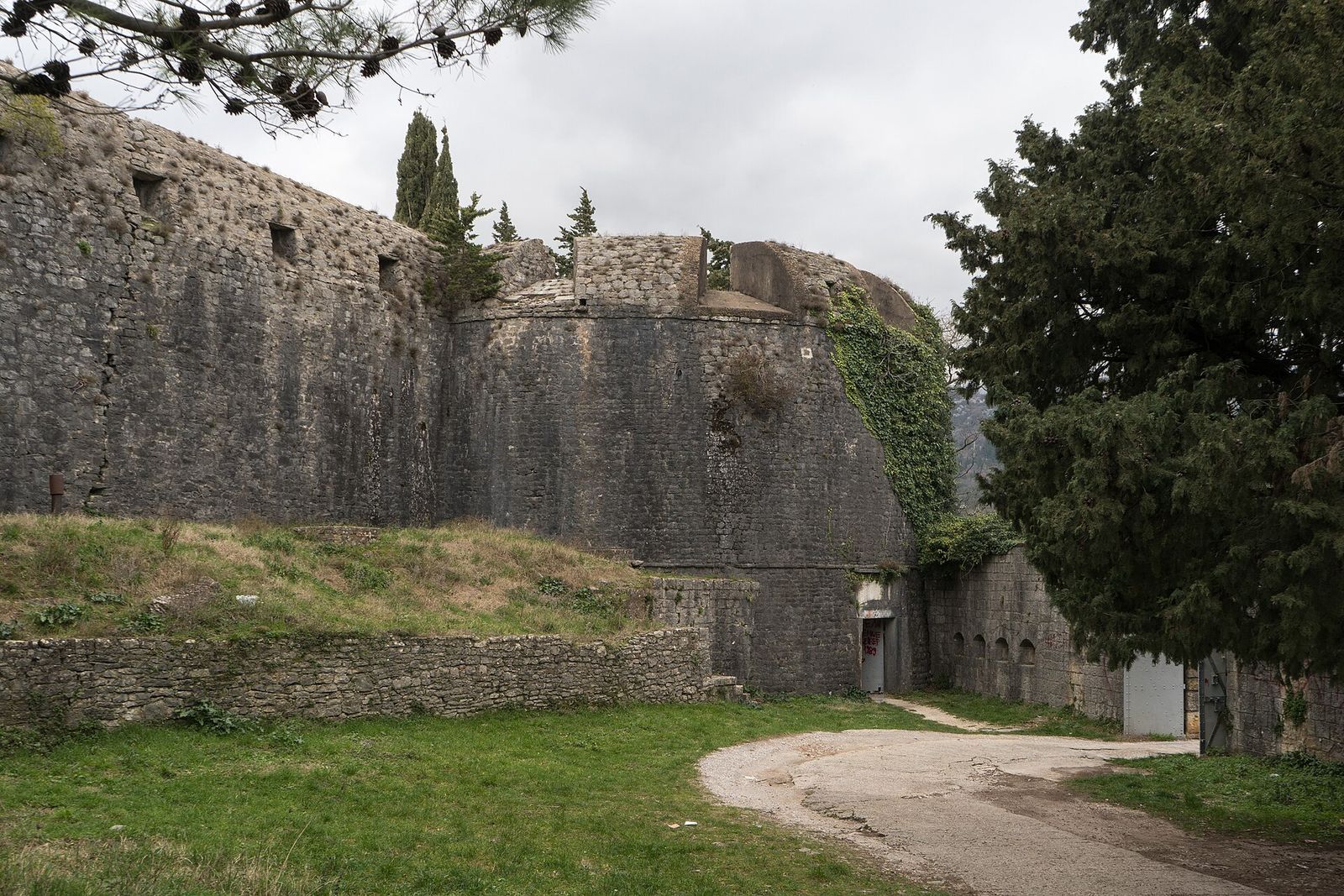
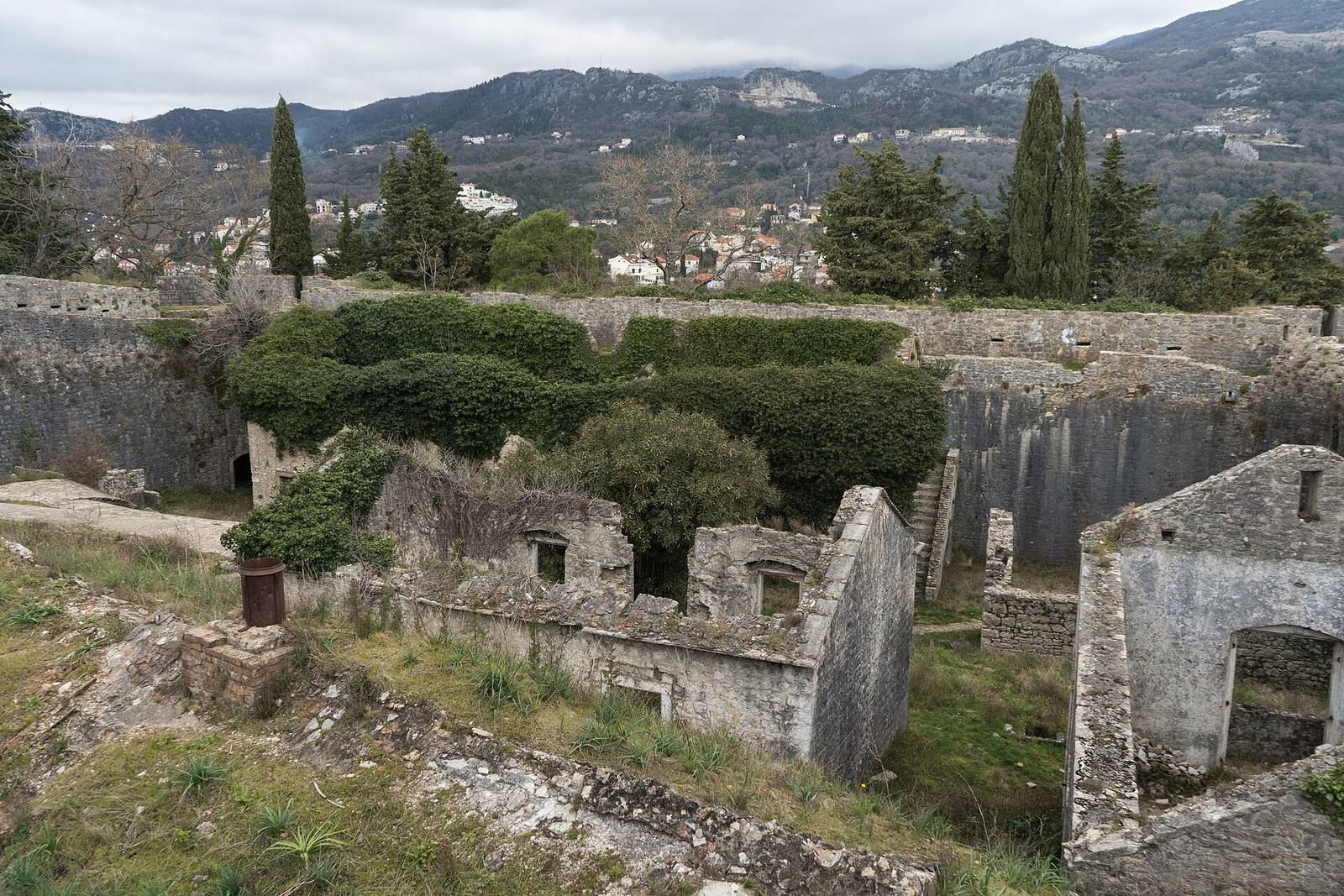
The fortress stands on Bajer Hill, on the northwestern side of Herceg Novi, at an elevation of 170 m, overlooking the entrance to the Bay of Kotor. Massive walls enclose the site, with four circular bastions, projecting defensive positions that cover the adjoining walls, at the corners. The main entrance is on the eastern side and is protected by an outer wall. The Venetians added to the south-facing side of the fortress, which faces the sea.
Inscriptions and condition
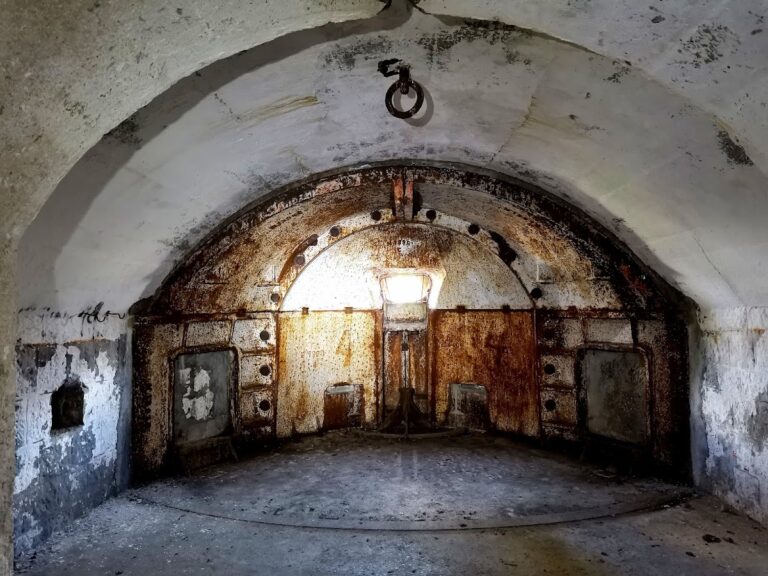
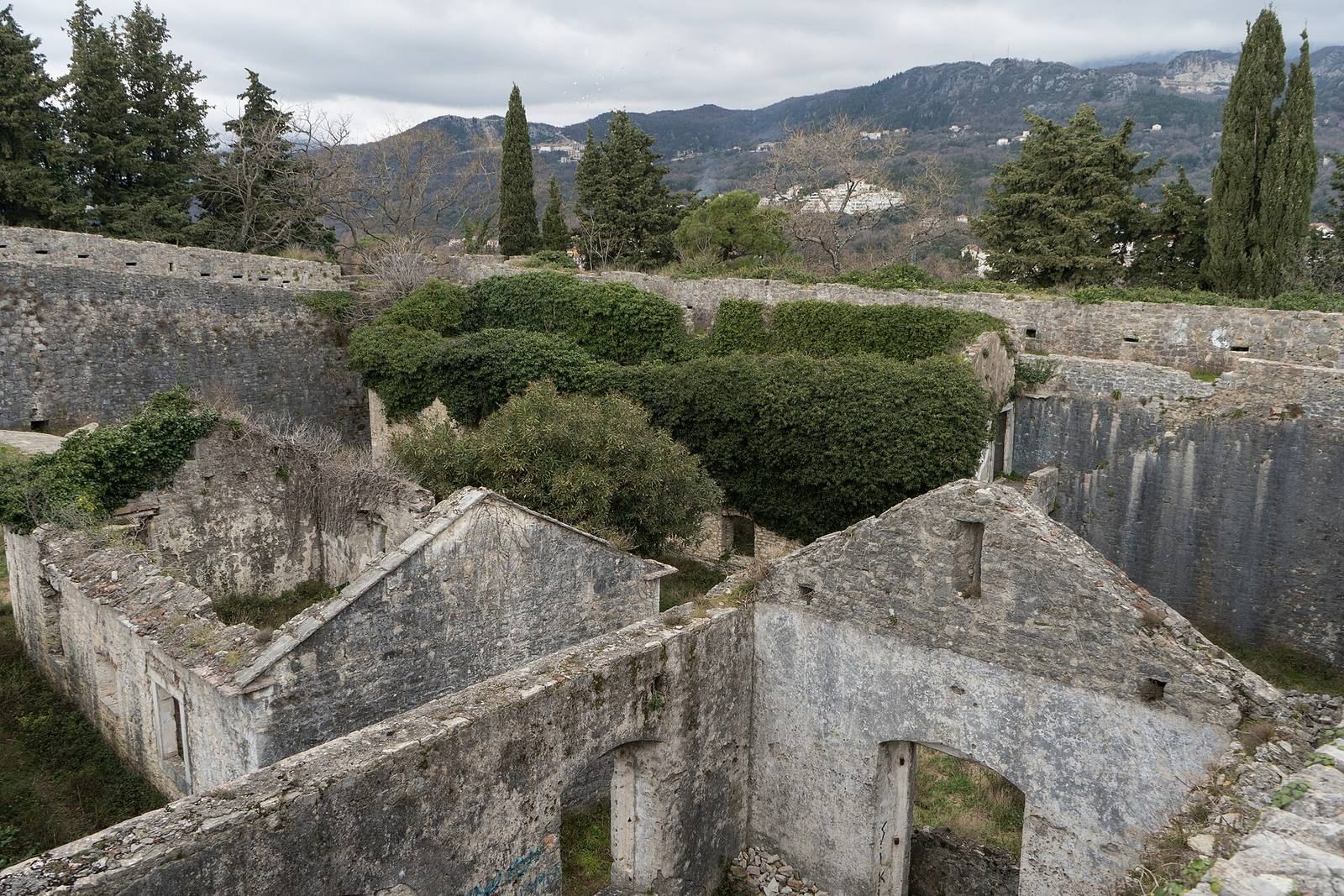
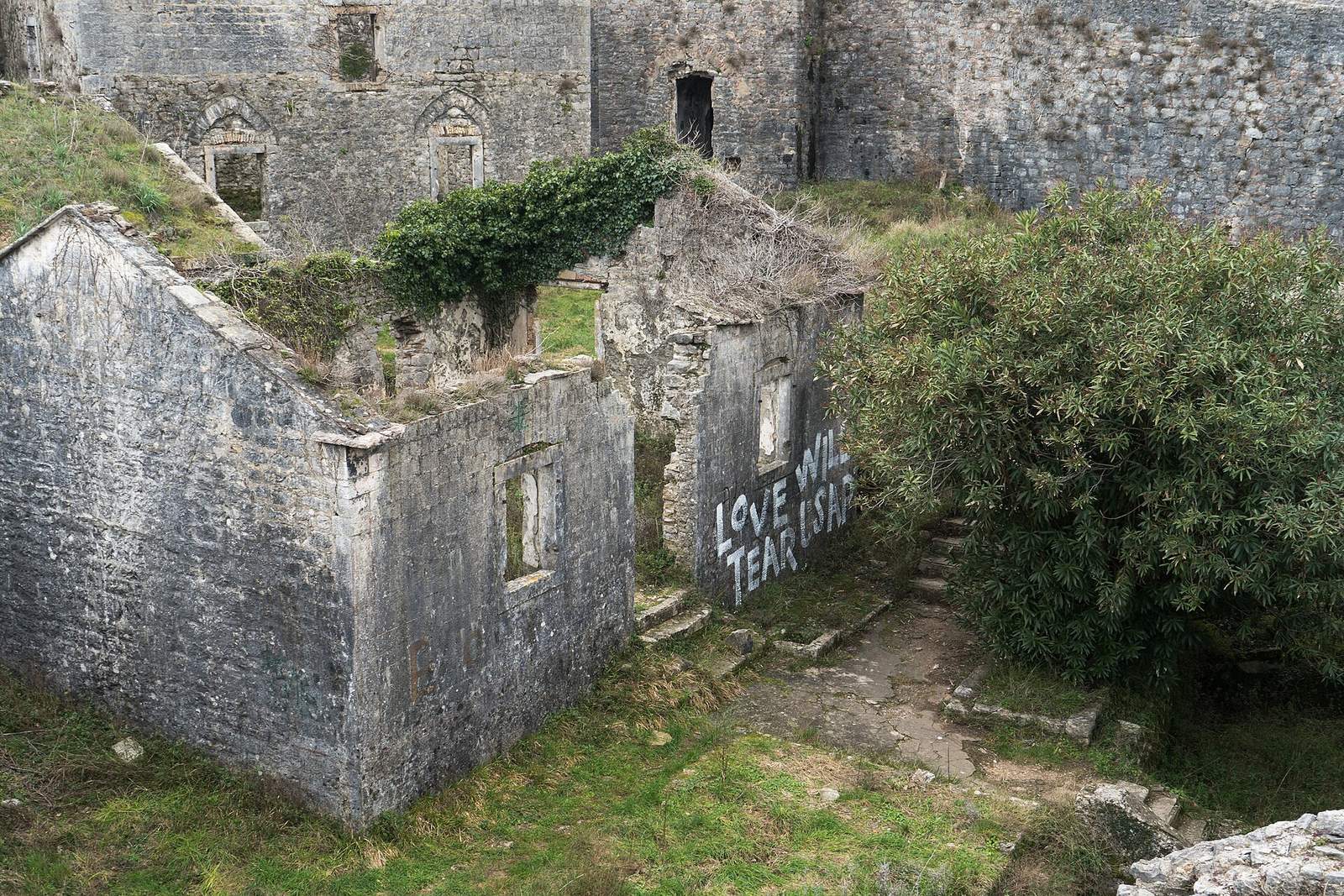
A building inscription says that a sultan, a sovereign ruler, ordered the construction and credits the work to Suleiman, son of the great ruler Suleiman Khan. A separate Arabic inscription once appeared on a plaque above the entrance. The plaque was removed without authorization; its text praised the building and expressed the wish that poets passing by would exclaim at its beauty. The fortress is now overgrown, its interior walls are collapsing, and some parts are unsafe.