Fort Stanton: An Army Post, Tuberculosis Sanatorium, and Wartime Detention Center
Site at a Glance
- Country
- United States
- Primary era
- Modern
- Eras represented
- Modern
- Civilizations
- Unclassified
- Site type
- Military
- Remains
- Fort
On this page11 sections
History
Fort Stanton is a former U.S. Army post near Lincoln, New Mexico, United States, established in 1855 during the mid-nineteenth century. It supported U.S. campaigns in the Apache Wars, nineteenth-century conflicts between Apache peoples and U.S. forces, and offered protection to Hispano, or Spanish-speaking, and white settlements along the Rio Bonito.
Army post and Apache Wars
The Army established the fort using its 1st Dragoon Regiment, mounted troops, and the 3rd and 8th Infantry regiments. The post also served in part as a reservation for the Mescalero Apache, an Apache people with historical ties to what is now New Mexico. The reservation moved about 30 miles southwest in 1873, while military campaigns from Fort Stanton continued into the 1880s.
People who lived or stayed at the post included Kit Carson, an Army scout; John “Black Jack” Pershing, who later became a senior general; Billy the Kid, an outlaw; and Pat Garrett, a lawman. Buffalo Soldiers, Black U.S. Army soldiers serving in units such as the 9th Cavalry, were also stationed there.
Confederate occupation and federal reuse
After U.S. forces withdrew from the region, Confederate troops occupied Fort Stanton in 1861, early in the American Civil War. The U.S. Army abandoned the post in 1896. In 1899, President William McKinley transferred the property from the War Department to the Marine Hospital Service, a federal agency that operated hospitals for maritime workers. The former military reservation became the first federal tuberculosis sanatorium in the United States. The hospital closed in 1953.
World War II detention
During World War II, the former hospital housed German and Japanese Americans authorities classified as “enemy aliens,” a wartime label for nationals of countries at war with the United States. The detainees also included 411 German nationals from the ocean liner SS Columbus, captured in 1939 while the United States remained formally neutral. Officials classified these men as sailors in distress released on parole by the German Embassy.
Most of the people held as enemy aliens were immigrant residents arrested on suspicion of sabotage soon after the United States entered the war. Supporting evidence was lacking, and most internees did not have access to due process. The Department of Justice called 31 German American internees “troublemakers” and held them apart from 17 Japanese Americans whom officials also judged troublesome. The Japanese Americans arrived on March 10, 1945, and were deported to Japan later that year.
Officials regarded the fort’s isolation as useful for detention. Abandoned Civilian Conservation Corps buildings, built by a Great Depression-era work-relief program, could be used alongside the operating hospital. The distance from Mexico, more than 100 miles to the south, was also seen as a deterrent to escape. Escape attempts occurred repeatedly, and all who got away were eventually returned.
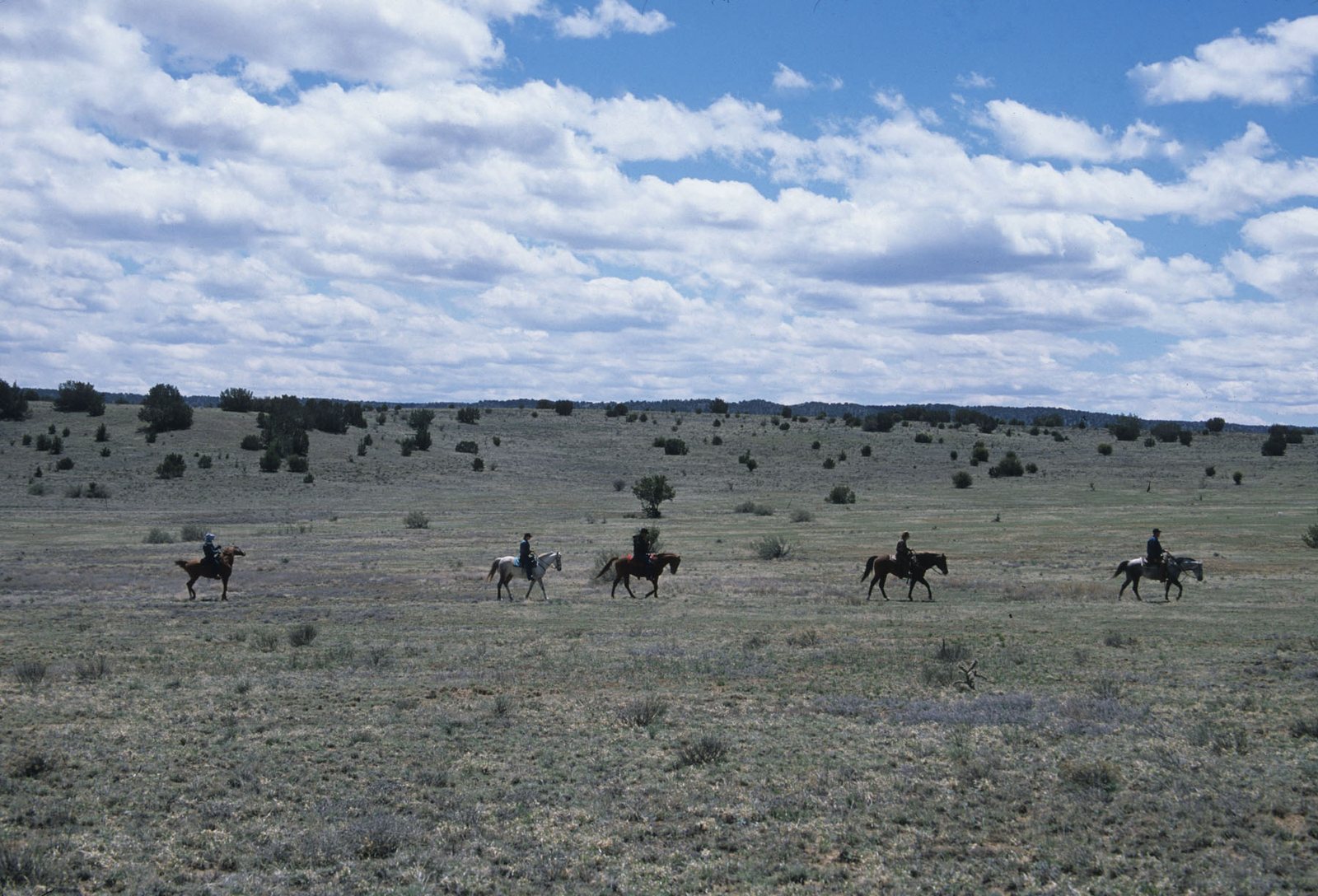
On the night of November 1, 1942, four German internees escaped and headed south, prompting a broad search involving police in New Mexico, Texas, and Mexico. Two days later, a rancher serving with a posse spotted them while guarding a canyon and alerted the main search party, a 25-man group led by a deputy sheriff. The posse found the men on a hill in Lincoln National Forest, about 14 miles south of the camp. One was wounded by gunfire during their capture, and all four were returned to Fort Stanton.
Historic preservation
Fort Stanton joined the National Register of Historic Places in 1973 and became a New Mexico Historic Site in 2007. In 2009, Congress established the Fort Stanton–Snowy River Cave National Conservation Area, a federally protected landscape managed by the Bureau of Land Management’s Roswell Field Office. It encompasses more than 25,000 acres around the fort and cave and was intended to protect a National Natural Landmark within the cave. In 2019, the hospital museum expanded its exhibits to cover the pre-Civil War era and the Indian Wars.
Remains
Fort buildings
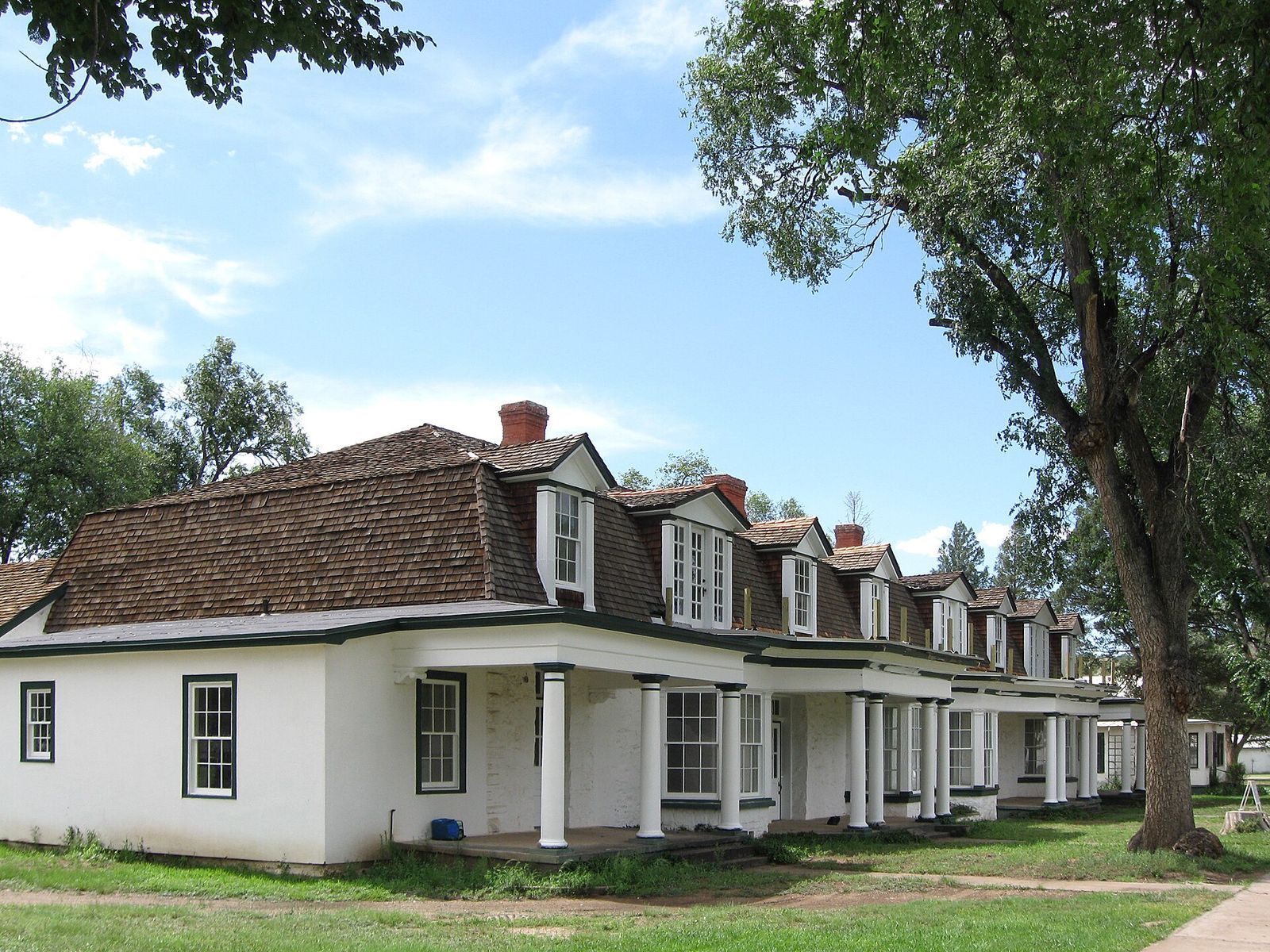
The historic area covers 195 acres and includes buildings in Colonial Revival and Mission/Spanish Revival styles. Its surviving complex brings together military, residential, service, and hospital-era structures.
Military and service buildings
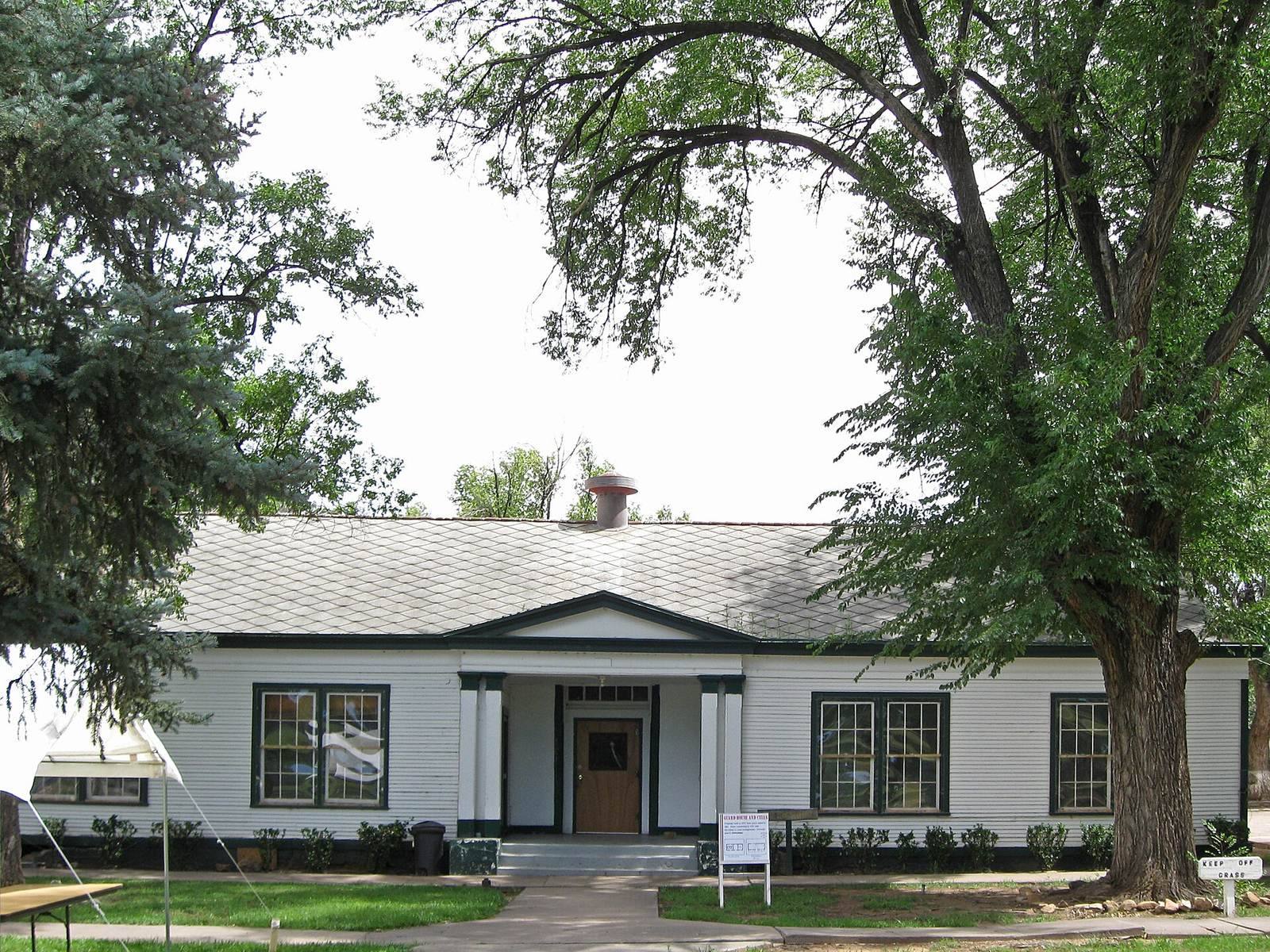
Buildings at the fort include the adjutant’s office, which supported military administration, as well as a library, guardhouse, headquarters, officers’ quarters, and stables.
Building No. 9
Building No. 9 stands within the Fort Stanton Quadrangle, a courtyard enclosed by buildings. Members of the National Speleological Society’s Southwestern Region restored its second-floor balcony in 2012.
Later-use buildings
In 2019, the Hidalgo Building was adapted as a volunteer dormitory, restoration work began on the historic schoolhouse, and an original tuberculosis hut was restored.
Cave and surrounding landscape
Fort Stanton Cave contains the Snowy River Passage, discovered in 2001 by members of the Fort Stanton Cave Study Project. The National Conservation Area meets the Smokey Bear Ranger District of Lincoln National Forest along its southern and northeastern boundaries.