Fort Oranje: Historic Fortification in Kralendijk, Bonaire


Site at a Glance
- Rating
- 4.5
- Popularity
- Very Low
- Country
- Bonaire, Sint Eustatius and Saba
- Primary era
- Early Modern
- External website
- Open
- Eras represented
- Early Modern, Modern
- Civilizations
- Dutch
- Site type
- Military
- Remains
- Fort
On this page7 sections
History
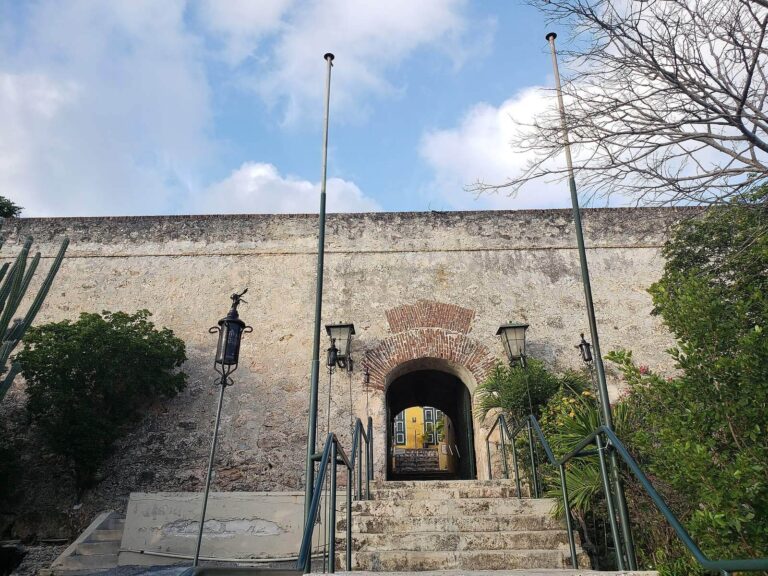
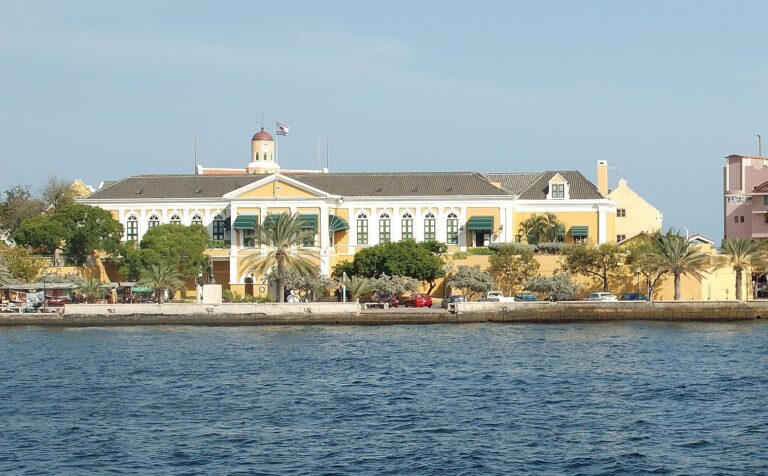
Fort Oranje is a small stone fortification in Kralendijk, Bonaire, in the Caribbean Netherlands, Netherlands. The Dutch West India Company, a chartered corporation that administered and defended Dutch possessions in the Atlantic world, built the original fort in 1639 after the Netherlands conquered Bonaire. It is described as Bonaire’s oldest building, oldest masonry structure, and first officially constructed stone building.
Dutch Foundation and Reconstruction
The first fort had no name. Its purpose was to defend Kralendijk against enemy forces, although its original Dutch cannons were never used. In 1804, British troops captured the fort without a fight by approaching from its unfortified landward side. No battle is recorded at the fort.
Bonaire returned to the Netherlands in 1816 after British control from 1804 to 1816, and the fort was reconstructed that year. It received the name Fort Oranje at this time, referring to the House of Orange, the Dutch royal dynasty. The fort remained the headquarters of the Commander of Bonaire until 1837. The Commander was the island’s colonial administrative and military official.
Changing Civic Functions
During the twentieth century, Fort Oranje served at different times as a prison, fire station, police station, museum, and office of the Public Prosecution Service. The Public Prosecution Service used the building until 2011. It was later used by the harbour authority and the waste-management company. Ownership passed from the Dutch Government to the Island Territory of Bonaire in 1974.
Fort Oranje is one of ten fortresses worldwide named after the Dutch House of Orange.
Remains
Fortification and Lighthouse
Fort Oranje occupies approximately 0.308 hectares, or 0.76 acres, in central Kralendijk. The small stone fort is enclosed by walls about 4 metres high. Its original landward side was open, a weakness demonstrated when British troops approached from that direction in 1804.
Walls and Cannons
Four cannons remain associated with the fort. The original Dutch armament was never used, and the present cannons date from the British period, when they replaced the earlier Dutch guns.
Kralendijk Lighthouse
The current Kralendijk Lighthouse is a stone lighthouse built within the fort in 1932. It replaced an earlier wooden lighthouse and forms part of the fort’s surviving physical complex.