Fort Amsterdam, Curaçao: A Dutch Colonial Fort and Government Seat
Site at a Glance
- Country
- Curaçao
- Primary era
- Early Modern
- Eras represented
- Early Modern, Modern
- Civilizations
- British, Dutch
- Site type
- Military
- Remains
- Fort
On this page7 sections
History
Dutch conquest and construction
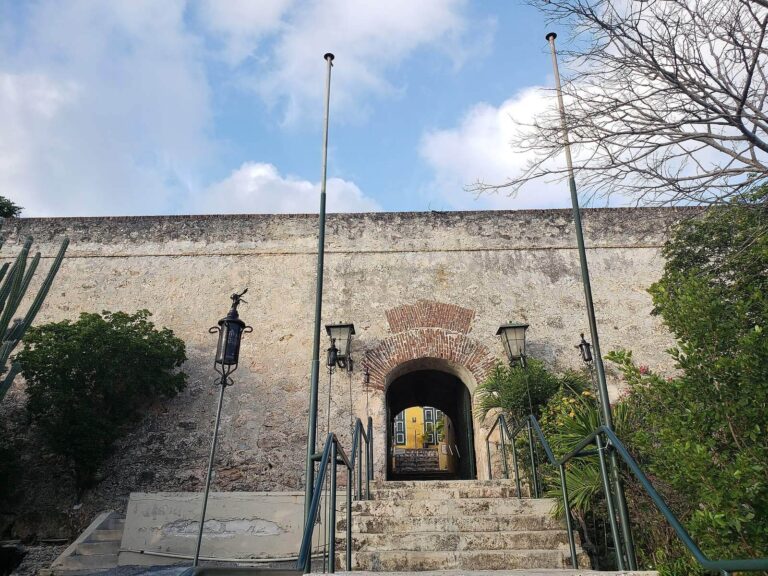
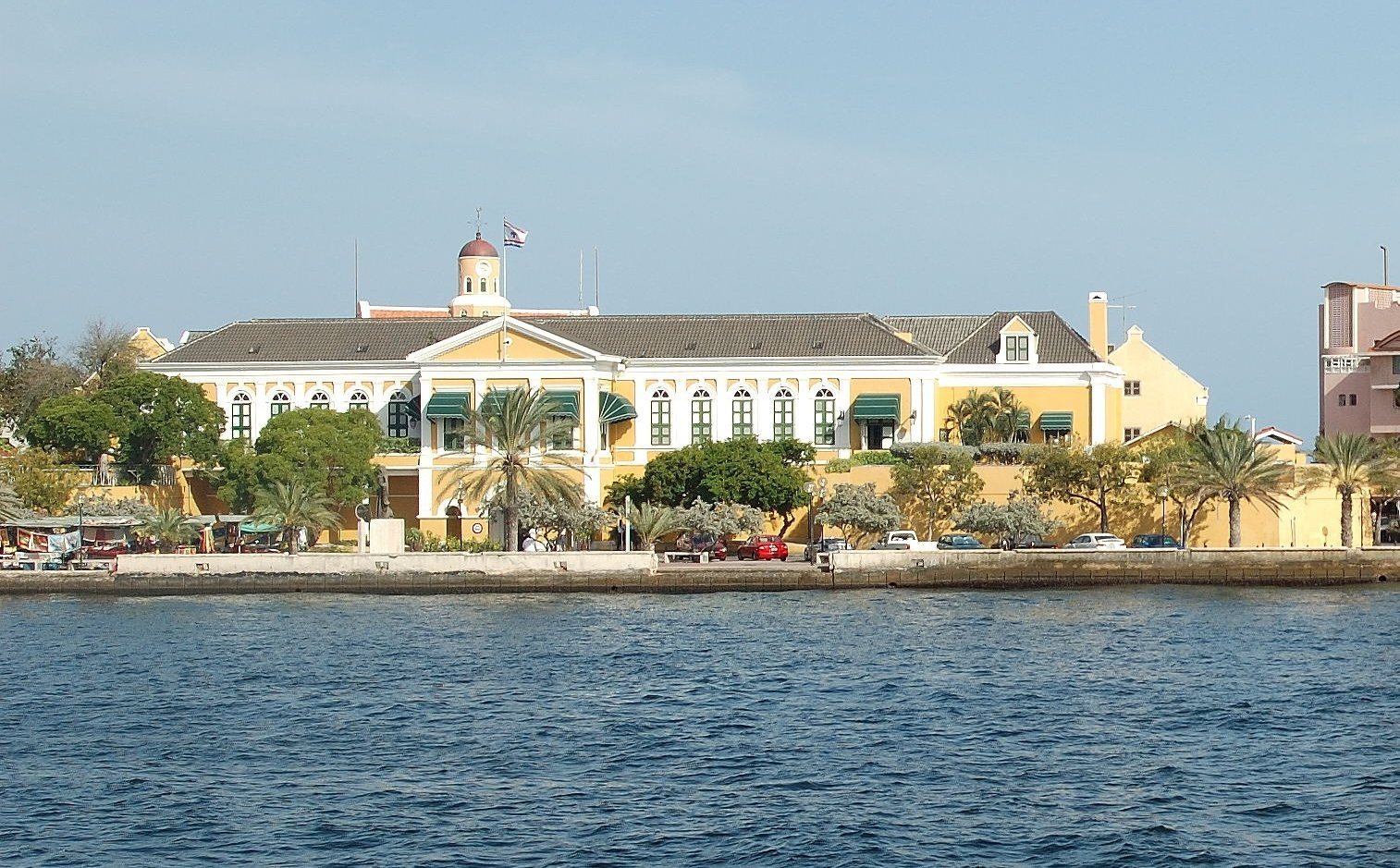
Fort Amsterdam is a Dutch colonial fort at the mouth of Sint Anna Bay in Willemstad, Curaçao. The Dutch West India Company, a chartered trading company active in Atlantic and Caribbean colonial ventures, chose Curaçao for an outpost while the island belonged to Spain. In 1634, Dutch admiral Johannes van Walbeeck landed with 200 soldiers and fought the island’s 32 Spanish troops. The Spanish force surrendered on 21 August, after three weeks of resistance.
Van Walbeeck ordered the fort’s construction in 1634. Dutch soldiers and enslaved people from Angola carried out the work, which was completed in 1635 or 1636; the fort was inaugurated in 1636. From the beginning, it served both as a military stronghold and as the company’s headquarters. Its name came from the company’s Amsterdam chamber, and it was the principal fort among the island’s eight.
Food and drinking water were scarce inside the fort, and the soldiers came close to mutiny. Increased pay and improved food rations averted the crisis. Most of the population moved into the fort, while Willemstad gradually grew outside it.
British capture in 1804
In February 1804, a small British naval squadron led by Captain John Bligh of HMS Theseus captured the fort.
The 1929 raid and the fort today
On 8 June 1929, Venezuelan rebel Rafael Simón Urbina and about 250 men seized the fort and took weapons, ammunition, and the island’s treasury. They captured Governor Leonard Albert Fruytier and carried him to Venezuela aboard the seized American ship Maracaibo. In response, the Dutch government decided to station marines and ships permanently on the island.
The fort remains a seat of Curaçao’s government and governor. It forms part of the Historic Area of Willemstad, Inner City and Harbour, Curaçao, recognized by UNESCO, the United Nations Educational, Scientific and Cultural Organization, as a World Heritage site for its outstanding universal value.
Remains
Fort layout and defenses
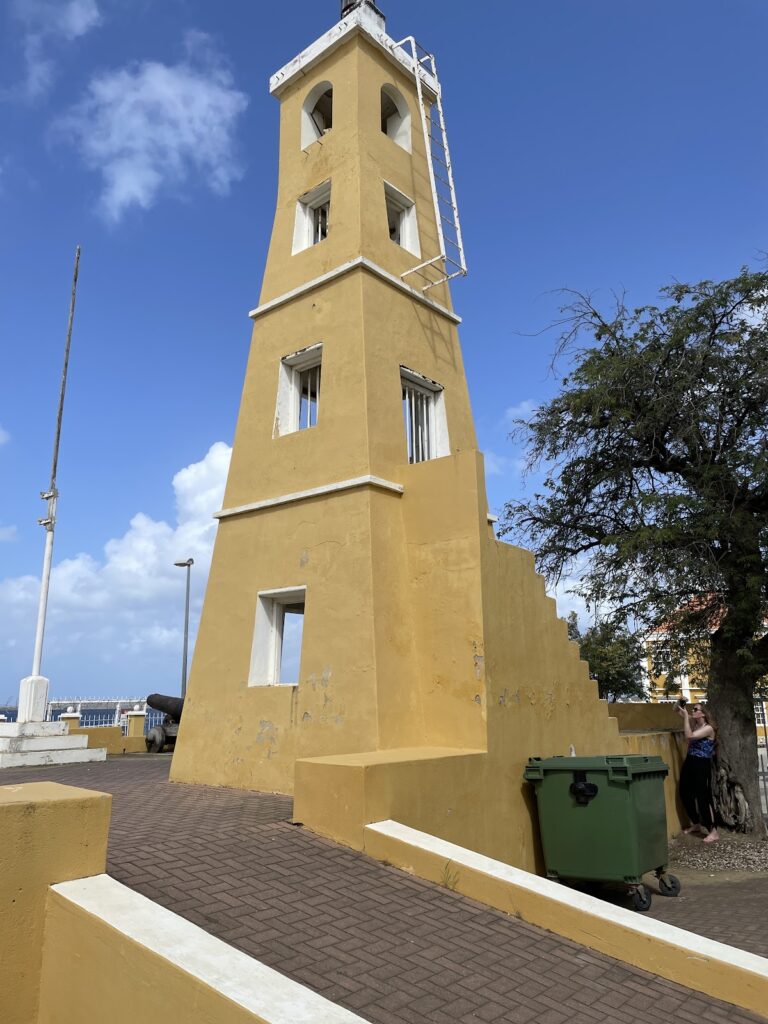
At the mouth of Sint Anna Bay, the fort’s defensive plan included walls designed to be three metres thick and five bastions, projecting platforms for defense. Four bastions were built. Cannons were positioned mainly to face the sea.
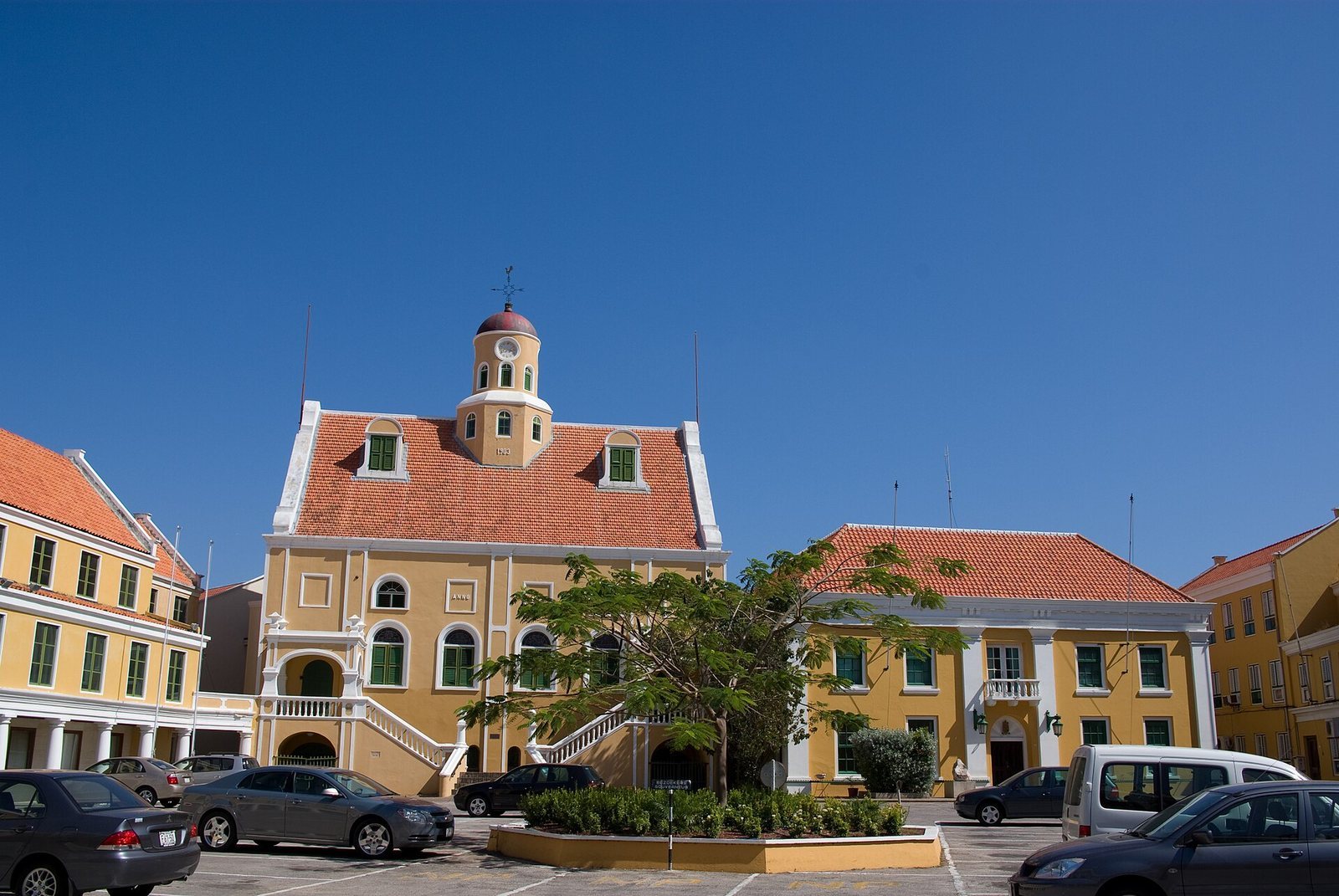
Fort Church
Fort Church is part of the fort. A cannonball fired by Captain Bligh in 1804 remains embedded in the church’s southwestern wall. The Dutch Reformed Church is among the fort’s current occupants. Fort Church houses some government offices and a museum of the Protestant community.