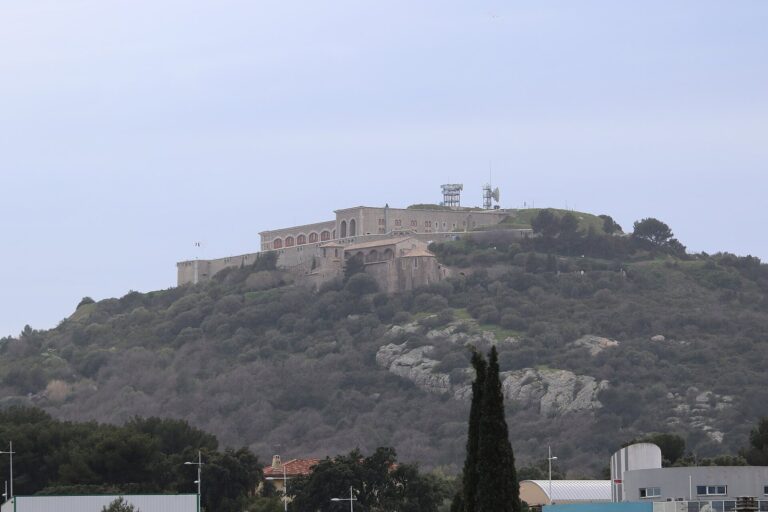
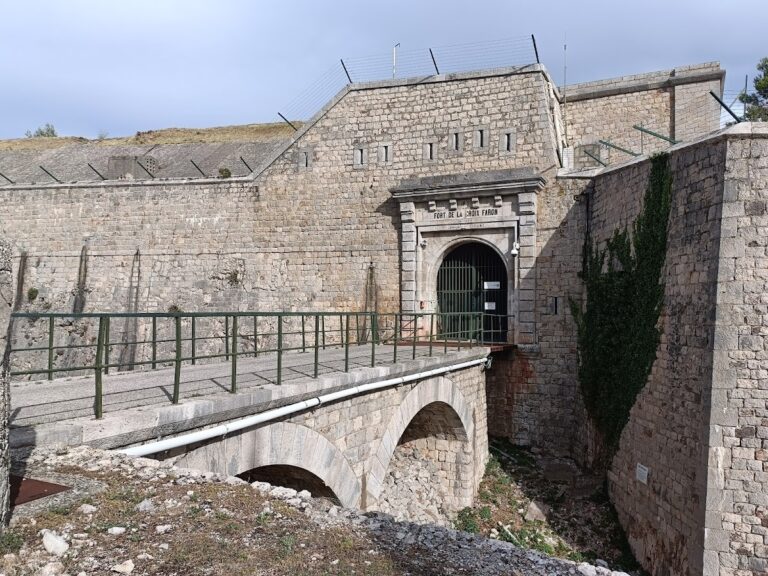
Fort de l’Éguillette: A Coastal Fort Protecting Toulon
Site at a Glance
- Popularity
- Medium
- Country
- France
- Primary era
- Early Modern
- Eras represented
- Early Modern, Modern
- Civilizations
- French
- Site type
- Military
- Remains
- Fort
History
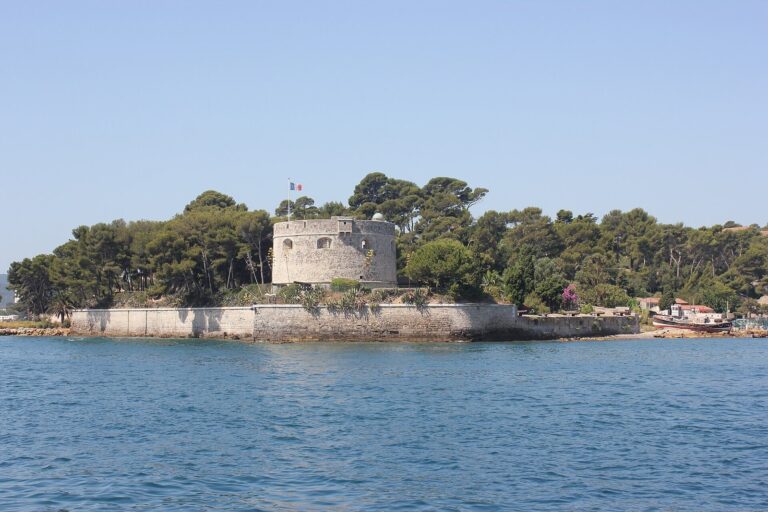
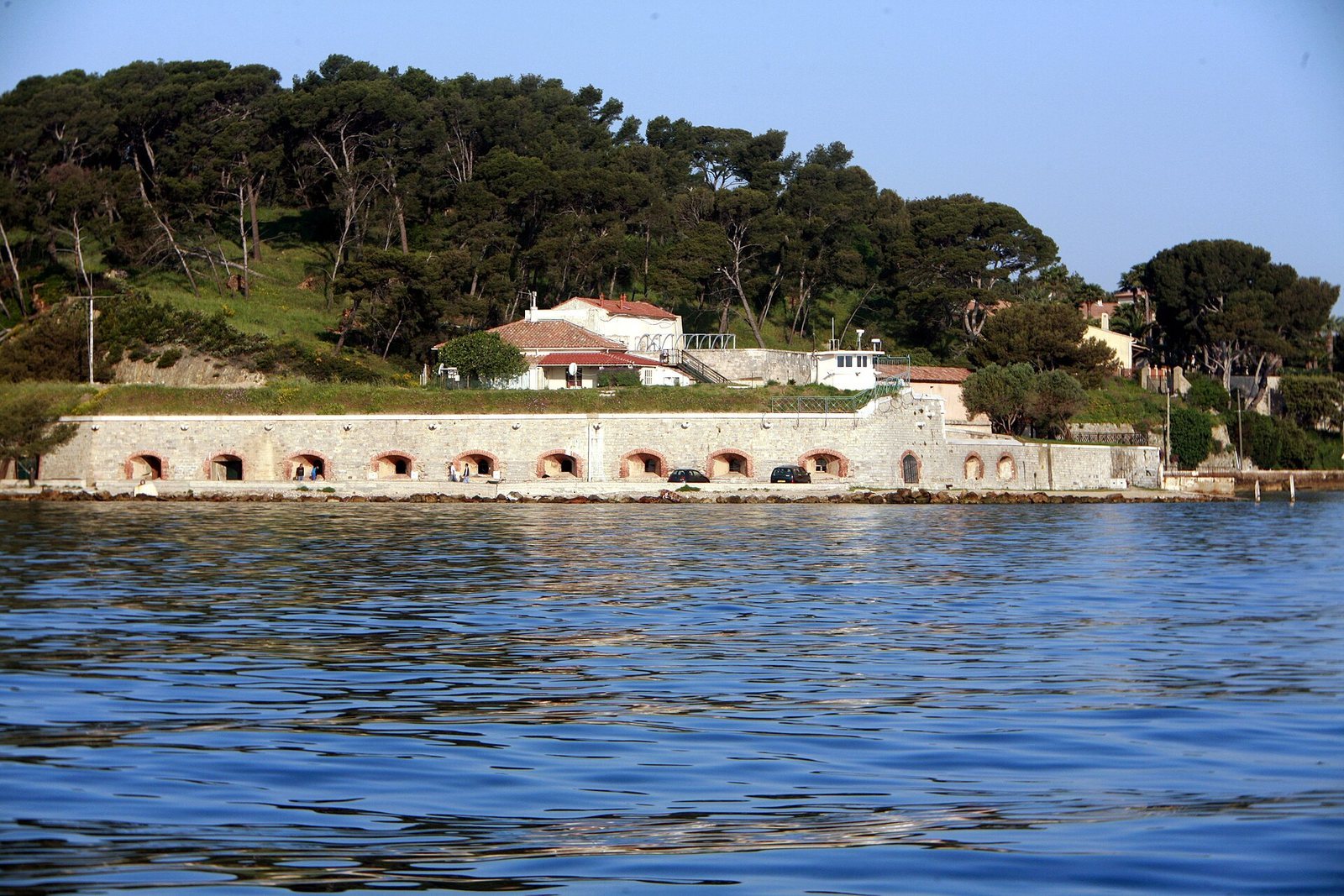
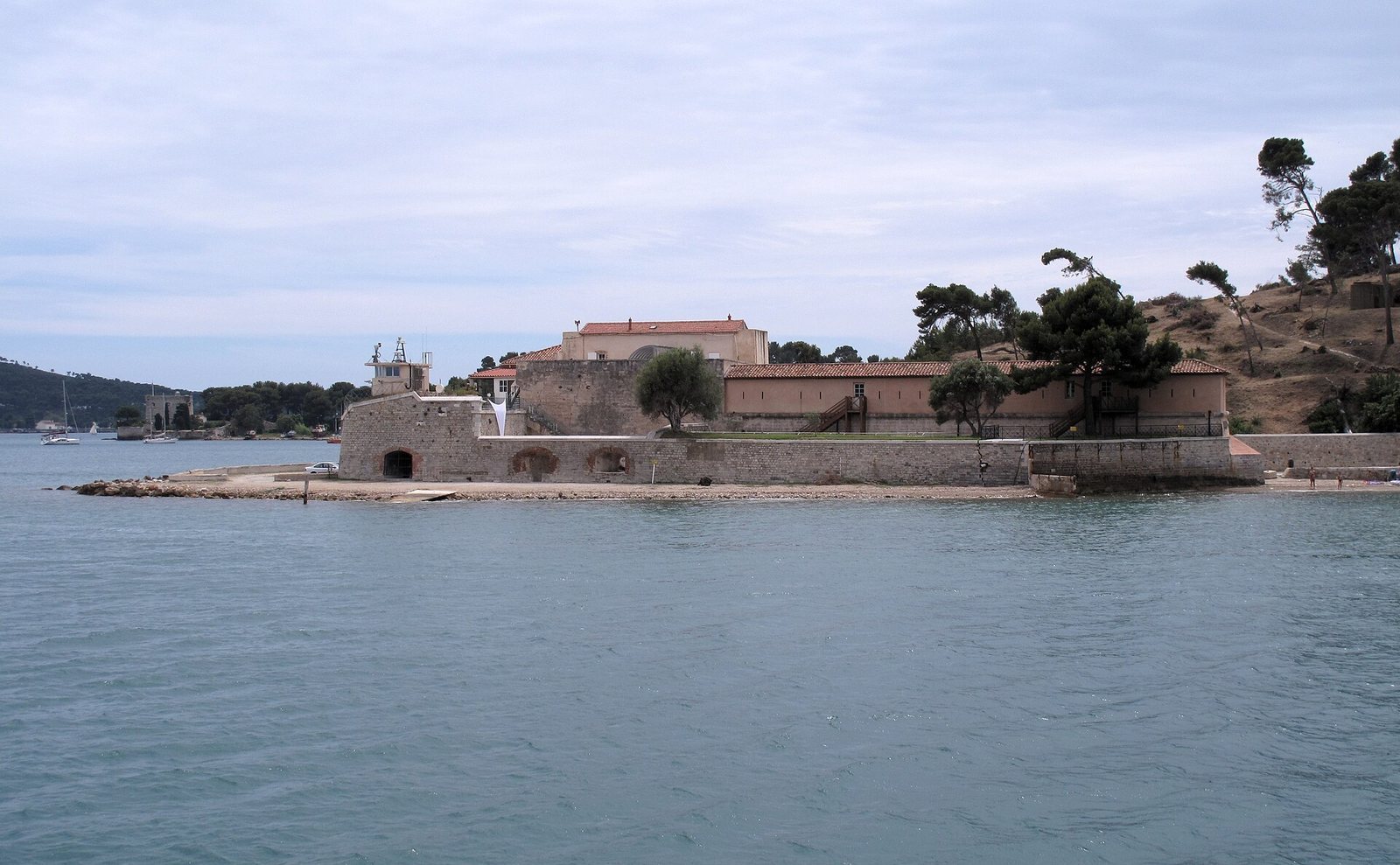
Fort de l’Éguillette is a coastal fort in La Seyne-sur-Mer, France. Built between 1674 and 1685, it formed part of the defenses intended to protect Toulon’s roadstead, a sheltered area of water where ships could anchor, from enemy vessels and to guard the La Seyne shoreline. Its name is thought to derive from the Provençal word ayguade, meaning a freshwater supply point for ships.
On 5 February 1877, the fort was declassified and subsequently used as barracks for Marine infantry, part of the naval establishment whose personnel served overseas and in colonial roles. On 10 August 1924, it passed to the French Navy and became a site for workshops and stores supporting underwater defenses.
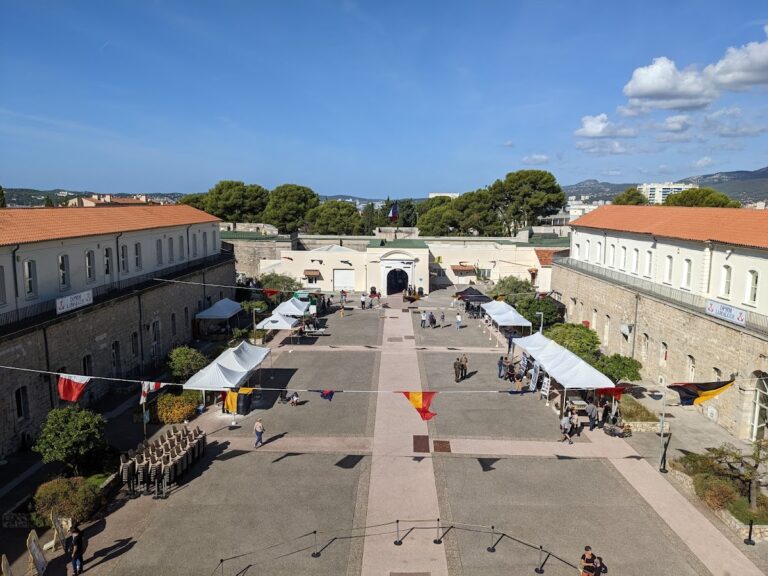
A major restoration began in 1997. The fort remains French Navy property and is now used for exhibitions and cultural events.
Remains
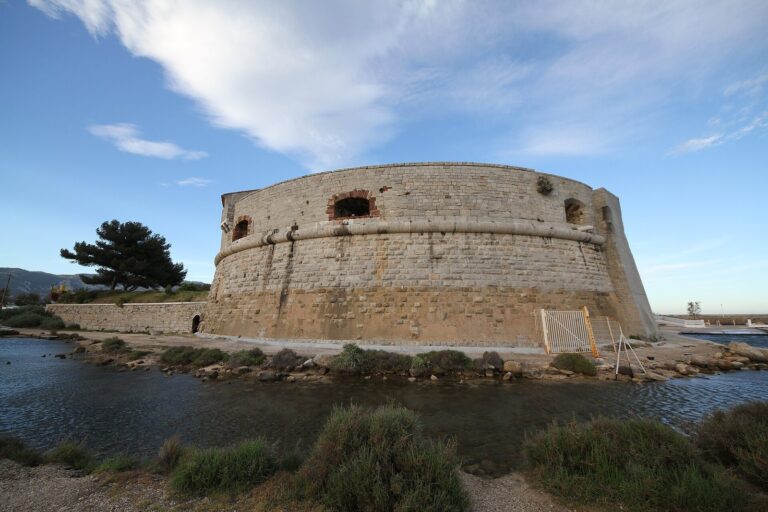
The fort has a square plan, with a tower and two oblique wings. The wings originally had open-air defensive walls and embrasures, openings through which guns could fire, and together carried 22 guns. As a low battery, a position designed to fire on a relatively level trajectory, it was intended to strike the wooden hulls of ships. During the mid-nineteenth century, artillery advances led to changes in the batteries. The left battery was enclosed in casemates, protected gun positions, while the right was filled in because an enemy holding the fort could otherwise fire from it on the arsenal. In 1775, the fort had a furnace for heating cannonballs.