Fort de Balaguier: A Coastal Defense Fort at La Seyne-sur-Mer
Site at a Glance
- Popularity
- Medium
- Country
- France
- Primary era
- Early Modern
- Eras represented
- Early Modern, Modern
- Civilizations
- French
- Site type
- Military
- Remains
- Fort
On this page4 sections
History
Foundation and coastal defense
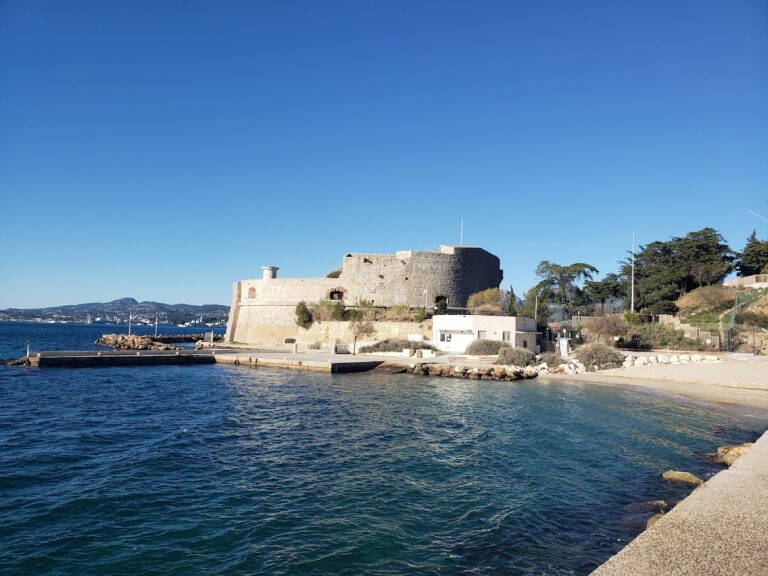
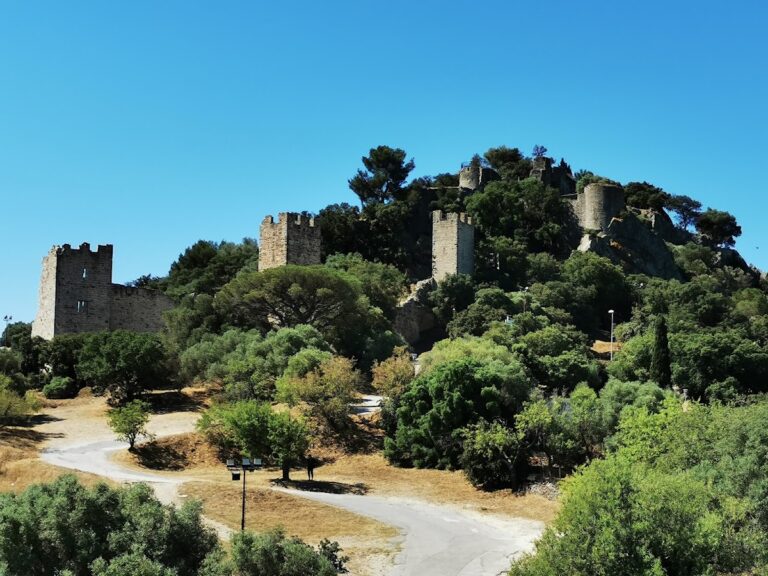
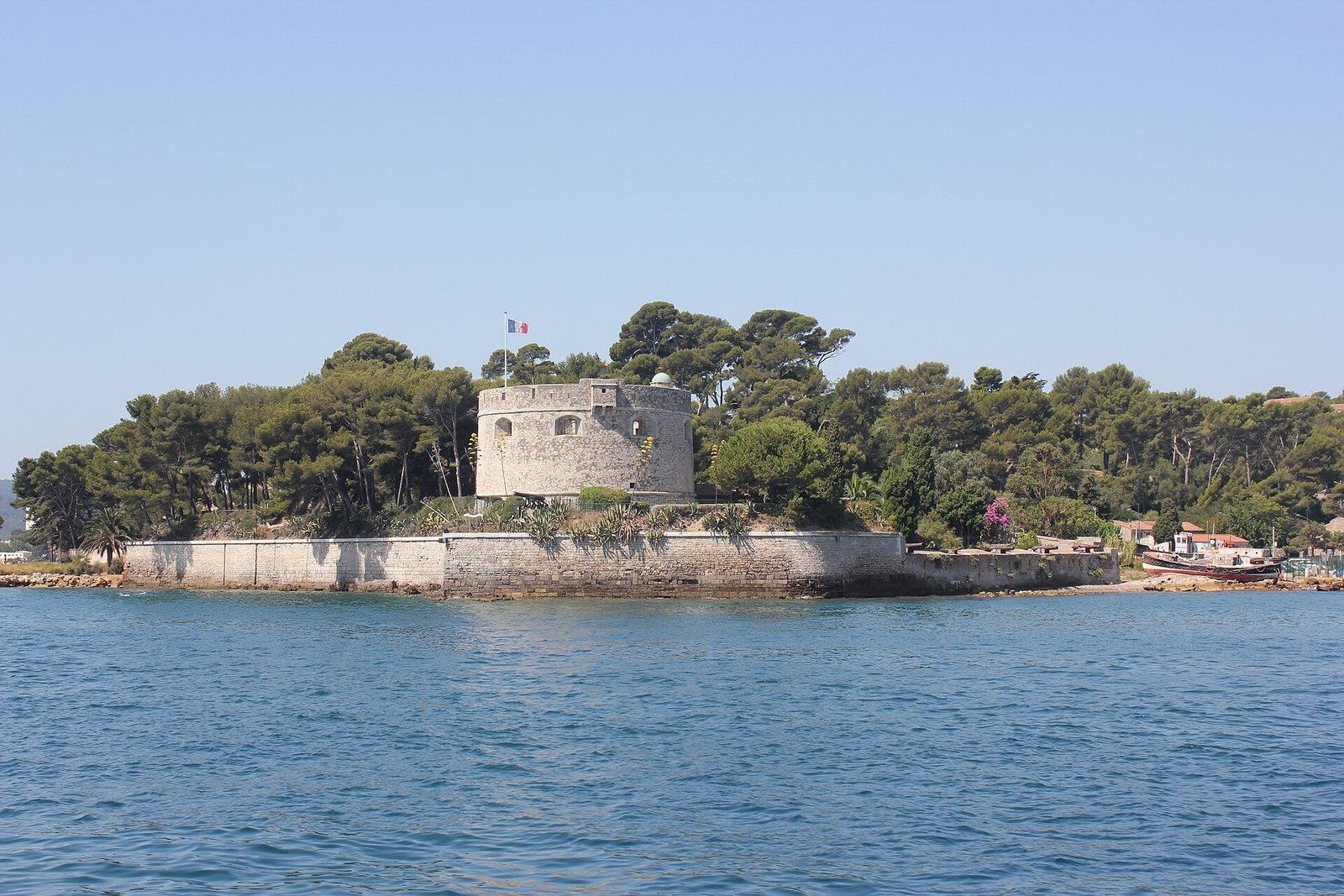
Fort de Balaguier, at Pointe de Balaguier in La Seyne-sur-Mer, France, was built in 1636 to defend Toulon’s anchorage. Construction followed a coastal inspection by Henri de Séguiran, a Provençal magistrate and naval official who presided over the regional high court called the Parliament of Provence. The project responded to the Habsburg dynasty’s hostile ambitions in the Mediterranean.
The fort formed part of a broader coastal-defense effort associated with Cardinal Richelieu, chief minister to King Louis XIII and holder of the senior naval office of grand master of navigation. That effort also included defensive towers along the Provençal coast, from Antibes to the Île des Embiez and through the Hyères Islands. Balaguier and the Tour Royale guarded the entrance to Toulon’s small anchorage, which the Tour Royale alone could not adequately protect. The forts stood 1,350 metres apart, while effective artillery range was about 1,000 metres.
In 1673, before war with the Dutch, naval engineer Gombert revised the fort’s defenses. During inspections in 1679 and 1700, the military engineer Vauban judged it vulnerable to a surprise attack from land and proposed improvements that were never carried out.
The fort in the 1793 campaign
After Toulon surrendered to British forces in 1793, Republican troops under General Bonaparte, later Napoleon I, fought fierce battles with the British at Balaguier. Fort de l’Éguillette, across the small bay, also took part in the struggle for the city.
Fort de Balaguier has been listed as a French historic monument since 1975. It is assigned to the French Navy and made available to the city of La Seyne-sur-Mer, which operates a maritime museum in the fort.
Remains
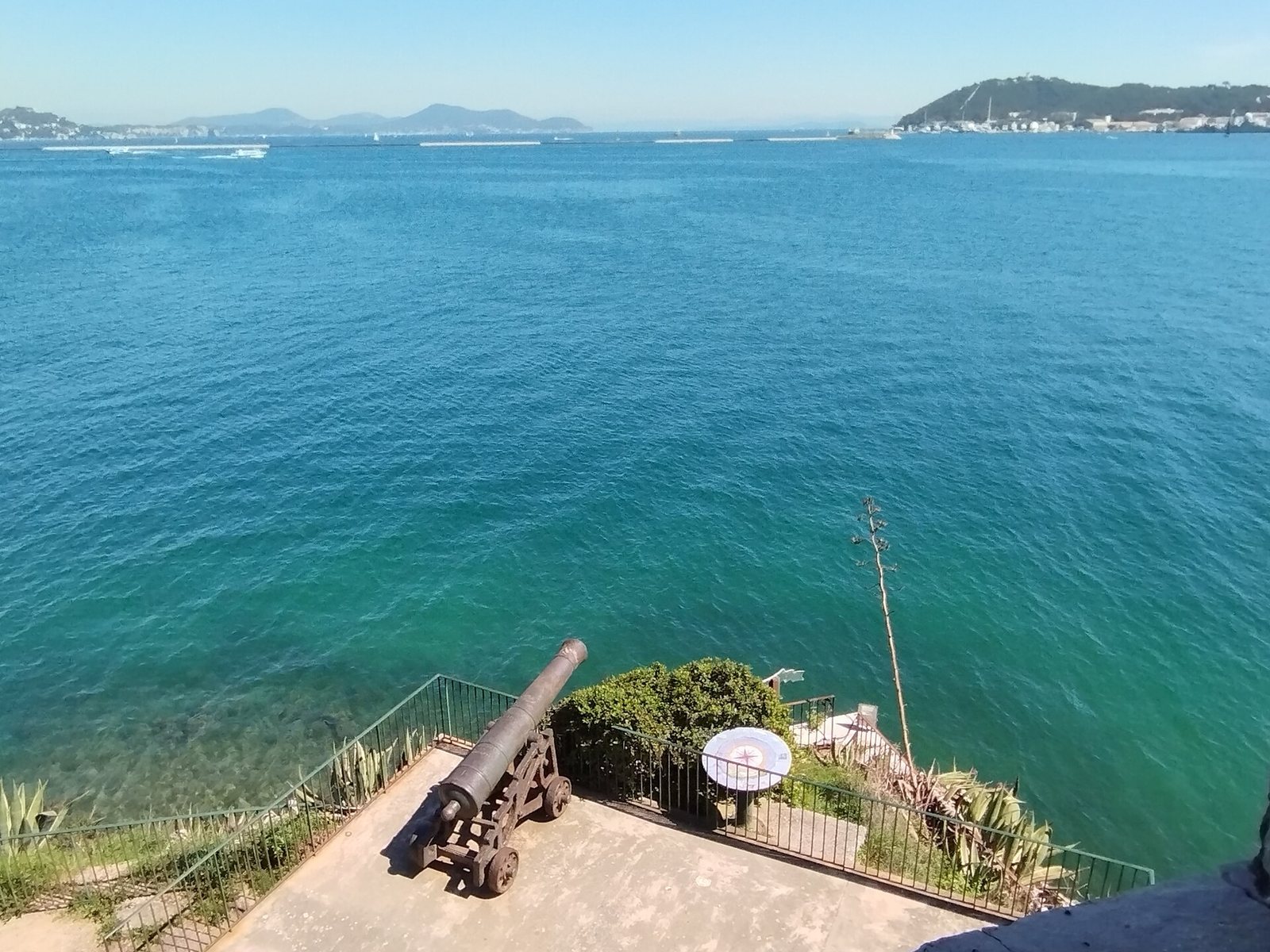
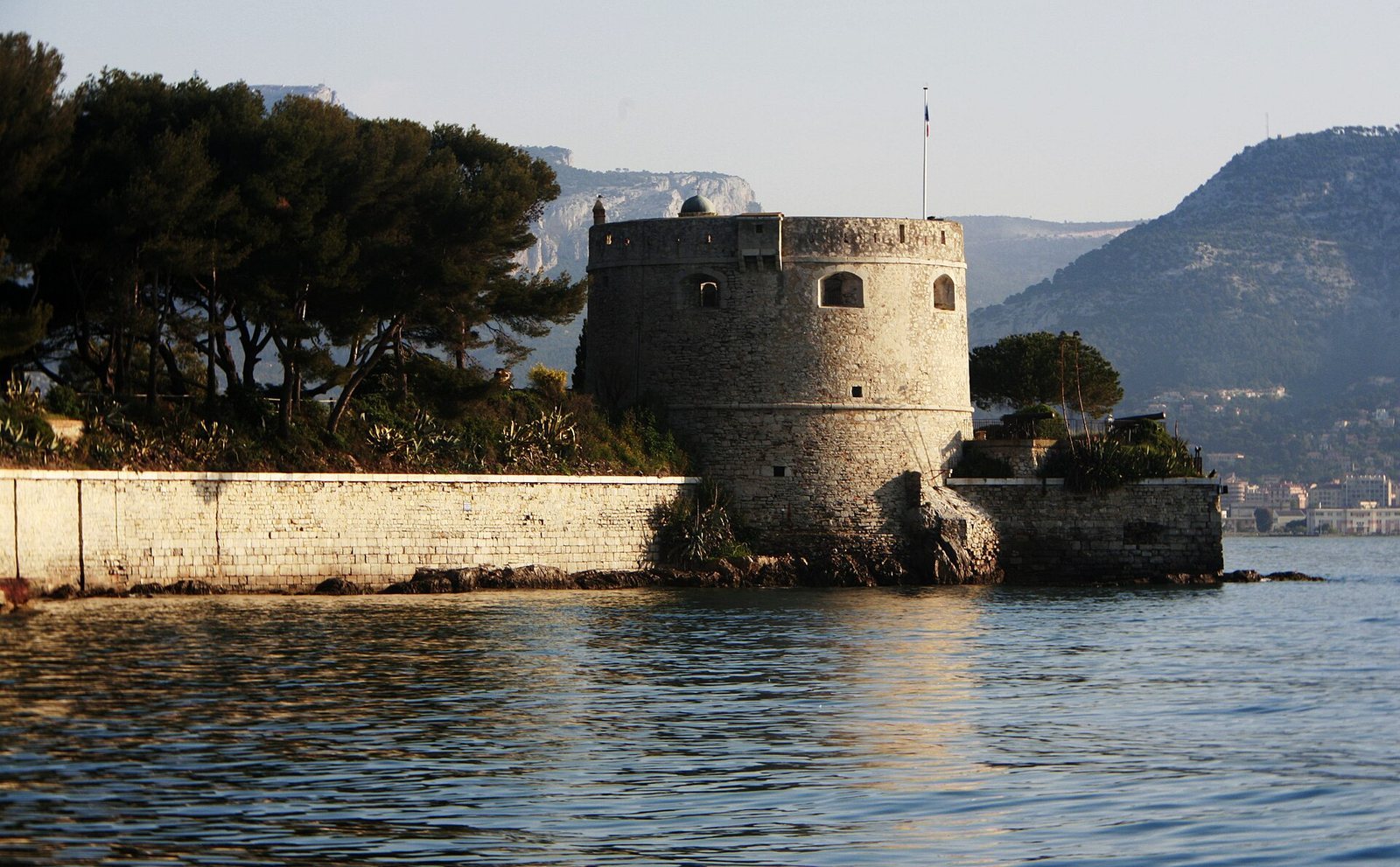
The fort’s defensive works include a tower and an enclosure, together with two open-air gun batteries added in 1673. In the 1846 remodeling, the battery on the right wing was enlarged, and the wing was extended with a substantial earth parapet, a raised protective barrier. Removing the tower was considered as a way to shield battery crews from stone fragments if it were struck, but the proposal was rejected.