Fort d’Hœdic: A Coastal Fortress on Hœdic Island, France
Site at a Glance
- Rating
- 4.1
- Popularity
- Very Low
- Country
- France
- Primary era
- Modern
- External website
- Open
- Eras represented
- Modern
- Civilizations
- French
- Site type
- Military
- Remains
- Fort
On this page6 sections
History
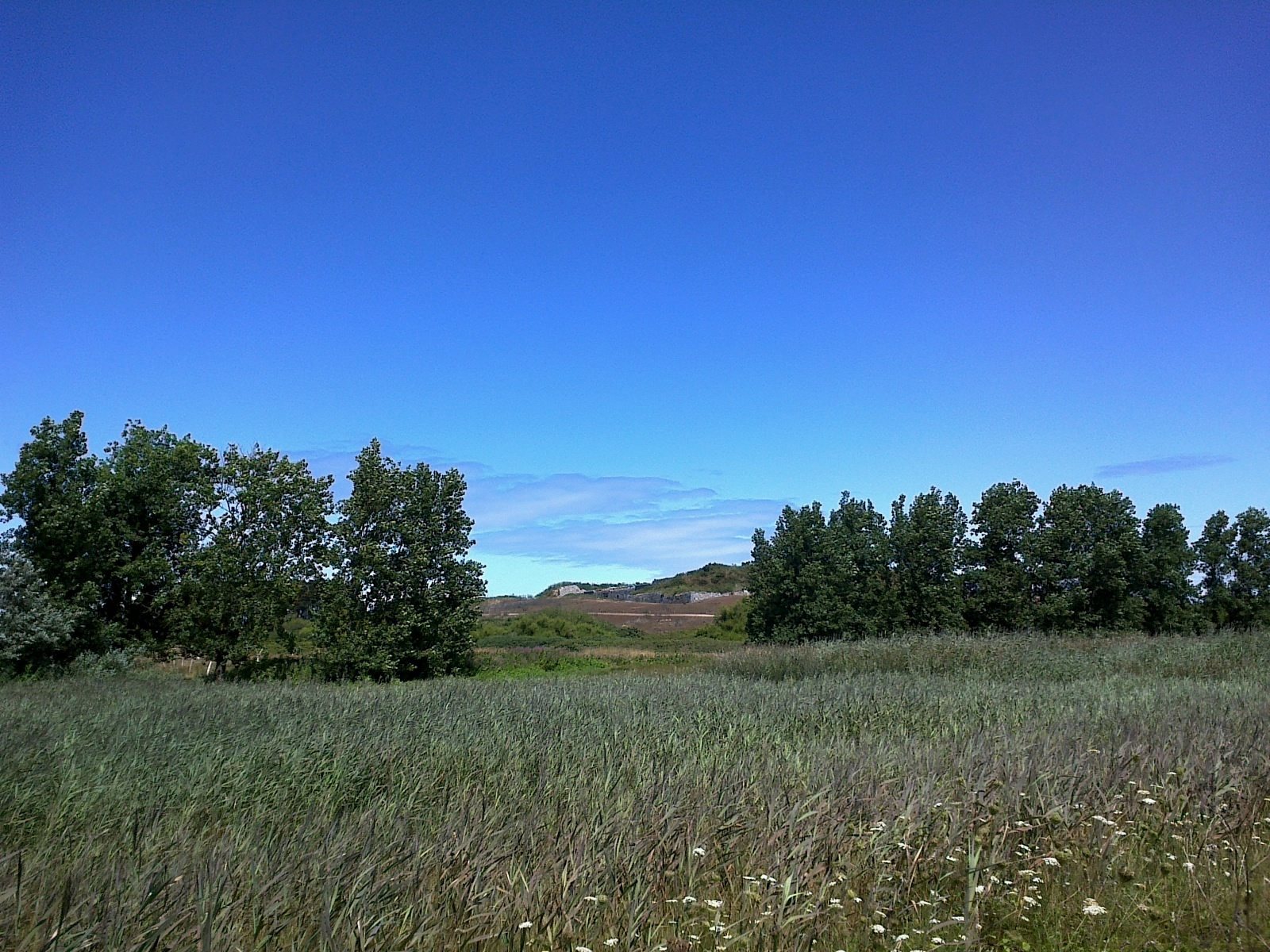
Fort d’Hœdic, also known as Fort Louis-Philippe, is a French fort on Hœdic Island in France, positioned near the island’s center. An initial fort was built there during the fifteenth century, and the site later became a refuge for Hœdic’s civilian population during an English invasion in 1693.
English occupation and royal rebuilding
After using the fort as a refuge, the English occupied it and destroyed it in 1746. Louis XV ordered its immediate reconstruction. The fort was retaken for the last time in 1759, during a period when control of the island remained tied to wider military struggles between France and England.
Nineteenth- and twentieth-century reuse
The fort was reconstructed between 1847 and 1853, but the French army never occupied it. It was abandoned in 1874. In 1881, the municipality established the communal public school in its buildings. The site was purchased in 1892 and converted into an iodine factory, where iodine was produced by burning seaweed. This industrial use continued until 1931.
A German anti-aircraft battery, a group of weapons and related installations for defense against aircraft, was installed at the fort in 1942. The Conservatoire du littoral, a French public institution that acquires and protects coastal landscapes and sites, purchased it in 1979. During the final decades of the twentieth century, one wing was converted into a stopover lodge. Fort d’Hœdic was listed as a historic monument, a French national heritage status for sites of historical or architectural importance, by an order dated 30 October 2000.
Remains
Fortifications and layout
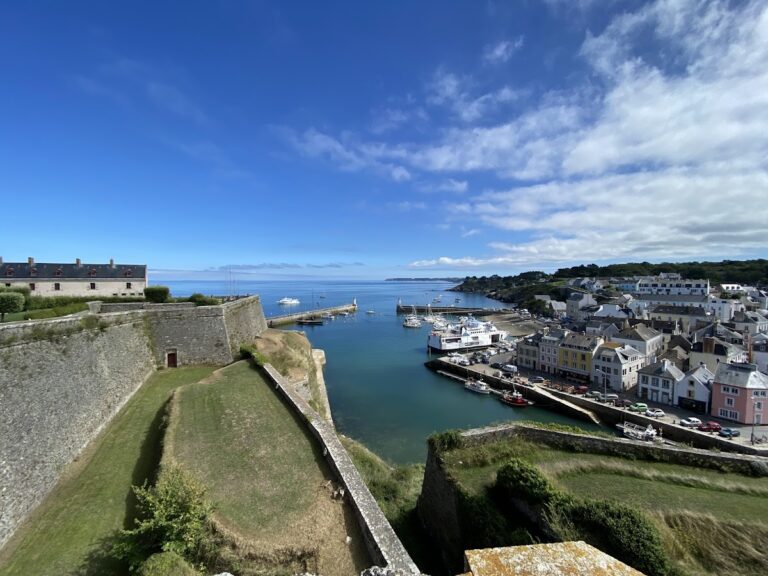
Built on a small eminence, Fort d’Hœdic has a roughly trapezoidal plan. Four small bastions, projecting fortifications that allow defenders to cover the faces of surrounding walls, occupy the corners. A ditch completely encircles the fort, and a drawbridge provides access across this defensive channel.
Interior buildings
Within the fort stands a three-storey barracks, accompanied by a broad terrace. These surviving elements form the principal interior features of the reconstructed fortress and reflect its organization as a compact enclosed military site.