Fort Apollonia: A Coastal Trading Fort in Ghana
Site at a Glance
- Popularity
- Medium
- Country
- Ghana
- Primary era
- Early Modern
- Eras represented
- Early Modern
- Civilizations
- British
- Site type
- Military
- Remains
- Fort
On this page7 sections
History
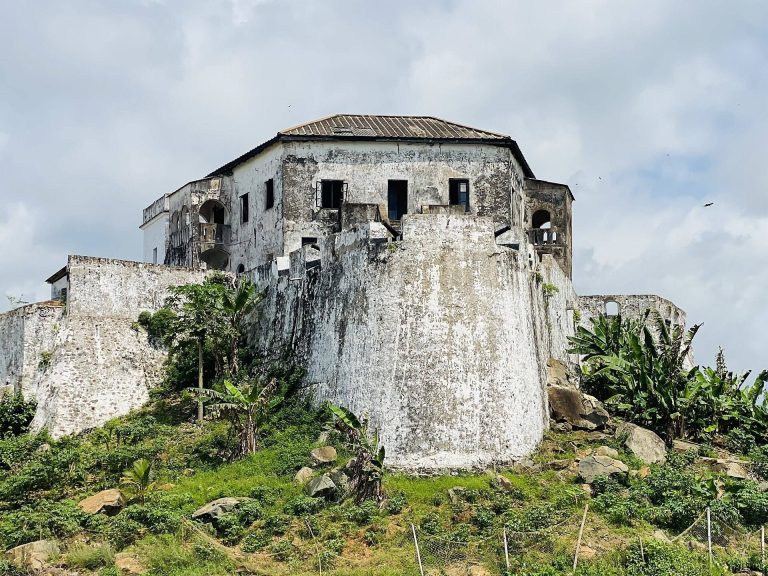
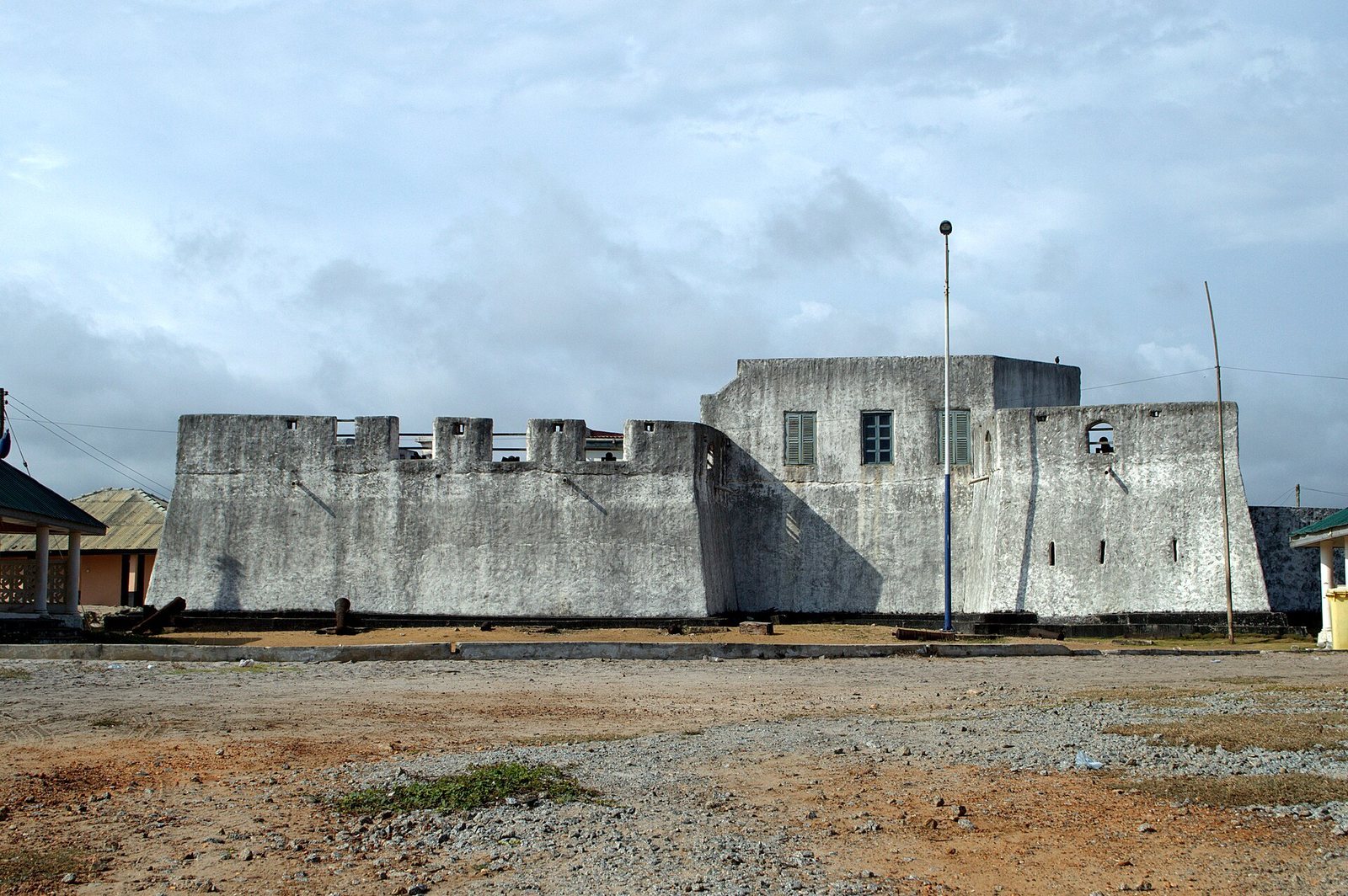
Fort Apollonia is a coastal fort at Beyin, Ghana, fortified by the British between 1768 and 1770. Its history reflects European trading and colonial rule on the Gold Coast, and its association with the colonial period and the Atlantic slave trade forms part of the case for its inclusion in a UNESCO World Heritage property.
Early trading posts and British fortification
A Portuguese explorer named the surrounding region Apollonia after sighting it on February 9, the feast day of Saint Apollonia, an early Christian martyr venerated as a saint. Swedish traders established a post there between 1655 and 1657. It was abandoned after the 1656 Treaty of Butre, an agreement that established Dutch authority in the region.
Britain established a trading post at the site in 1691, seeking a new route into the interior while the Dutch controlled the principal approach through Axim. Building a post on this coast was not an obvious choice: the stretch between the Ankobra and Assini rivers extended for about 140 kilometres and had no harbors, anchorages, or fishing villages. The British fortified the post between 1768 and 1770.
Colonial transfers and changing control
After the abolition of the slave trade, the fort was abandoned in 1819 and reoccupied in 1836. Contemporaries described it as one of the smallest forts on the coast. They also complained that repeated affronts to the British flag by the local chief harmed British prestige.
Britain transferred the fort to the Netherlands in 1868 as part of an exchange of forts. The Dutch renamed it Fort Willem III, after King William III of the Netherlands. Under the 1871 Gold Coast Treaty, the fort returned to British control on April 6, 1872. In 1873, British forces bombarded it during an attack on Beyin, citing the town’s alliance with the Ashanti, a powerful Akan people and state in what is now Ghana. Ghana took control of the fort at independence in 1957.
Restoration and new uses
Before independence, the fort had fallen into advanced disrepair. Its subsequent abandonment was associated with a rejection of European imperialism, an attitude toward colonial heritage preservation maintained by Ghana’s first president, Kwame Nkrumah. The Ghana Museums and Monuments Board restored the fort between 1962 and 1968, following an initiative from Italian partners.
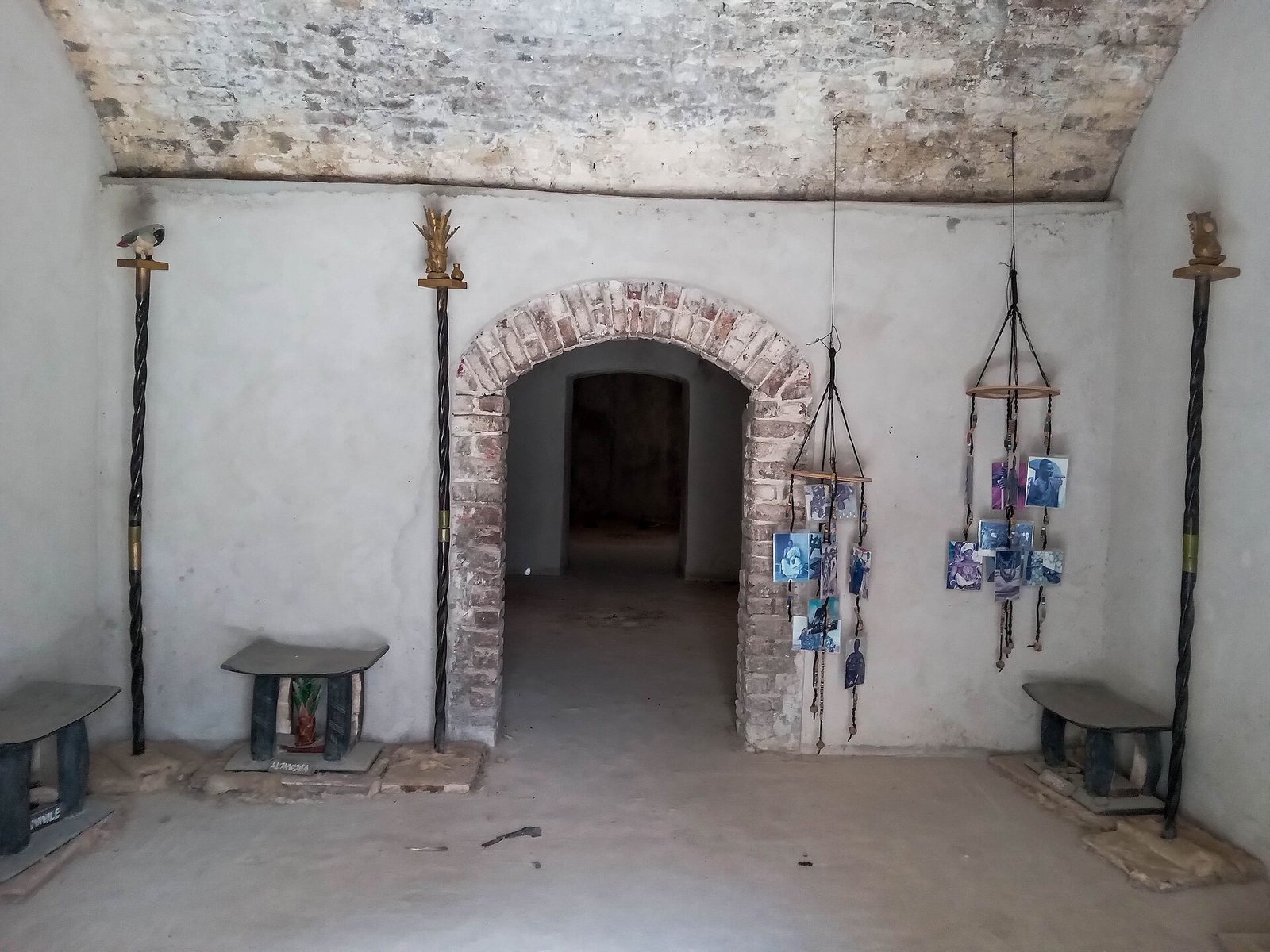
In 1979, Fort Apollonia became part of a UNESCO World Heritage property covering forts and castles in Ghana’s Volta, Greater Accra, Central, and Western regions. Its inclusion relates to the European colonial period and the Atlantic slave trade, under criterion (vi), which applies to places associated with events, traditions, ideas, beliefs, and artistic or literary works of outstanding universal significance. Since 2010, the fort has housed the Museum of Nzema Culture and History. Created through cooperation between the Ghanaian and Italian governments and local Nzema traditional authorities, the museum promotes Nzema precolonial culture and archaeology, preserves traditional medicine, and supports community-linked anthropological research.
Remains
Setting and fort layout
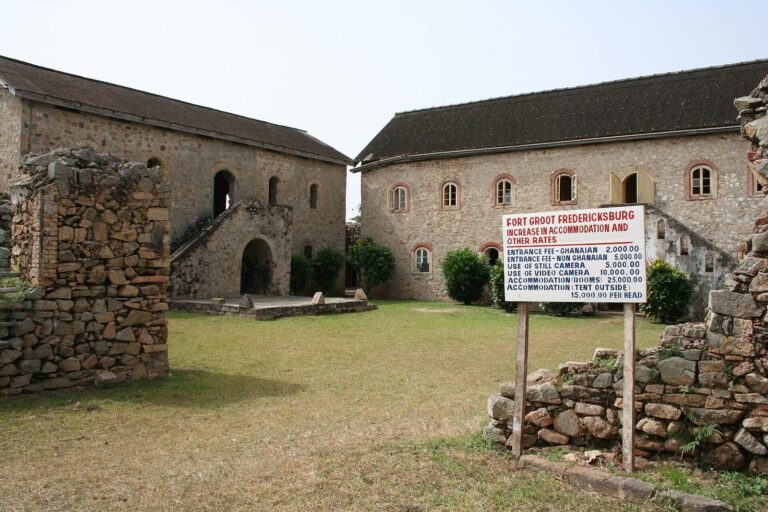
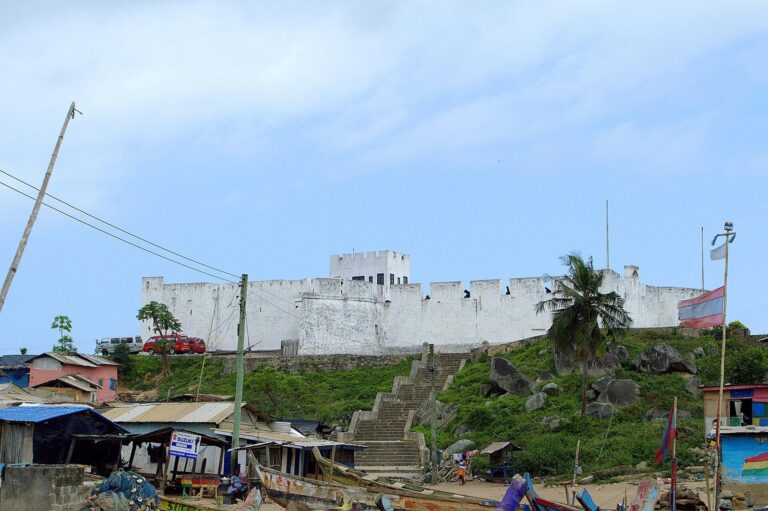
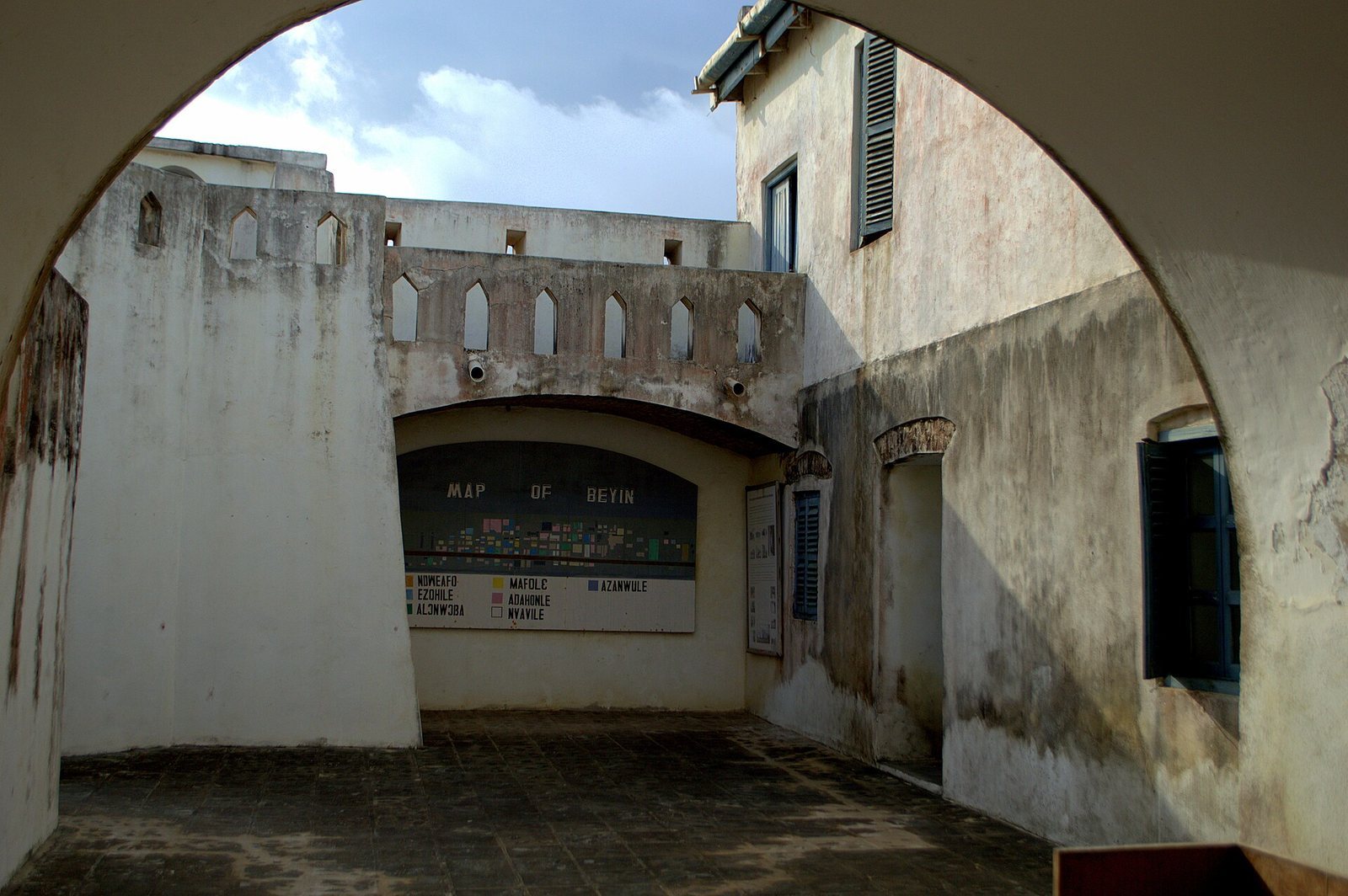
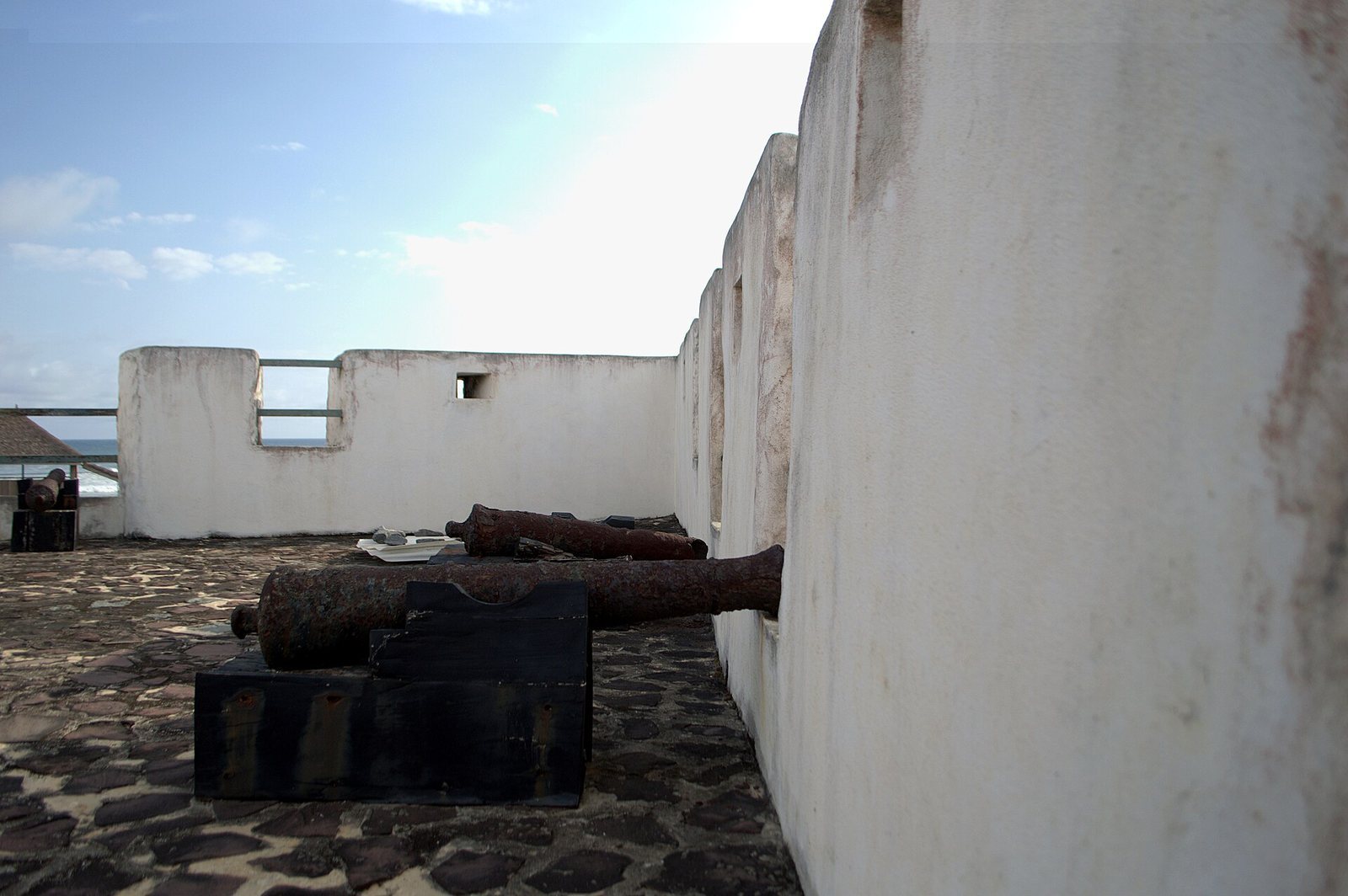
The fort stands on the beach at Beyin and is the westernmost fort on the Gold Coast. Its entrance opens into an inner courtyard, where cannons face the sea. The surrounding terrain is relatively flat and wooded, with small streams. Apollonia Hill lies about six kilometres away, while the freshwater lake known as Nzulezo is about three kilometres from the fort. The lake supplied drinking water and irrigation, as well as food including fish and crocodiles.
Museum collections
The museum displays archaeological objects that include pottery described as characteristic of the Banda district, as well as pottery identified as typical of Nzema.