Fogdö Church: A Medieval Parish and Monastic Church in Sweden
Site at a Glance
- Country
- Sweden
- Primary era
- Medieval
- Eras represented
- Medieval, Early Modern, Modern
- Civilizations
- Swedish
- Site type
- Religious
- Remains
- Church
On this page10 sections
History
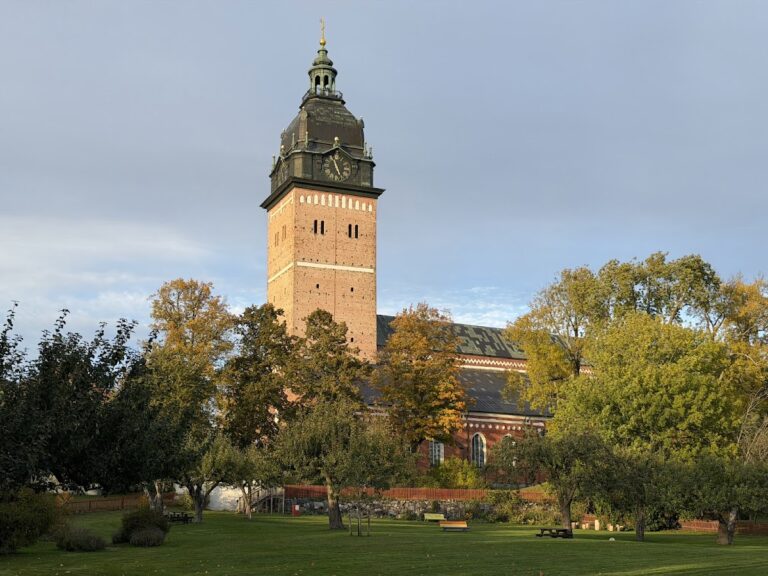
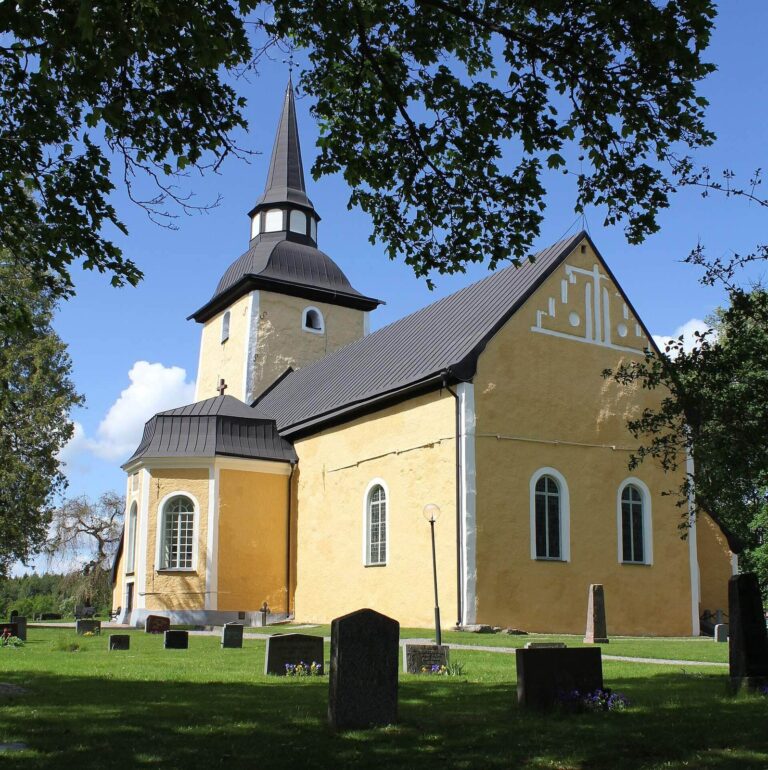
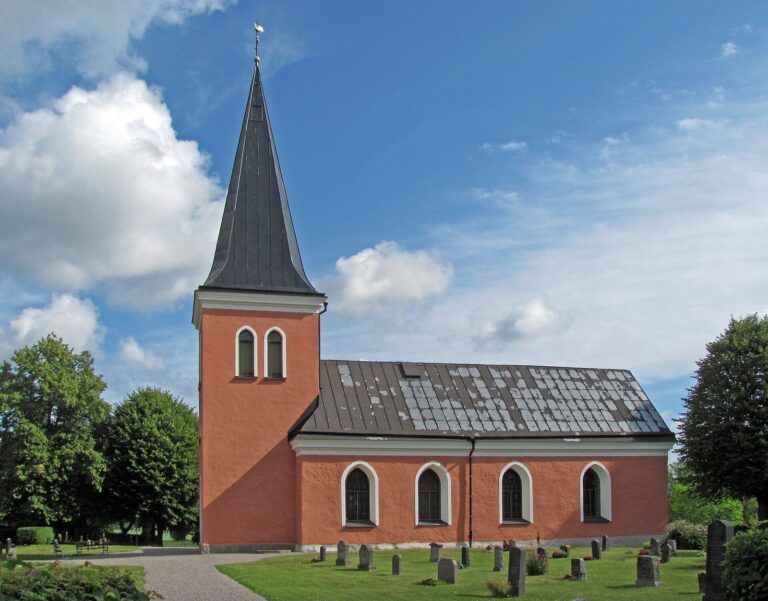
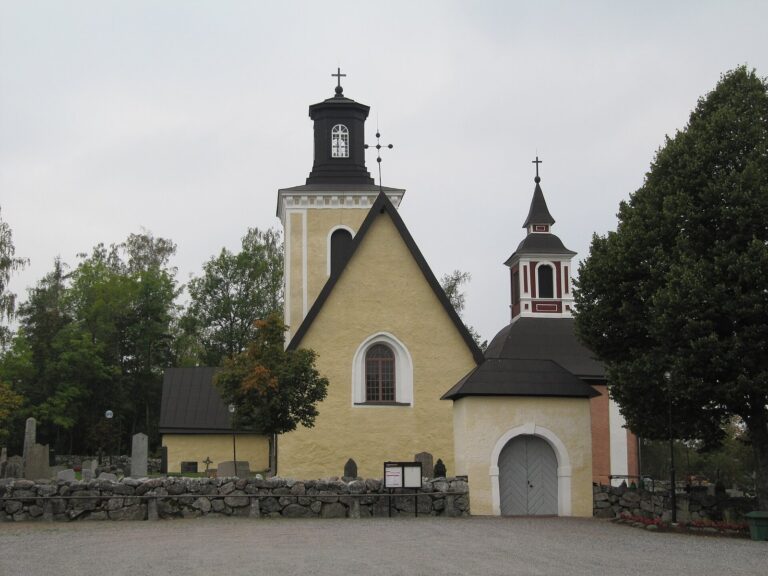
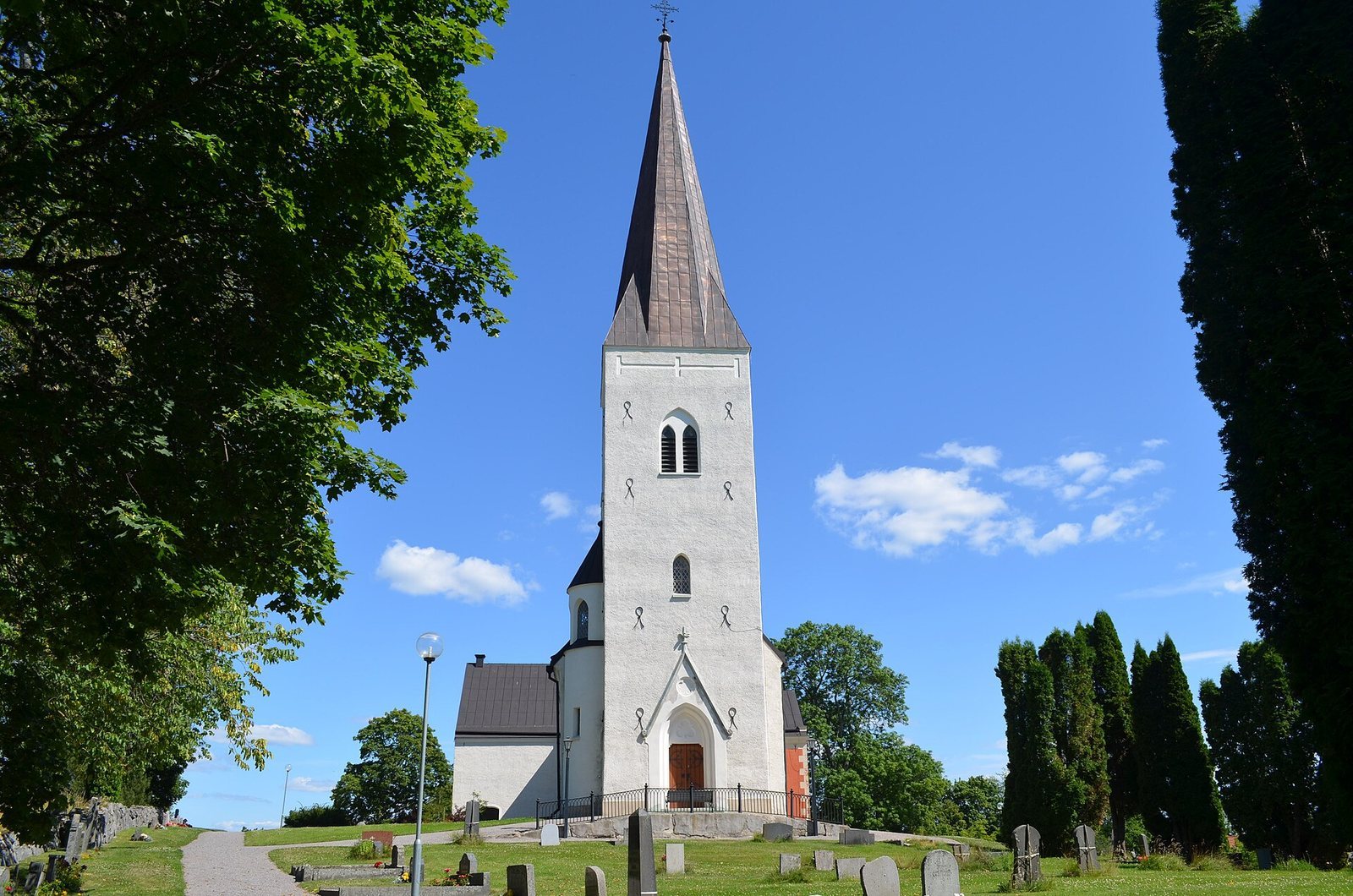
Fogdö Church is a medieval church in Fogdö, Sweden, about 9 kilometres northwest of Strängnäs. Built and consecrated in the 12th century, it served both the local parish and a community of nuns.
Foundation and the nuns
Nuns came to the church during the 12th century and lived together in a religious community connected with it. The church served as their place of worship as well as the parish church.
In the 13th century, the choir, the eastern part used for church services, was enlarged to accommodate the nuns’ choral worship. The community later moved to Kungsberg and the newly built Vårfruberga monastery on the shore of Lake Mälaren. Renovation at Fogdö had reached the choir, but the church and the monastic buildings to its south were abandoned after the move. The church then served only the parish.
Patronage and later church use
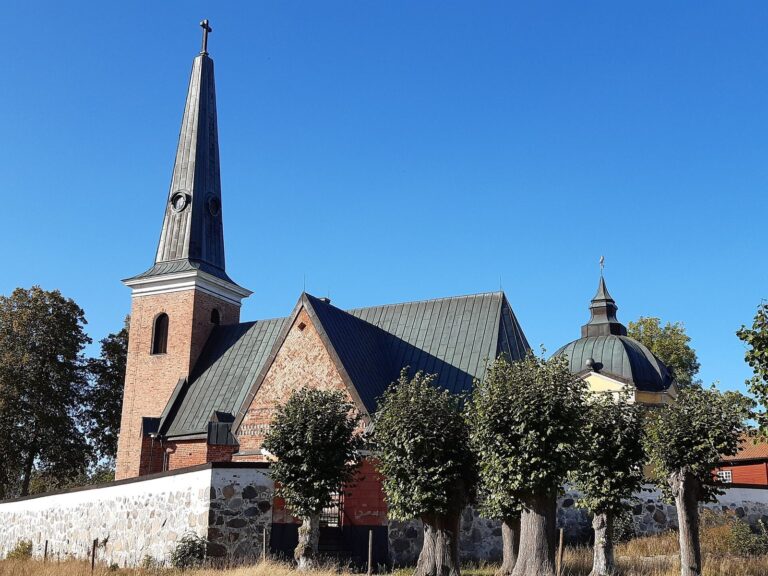
During the 14th and 15th centuries, the Bergshammar and Hesselbyholm estates supported the church’s maintenance and embellishment. In the 17th century, it was enlarged with a burial chapel for the Posse family of Bergshammar and a sacristy, a room for clergy to prepare for services. The widow Catharina Elisabeth Kurck was responsible for this expansion.
Today, Fogdö Church belongs to the Church of Sweden, a Lutheran church, and is part of the Diocese of Strängnäs and Vårfruberga-Härad parish. A diocese is an ecclesiastical district, while a parish is a local church community. The church was formerly part of Fogdö parish.
Remains
The church’s layout grew from a small building with a tower at its west end to include an enlarged choir, later medieval additions and family chapels. Its surviving features reflect these successive changes.
The medieval church
The earliest building measured 12 by 7.5 metres. A low doorway, now blocked, remains in the south wall and is known as the nun’s portal. The choir was enlarged in the 13th century; its masonry suggests that its builder may have learned Cistercian building practices. The Cistercians were a Christian monastic order, though this possible influence does not establish that Fogdö belonged to the order. Later medieval work added an eastern facade, vaulted ceilings, paintings and a taller tower. A spire was added in the 16th century, when coloured glass bearing the coat of arms of Bengt Nilsson (Färla) was installed in the east window. Nilsson was a member of Sweden’s royal council, a senior political body. The current entrance, in the tower, dates to 1889.
Chapels and later repairs
The Posse family burial chapel stands on the south side of the church, and a sacristy was also added. Burial chapels associated with the Sack and Thörnflycht families are also part of the church. The Posse chapel’s roof was altered in the 19th century. In 2000, the church facade was completely renovated, its windows were painted and a new roof was installed. The small Thörnflycht chapel was repaired externally. The Sack chapel regained its red finish and earlier stonework at the corners and windows. Workers also cleaned the choir, porch and tower stair, and restored solid panels on the upper east gable.
The organ
Earlier instruments
Daniel Stråhle built a seven-stop organ in 1744; a stop is a control that selects a set of organ pipes. In 1848, Gustaf Andersson of Stockholm made a new instrument with one hand-played keyboard and an attached pedal played by the feet. Its case front rested on the gallery’s raised edge, and the console stood at the north end of the case. The pipes visible across the front did not sound. The keyboard range ran from C to f³, and the pedal range from C to g°. Per Larsson Åkerman of Strängnäs repaired the instrument in 1859.
The 1936 rebuilding
In 1936, the Nils Hammarberg firm of Gothenburg rebuilt the organ, following guidelines from the organ council of Friends of Church Music. The council’s contact was Dr. Bertil Wester of Stockholm. The work shifted the organ’s front backwards by one metre and moved the console from the north end to the south. Some stops were raised by a semitone to lower the instrument’s pitch.
The 1950 rebuilding and later adjustments
Åkerman & Lund of Sundbyberg rebuilt and enlarged the organ in 1950, following a proposal by music director Gösta Westblad of Botkyrka. The earlier instrument remained on its wind chest, the box that distributes air to the pipes, and served as the hand-keyboard section. An upper section of pipes and a pedal were added, the console was detached, and the keyboard and pedal ranges were extended. The mechanism was converted to pneumatic action, in which air pressure operates the controls. An undated later adjustment raised the Nasard and Tierce stops by an octave. The Nasard changed from 2 2/3′ to Quint 1 1/3′, and the Tierce from 1 3/5′ to Tierce 4/5′.