Firck Palace: A Neoclassical Residence and Museum in Talsi, Latvia
Site at a Glance
- Popularity
- Very Low
- Country
- Latvia
- Primary era
- Modern
- Eras represented
- Modern
- Civilizations
- Russian
- Site type
- Domestic
- Remains
- Elite Residence
On this page9 sections
History
The von Fircks residence
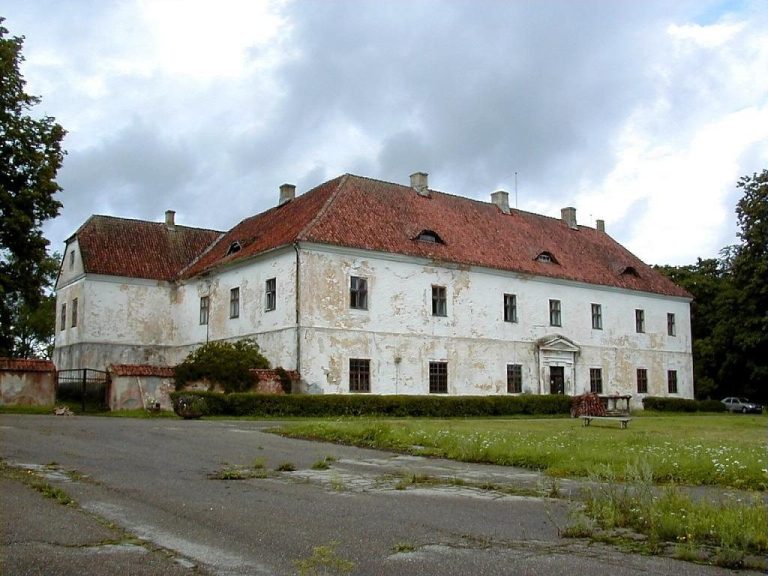
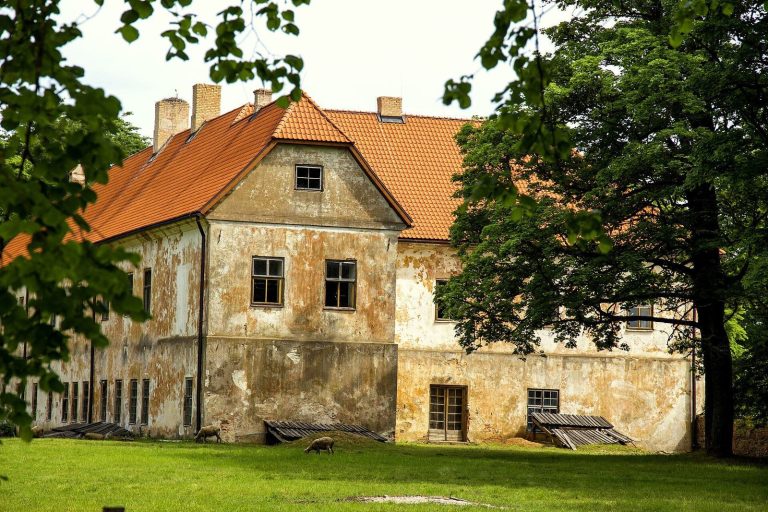
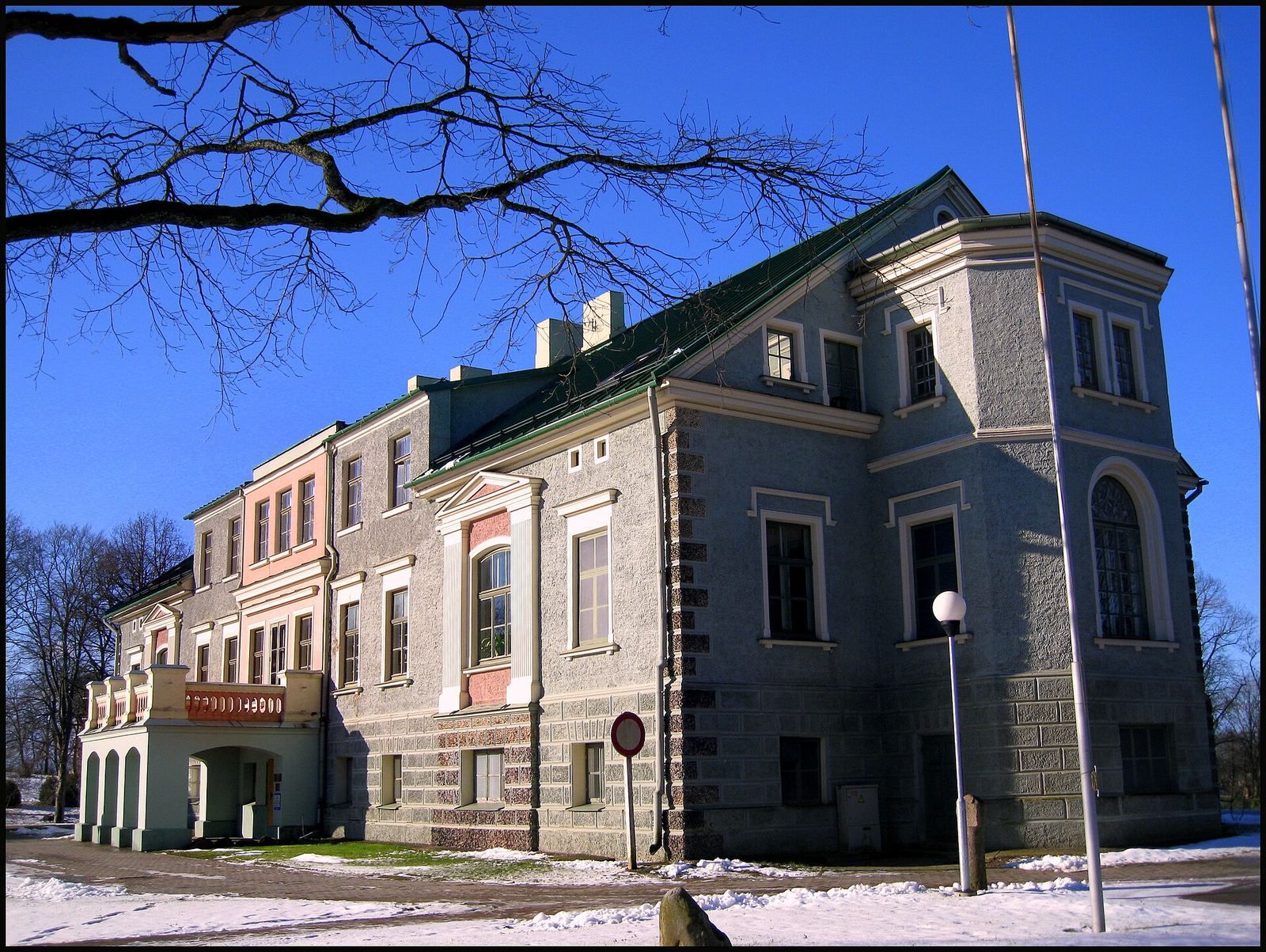
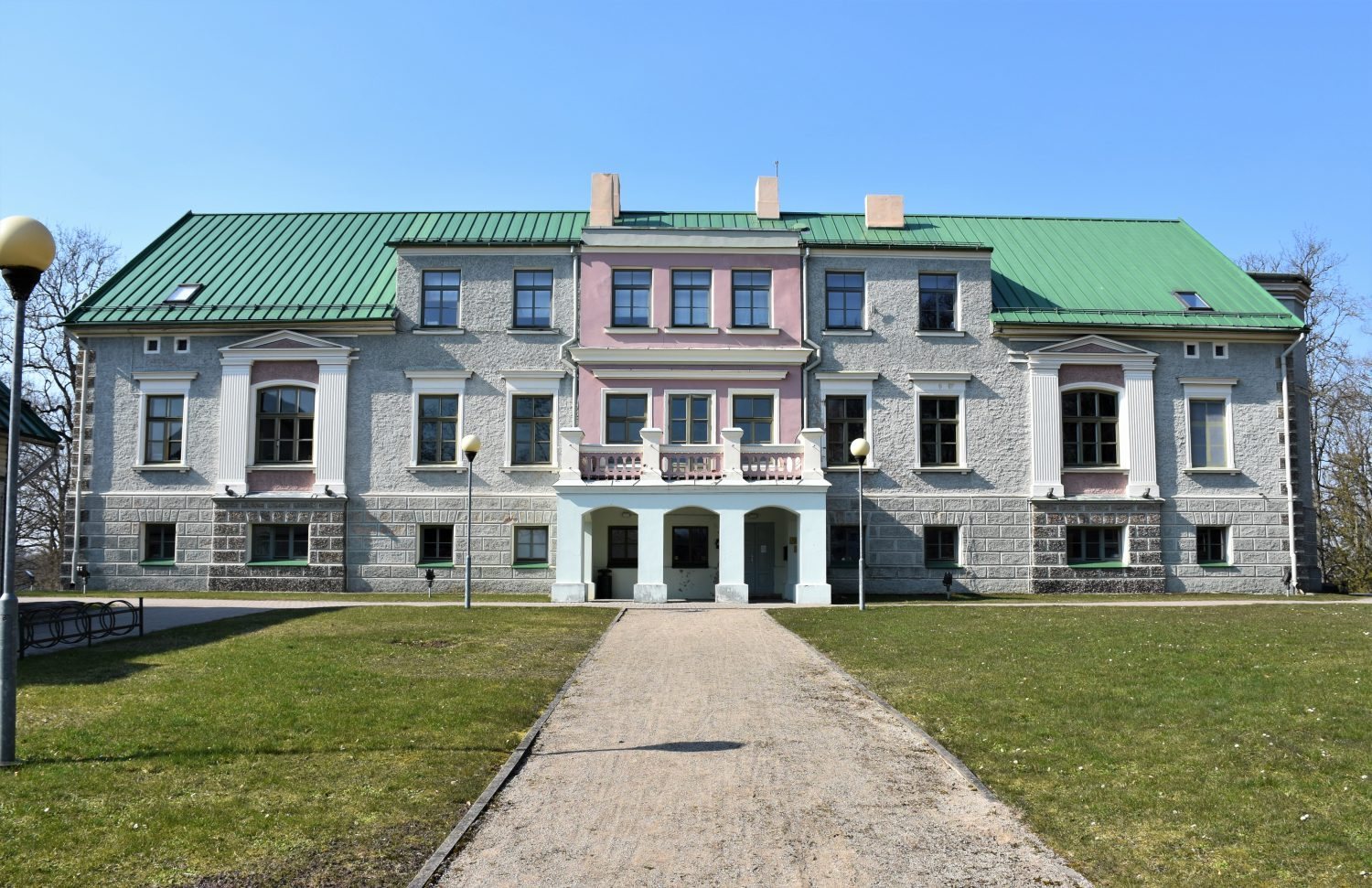
Firck Palace is a neoclassical residence in Talsi, Latvia, built for Heinrich von Fircks, a member of the Baltic German landed nobility. Work began in 1888 and was completed in 1892. The land had earlier belonged to Baron Fircks of Nurmuiža and included a homestead and fields at Tiguli. In 1883, Heinrich Herman Peter Julius Wilhelm von Fircks made a property-exchange agreement with his older brother, Otto von Fircks. The agreement was entered in the Land Register on 16 August 1884.
Heinrich died in 1889, before the palace was finished. His son, Friedrich Otto von Fircks, continued the work, and the completed house was known as Villa Hochheim. It became the home of Friedrich’s mother, Auguste Henriette von Fircks, née Rinck, and his sister, Julia Anna von Fircks. The family remained there until the Latvian Agrarian Reform of the 1920s, a series of post-independence land reforms that changed ownership of large estates. The family then repatriated to Germany, and the property was assigned to the Ministry of Education.
School and museum
The State Talsi Secondary School opened in the palace in 1923 and later became an academically oriented secondary school, or gymnasium. A National Talsi High School History Museum was also established there that year. In response to a call for regional museums to collect material on folk history, teacher and local-history enthusiast Theodore Dzintarkalns led collecting with teachers, students, and community members. The Talsi Branch of the Latvian Antiquities Researchers’ Association, founded in 1924, also contributed. By 1928, the collection held 8,500 objects, including old tools, clothing, jewelry, and books.
War, institutional change, and return
During the Second World War, the museum archive and most of its objects were lost. Some items were taken to Germany and others destroyed; surviving objects went to the Talsi County History Museum and the Talsi County Art Museum. In September 1945, the two institutions were united as the Talsi History and Art Museum and moved into a nationalized building that had been the residence and office of lawyer Vilis Kaijgar, who was sent to Siberia. The museum was briefly called the Talsi History Museum and then the Talsi County Research Museum. It opened to visitors in 1948 with its first history and art exhibition.
The institution later became the Talsi Local History Museum, a branch of the Tukums Local History and Art Museum from 1963 to 1966, and the Talsi Local History and Art Museum from 1966 to 1996. During director Janis Znotiņš’s tenure from 1949 to 1960, the museum developed professional research and exhibition work despite compulsory Soviet ideology. Under Anna Rasa, director from 1968 to 1994, its collections grew, expeditions took place in villages around Talsi, and large-scale art days were held from 1983 to 1989. Mirdza Jonele became director in 1994. In 1996, the institution adopted the name Talsi Regional Museum and returned to the palace on 21 December.
Remains
The palace and its grounds
Palace
The palace stands on Mount Tiguli, the highest of Talsi’s nine hills. It is a one-storey, elongated building with a high plinth of rusticated masonry, a finish with deliberately rough or deeply jointed surfaces, and a gable roof.
Landscape park
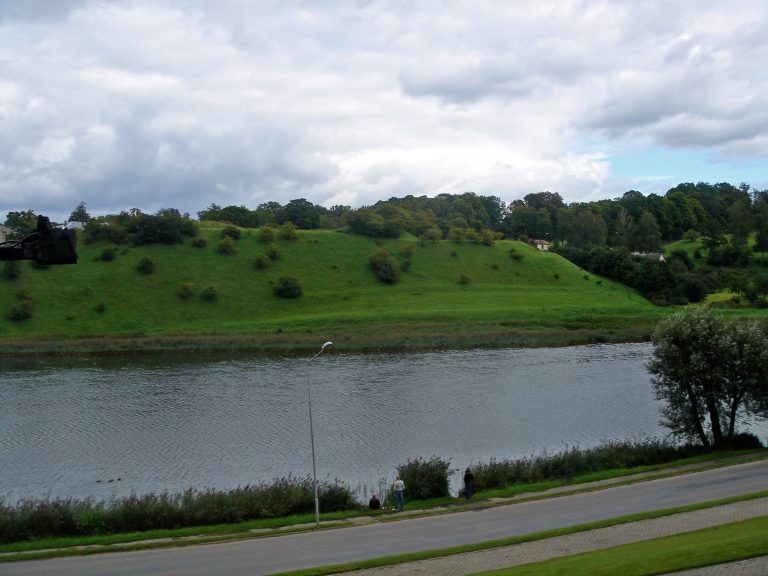
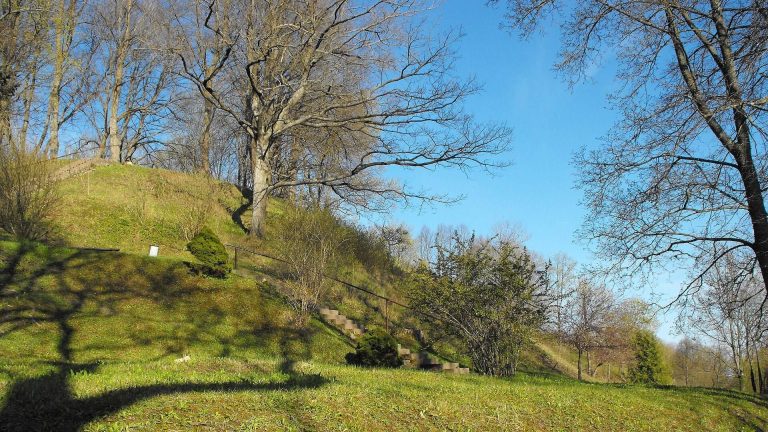
A landscape park was laid out as the palace was built, making use of the hilly ground, a pond, and views of the city. Some planting material was brought from Germany, including plants from the garden of horticulturist and garden designer Christian Wilhelm Schoch in Salaspils. The grounds are now Talsi Dendrological Park, a park devoted to the cultivation and display of trees.
Museum spaces
The museum’s exhibitions and displays occupy three floors of the historic palace. An additional exhibition hall is located in the collection building.