Essenrode Manor: A Late Baroque Manor House in Germany
Site at a Glance
- Popularity
- Medium
- Country
- Germany
- Primary era
- Early Modern
- Eras represented
- Medieval, Early Modern, Modern
- Civilizations
- Holy Roman Empire
- Site type
- Domestic
- Remains
- Manor House
On this page9 sections
History
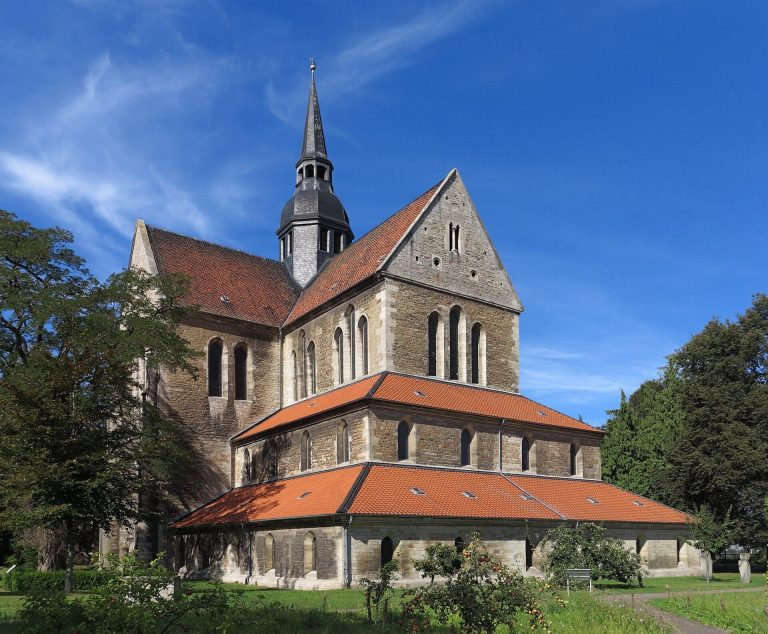
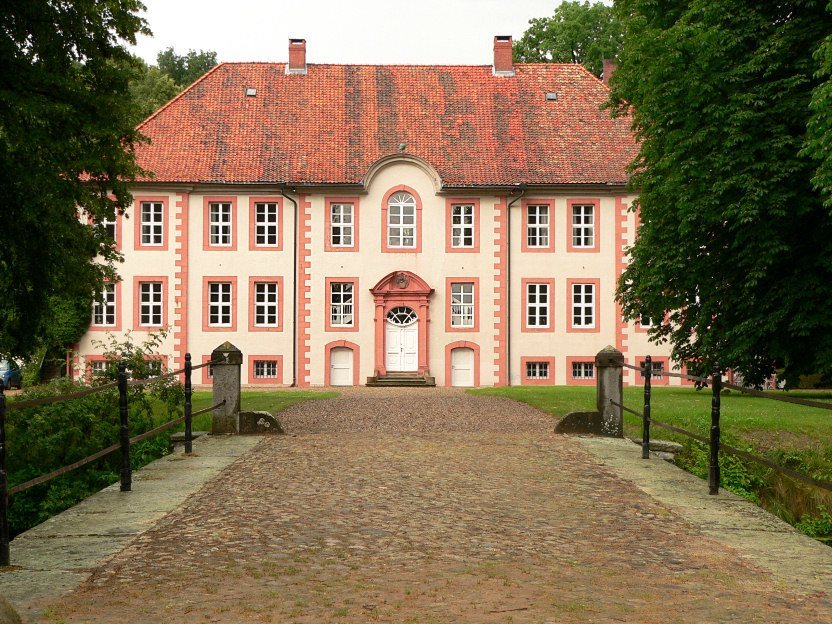
Essenrode Manor is a late Baroque manor house in Essenrode, within the municipality of Lehre, Germany. Gotthart Heinrich August von Bülow had the present building erected in 1738. The estate’s history reaches back to a medieval knightly holding and includes periods of destruction, rebuilding, and changing ownership.
Knightly estate and wartime destruction
A free knight’s seat, meaning a landed holding recognized as a knightly estate, was recorded at Essenrode under the name Etzenrode in 1326. Widukind von Garssenbüttel held it as a fief, land granted subject to obligations. The von Garssenbüttel family built a fortified predecessor at the site in 1337 and held the estate until 1625. That year, during the Thirty Years’ War, a major European conflict fought from 1618 to 1648, Danish soldiers set fire to the estate and village. Half the village’s houses burned, and Hartwig von Garssenbüttel’s death brought his family’s tenure to an end.
The Bülow estate
In 1627 Julius von Bülow received the estate as a fief and was granted patronage of the Essenrode church, rights and duties that included a role in the appointment of clergy. He rebuilt the estate buildings by 1636, but imperial troops destroyed part of them the following year. When his son Christian Wilhelm inherited the property, it comprised a large residence, a separate farm, and agricultural buildings.
The manor and agricultural reform
Gotthart Heinrich August von Bülow commissioned the present manor in 1738. His son Friedrich Ernst von Bülow advocated dividing common land, consolidating fields, ending payments in produce and other goods, and abolishing work that farmers were required to perform for the estate. He also sought to end their dependence on it. From 1772, Essenrode’s farmers were released from that dependence, about 50 years before it ended in most parts of Germany. Around 1783, Friedrich Ernst agreed with the farmers to consolidate the estate and separate it from their fields.
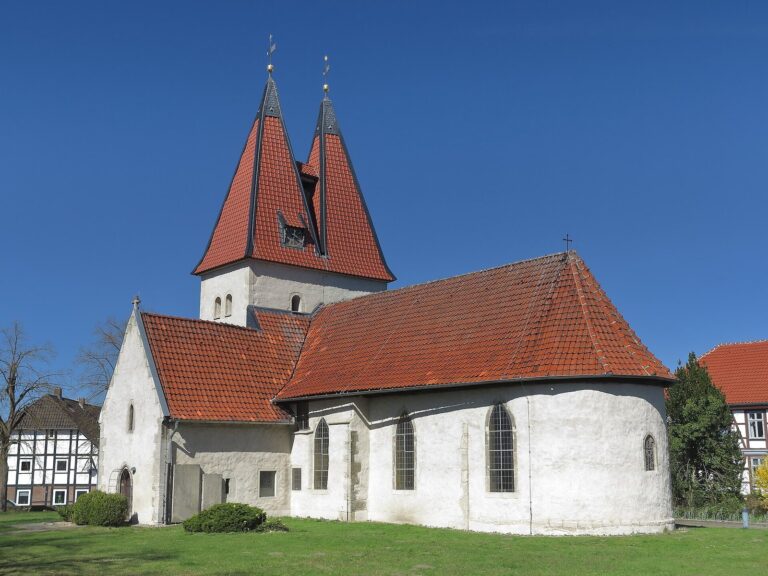
The estate was also the childhood home of Karl August von Hardenberg, born there in 1750. A Prussian reformer who later served as Minister President of Prussia, he spent much of his childhood at the manor, where many of his later reform ideas developed. His mother, Anna Sophia Ehrengart von Bülow, was a daughter of Gotthart Heinrich August.
Changing ownership
Hans von Bülow (1774–1825), raised to the rank of count in 1816, was the last of his family to manage Essenrode. He was a politician associated with Prussia, the Napoleonic-era Kingdom of Westphalia, and the historic Duchy of Magdeburg. Heavy debts and the lack of a relative willing to take over the fief after Hans’s death led to prolonged negotiations; the estate was sold in 1837 to the von Lüneburg family. The family traced its descent through an illegitimate line from the House of Welf, a European ruling dynasty associated with Brunswick-Lüneburg, through Duke Augustus the Elder.
Friedrich Adolf von Lüneburg was the family’s first owner at Essenrode. His unmarried son Eberhard succeeded him, followed by Ernst von Lüneburg. In 1950, Ernst adopted his great-nephew, also named Ernst, as his child under his own name. The adopted son was a grandson of Ernst’s elder brother Hans and the son of Ernst’s niece Osterhold von dem Bussche-Haddenhausen, née von Lüneburg. His daughter Sitta, who married into the Waitz family, later took over the estate.
Remains
Manor, moat, and park
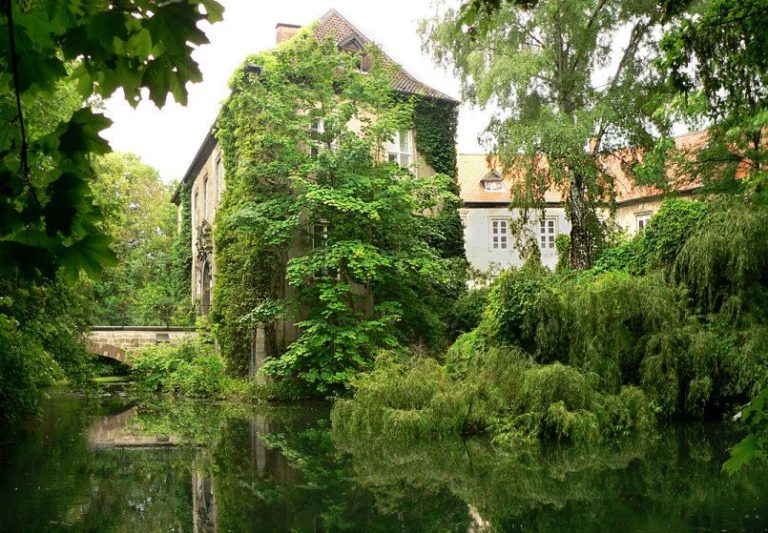
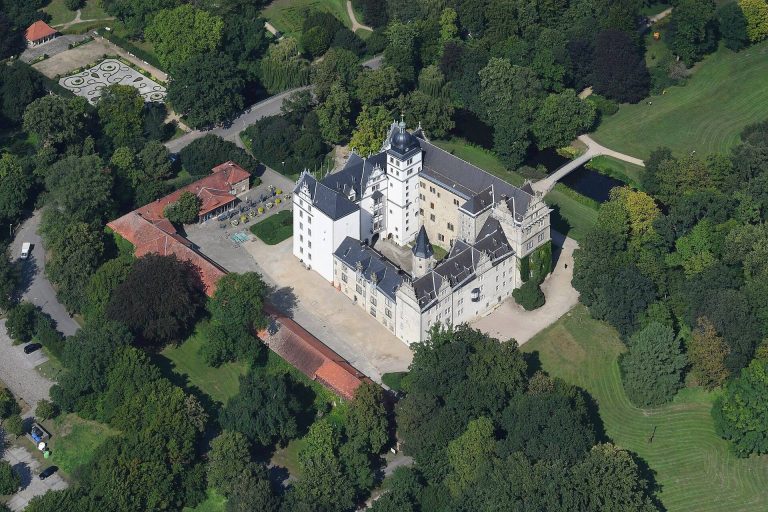
The late Baroque manor stands within a small English landscape park, a garden arranged in a deliberately naturalistic manner rather than strict geometric form. A moat surrounds the house and formed part of the estate’s earlier defenses. Three bridges cross it and provide access to the manor. A sightline runs from Schlossstraße along the approach to the entrance stair, through the corridor and garden hall, across another bridge, through the park, and through a gate to State Road 293. The manor’s ballroom is on the first floor.
Earlier fortifications
The fortified predecessor was enclosed closely by service buildings. Its moat and drawbridge added protection. The moat remains around the present manor, linking the surviving layout to the earlier defensive complex.
Service buildings
Service buildings stand outside the moat along Von-Hardenberg-Straße. They were built after the estate was sold in 1837.