Eastbury Manor House: An Elizabethan Manor in the United Kingdom
Site at a Glance
- Popularity
- Medium
- Country
- United Kingdom
- Primary era
- Early Modern
- Eras represented
- Early Modern
- Civilizations
- English
- Site type
- Domestic
- Remains
- Elite Residence
On this page4 sections
History
Construction and Gunpowder Plot traditions
Eastbury Manor House is an Elizabethan manor house in the United Kingdom, built in the 1570s by the wealthy merchant Clement Sisley. The land had belonged to Barking Abbey, a medieval religious house, as part of its demesne, property the abbey held directly rather than granting to tenants. After the abbey was dissolved, Sisley bought the land and built the house.
Later traditions connected the house with the 1605 Gunpowder Plot, a conspiracy to blow up the House of Lords during the State Opening of Parliament. One tradition placed the conspirators at Eastbury; another claimed that William Parker, Lord Monteagle, lived there when he received the warning letter that exposed the plot. The English antiquarian Daniel Lysons considered both stories likely to be unfounded.
Decline and restoration
The house fell into disrepair from the late eighteenth century, and by the late nineteenth century only its west wing remained habitable. The National Trust, a British heritage-conservation organization, bought the property in 1918 and restored it. It opened as the Museum of Barking in 1931. The London Borough of Barking and Dagenham and its predecessor administrations have managed the house since the 1930s, while the National Trust remains its owner.
Eastbury Manor House received Grade I listed status in 1954. Grade I is England’s highest category of listed-building protection, for buildings of exceptional interest. Later restoration work, supported by Heritage Lottery Fund grants for heritage projects, included a phase completed in 2010 that added a permanent exhibition about the house and its owners.
Remains
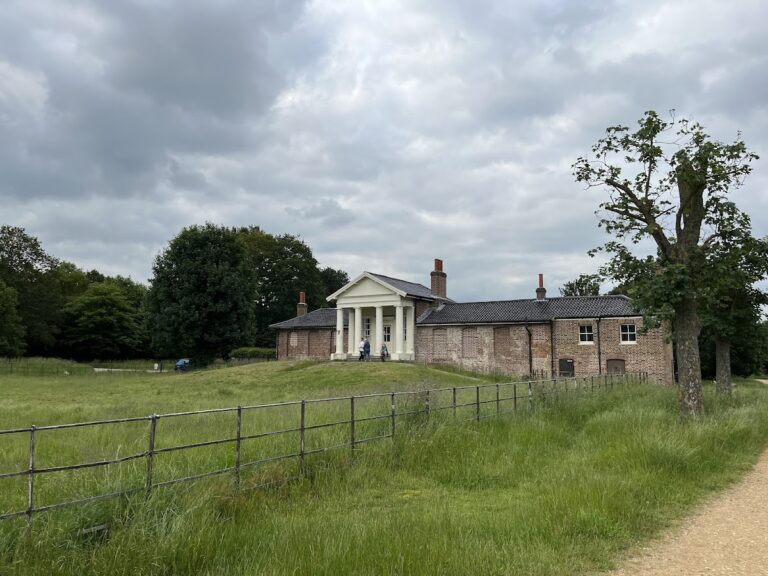
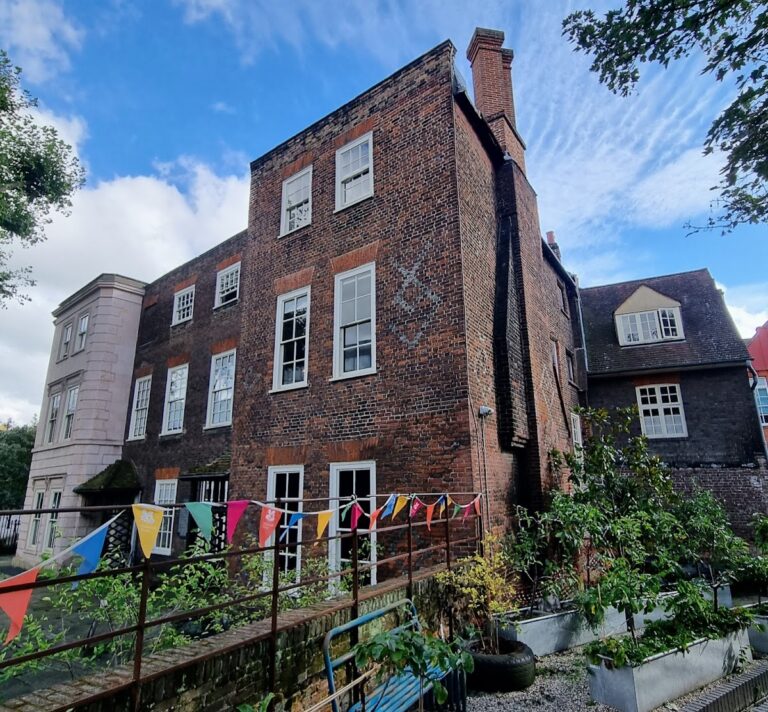
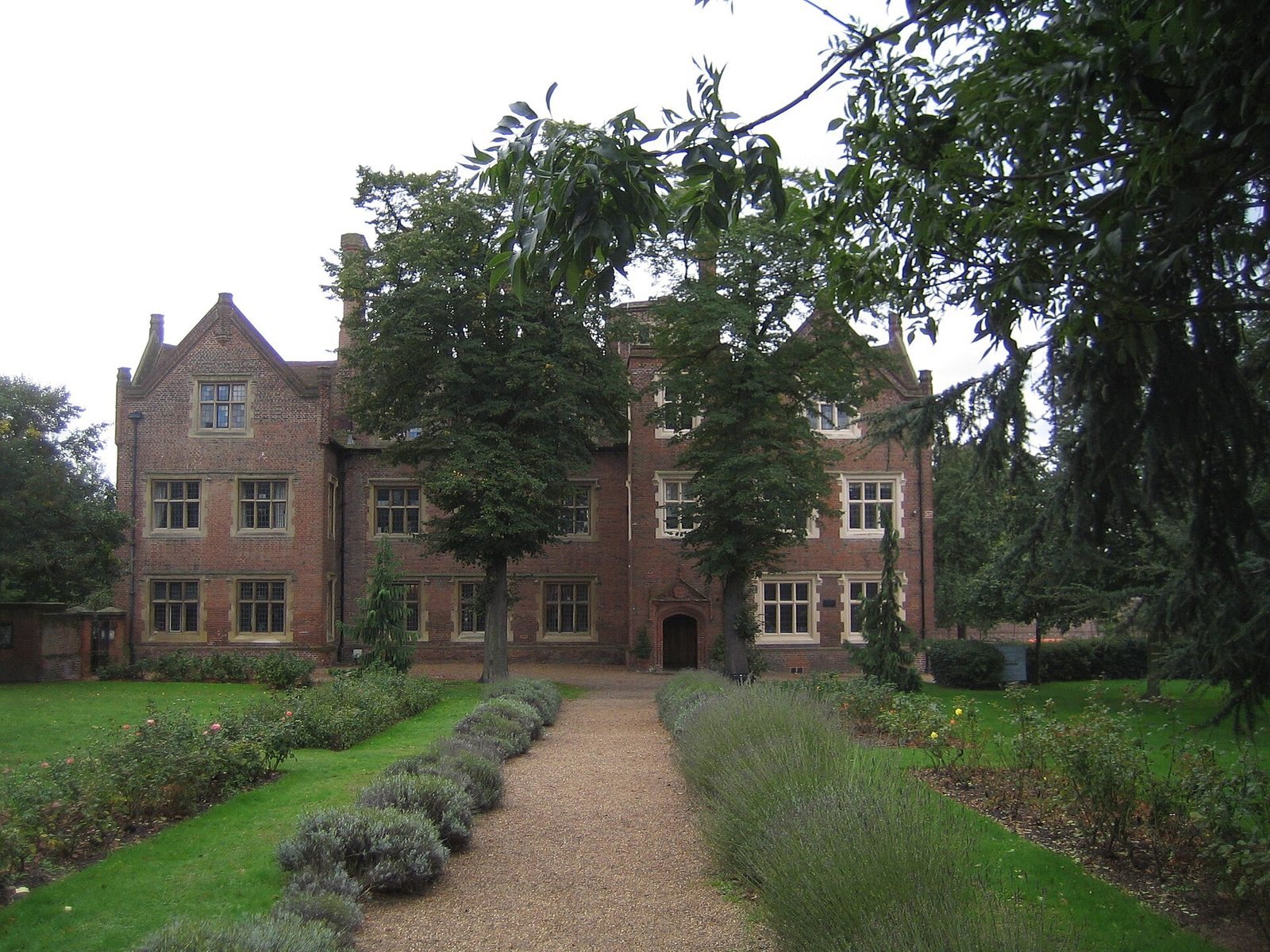
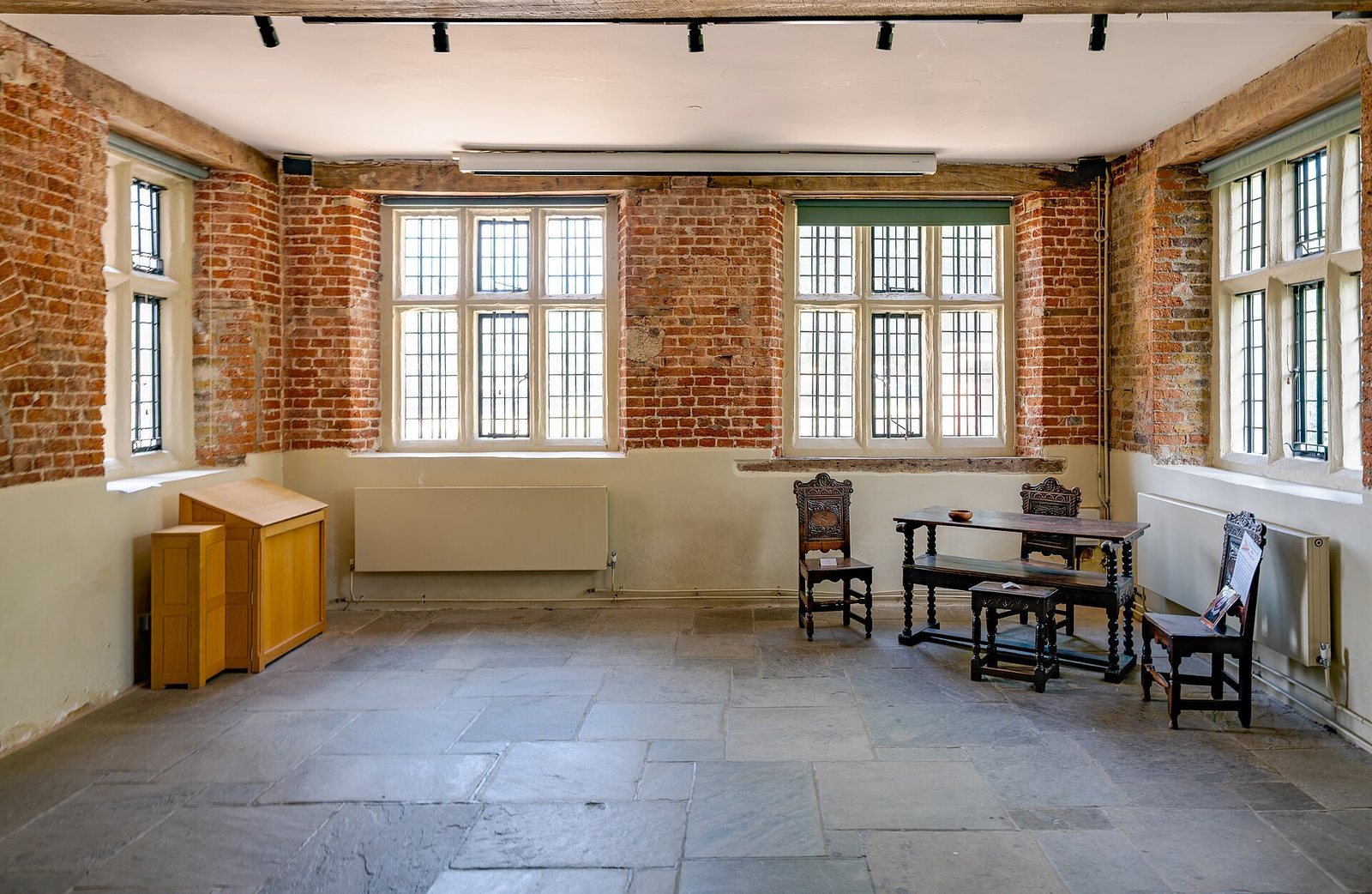
The house is an Elizabethan brick building with glass windows and very tall chimneys. It was probably the first brick-built building in the area, and its glazing and chimneys indicated the wealth of its owner. The window glass was probably imported from Italy, since English glass was then relatively poor in quality. Tree-ring analysis dates the timber roof to 1566. A date carved into the brickwork in 1572 and another marked on a lead water spout in 1573 point to finishing work on the building. The Great Tower Staircase had been demolished by 1814, and wooden flooring and original fireplaces were removed in the 1830s.