Děvín: A Medieval Castle in Czechia
Site at a Glance
- Popularity
- Medium
- Country
- Czechia
- Primary era
- Medieval
- Eras represented
- Medieval, Early Modern
- Civilizations
- Holy Roman Empire, Kingdom of Bohemia
- Site type
- Military
- Remains
- Castle
On this page8 sections
History
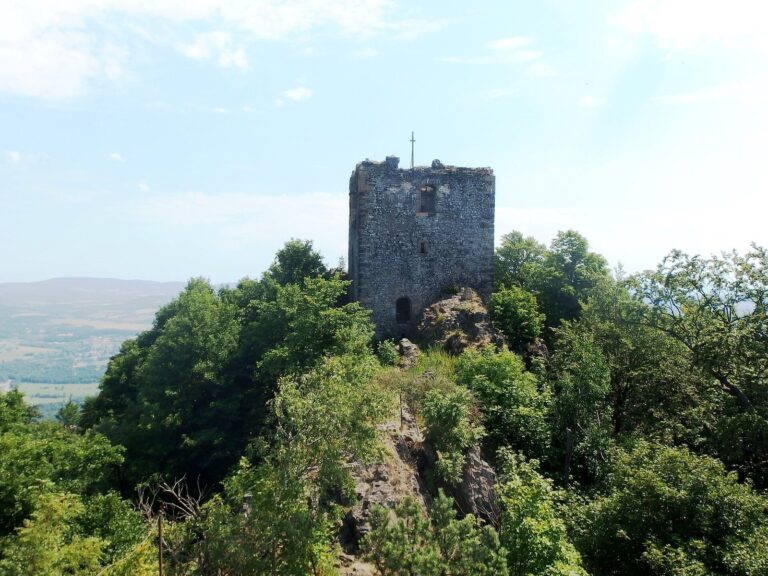
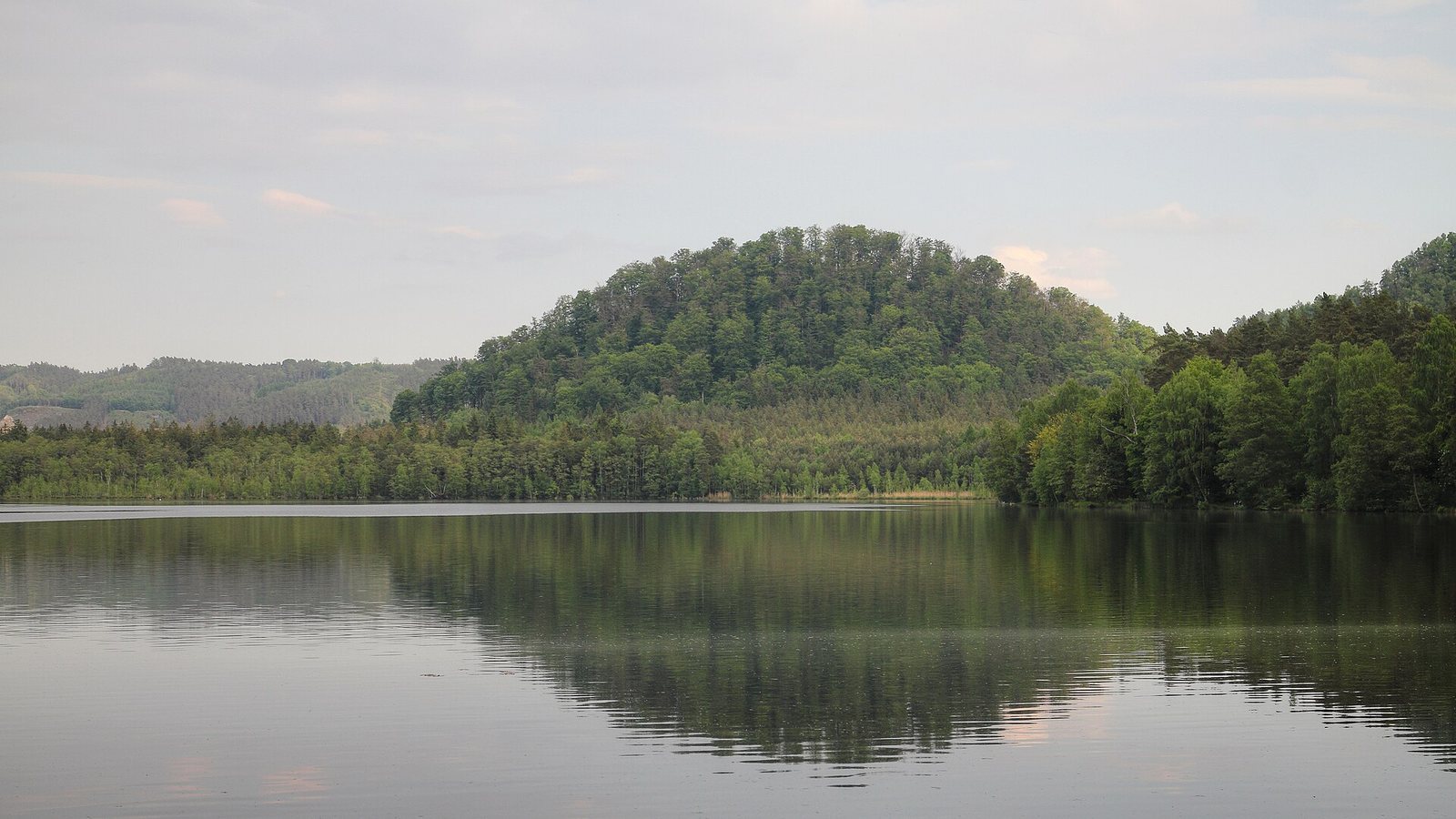
Děvín is a ruined castle on the hill of the same name in Hamr na Jezeře, Czechia. Built in the 13th century in the Gothic style, it guarded an old trade route running north from Bohemia toward Lusatia, a region now divided between Germany and Poland. Its name derives from Děva, a personal name based on an Old Czech word meaning “girl.”
Royal and noble ownership
The castle belonged to King Ottokar II of Bohemia during the 13th century. In 1283, King Wenceslaus II transferred it to the Bohemian nobleman Jan of Michalovice. It later passed to Jan, a provost, or senior church official, of Vyšehrad. The Vartenberg family took ownership afterward and completed the castle, which had begun as a royal stronghold, during the 14th century. They held it until 1516.
Sieges and decline
Děvín survived attacks by Hussite forces, followers of the religious reform movement associated with Jan Hus. In 1444, a Zittau army besieged the castle but did not capture it. As artillery developed, the summit of nearby Hamerský Špičák posed a threat, and an outlying bastion, a projecting defensive work for guns, was built in the early 15th century to help protect Děvín.
The Bieberstein family acquired the castle in 1516. Its importance declined, although later owners continued to enlarge it with Renaissance-style alterations. In 1645, Swedish forces partly demolished Děvín during the Thirty Years’ War, the major European conflict fought from 1618 to 1648. The castle then fell into ruin, and local residents later took masonry for building stone. The ruins are protected as a cultural monument.
Local stories spoke of a once-wicked knight who returned as a ghost and frightened a peasant from nearby Osečná. Another tale described a secret underground passage between the castle and a church in Osečná, about six kilometres away. One of these legends later inspired a short story.
Remains
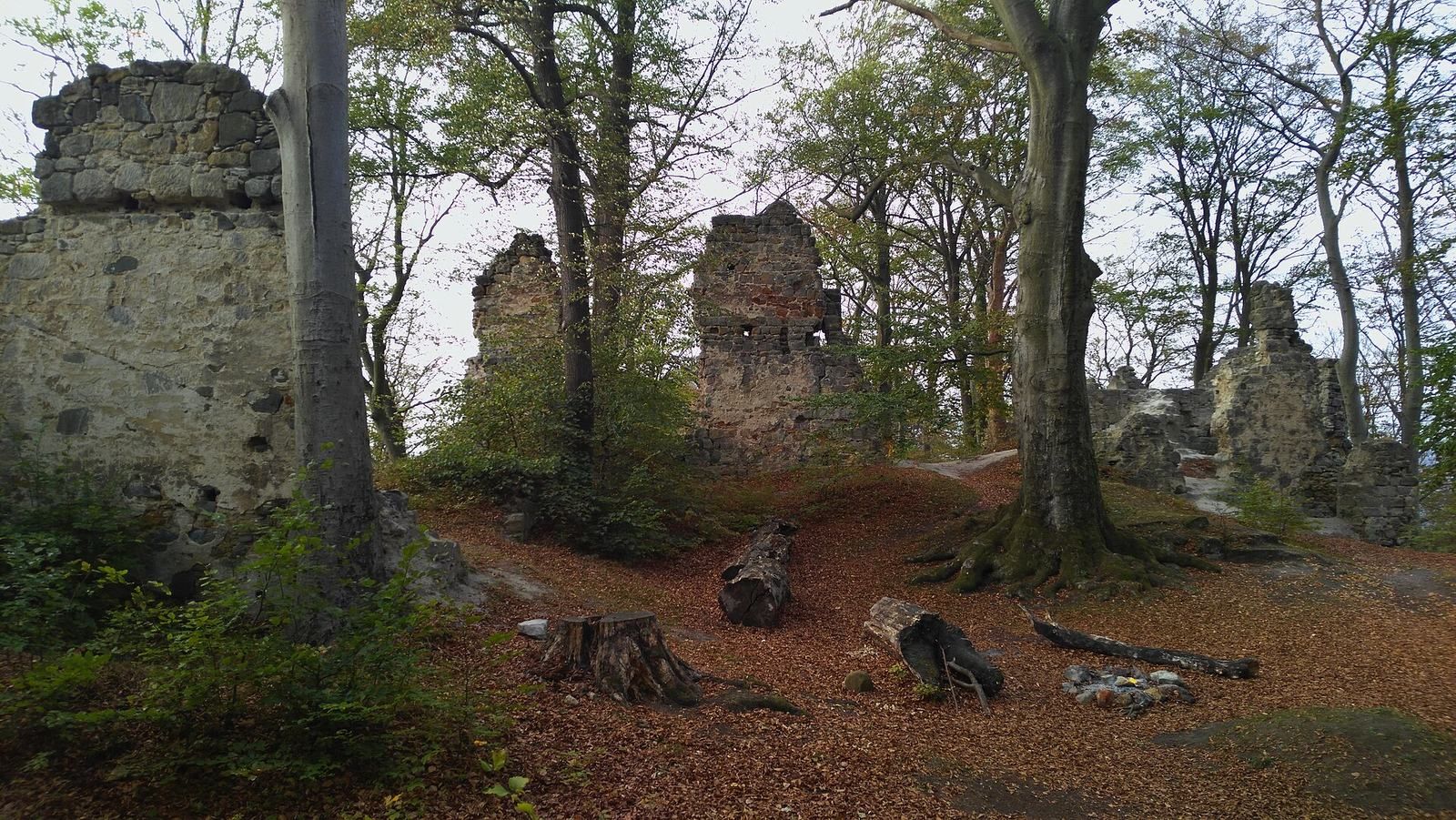
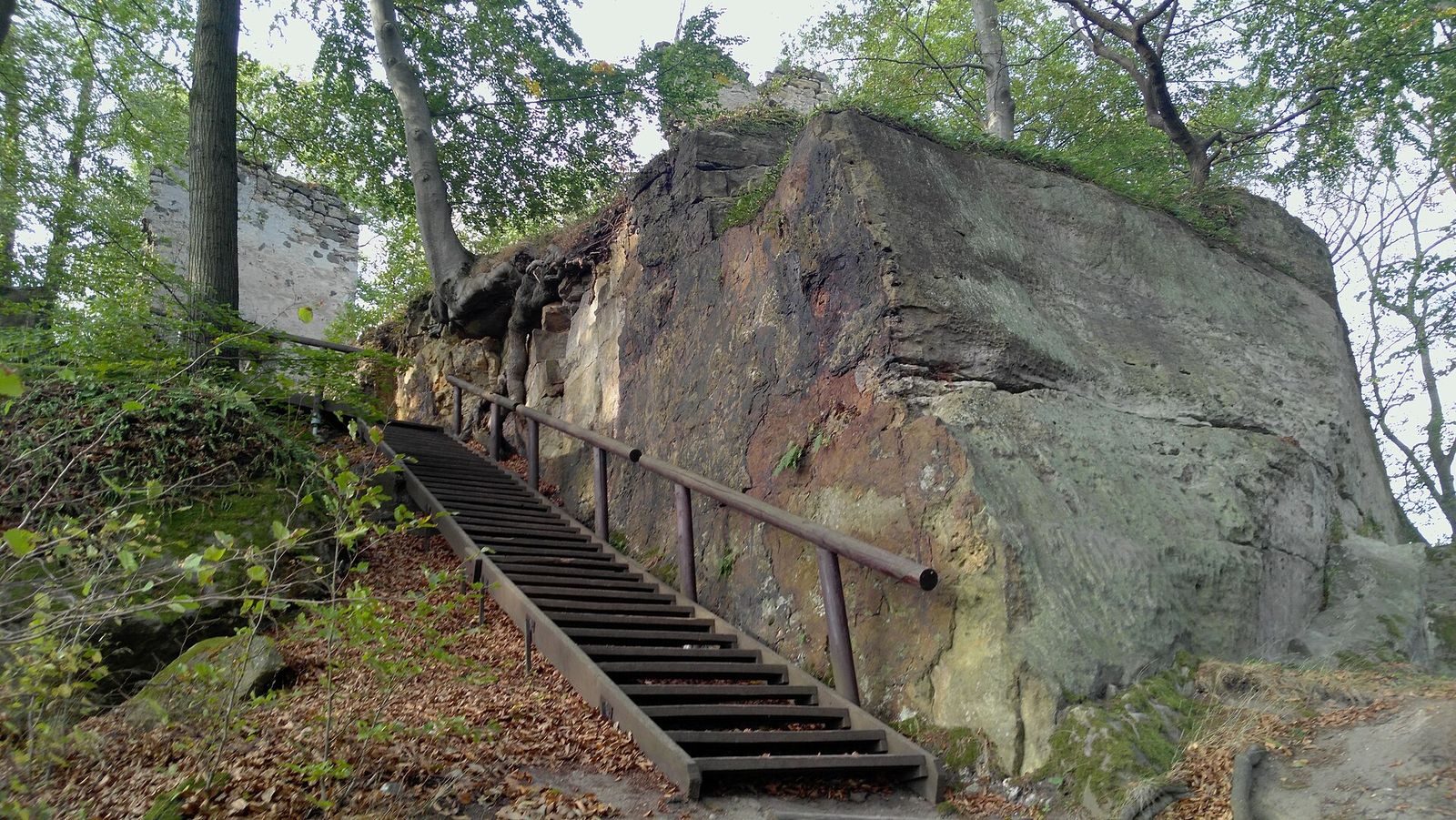
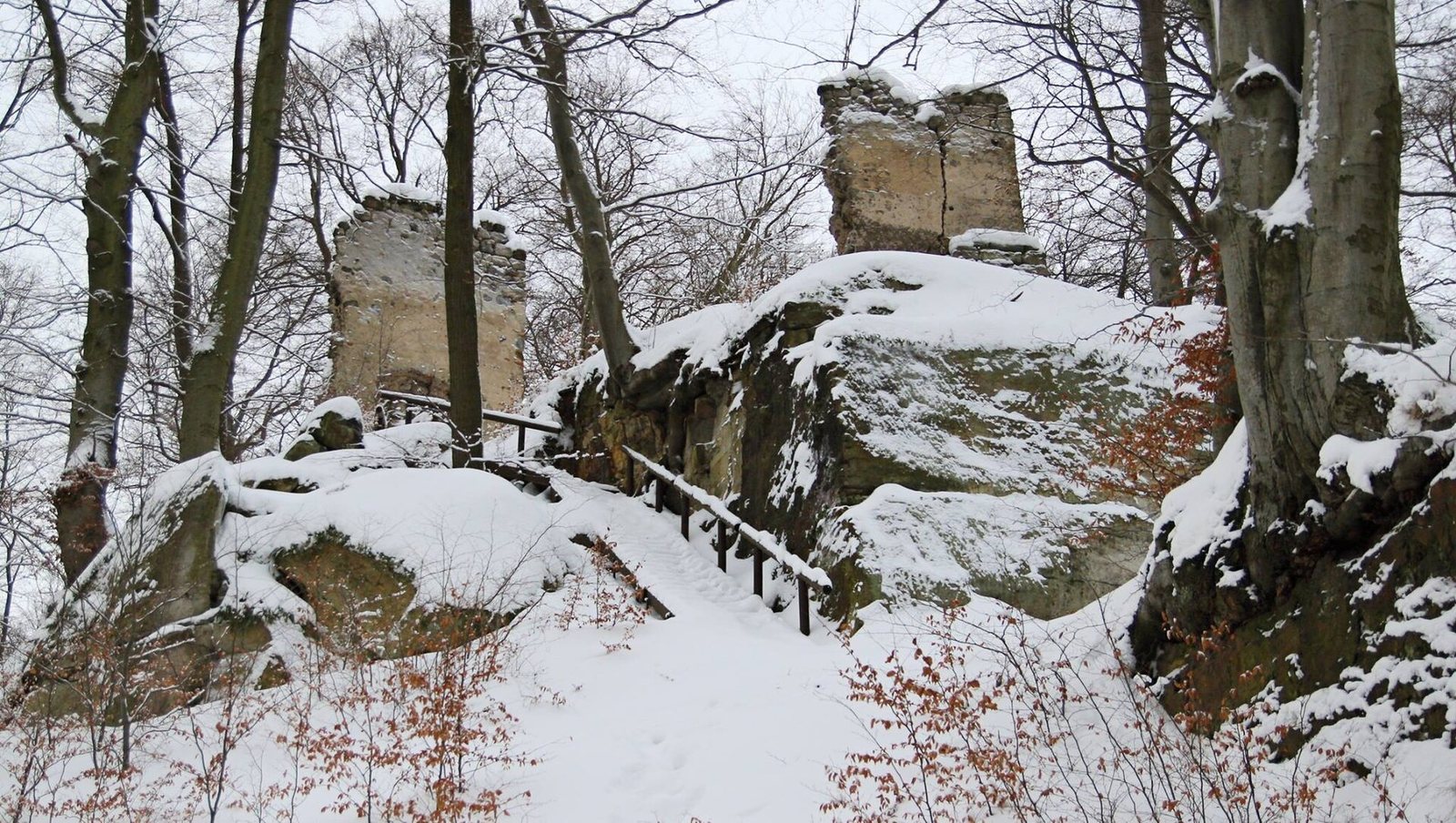
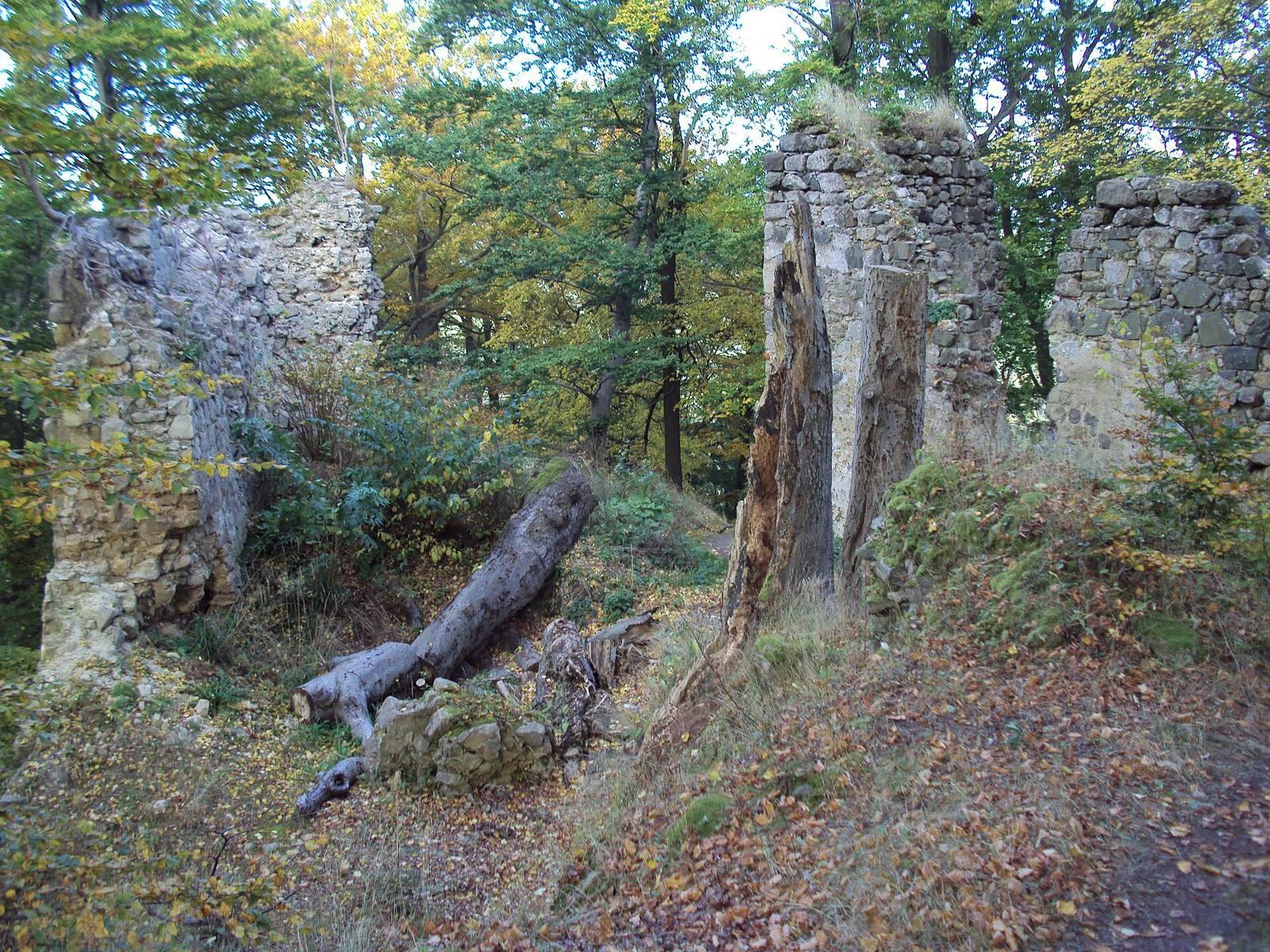
The stone ruins occupy the 436-metre summit of Děvín in the Ralsko Uplands, within Hamr na Jezeře and the Děvín and Ostrý Natural Monument, a protected natural area. The Gothic castle had a central core and outer defenses. Its remains have suffered heavy damage from raw-material extraction, rockfalls and the removal of masonry for building stone.
Castle core
The core may have contained buildings arranged along its perimeter. The earliest phase probably includes the perimeter wall, a rectangular bastion-like projection on the northwest side, and the lower level of a square tower at the eastern corner. The castle also had a very deep well.
Defensive works
Outer fortifications
The outer defenses probably began in the 15th century and were further developed during Renaissance alterations. They include a large horseshoe-shaped artillery bastion on the southern side of the grounds and a much smaller fortification at the opposite end. An arched opening survives in the defenses and may be part of a hoist.
Forward bastion
The forward work comprised two ditches enclosing a wooden building with a cellar.