Creech Grange: A Country House and Manor in Dorset
Site at a Glance
- Popularity
- Medium
- Country
- United Kingdom
- Primary era
- Modern
- Eras represented
- Early Modern, Modern
- Civilizations
- British, English
- Site type
- Domestic
- Remains
- Manor House
On this page8 sections
History
Lawrence and the sixteenth-century house
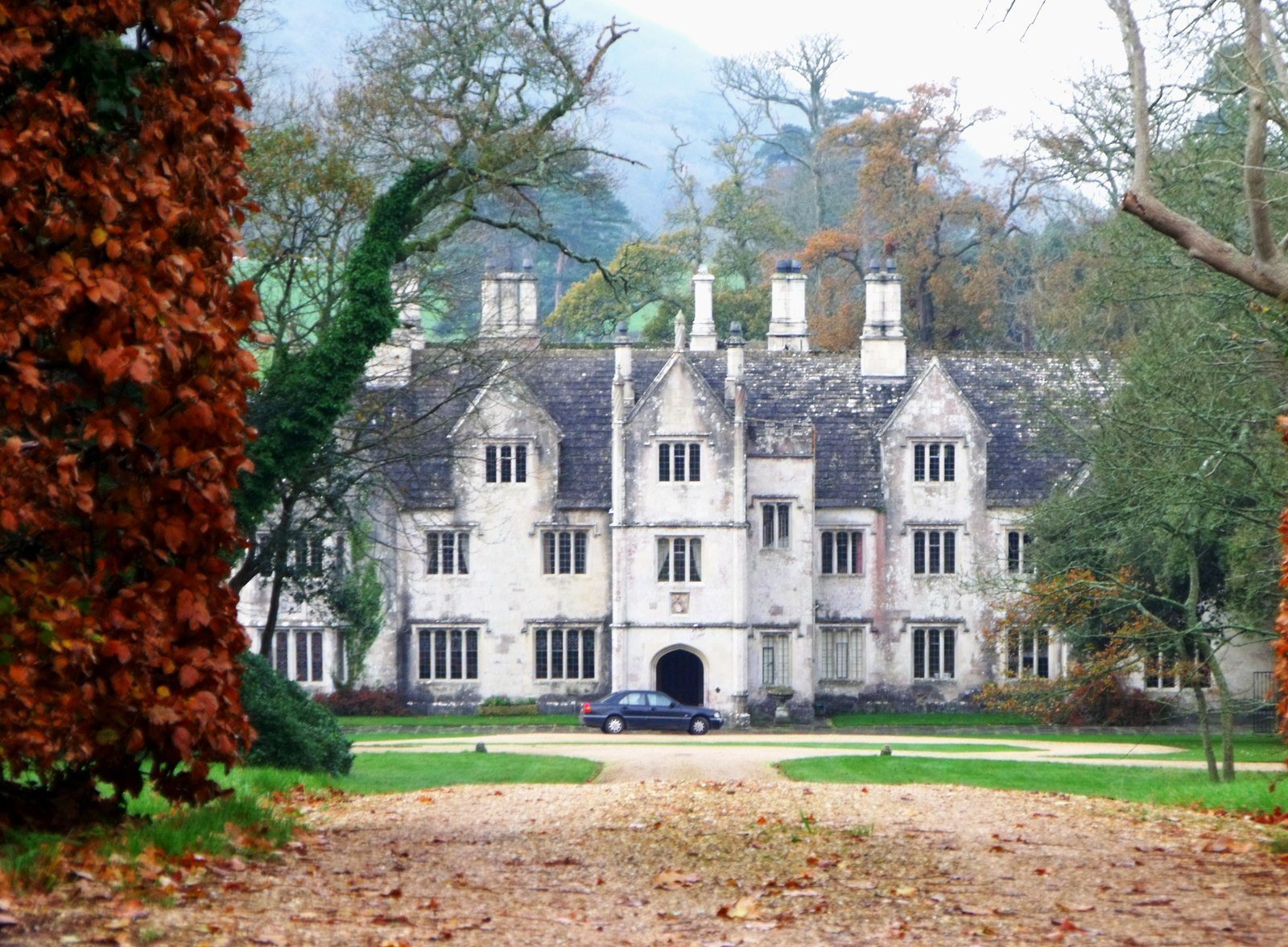
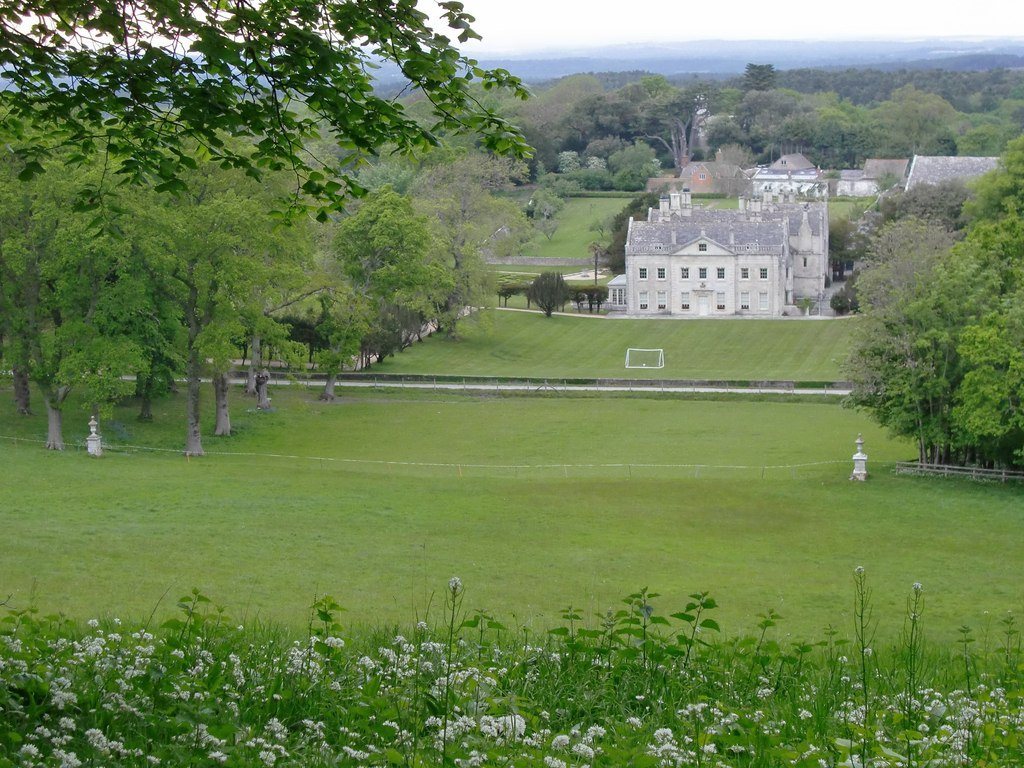
Creech Grange is a country house and manor at Steeple, south of Wareham in Dorset, England. Sir Oliver Lawrence acquired the land from the former Bindon Abbey near Wool after the Dissolution of the Monasteries, Henry VIII’s suppression of England’s monasteries and transfer of their property, in 1539. He built the house between 1540 and 1559, completing it in the year of his death. Lawrence was an ancestor of George Washington, the first president of the United States.
Damage, ownership, and later changes
During the English Civil War, the conflict between supporters of the king and Parliament, Parliamentarian forces damaged the house in a fire. Creech Grange was sold to Nathaniel Bond in 1691; the Bond family continues to hold estates in Purbeck. In 1846, the house’s entire front was taken down and rebuilt.
The house is Grade I listed, England’s highest listed-building grade. Its park and gardens have Grade II* status on the National Register of Historic Parks and Gardens. A 0.1-hectare part of the estate was designated a Site of Special Scientific Interest in 1977, a protection for places important for wildlife or geology.
Remains
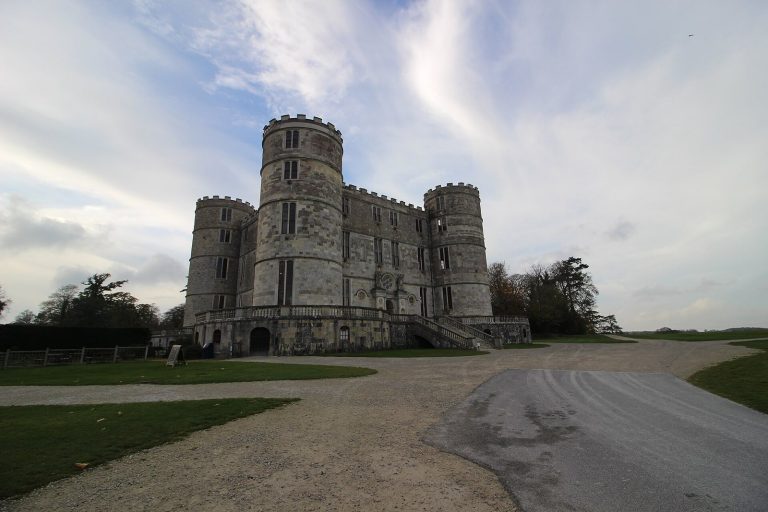
The surviving features include the main house and its outbuildings, as well as Grange Arch on Ridgeway Hill. The house stands at the foot of the Purbeck Hills. Its present front is in Tudor style, an English architectural style associated with the Tudor period.
Buildings and ridge feature
Creech Grange
Only fragments of Lawrence’s original house remain. The rebuilt front forms part of the house’s present appearance.
Estate outbuildings
The outbuildings provide an important roosting site for greater horseshoe bats.
Grange Arch
Denis Bond erected Grange Arch in 1746 as a folly, a structure made chiefly for ornamental or picturesque effect rather than practical use. It stands on Ridgeway Hill at an elevation of 199 metres, the highest local point on the Purbeck Ridge. The National Trust, a UK conservation organization, now owns the arch.