Cockfield Hall: A Tudor Manor House and Historic Estate
Site at a Glance
- Popularity
- High
- Country
- United Kingdom
- Primary era
- Early Modern
- Eras represented
- Early Modern, Modern
- Civilizations
- British, English
- Site type
- Domestic
- Remains
- Manor House
On this page8 sections
History
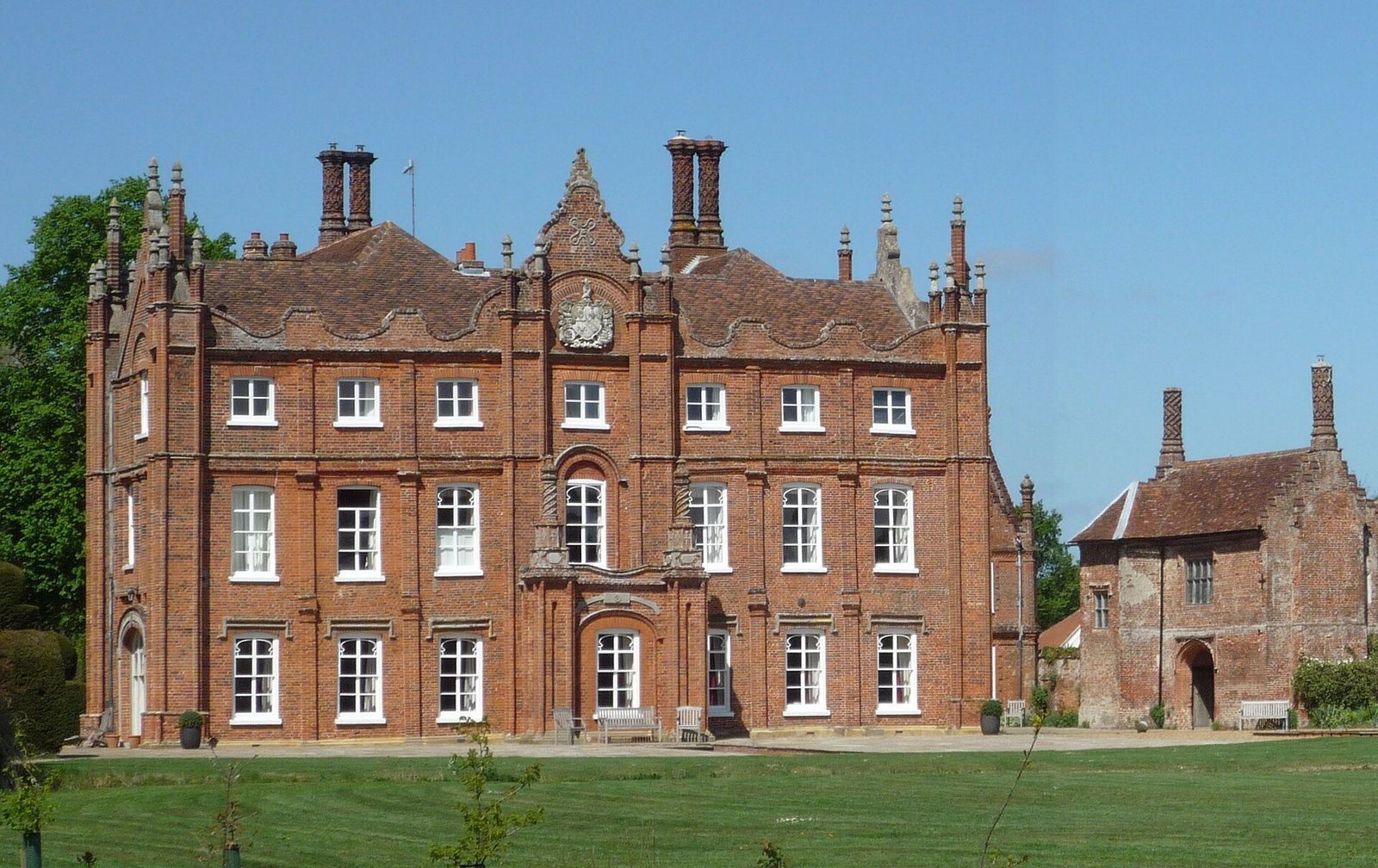
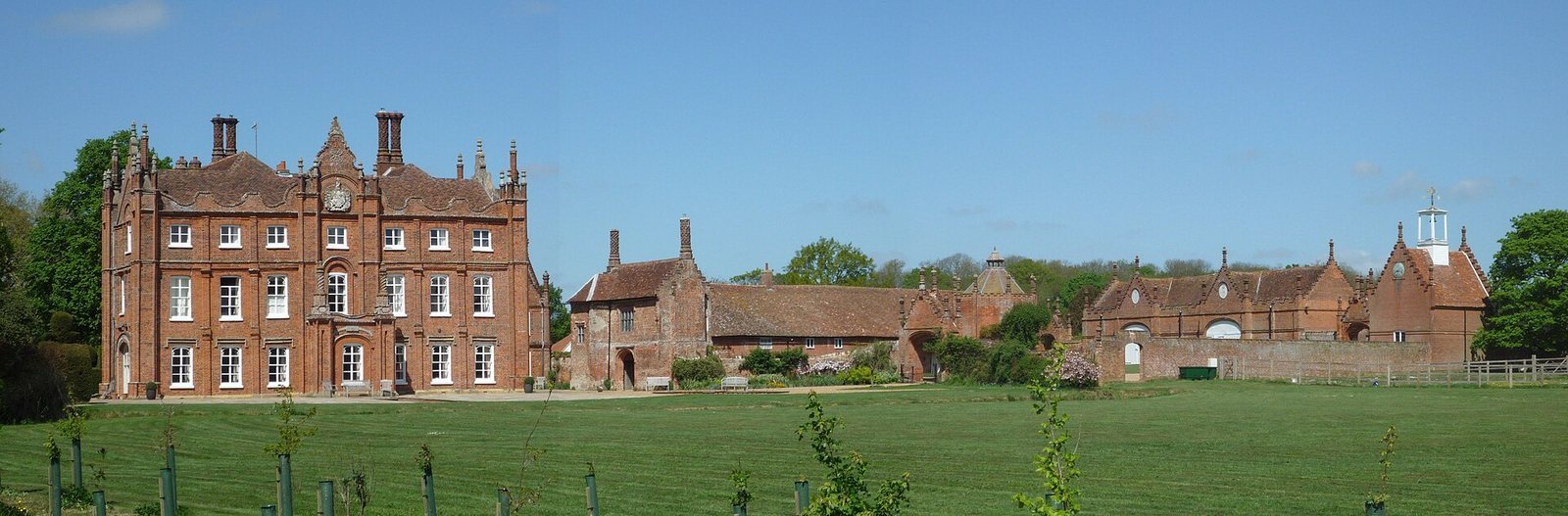
Cockfield Hall is a historic manor house in the United Kingdom, with a Tudor brick phase thought to have been built around 1520. The Tudor period in England spanned the late fifteenth and sixteenth centuries. The hall became associated with the Hopton, Brooke, and Blois families, and in 1567 it housed Lady Catherine Grey under royal custody.
The Hoptons and the Tudor house
The hall is said to take its name from the Cokefeud family, established there in the early fourteenth century. John Hopton bought the hall and estate from Sir John Fastolf. Around 1430, Hopton inherited several estates, including Westwood in Suffolk, where he made his home.
John Hopton’s great-grandson, Sir Arthur Hopton, is thought to have built the hall in its Tudor brick form. He was still mainly resident at Blythburgh in 1524. In the summer of 1541, King Henry VIII passed Cockfield Hall while travelling from Westminster to Norwich.
Elizabethan and Brooke ownership
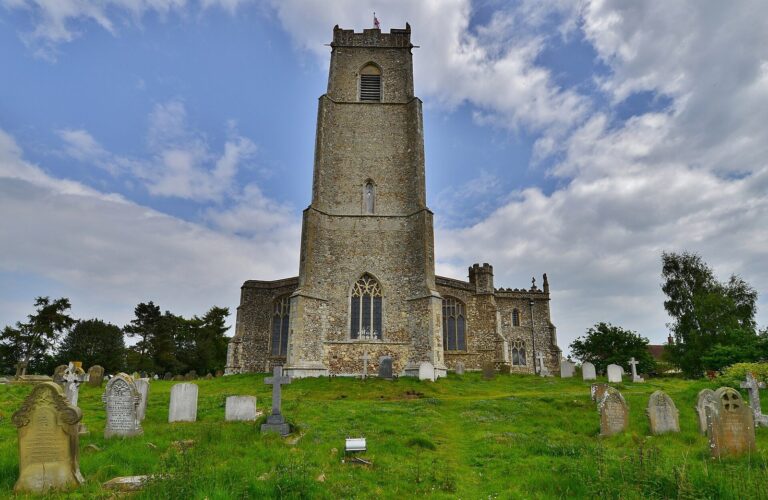
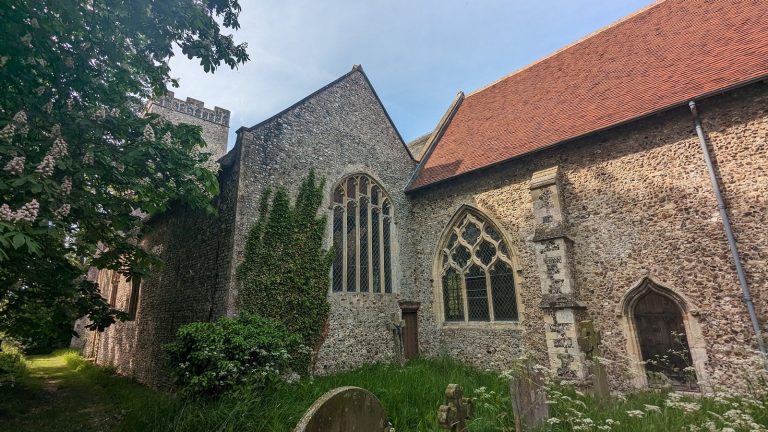
In October 1567, Queen Elizabeth I ordered Sir Owen Hopton to take Lady Catherine Grey, an English noblewoman and sister of Lady Jane Grey, into custody at Cockfield so she could recover from her privations. Grey died there about a year later and was buried in Cockfield Chapel at Yoxford Church. From about 1569, Owen served as Lieutenant of the Tower of London, a senior officer at the Tower.
Owen’s son Arthur sold the estate to Robert Brooke in 1597. Brooke’s son, Sir Robert Brooke, had the main manor house rebuilt around 1613. He and his wife Elizabeth lived at Cockfield from 1630. During the English Civil War, a conflict between Parliament and the king, Robert served on Suffolk’s Parliamentarian county committee, which supported Parliament. He died and was buried at Yoxford in 1646.
Later Brooke and Blois ownership
The estate passed to Robert and Elizabeth’s son, Sir Robert Brooke (1637–1669), while part of it was set aside for Elizabeth as a jointure, property reserved for a wife. She lived at Cockfield until 1683, and their unmarried daughter Mary died in 1693. The younger Sir Robert lived mainly at Wanstead and drowned while bathing at Avignon. Martha Brooke’s son, Sir Charles Blois, 1st Baronet, took up residence at Cockfield in 1686; after the deaths of Lady Brooke and Mary, the estate passed to him. The Blois family owned the house until 1997.
In 2014, after the house and estate had been on the market, Jon Hunt bought them as part of the Wilderness Reserve and developed the property for exclusive rural holiday accommodation. Cockfield Hall is Grade I listed, the highest category of listed-building protection in England.
Remains
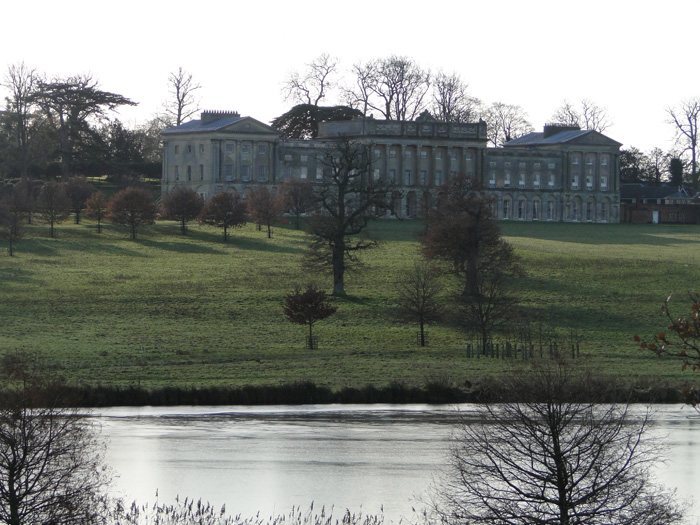
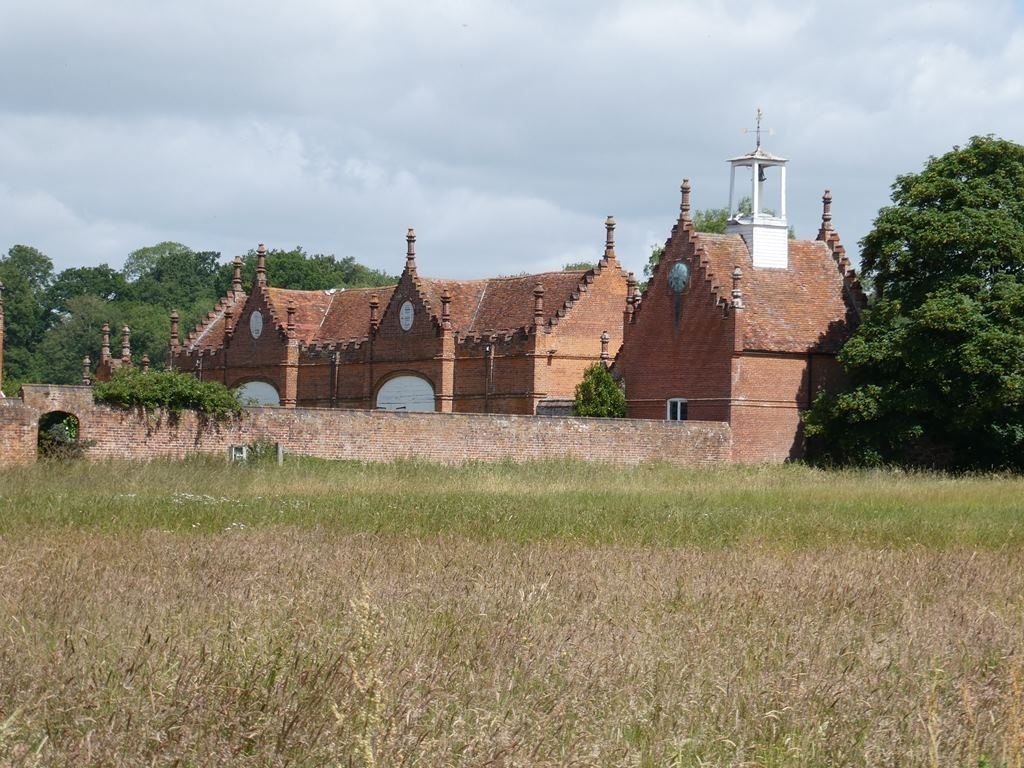
The surviving site comprises a house combining Tudor brickwork with later rebuilding, set within historic parkland of about 75 acres. Part of the parkland dates to the sixteenth century.
The house
Tudor and early seventeenth-century fabric
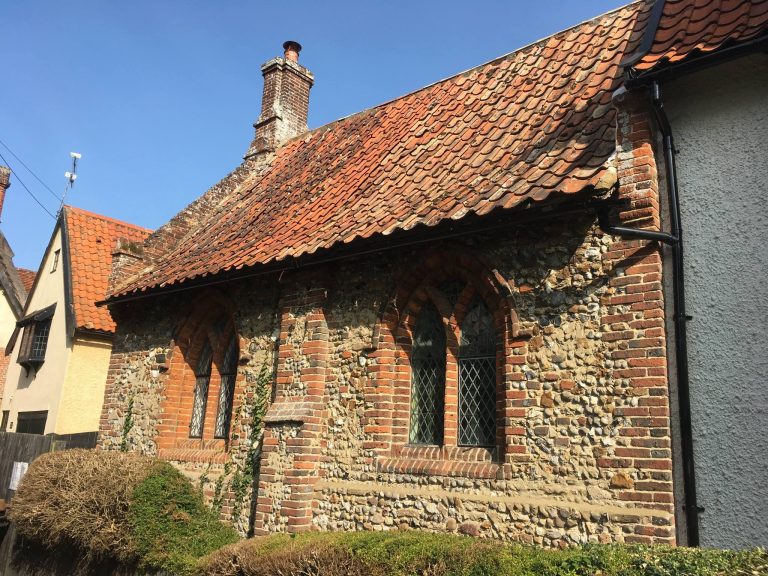
The Tudor brick phase included the Gatehouse and the portion of Arthur Hopton’s mansion that now forms the north wing. That wing remains part of the present house. Despite subsequent alterations, rebuilding, and repairs, sections of the house rebuilt for Sir Robert Brooke also survive.
Eighteenth- and nineteenth-century alterations
Sash windows were installed in the main part of the house during the eighteenth century. In 1896, a Victorian Great Hall was created on the site of the original Tudor Hall in a Jacobean style, an English design associated with the reign of James I (1603–1625).