Church of the Holy Cross, Crediton: A Parish Church on a Former Cathedral Site
Site at a Glance
- Popularity
- Medium
- Country
- United Kingdom
- Primary era
- Medieval
- Eras represented
- Medieval, Modern
- Civilizations
- British, English
- Site type
- Religious
- Remains
- Church
On this page14 sections
History
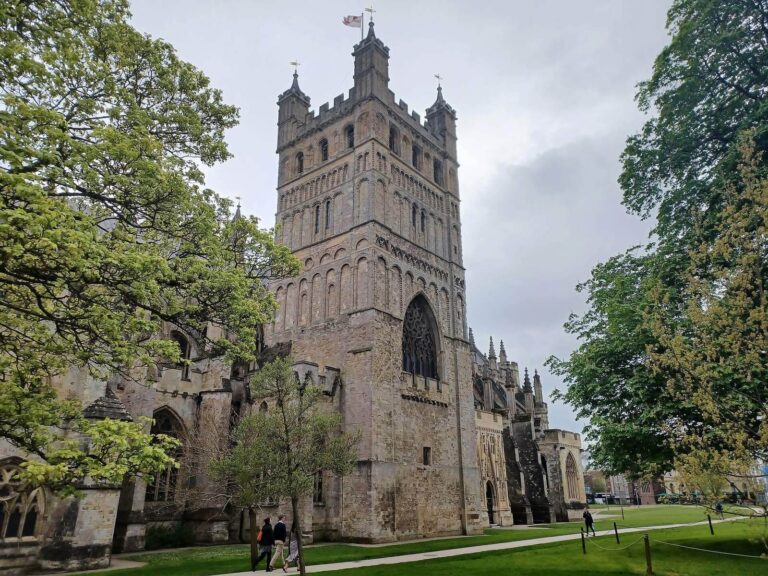
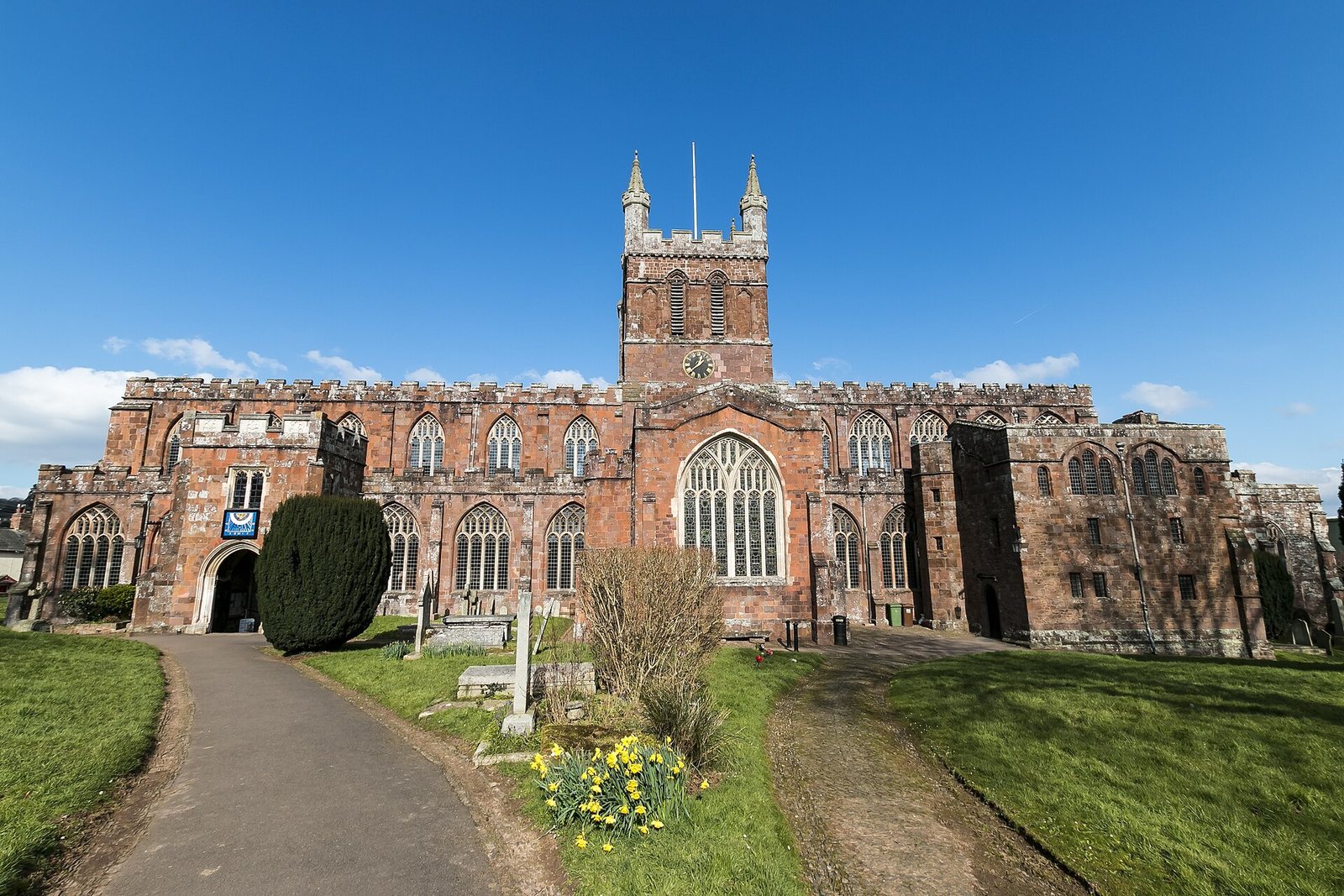
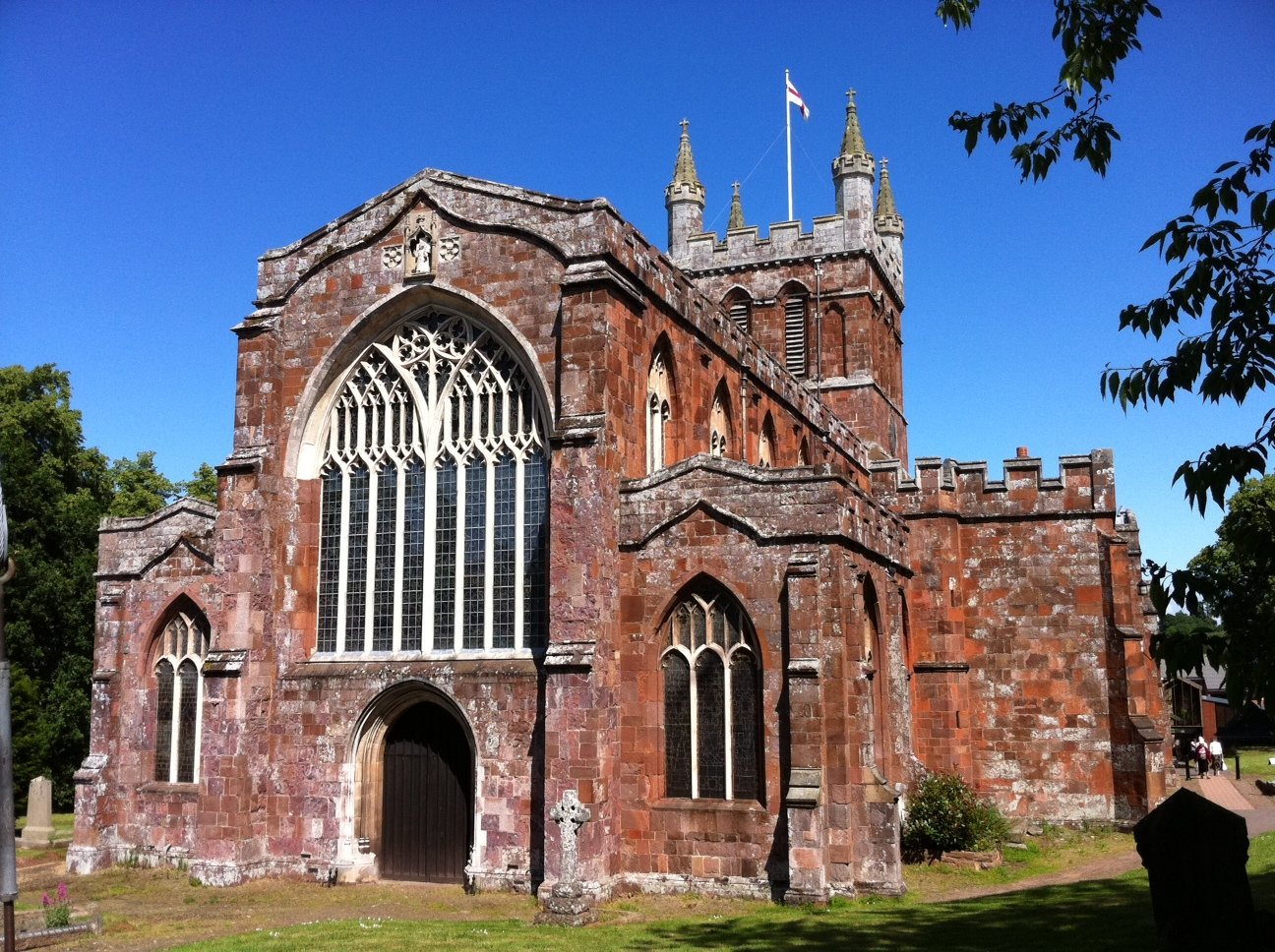
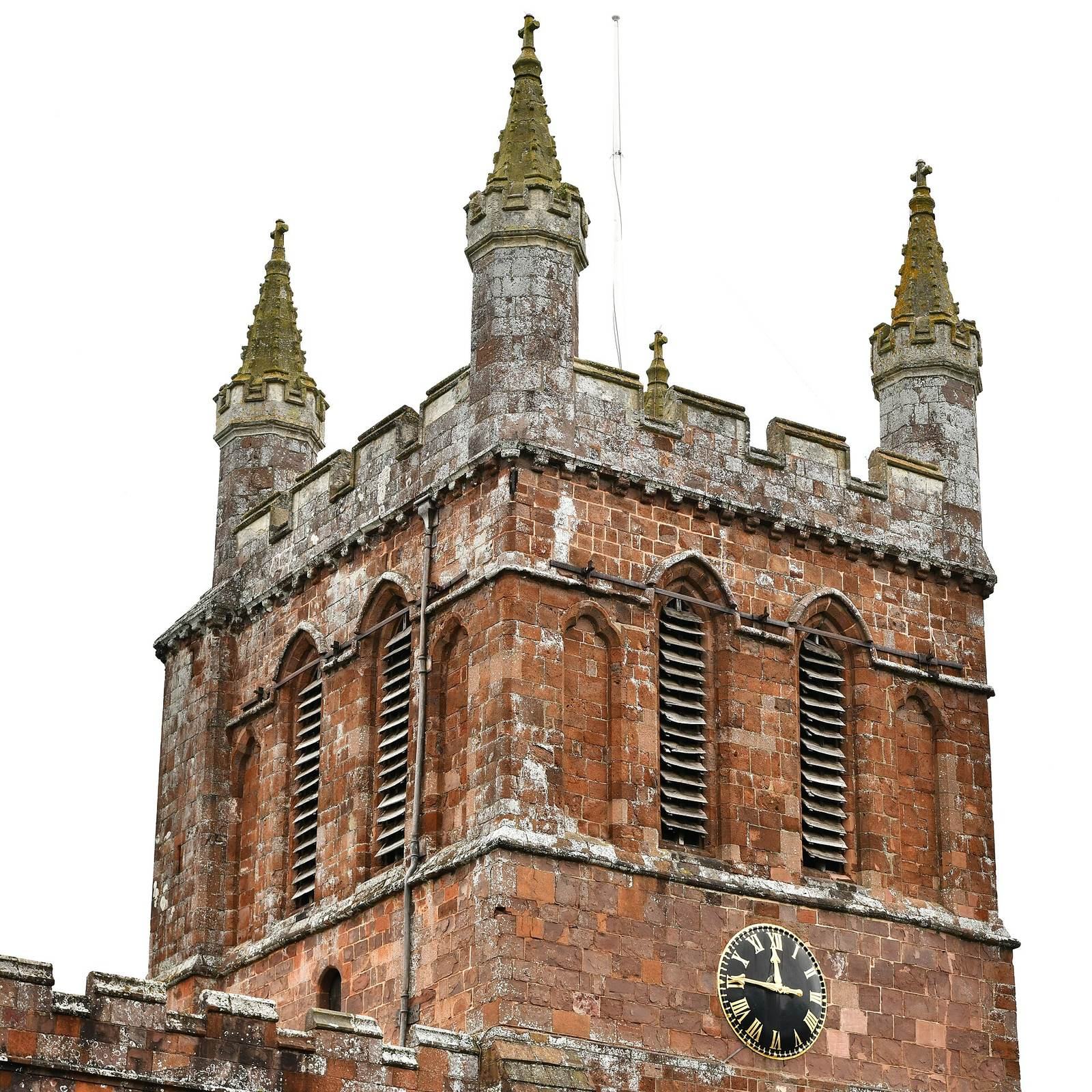
Church of the Holy Cross, Crediton, is an active Church of England parish church in the United Kingdom, occupying the site of a former cathedral. Its nave and chancel belong to a 15th-century rebuilding in Perpendicular Gothic, an English Gothic style marked by strong vertical lines and window tracery. The site had served as a cathedral seat from the early 10th century.
Cathedral and episcopal seat
Crediton became the seat of a diocese serving Devon and Cornwall in the early 10th century. Eadwulf, elected bishop in 909, began a cathedral there around 910; the first building may have been timber. Cornwall gained its own bishop in 926, initially under the authority of Crediton’s bishop. It became a separate diocese in 994 and reunited with Crediton in 1020.
Leofric was appointed to both sees in 1046 and moved the Devon bishop’s seat to Exeter in 1050. He told Edward the Confessor that Exeter would be easier to defend against Danish invaders, and told the pope that he did not wish to remain in what he regarded as an impoverished village. The bishop’s seat moved to Exeter, first to a Saxon minster while a new cathedral was planned. The bishop nevertheless retained his palace northeast of the church and lands around Crediton.
Collegiate church and medieval rebuilding
Work on a new church and collegiate institution at the present site was under way in the 1130s. A collegiate church was served by a community of clergy called canons, who lived outside monastic rule. Crediton’s college began with eighteen canons and eighteen vicars, but financial pressures soon reduced the canons to twelve. Their income came from tithes, customary payments from parish lands shared with the bishop. The church was first dedicated to St Mary; after the 1230s, the dedication Church of the Holy Cross and the Mother of Him Who Hung Thereon came into use.
John de Grandisson, Bishop of Exeter from 1327 to 1369, sought to have the college’s precentor and treasurer live near the church. He also promoted the veneration of St Boniface, an Anglo-Saxon missionary bishop, and established Crediton as Boniface’s birthplace.
A medieval will described the Norman nave as almost level with the ground. Bequests provided funds to rebuild the nave and chancel, and work began in the early 15th century.
Dissolution and parish governance
During the English Reformation, the collegiate church was surrendered to Henry VIII in May 1545, and the college was dissolved between 1545 and 1549. The church faced the threat of demolition, but parishioners negotiated its purchase from the Crown. The town paid £200 in spring 1547.
In April 1547, Edward VI granted a charter establishing a corporation of twelve governors to administer the church and its endowments. A vicar and two chaplains were appointed, one serving Sandford. The governors continue to own and administer the buildings, which they hold in trust for the parish. The parochial church council administers the church’s life, while the clergy and council plan its worship.
Modern parish church
The church underwent restoration over forty years in the 19th century. During the Second World War, a mine exploded nearby, destroying some windows but leaving the church itself unharmed. The church was listed at Grade I in 1951, England’s highest listed-building category for buildings of exceptional interest. It serves the parish of Crediton and Shobrooke with Sandford and Upton Hellions, and is described as Broad Church, an Anglican tradition accommodating a wide range of theological views.
Remains
Church building
The church is classified as a basilica, a long, hall-like church form. Its nave and chancel were rebuilt in the 15th century in Perpendicular Gothic. The resulting building is impressive in scale but comparatively restrained in its architectural treatment. The earlier church was Norman, in the Romanesque style associated with Norman church building in England. A Lady Chapel and Chapter House were added in the late 13th century.
Monuments and furnishings
Peryam and Tuckfield monuments
On the north side of the chancel, the monument to William Peryam includes an effigy. Peryam lived at Little Fulford, now Shobrooke Park, and was Lord Chief Baron, the senior judge of England’s Court of Exchequer. The Tuckfield Monument stands immediately west of it and includes a seated effigy of Elizabeth Tuckfield, born in 1593 and deceased in 1630. Her family inherited Little Fulford from Peryam’s descendants.
Sully effigies
Effigies of John de Sully (1282–1388) and his wife Isobel are at the east end of the south choir aisle. Sully was lord of the manor of Iddesleigh and was said to have held a seat at Ruxford in Sandford from John de Raleigh of Raleigh in Pilton. A deed of 1362 records that tenure.
Statue of St Boniface
A statue of St Boniface, made in the 1970s by sculptor Witold Gracjan Kawalec, is associated with the church.
Heraldic window
A window dated 1924 in the south wall of the south transept displays the arms of historic families associated with the parish. It was funded by a bequest from W. M. Smith-Dorrien, vicar of Crediton, who died in 1924.
Redvers Buller memorial
A memorial to Redvers Buller stands on the west side of the tower arch. Buller (1839–1908) was an army general, a recipient of the Victoria Cross, a British award for conspicuous bravery in the presence of the enemy, and lord of the manor of Crediton.
War Memorial Organ
The War Memorial Organ was designed from plans drawn up in 1915 by the church organist, Harold Organ, who was killed in action in 1917. Cyril Church continued the work, and Harrison & Harrison of Durham built the instrument, first used in 1921. It was restored and placed in a new case in 2001.