Church of St Oswald in Durham: A Church of England Parish Church
Site at a Glance
- Rating
- 4.5
- Popularity
- Low
- Country
- United Kingdom
- Primary era
- Medieval
- Eras represented
- Medieval, Modern
- Civilizations
- British, English
- Site type
- Religious
- Remains
- Church
On this page8 sections
History
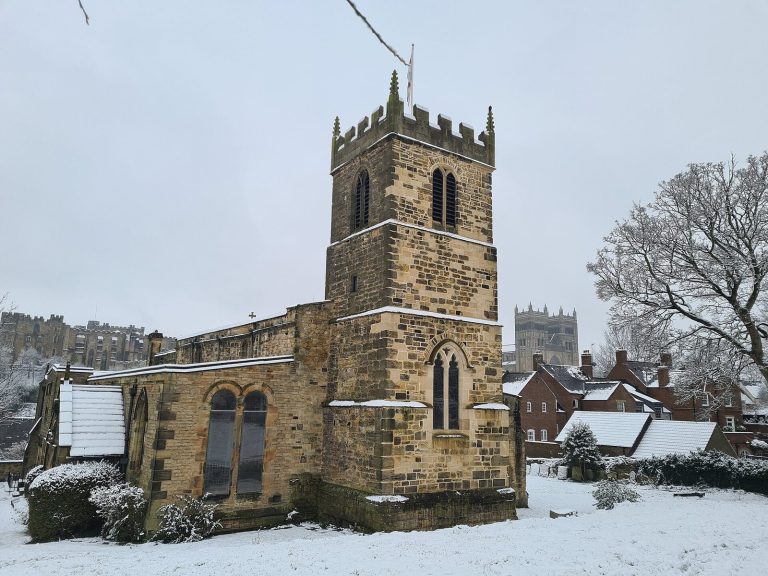
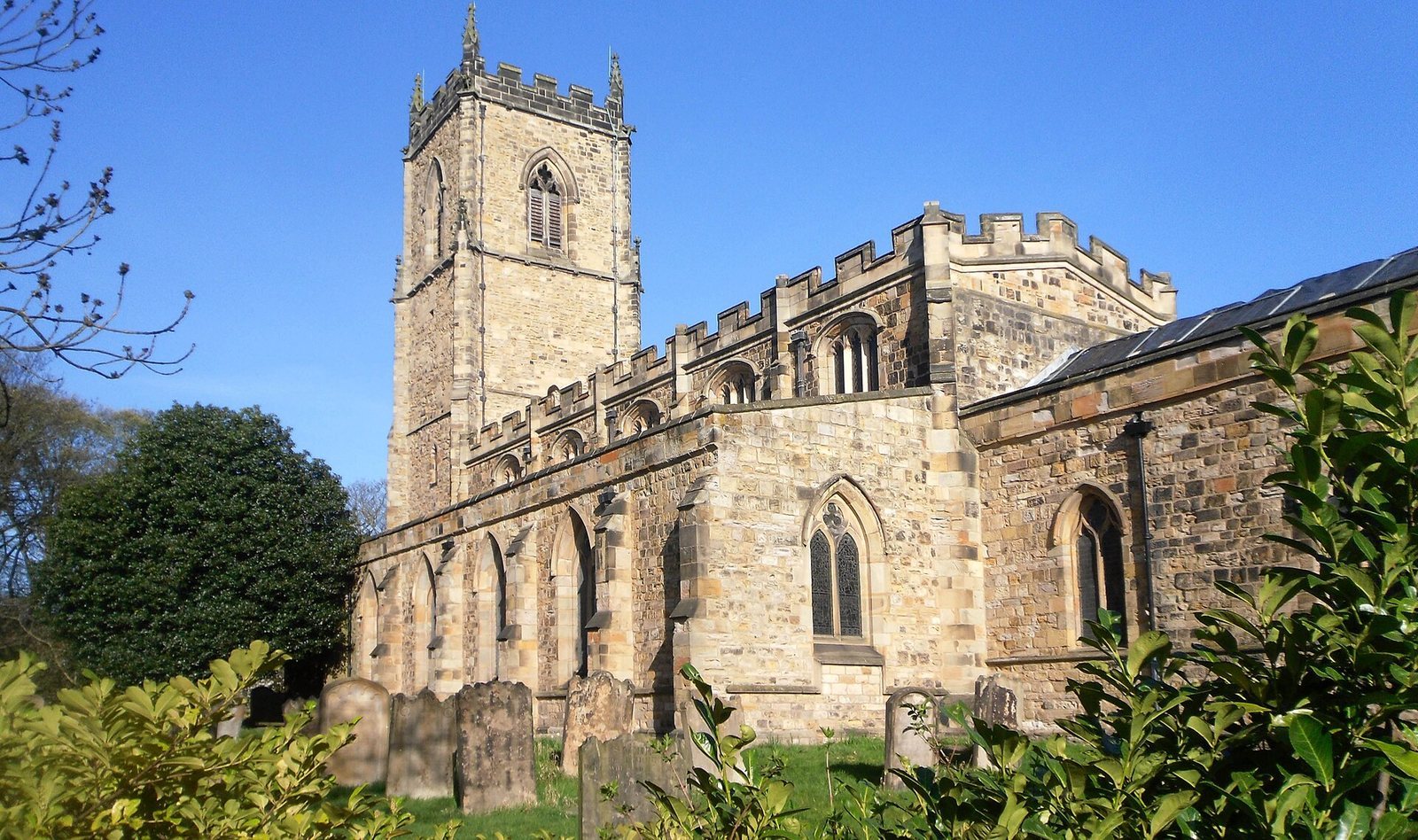
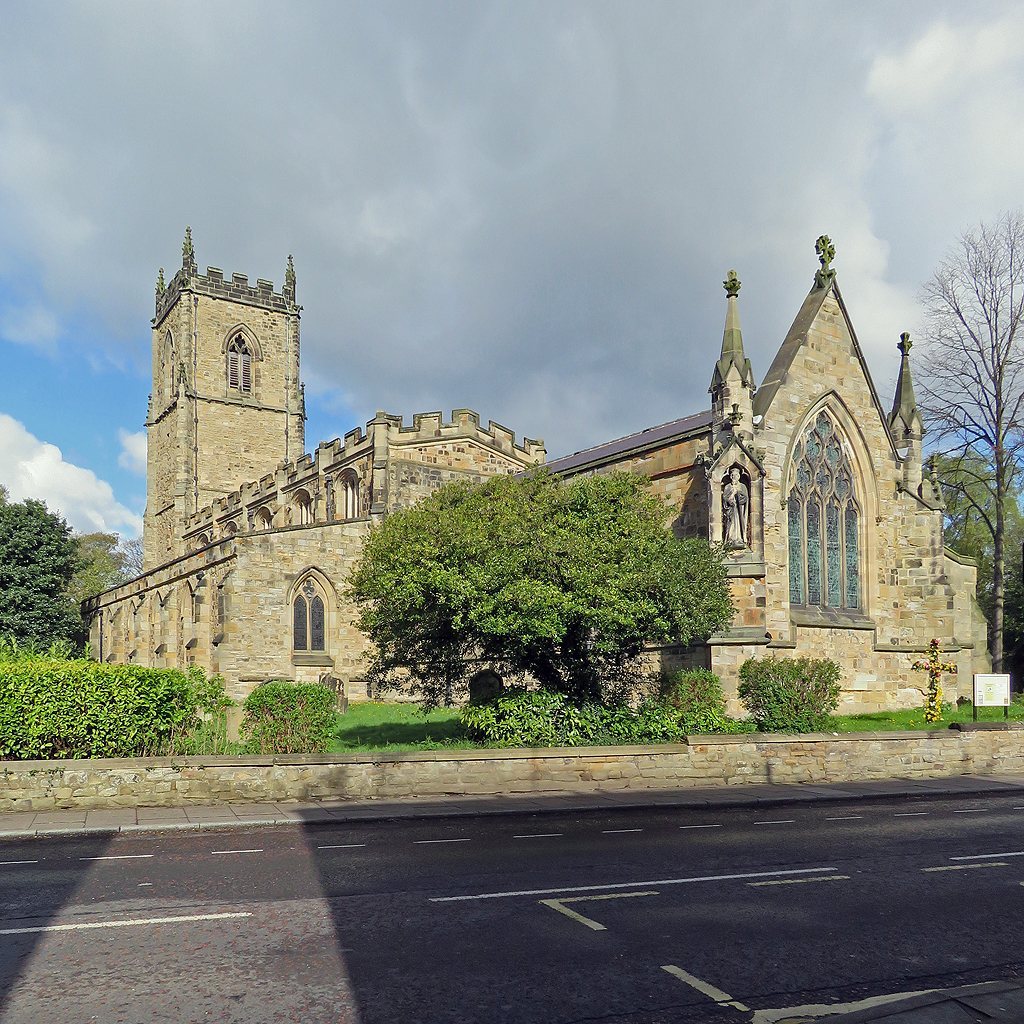
The Church of St Oswald in Durham is a Church of England parish church in the United Kingdom. Founded in 1101, its present building dates from the late 12th century and probably occupies the site of an earlier church. It is dedicated to Oswald of Northumbria, a seventh-century king venerated as a Christian saint.
Nineteenth-century rebuilding
Ignatius Bonomi rebuilt the church in 1834. In 1864, Hodgson Fowler rebuilt its tower and chancel and added an organ chamber.
John Bacchus Dykes served as choirmaster and vicar from 1862 until his death in 1876. He was an English clergyman and composer of hymn tunes.
Later use and changes
The church was formerly Roman Catholic and is now part of the Church of England. It follows traditional churchmanship, a preference for established Anglican forms of worship and practice. It belongs to the Three Saints benefice, a church organizational unit that also includes Shincliffe St Mary, Coxhoe St Mary, and Kelloe St Helen. The church is in the Diocese of Durham, a church jurisdiction overseen by a bishop, and the Archdeaconry of Durham, an administrative district within the diocese.
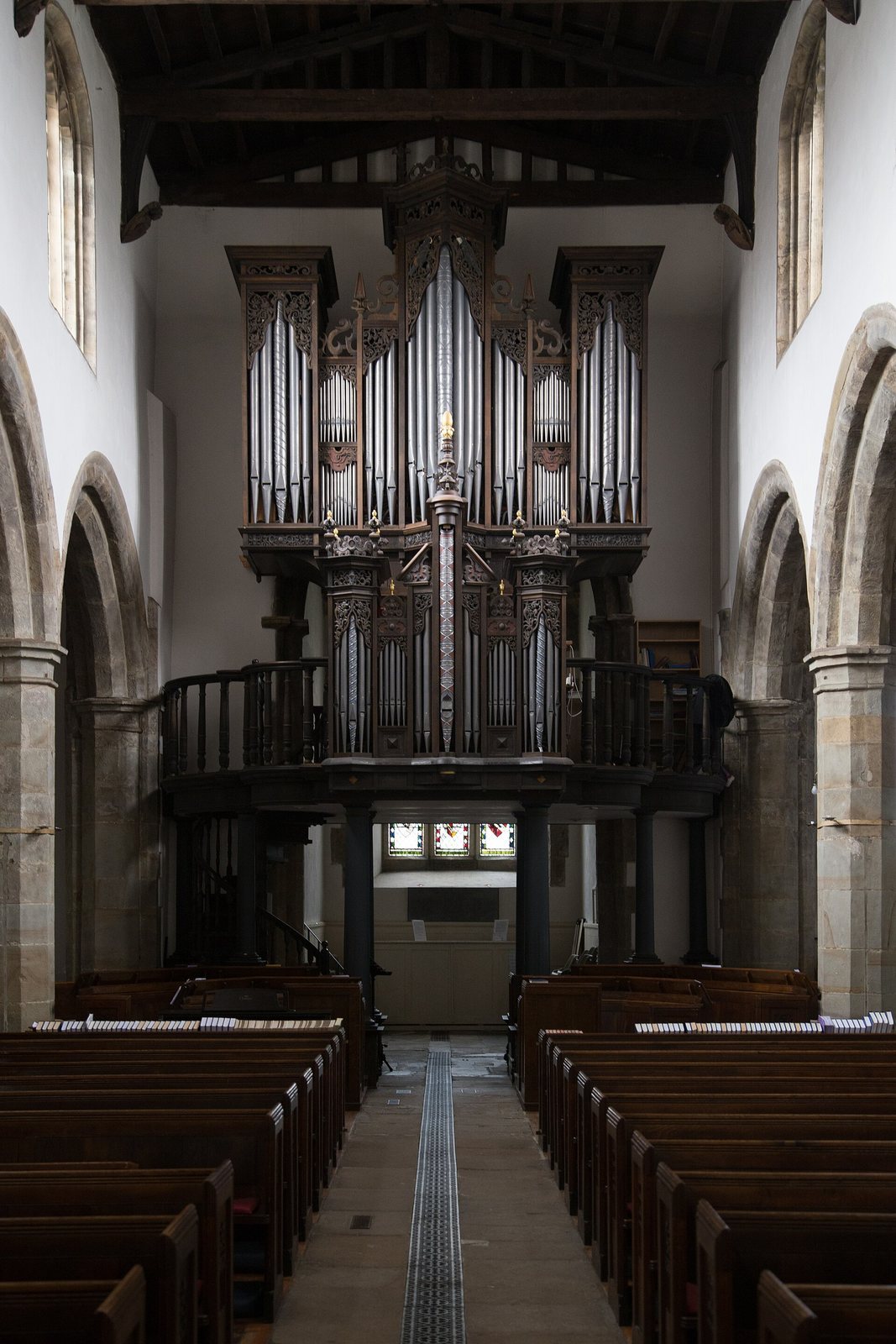
On 6 May 1952, the church received Grade II* listed status, a high level of protection for buildings considered particularly important. A fire in 1984 destroyed the organ and part of the chancel. English organ builder Peter Collins made a replacement to the specifications of organist David Higgins, and the organ was restored in 2019.
The church also served an Eastern Orthodox congregation, part of a Christian tradition distinct from Anglicanism, dedicated to St Cuthbert and St Bede. Cuthbert was a Northumbrian bishop, and Bede was an English monk and historian. The congregation later moved to the former mortuary chapel in Providence Row.
Remains
Church interior and associated ground
The physical remains include interior features in the church and a former extension churchyard across the road. The churchyard is now a play park.
Stained-glass windows
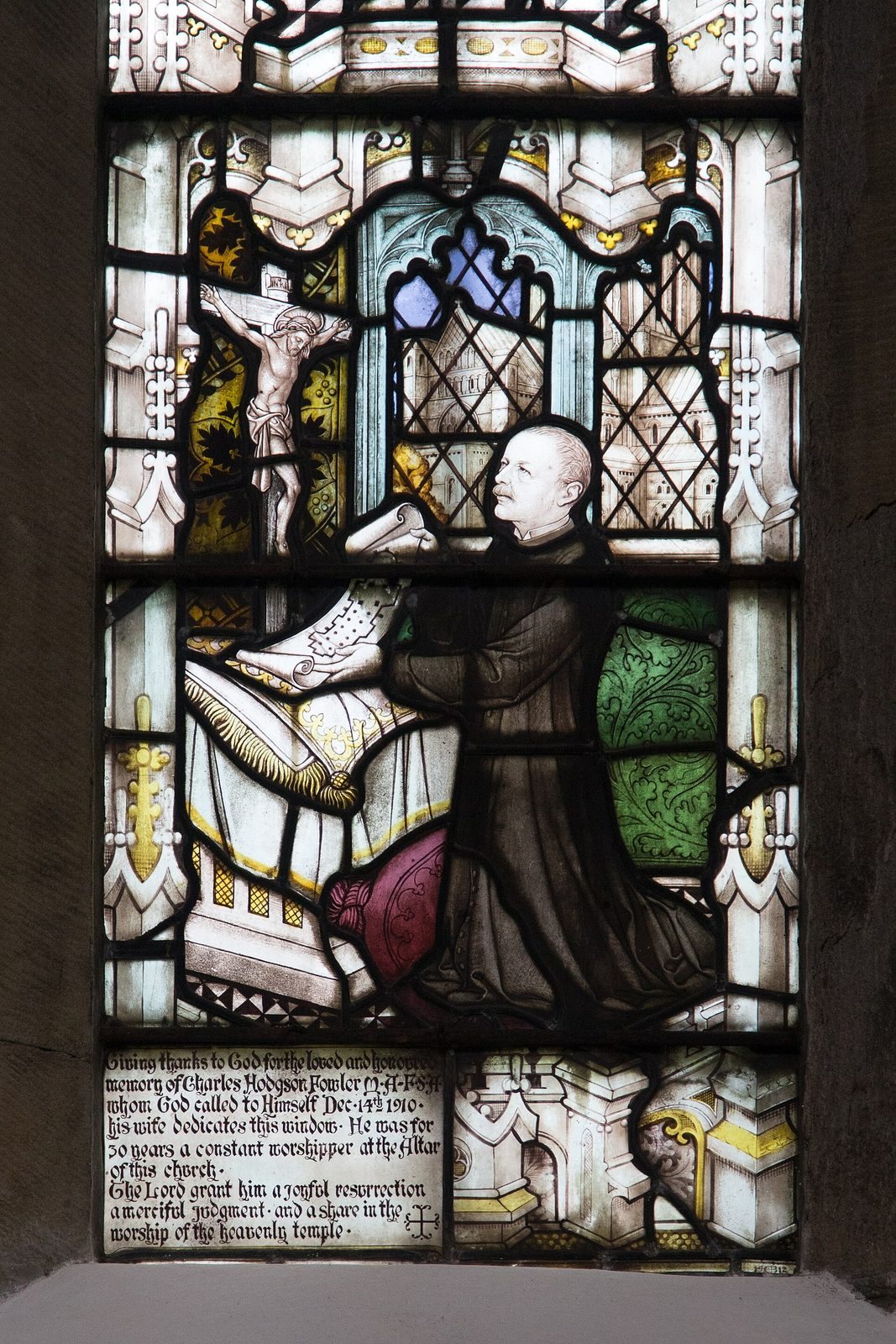
The west window dates from 1864–1866 and was designed by Morris & Co, a decorative-arts firm. Some of its panels were the work of English painter and designer Ford Madox Brown. Other windows were designed by stained-glass firms Kempe and Co and Clayton and Bell.
West gallery
A gallery at the west end of the church houses the organ.
Former extension churchyard
John Bacchus Dykes is buried in the former churchyard across the road, now a play park.