Church of St Mary in Calne: A Parish Church of Medieval Origins
Site at a Glance
- Rating
- 4.6
- Popularity
- Medium
- Country
- United Kingdom
- Primary era
- Medieval
- Eras represented
- Medieval, Early Modern, Modern
- Civilizations
- British, English
- Site type
- Religious
- Remains
- Church
On this page7 sections
History
Early church and medieval building
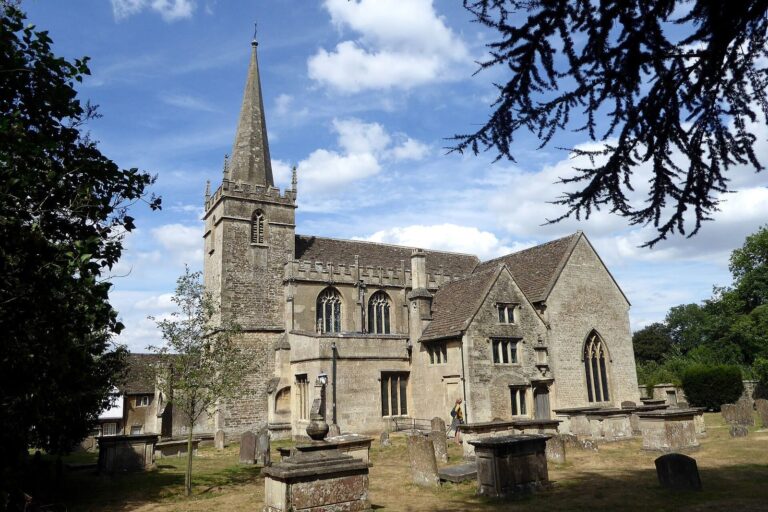
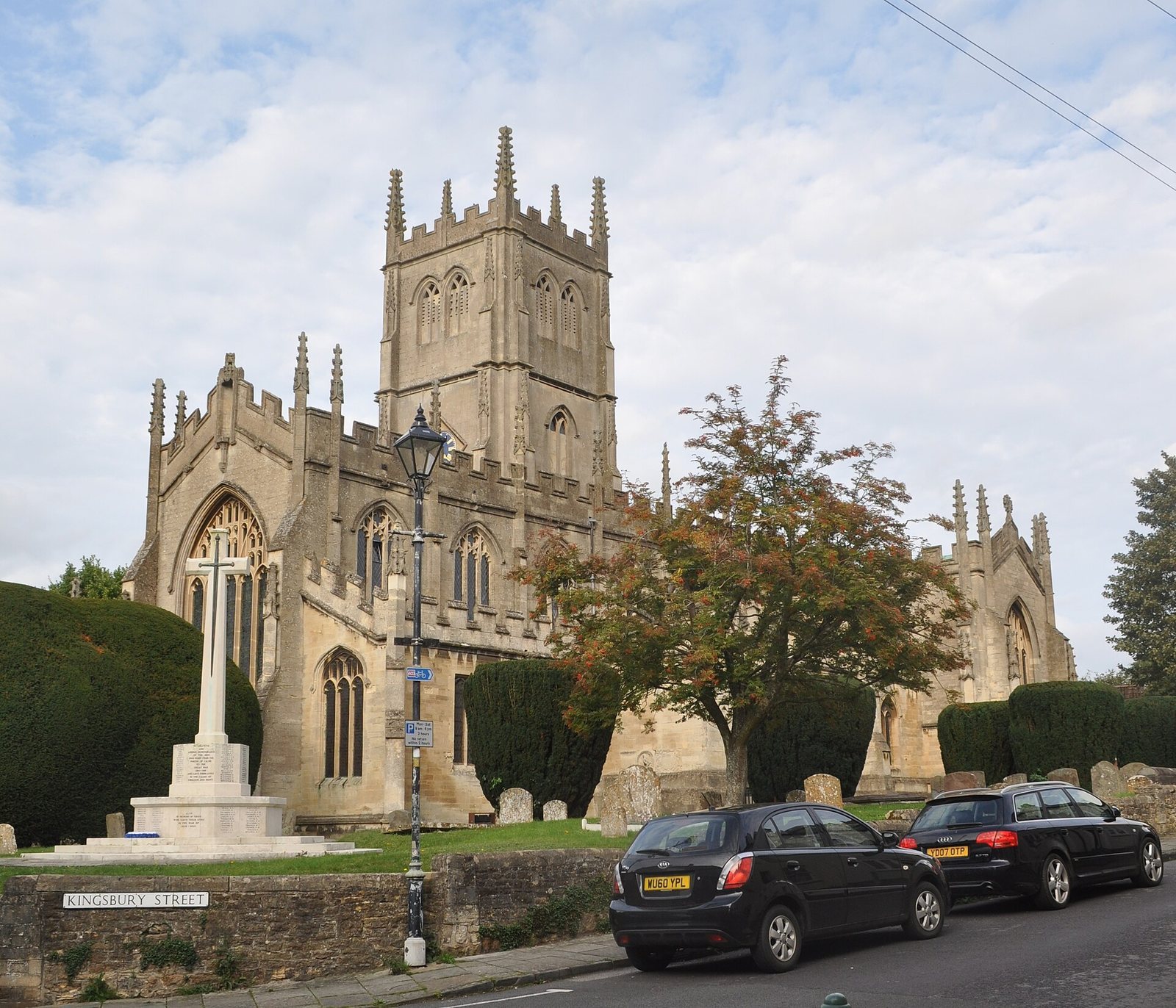
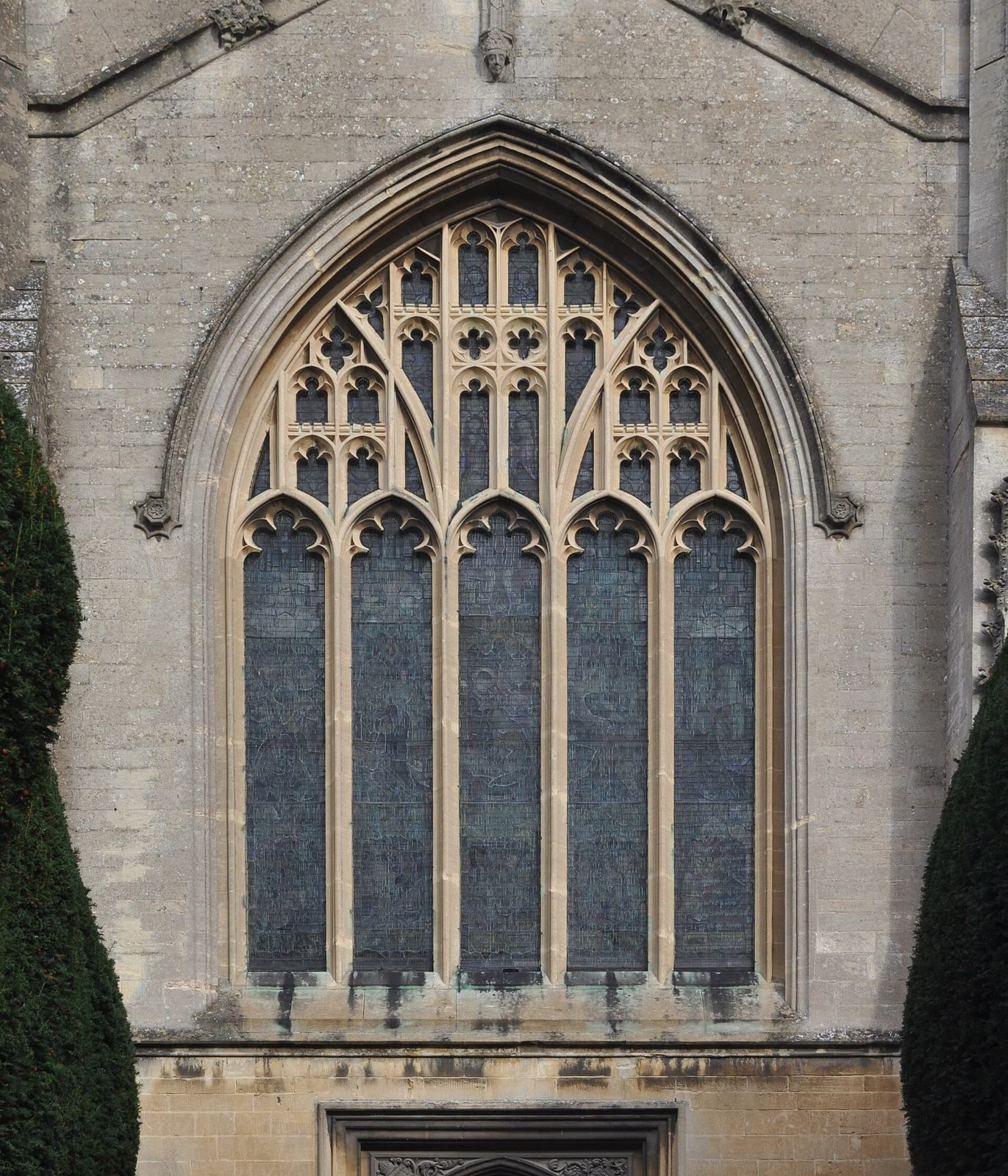
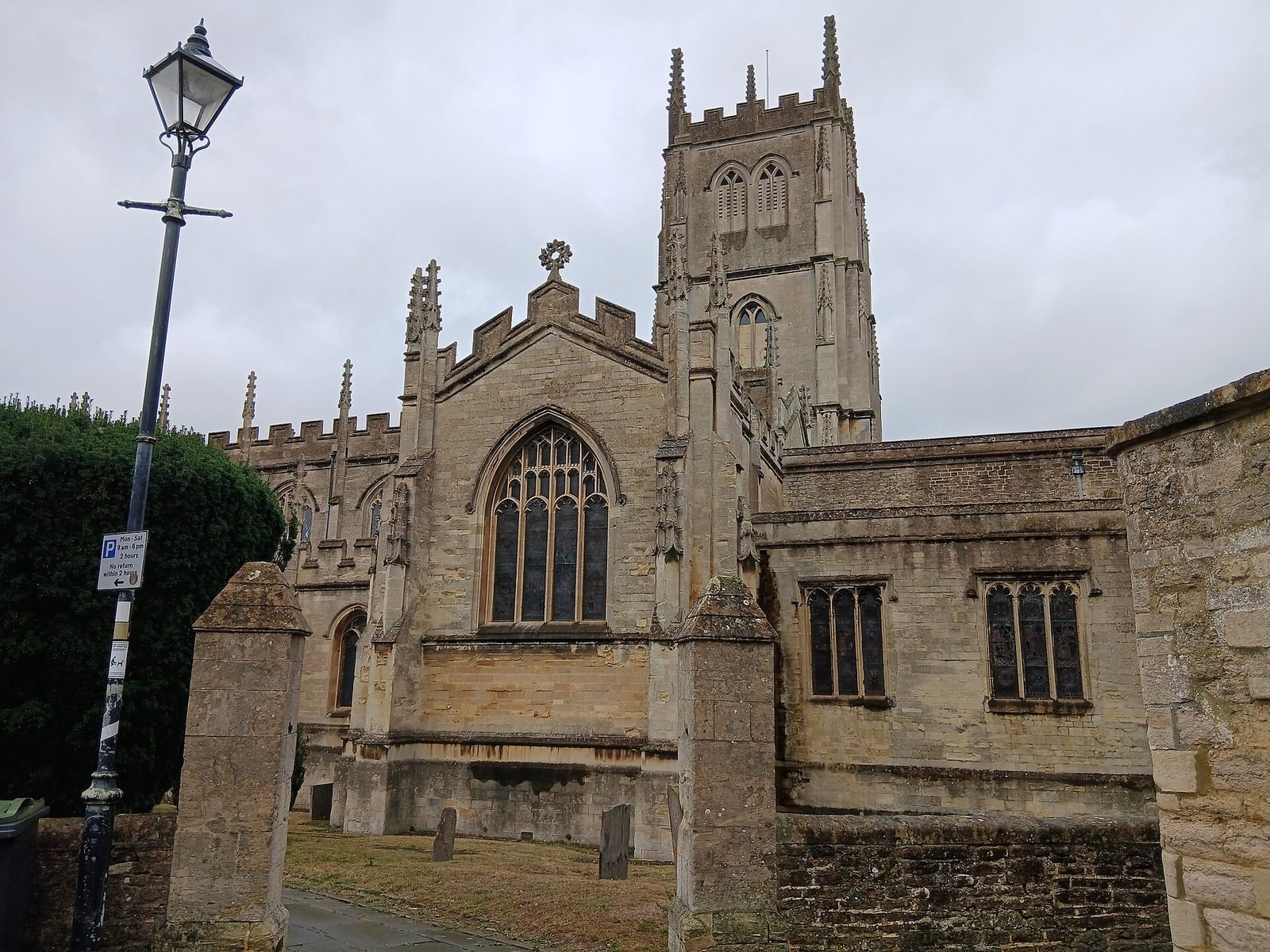
The Church of St Mary in Calne is a large Anglican church in the United Kingdom. Its present building dates to about 1160–70, and its architectural character is described as Perpendicular, a late-medieval English Gothic style marked by strong vertical lines. A church at Calne was recorded in 1066 and was almost certainly on the site of the present building. By 1116, the church’s estate provided a prebend at Salisbury Cathedral, an endowed income attached to a canon’s office. In the 14th century, the church was lengthened and St Edmund’s Chapel was added on its north side. During the 15th century, builders added a clerestory, an upper wall with windows above adjoining lower roofs, and porches on both the north and south sides; they also renewed the nave roof.
Damage and restoration
In 1638, the tower and spire above the crossing, where the church’s main arms meet, collapsed. The fall damaged the north and east sides of the chancel. The tower was later rebuilt over the north transept. William Slater’s designs guided restoration work in 1864, during which the organ and pulpit were moved. J. L. Pearson directed further work in 1882–83, when the organ was moved again, and designed the chancel restoration carried out in 1890–91. A new organ made by Conacher and Co was installed in 1908.
Parish and modern history
The ancient parish of Calne covered a wide area. Berwick Bassett, Cherhill and Studley each had a church or chapel dependent on St Mary’s. In the 19th century, Berwick Bassett and Cherhill became independent parishes. Much of the western area, including Sandy Lane, Studley and Bowood, transferred to the new church at Derry Hill, while Stockley transferred to Heddington. The present parish also includes Holy Trinity at Quemerford, a Victorian church, and the small 13th-century church at Blackland, south-east of Calne. Blackland joined the parish in 1881. Since 2010, Calne and Blackland, Derry Hill, Bremhill and Foxham have been served by the Marden Vale Team Ministry.
St Mary’s is the head church of the parish of Calne and Blackland. Its administration falls within the Diocese of Salisbury, a church district overseen by a bishop, and the Province of Canterbury, with the Archdeaconry of Wilts and Deanery of Calne. The church is Grade I listed, the highest listed-building category for buildings of exceptional interest. Its registers date from 1528 and are held at the Wiltshire and Swindon Record Office. Architectural historian Nikolaus Pevsner associated the church’s character with Calne’s prosperity as a town of clothiers.
Remains
Plan, tower and early fabric
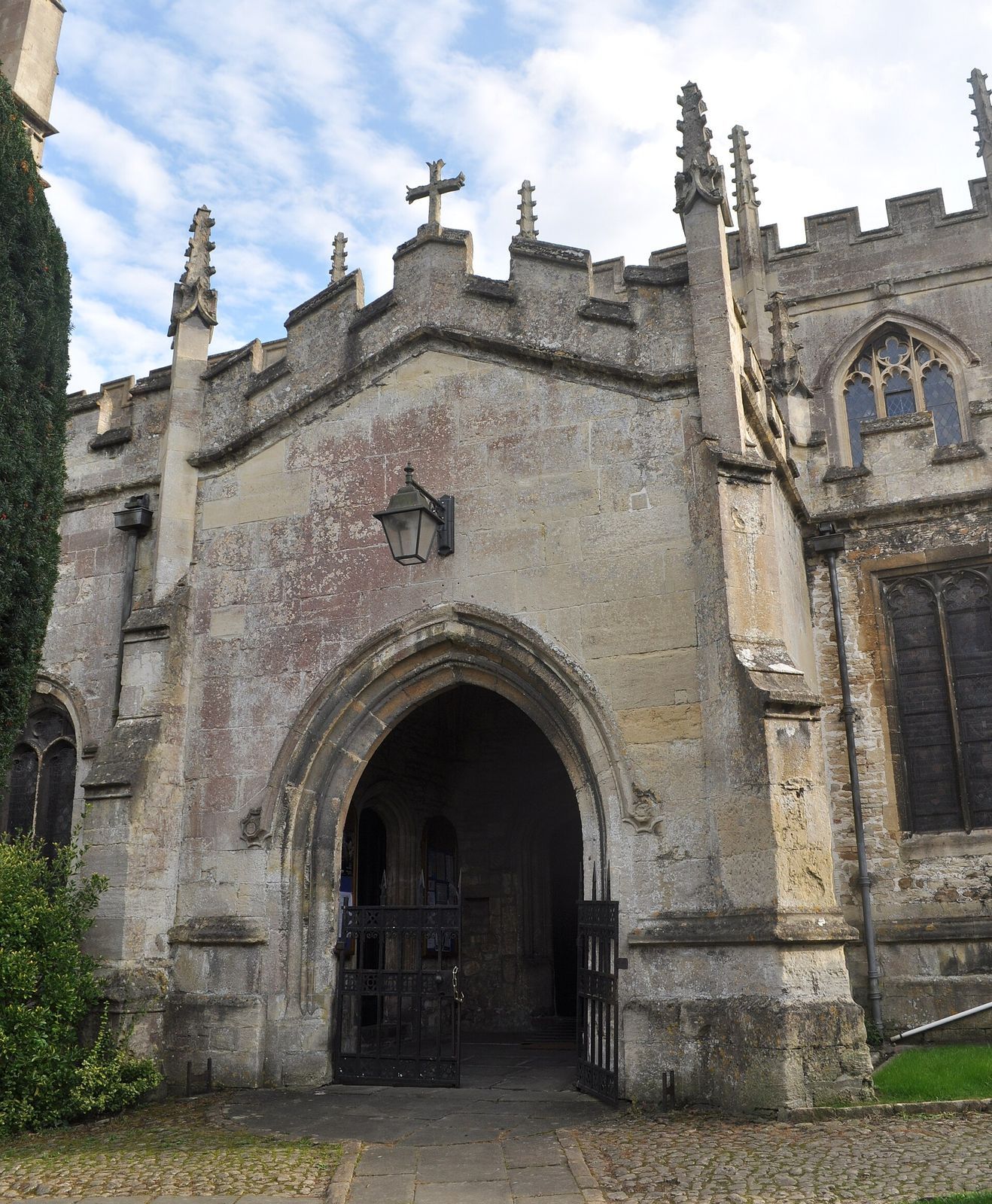
The church is large and cross-shaped, and stands in a triangular churchyard at the centre of Calne. Its architectural character is Perpendicular, while the tower is identified as Gothic Survival, the continued use of Gothic forms beyond the medieval period. Norman work, from the Romanesque style that developed in England after the Norman Conquest, survives in the nave, the central part of the church, and in part of a doorway now incorporated into the north porch entrance. The four-stage tower stands over the north transept, the arm that crosses the church’s main body. Its buttresses and pinnacles follow a regional manner associated with Somerset, which Pevsner described as the Somerset fashion.
Roofs, chapel and furnishings
The nave has a 15th-century roof, while the chancel retains a 17th-century roof. Bench pews date from the mid-19th century. The chapel at the north-east became a vestry in 1882–83. Behind an altar, a reredos, an ornamental screen or panel, was designed by Pearson in 1890. In the south chapel, the large organ case and altar are in the Arts and Crafts style, which emphasized skilled handwork. They date from the first decade of the 20th century, were designed by C. R. Ashbee and carved by Alec Miller, and came from Ashbee’s Guild at Chipping Campden.