Church of St Mary and St Hardulph, Breedon on the Hill: Parish Church and Former Priory
Site at a Glance
- Popularity
- Medium
- Country
- United Kingdom
- Primary era
- Medieval
- Eras represented
- Medieval, Early Modern
- Civilizations
- Anglo-Saxon, British, English
- Site type
- Religious
- Remains
- Church
On this page13 sections
History
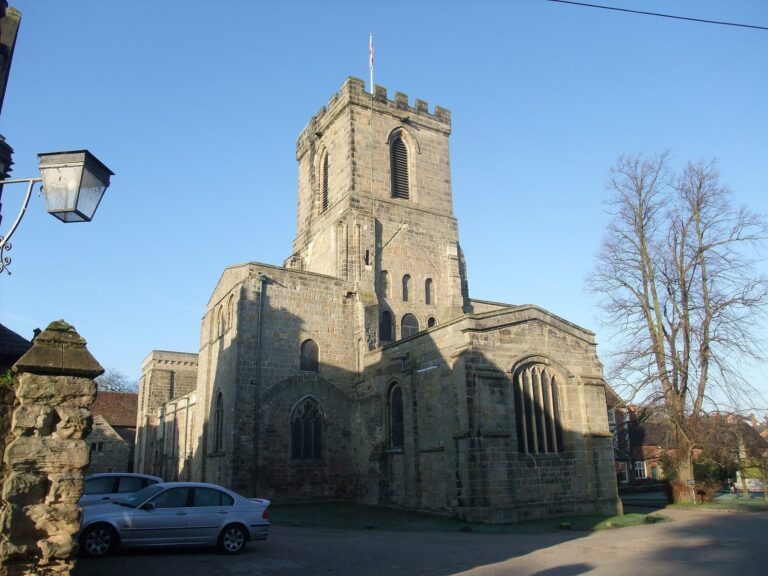
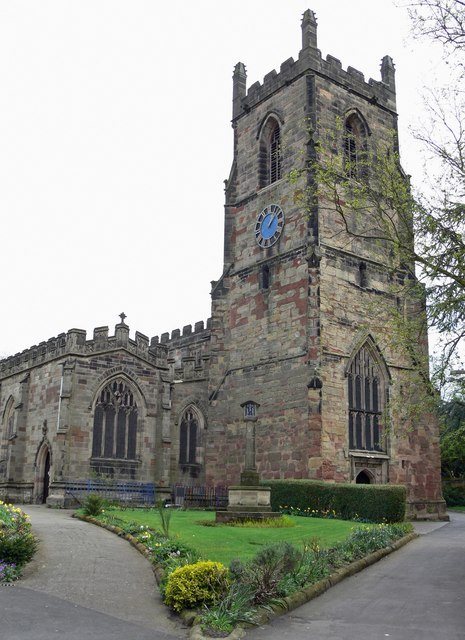
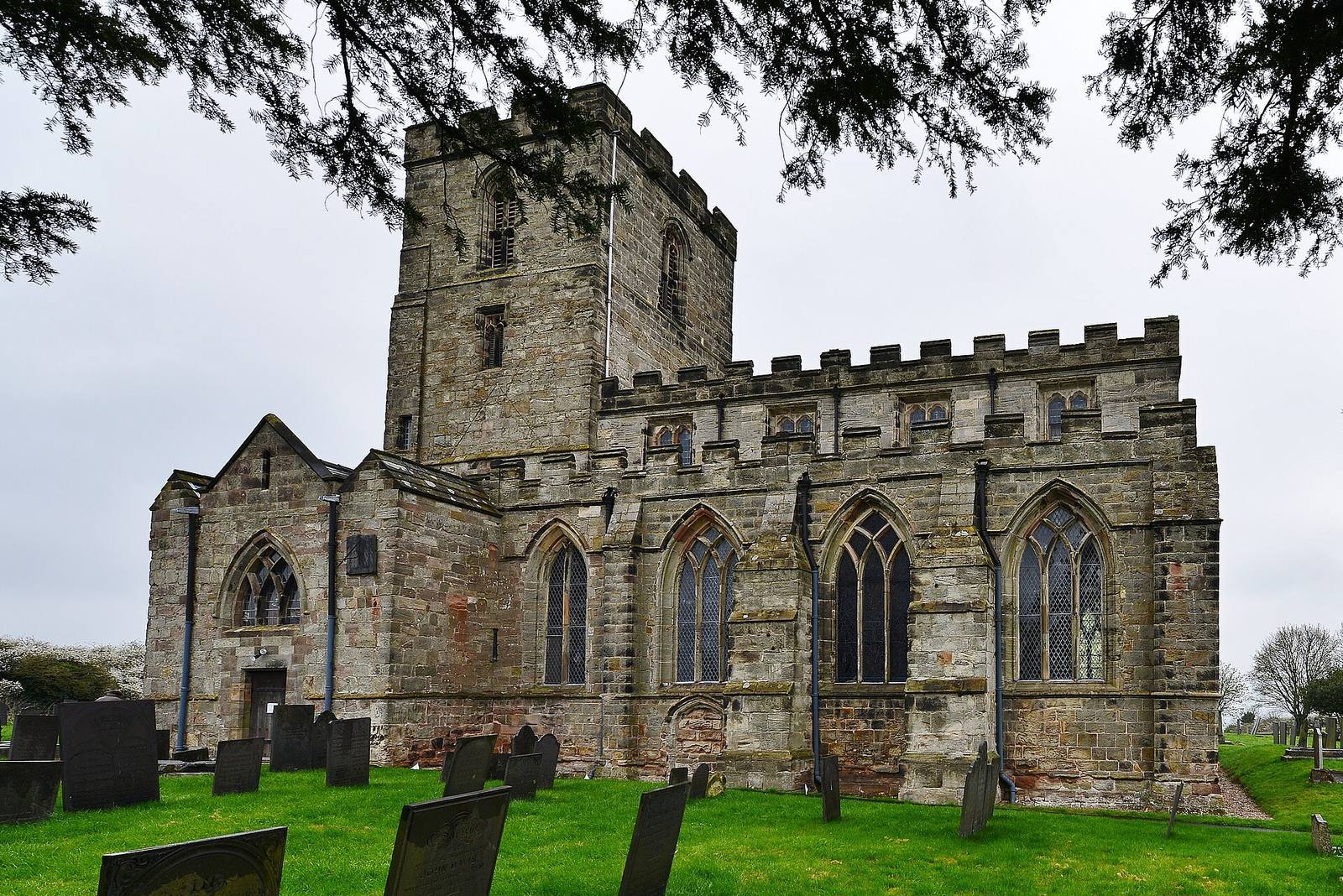
The Church of St Mary and St Hardulph is an English Gothic parish church on Breedon Hill in the United Kingdom. A minster, an early English religious community and centre of worship, was founded here around 675. An Augustinian priory, a community of clergy following the Rule of St Augustine, followed around 1120, and its church was founded in 1150. The minster trained Tatwine, who became Archbishop of Canterbury in 731 and held the office until his death in 734.
The Anglo-Saxon minster
The minster was founded with the consent of Æthelred of Mercia, king of an Anglo-Saxon kingdom in the English Midlands. Frithuric, a high-ranking leader, gave land on the condition that Hædda become abbot, the head of the community. Frithuric later added to the minster’s holdings, which grew further through a land purchase from Æthelred. Hædda went on to become Bishop of Lichfield.
A list of saints’ burial places compiled at Peterborough in the 12th century names four people buried at Breedon: Ærdulf, described as a king, and the monks Cotta, Benna and Fretheric. Frithuric may be the person identified as Fretheric. The identity of St Hardulf, the church’s patron, remains uncertain. Some historians connect him with Eardwulf, a king of Northumbria, through the list’s reference to the royal Ærdulf. Another tradition, recorded by Abbot Geoffrey in the early 12th century, associates a holy man called Hardulf of Breedon with St Modwenna of nearby Burton-on-Trent.
Landholding after the Norman Conquest
By 1086, the minster no longer held most of the lands that had supported it. William the Conqueror, the Norman ruler who became king of England in 1066, had granted the surrounding manors to the de Ferrers family, later Earls of Derby. The Domesday Book, a survey of English land and resources, records the manors under Tonge, a local settlement unit, and names Henry de Ferrers as a landholder directly under the king.
The Augustinian priory
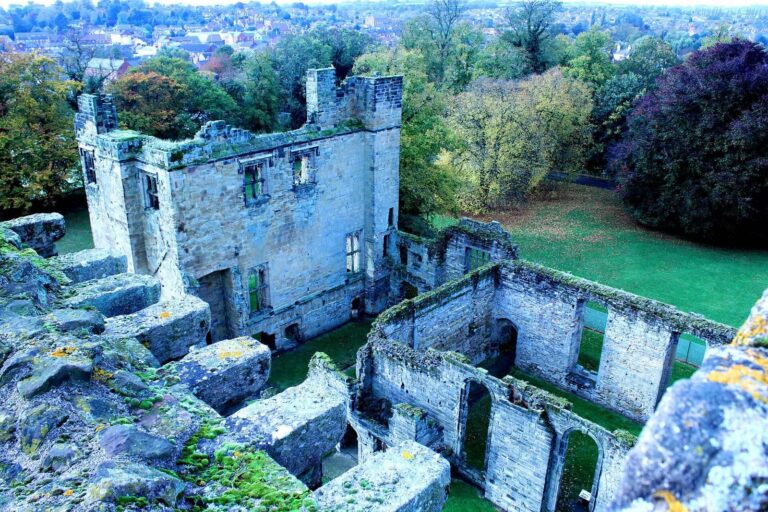
Breedon’s priory depended on Nostell Priory in Yorkshire. It usually housed three to five Augustinian canons, clergy living in a religious community, many of whom were sent from Nostell. Nostell generally chose the prior. Gervase, prior of Breedon, tried unsuccessfully to make the house independent and resigned in 1244. In 1441, William Alnwick, Bishop of Lincoln, found the priory in poor repair and burdened by debt.
By 1535, the priory had no resident community apart from its prior. A Crown assessment recorded its annual income after expenses as £24 10s. 4d. In November 1539, the house surrendered to the Crown during the Dissolution of the Monasteries, the suppression of religious houses in England during the 1530s and 1540s. The property was later sold to Francis Shirley, head of the local landholding family.
Parish use and the Shirley family
After the priory closed, the church continued in parish use, while its nave and other priory buildings were later demolished. The Shirley family were recusants, people who refused to conform to the established Church of England, and commemorated their members in the church. About six decades after Francis Shirley’s tomb was made, his great-grandson Thomas arranged repairs. Thomas wrote that Francis’s body appeared unusually well preserved, with a dark mark on one toe but no apparent decay. It was wrapped again and returned to the tomb.
The Shirley family’s wooden pew was made in 1627. The north aisle, where it now stands, remained in separate Shirley family ownership until the 1950s. The church received Grade I listing in 1962, England’s highest category for listed buildings.
Remains
Hilltop setting and church
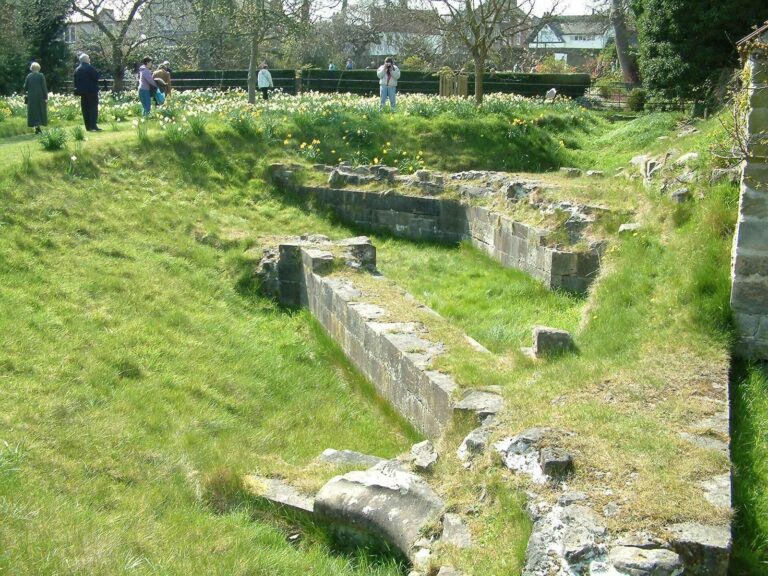
The church stands at the summit of Breedon Hill within the remains of an Iron Age hillfort, an enclosed defensive site, known as The Bulwarks. The village lies to the south, and Breedon Quarry extends onto the hill from the east. Neolithic artefacts have also been found on the hill. The parish church occupies the eastern part of the former priory and incorporates its tower, which once stood at the centre of the complex.
Anglo-Saxon carvings
The church contains a large collection of relief sculpture, carving that projects from a background surface, brought from the earlier Saxon abbey church. The carvings date to the 9th century and include Celtic patterns, lions, human figures, cocks and other birds pecking at vines. Some may be among the earliest surviving examples in England. Many are set into the interior walls and wrapped in lead sheet, in positions suggesting they were not intended to serve as structural blocks.
Shirley memorials and furnishings
Tomb chests
Two substantial Shirley family tomb chests are carved from Chellaston alabaster, a soft stone used for carving. The chest for Francis Shirley and his wife dates to 1571 and has paired carved mourners around its sides. A similar memorial for John Shirley and his wife dates to 1585. Richard and Gabriel Royley of Burton upon Trent made both.
Monument to Sir George Shirley
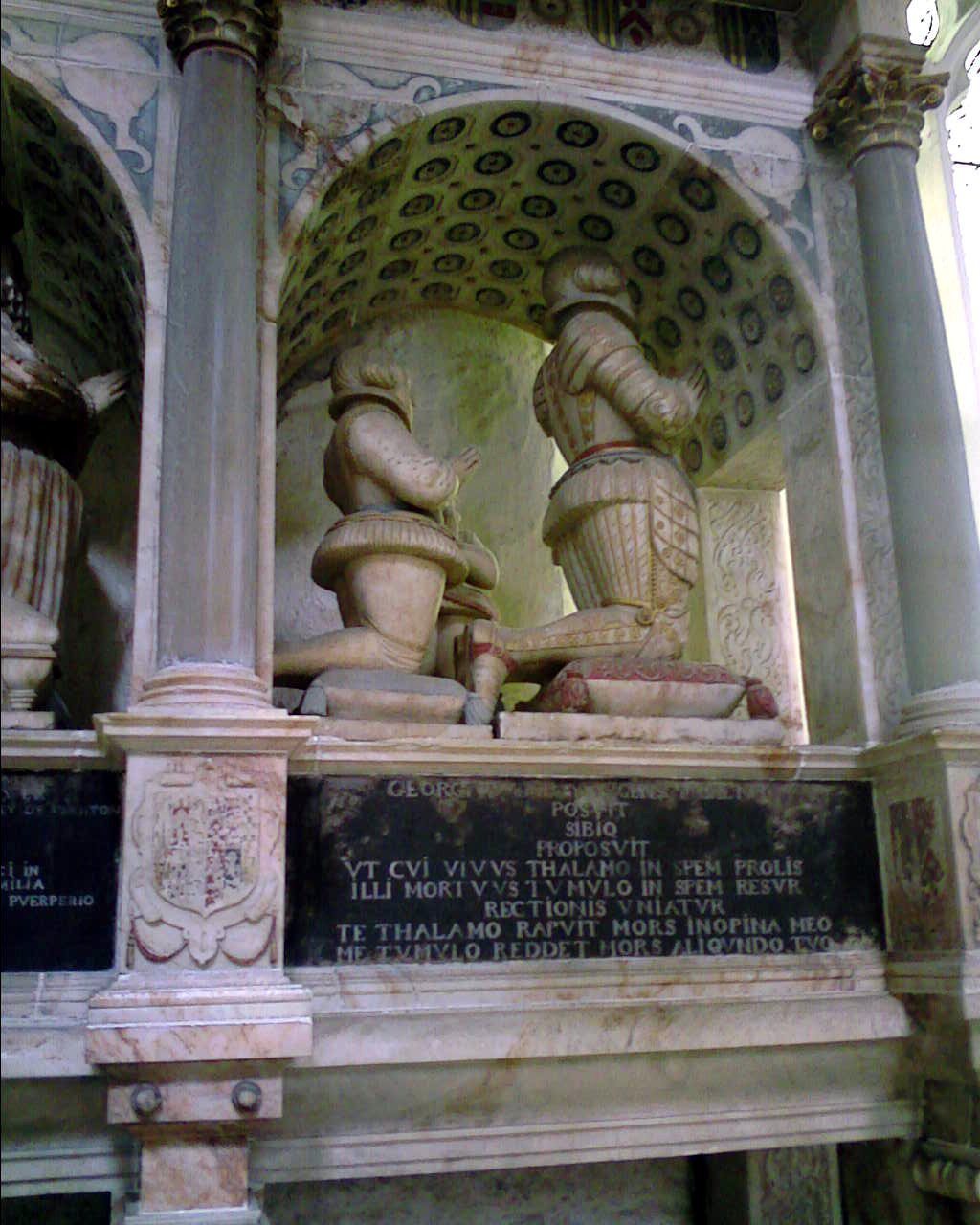
Three substantial memorials commemorate Sir George Shirley, his father John and his grandfather Thomas. Sir George’s monument, dated 1598, was made more than 20 years before his death in 1622. Built from large alabaster blocks, it has three levels. A life-size alabaster skeleton occupies the lowest level, representing the mortality of the figures above. Six pillars support the middle level, which has two arched spaces. Sir George kneels in prayer in the right arch, with his two sons behind him; the figures wear brightly painted clothes with gold details. His wife, who died in 1595, their daughter and two babies appear in the left arch. A Latin inscription says that his wife died aged 29 while giving birth. Six more pillars support the upper level, a stone canopy centred on a large carved coat of arms. Stonemason Thomas Allt rebuilt the monument in the 19th century and signed his work.
Pews
The Shirley family’s wooden pew stands in the north aisle, a side section along the church’s north side, to the left of Sir George’s monument. It may once have been in the main body of the church. The other box pews, enclosed seating compartments, date from the 18th century.
Churchyard grave
The churchyard contains a war grave for a First World War soldier of the Machine Gun Corps, a British Army unit that operated machine guns.