Church of St. Joseph in Krzeszów Abbey: An Early Baroque Catholic Church
Site at a Glance
- Popularity
- Medium
- Country
- Poland
- Primary era
- Early Modern
- Eras represented
- Early Modern
- Civilizations
- Habsburg, Holy Roman Empire, Kingdom of Bohemia
- Site type
- Religious
- Remains
- Church
On this page5 sections
History
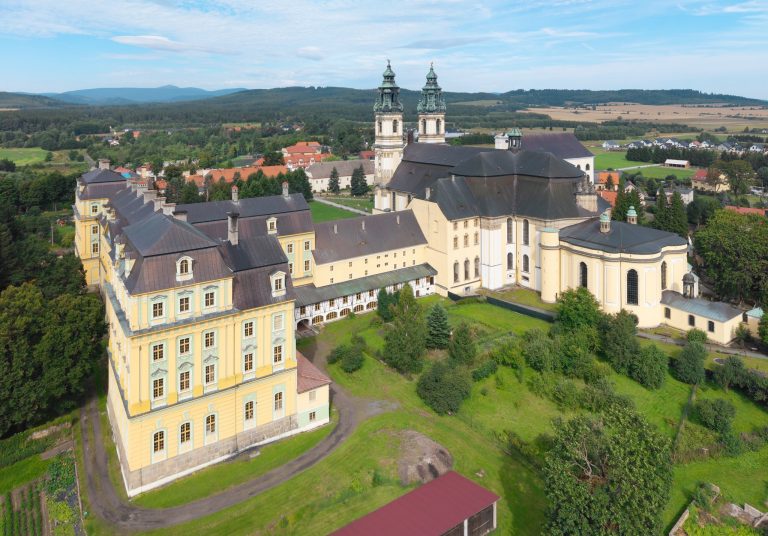
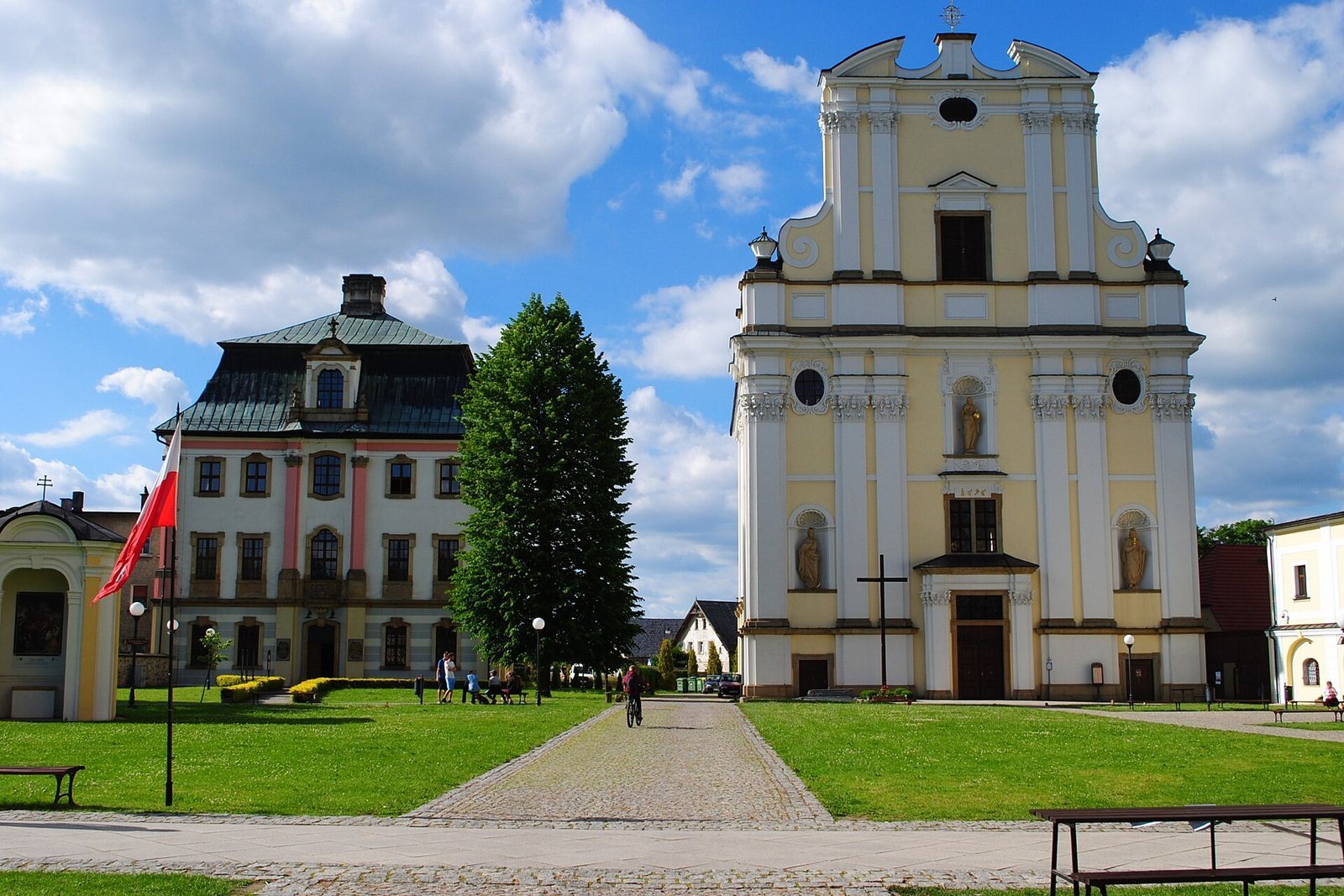
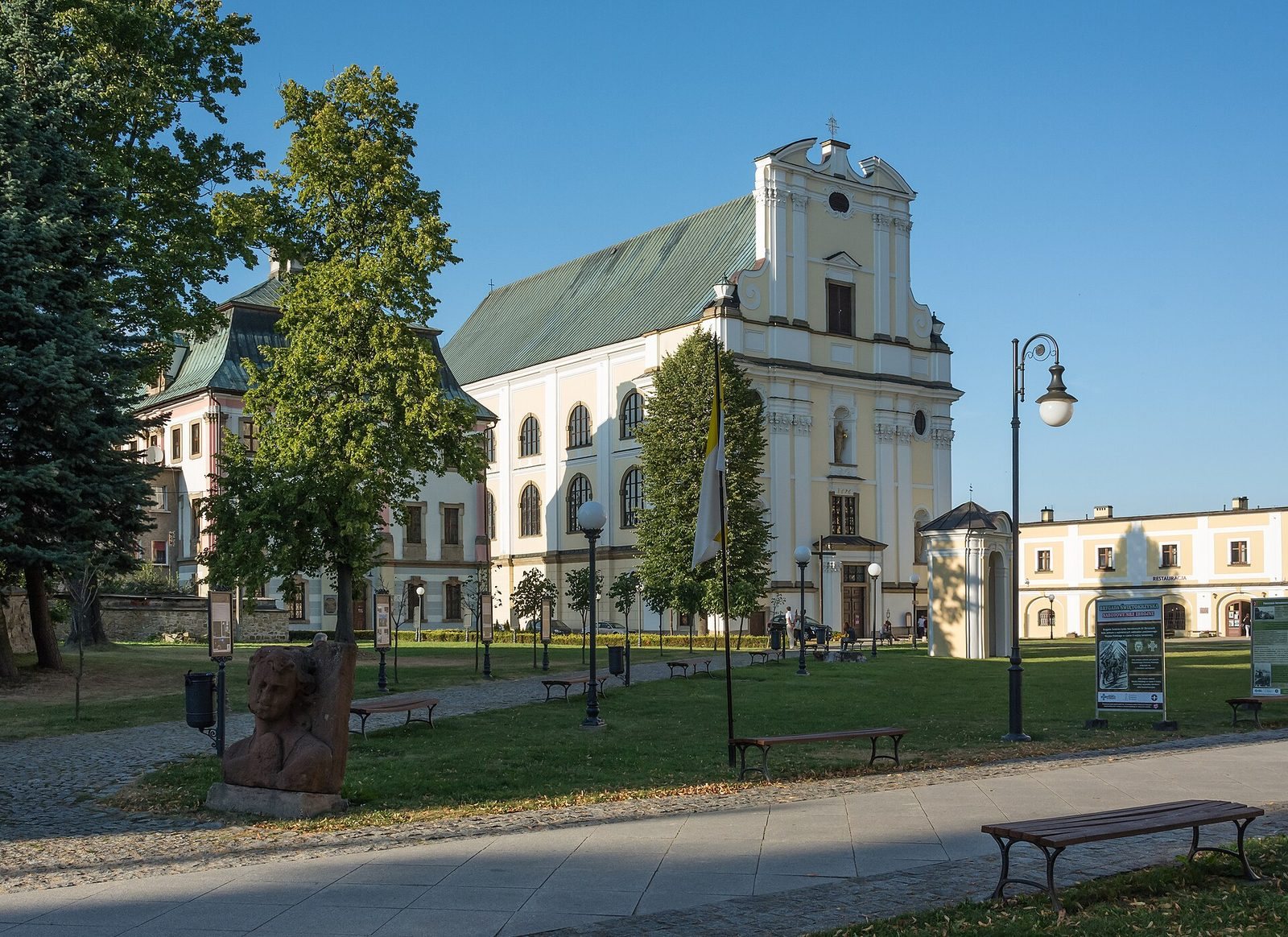
The Church of St. Joseph in Krzeszów Abbey is a Roman Catholic auxiliary church in Krzeszów, Poland, dedicated to Joseph, whom Christian tradition regards as Mary’s husband and Jesus’ guardian or foster father. Built from 1690 to 1696 in the early Baroque style, a European artistic and architectural style prominent from the late sixteenth through the eighteenth centuries, it also served a confraternity, a religious association organized for devotional or charitable purposes. Builders M. Urban of Lubawka and M. Klein of Nysa took part in its construction. The church belongs to the parish of the Assumption of the Blessed Virgin Mary in Krzeszów, within the Diocese of Legnica, and its liturgical memorial falls on March 19.
Soon after the church was consecrated, its towers on the south façade collapsed. On March 19, 2021, Zbigniew Kiernikowski, Bishop of Legnica, declared the church a diocesan sanctuary, a church formally recognized as a center of particular devotion within its diocese.
Remains
The church’s plan centers on a single nave, or main hall, with shallow chapels along its eastern and western sides and galleries above them. To the north, a deep monastic choir, the area used by a religious community for communal prayer, ends in an apse, a recess usually semicircular at a church’s end.
Façade
The south façade has a gable with curved, scroll-shaped shoulders. Stone sculptures occupy niches in the façade.
Fresco cycle
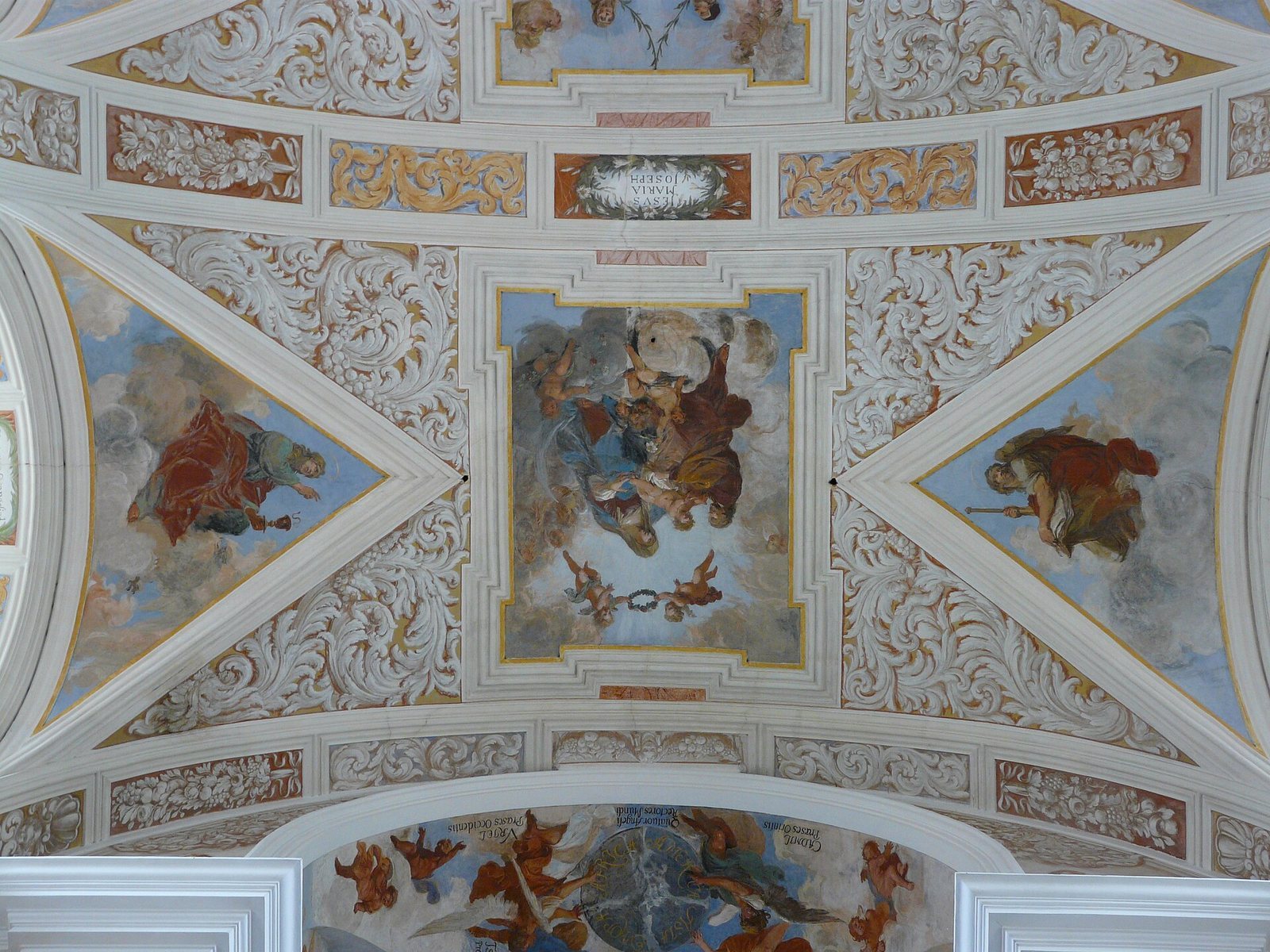
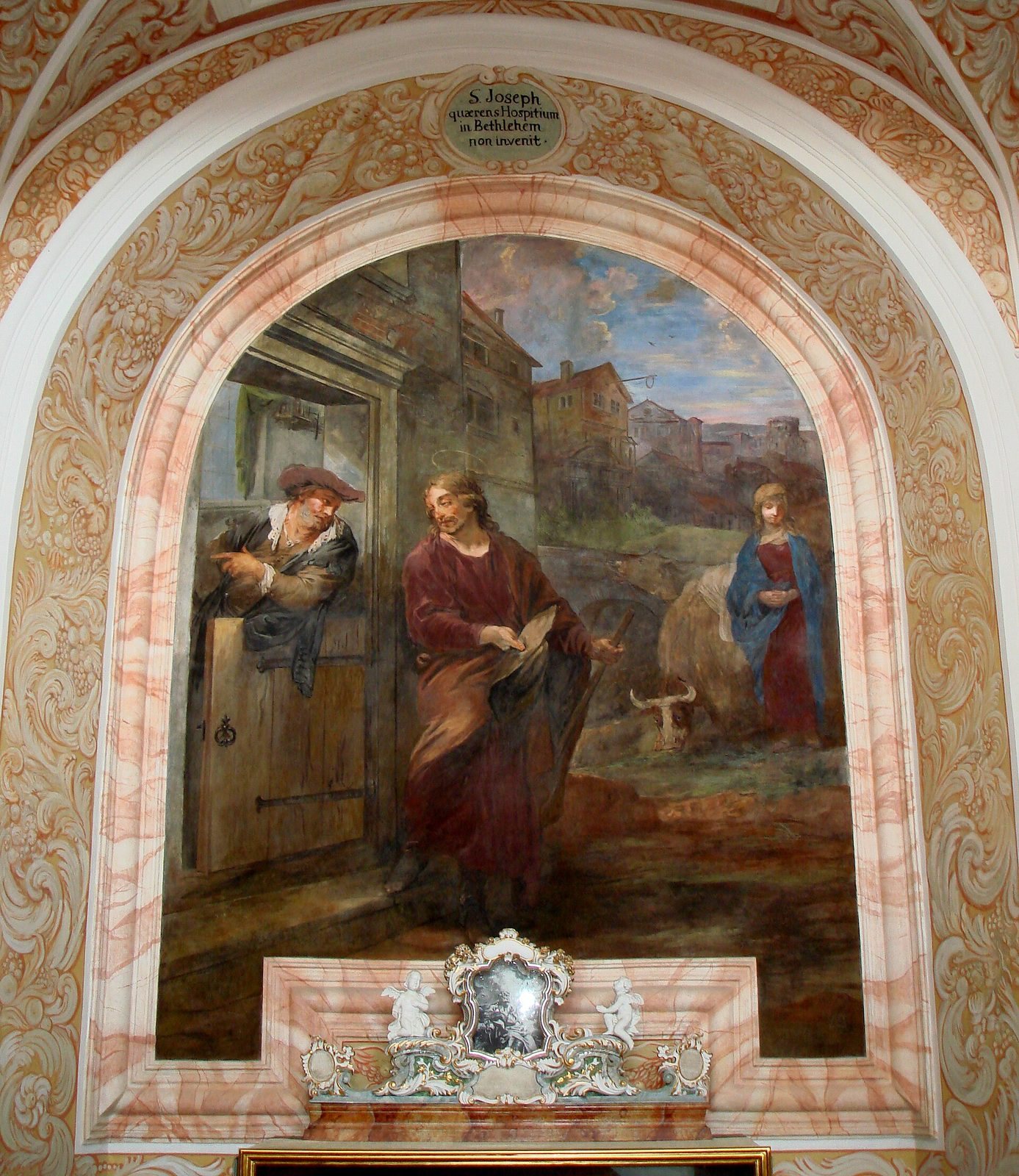
A barrel vault, a continuous curved ceiling, covers the interior. Crescent-shaped spaces where the vault meets the walls are called lunettes. Michael Willmann, a German-born Baroque painter active in Silesia, painted frescoes throughout the church, including the choir and side chapels. The extensive cycle took several years of intensive work and is the largest group of fresco paintings north of the Alps. Its subjects include the history of the Holy Family and the ancestors and relatives of Jesus, Mary, and Joseph. Scenes in the chapels on the left depict Joseph’s joys, while those on the right portray his sorrows. Biblical scenes use Silesian landscapes as their settings, and Willmann painted himself as the innkeeper in the scene of the Inn at Bethlehem. The presbytery, the part of the church around the altar, depicts the Adoration of the Three Kings.
Altar and furnishings
A sculptural main altar complements the frescoes. Its tabernacle, the container for the reserved Eucharist in a Catholic church, was made by Jerzy Schrëtter in 1678. The pulpit and organ date to around 1700 and were made by the craftsman who produced the choir stalls at Henryków. The organ has ten stops, or sets of pipes selected by controls, one keyboard, and a pedalboard.