Church of Saint Just: A Church of England Parish Church
Site at a Glance
- Rating
- 4.9
- Popularity
- Medium
- Country
- United Kingdom
- Primary era
- Medieval
- Eras represented
- Medieval, Modern
- Civilizations
- British, English
- Site type
- Religious
- Remains
- Church
On this page10 sections
History
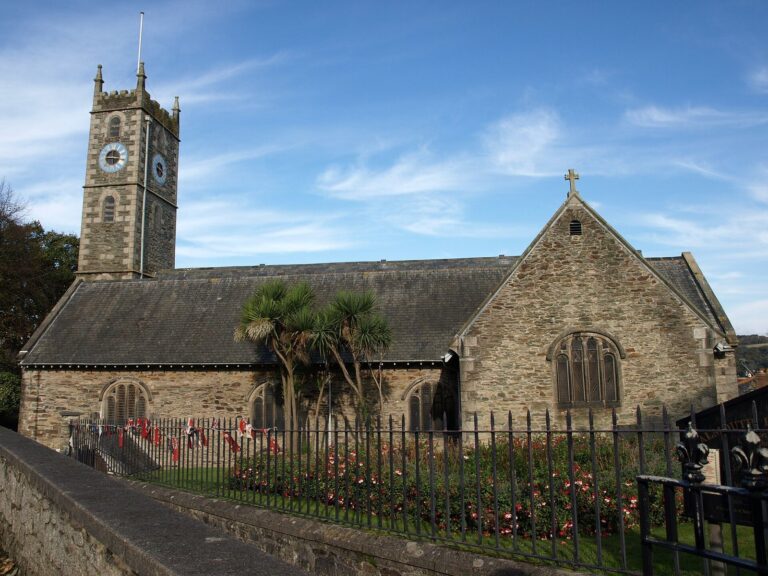
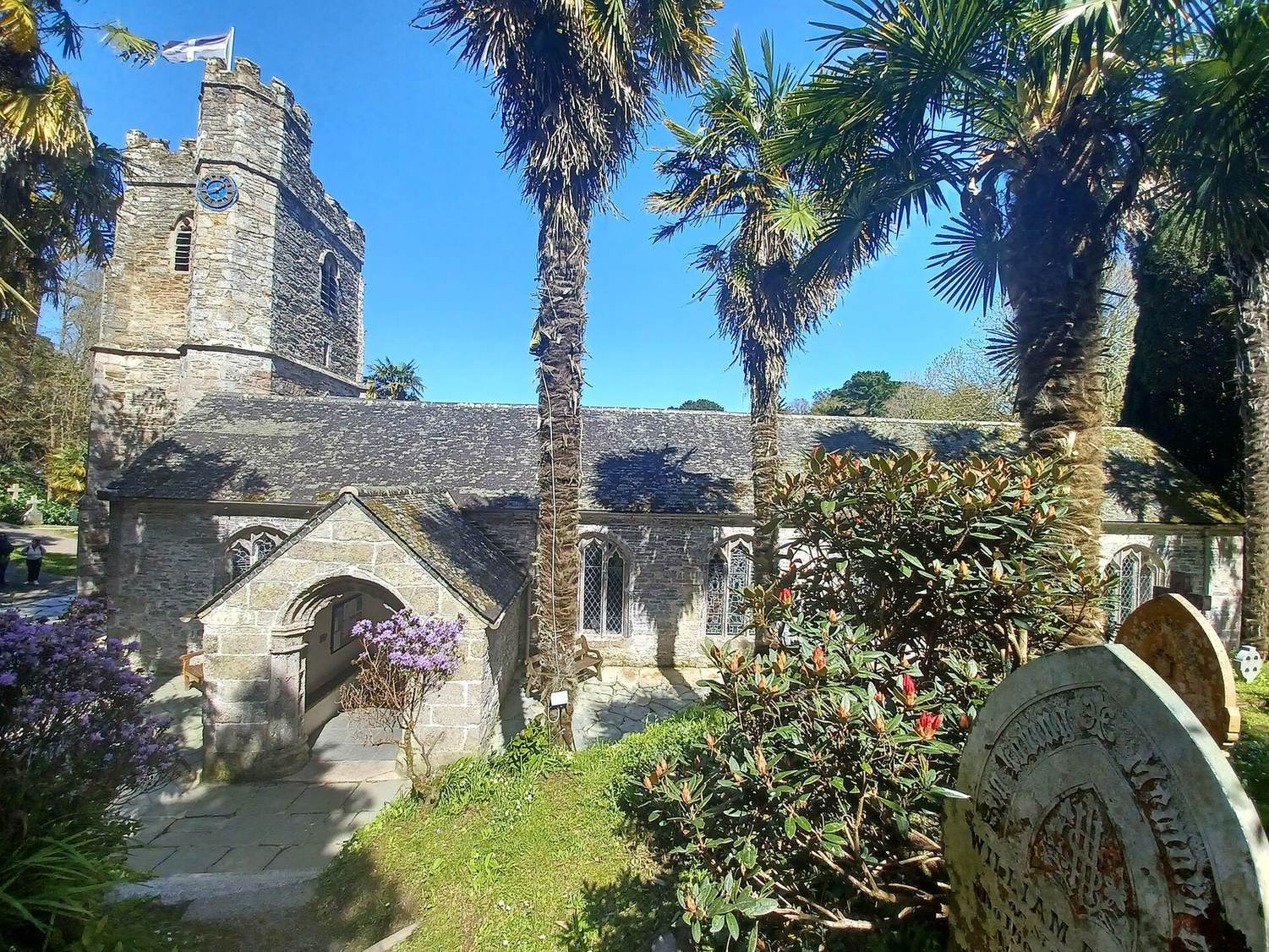
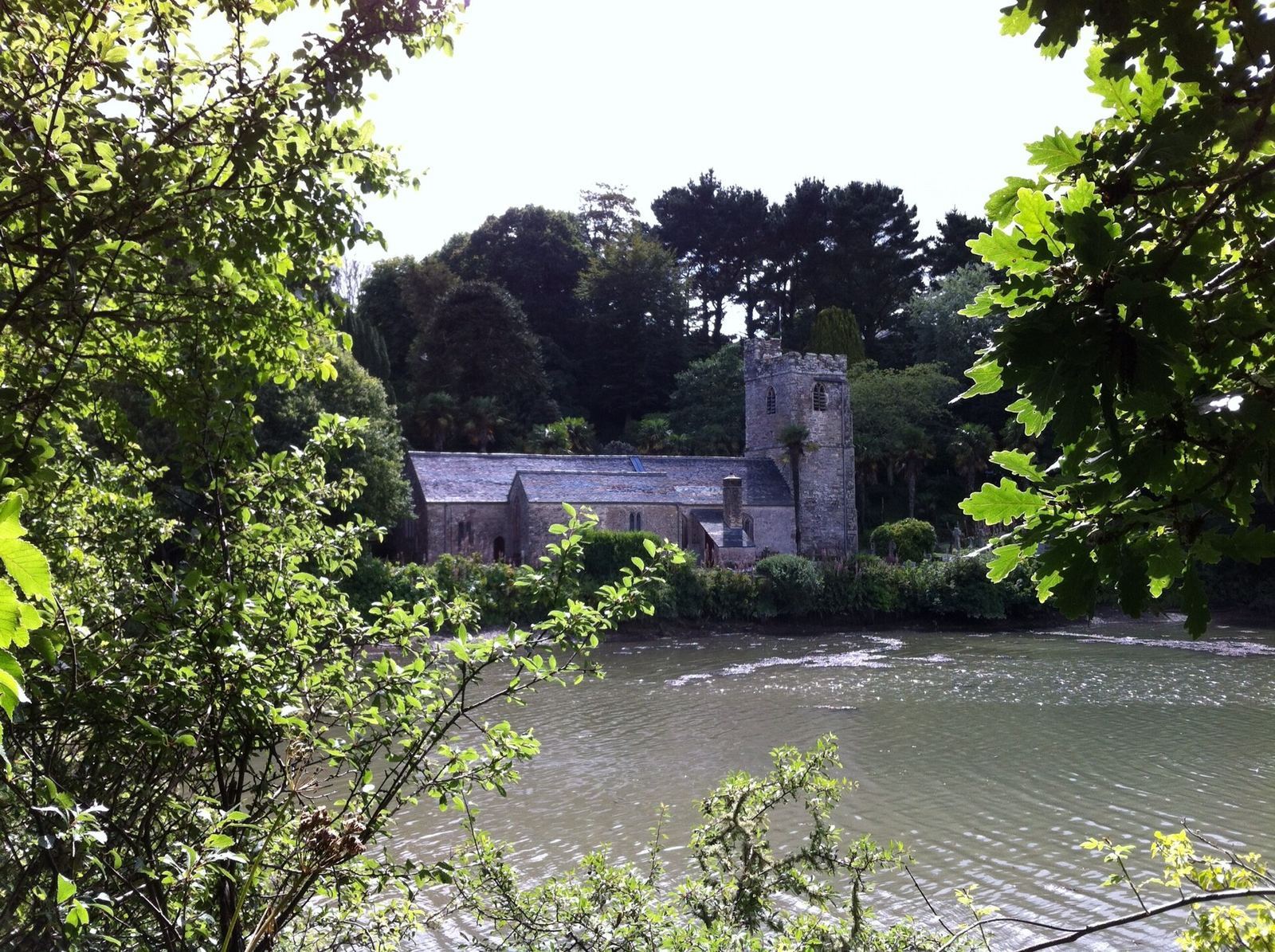
The Church of Saint Just is a Church of England parish church in the United Kingdom. Its present building dates from the 13th century, while the church’s traditional history reaches back to around 550.
Early church and changing authority
The church is thought to have been founded around 550 in honour of St Just the Martyr. Its listed dedication, however, is to St Justinian of Ramsey Island, a Welsh Christian saint. For its first four centuries, clergy from Celtic Christian communities served the church from the nearby religious cell of Lanzeague, a small religious house or outpost. Around 950, its authority passed from the Celtic Church, a broad term for early Christian communities in Celtic-speaking regions, to the bishops of Cornwall, Crediton and Exeter.
Medieval patronage and consecration
In 1140, Robert Warelwast, Bishop of Exeter, granted the church to the canons of Plympton Priory. Canons were clergy living in a religious community under a common rule, and a priory was a religious house led by a prior. Vicars served the church on the priory’s behalf. In 1189, John le Sor, Lord of Tolverne, recovered its patronage, the right to nominate the parish incumbent, from the priory. The church’s incumbents thereafter held the office of rector.
Simon of Apulia, Bishop of Exeter, consecrated the church in 1216.
Restoration and present status
The church was restored in 1872 and reopened by a bishop on 18 November that year. It is now part of the Diocese of Truro, a bishop-led district within the Province of Canterbury, which groups dioceses. Its local administrative subdivisions include the Archdeaconry of Cornwall and the Deanery of Powder, and it serves the parish of St Just in Roseland. It became a Grade I listed building on 30 May 1967, the highest listed-building category in England.
Remains
The 13th-century church has a north transept, an interior refitted in the 19th century, and a vestry added during the 20th century.
Building and churchyard features
The 1872 interior
The 1872 restoration introduced new pews, a pulpit and a reredos, a panel behind the altar. A stone arch opened into the north transept, the crosswise arm on the church’s north side. The floor received encaustic tiles, ceramic tiles decorated with coloured clays, made by Minton and Hollins. The altar was raised to a level reached by two granite steps. Borlase of St Just carried out the seating and other woodwork, while Clemens of Truro undertook the masonry.
Organ
The organ was first installed at St John the Evangelist’s Church in Treslothan. Hele & Co moved it to Saint Just in 1966, and Lance Foy later modified it.
Vestry
A vestry was added to the church during the 20th century.
Churchyard grave
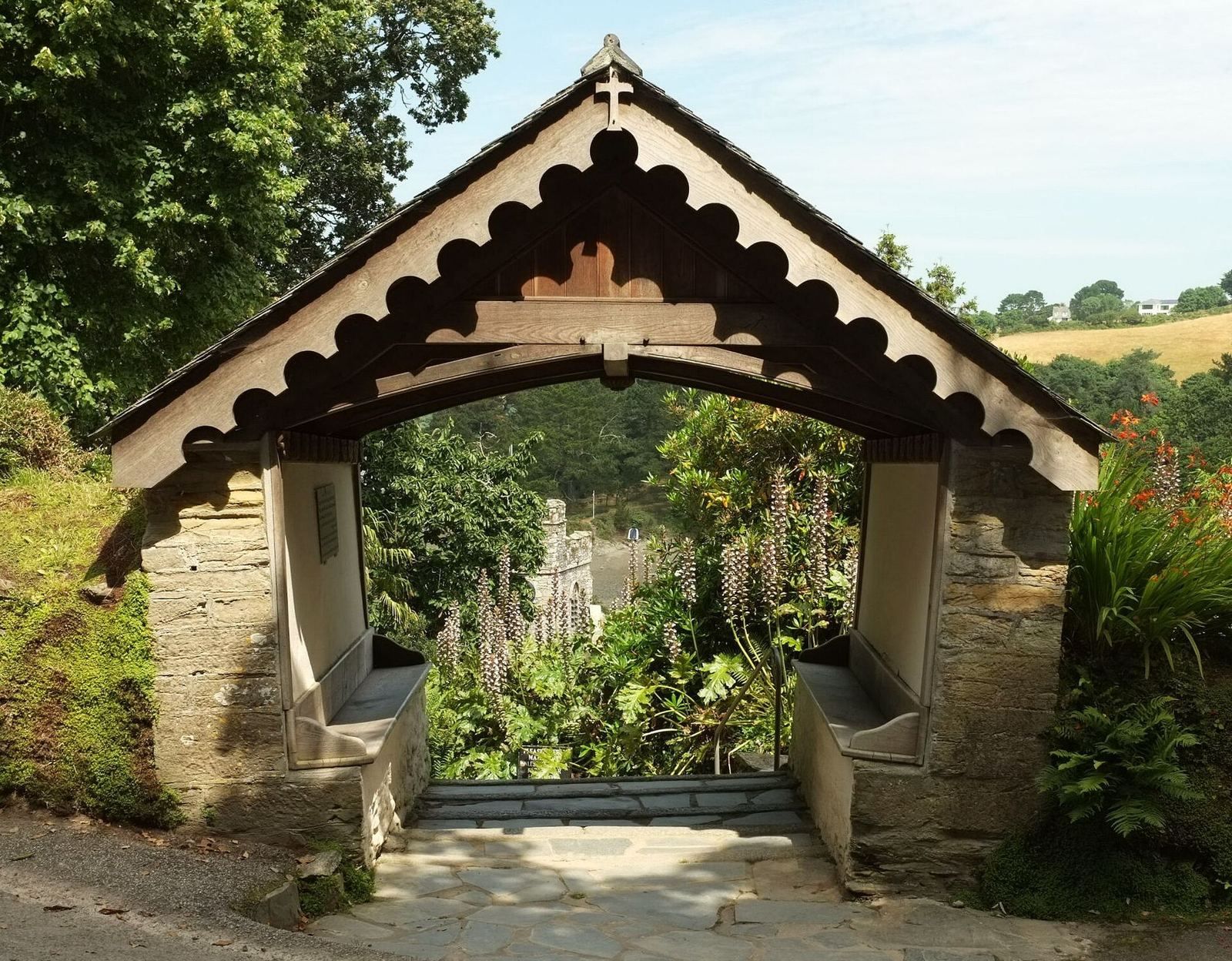
The churchyard contains the grave of Charles Bowen Cooke, a locomotive engineer.