Church of Saint Anne in Alcamo: A Capuchin Church
Site at a Glance
- Popularity
- Very Low
- Country
- Italy
- Primary era
- Early Modern
- Eras represented
- Early Modern, Modern
- Civilizations
- Italian, Kingdom of Sicily, Spanish
- Site type
- Religious
- Remains
- Church
On this page16 sections
History
Capuchin foundations
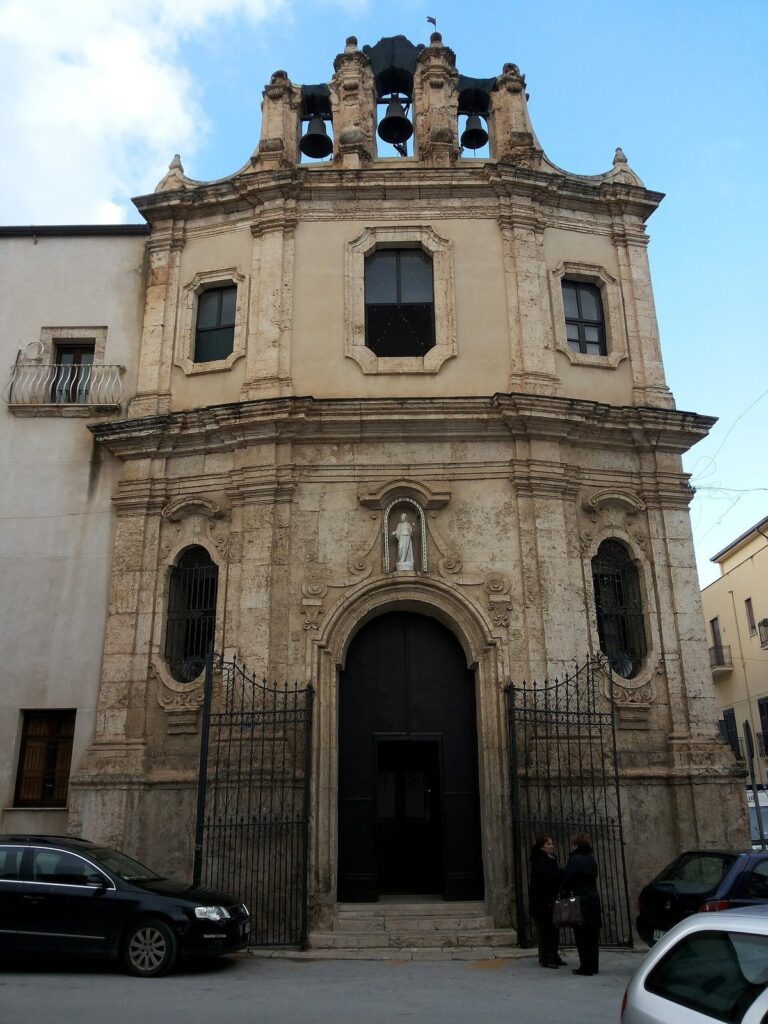
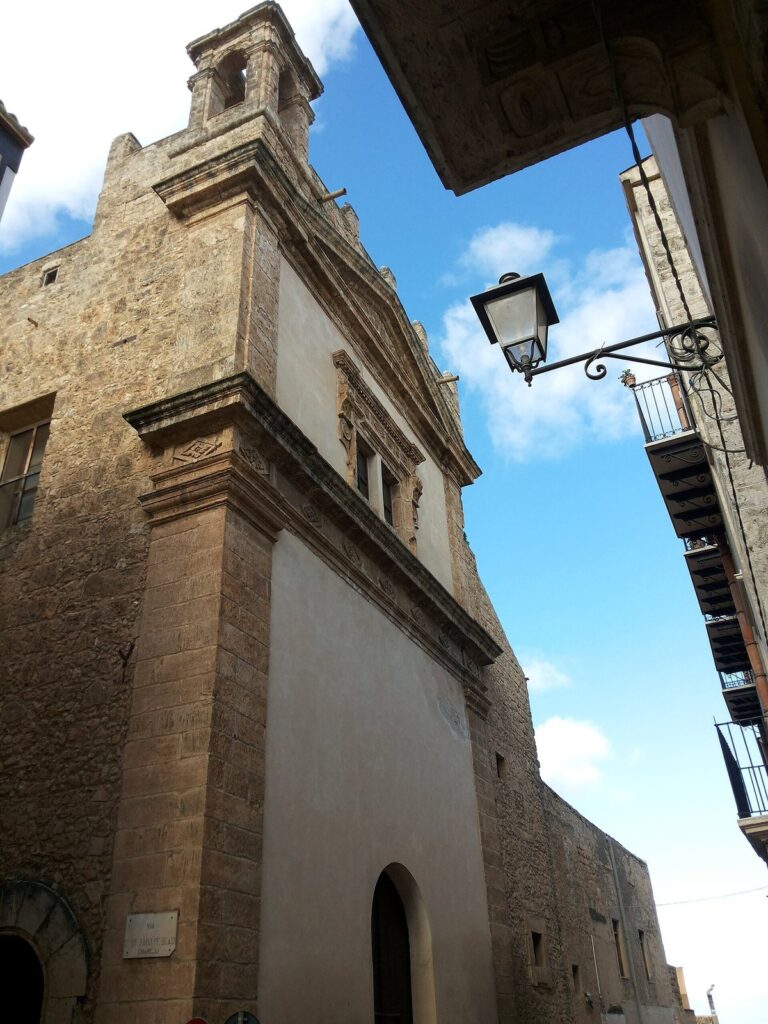
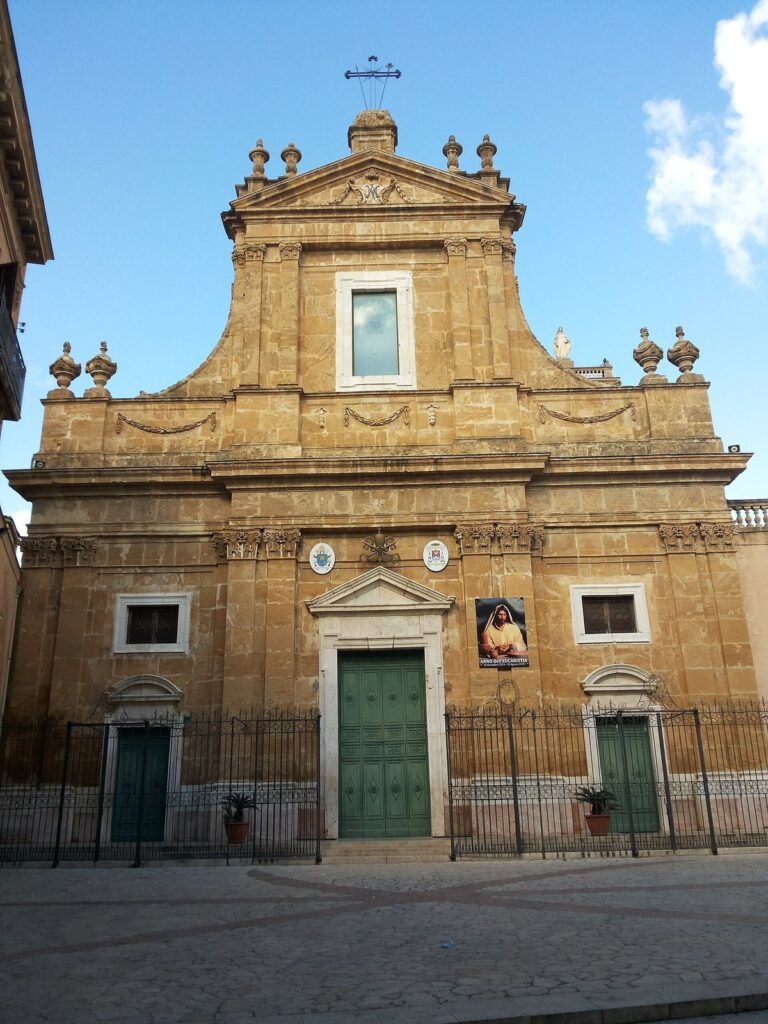
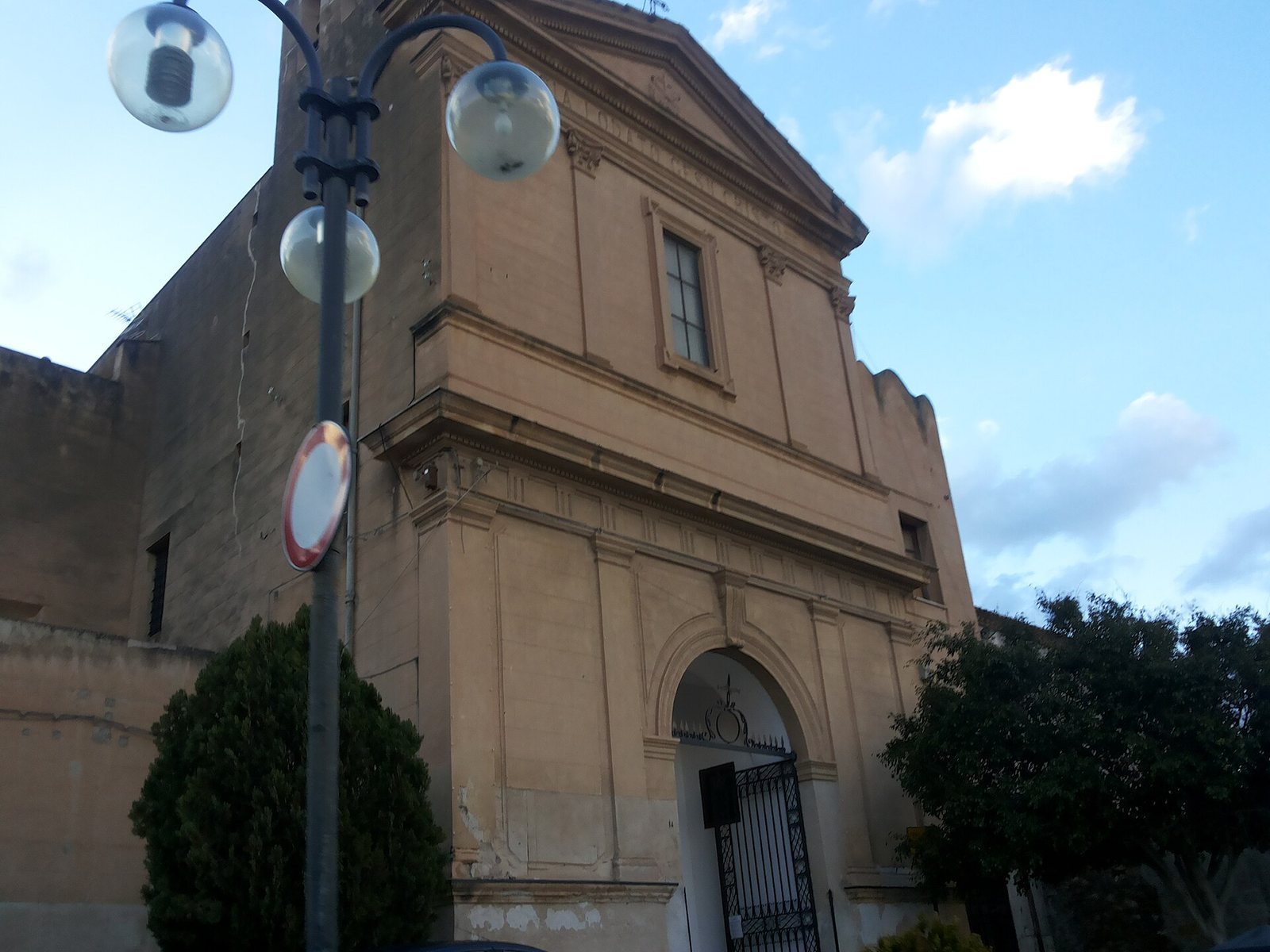
The Church of Saint Anne, also known as Sant’Anna Cappuccini, is a Catholic church in Alcamo, Sicily, Italy. Built between 1630 and 1634, it is dedicated to Saint Anne, whom Christian tradition identifies as the mother of the Virgin Mary, and belongs to the Diocese of Trapani.
The adjoining friary was built between 1633 and 1636. The church and friary were established to bring the Capuchin friars closer to Alcamo. Capuchins are a branch of the Franciscan religious order. An earlier Capuchin community had lived until 1566 in a monastery attached to a church at the Capuchin cemetery.
From friary to parish
The friary was suppressed in 1866, and the church was entrusted to two former Capuchin friars from Alcamo who had become priests. The parish of Saint Anne was established in 1947. In local usage, the church is also called Li Scappuccini.
Remains
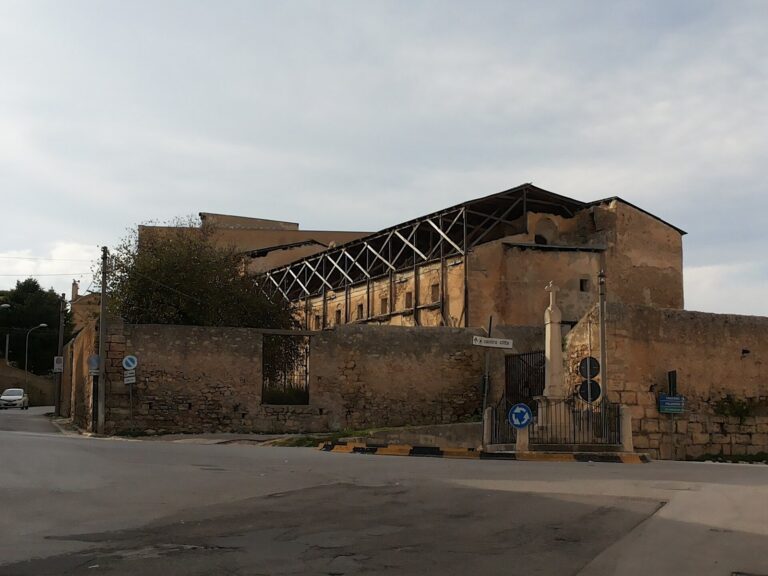
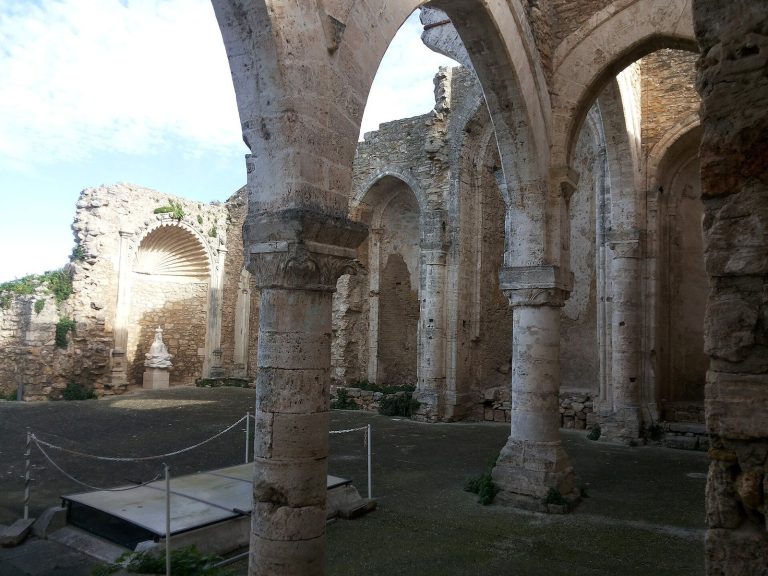
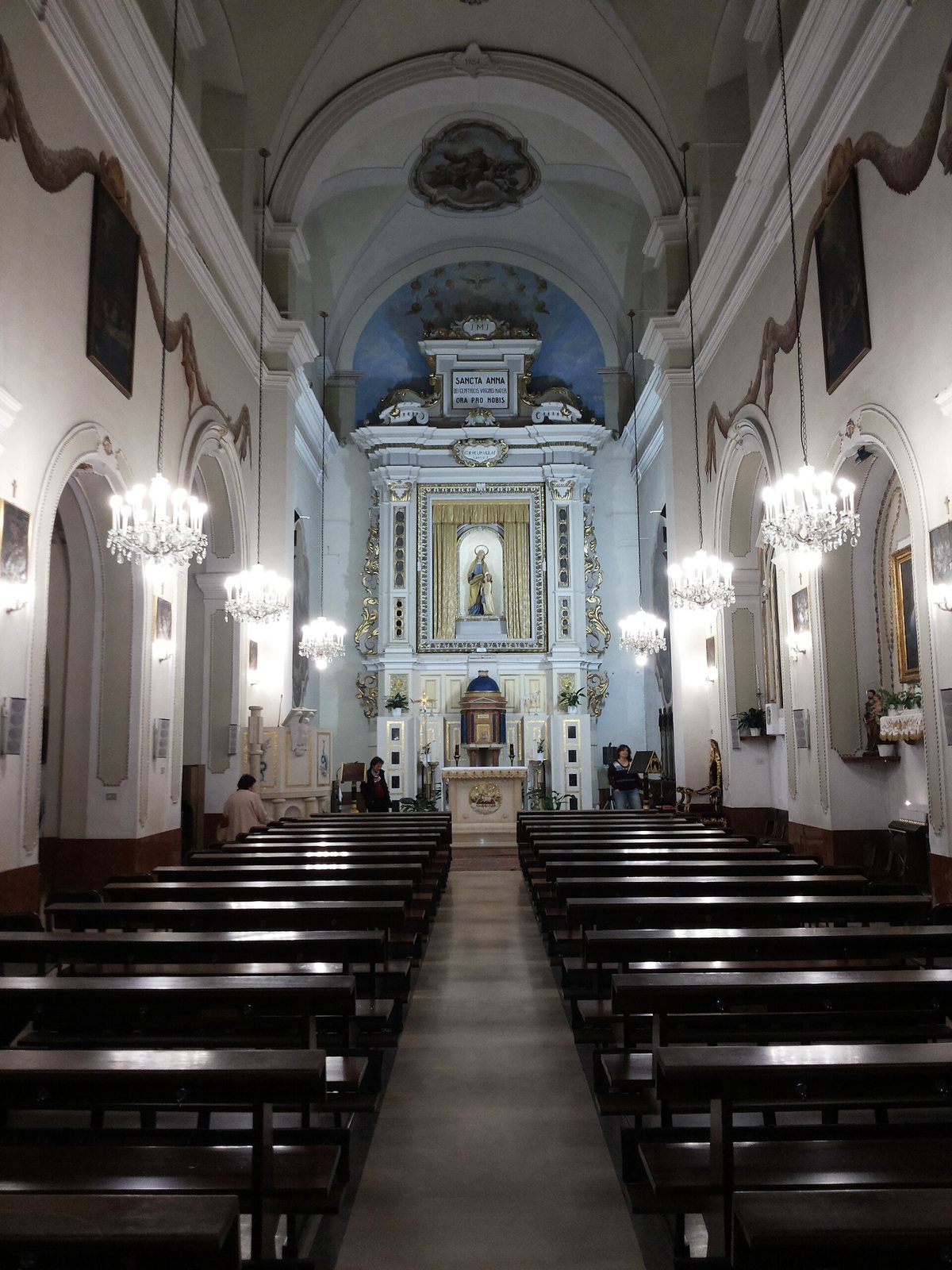
The church adjoins the former friary. Its interior has a single nave, a baptistry, and seven chapels. The surviving furnishings and decoration include frescoes, paintings, and wooden and marble works.
Church interior
Nave and frescoes
Leonardo Mirabile and Giovanni Dato painted frescoes in the chapels. Eugenio Ligotti and Salvatore Gagliano, both from Palermo, painted the nave and its vault.
Baptistry
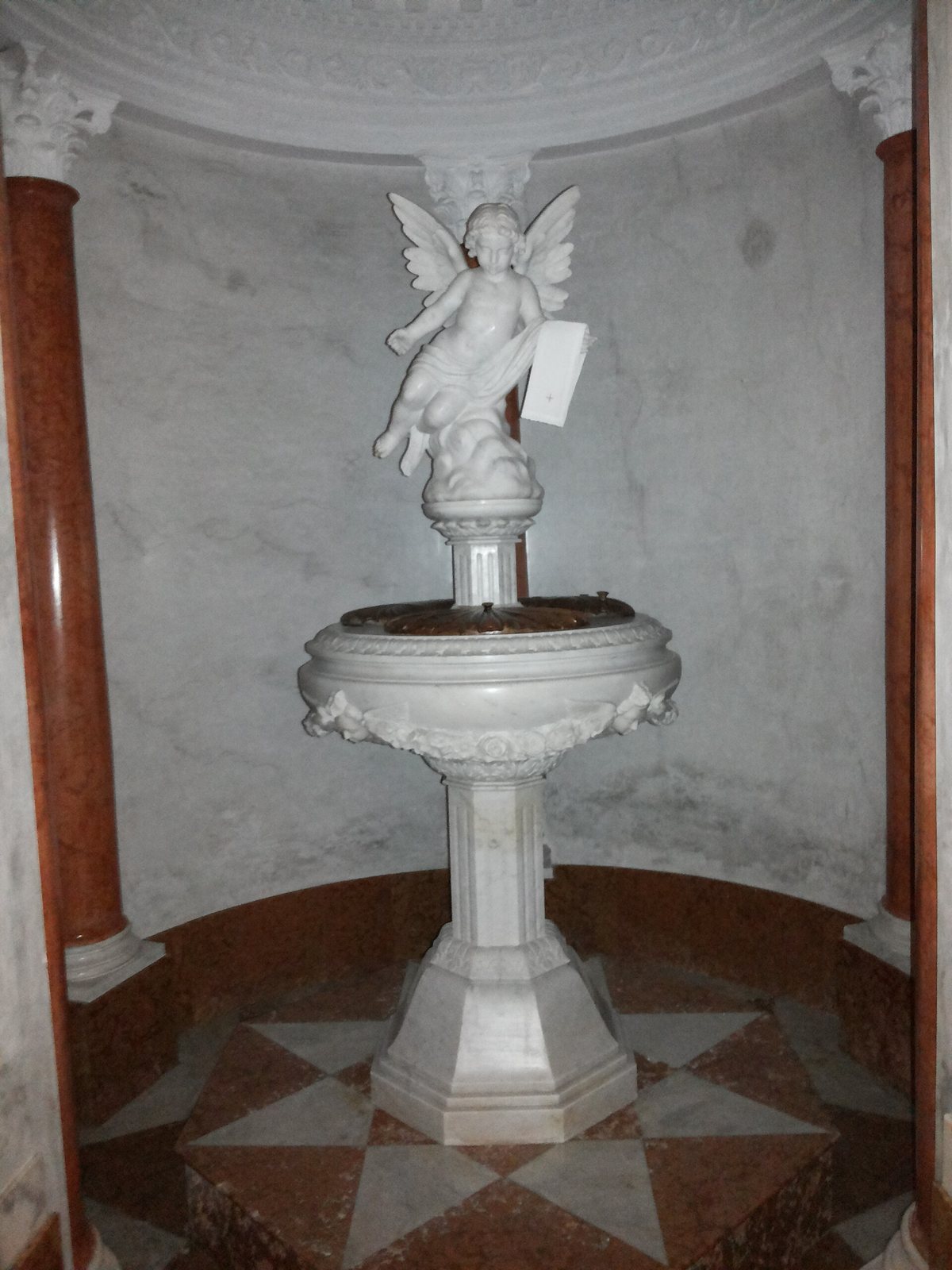
Dated to 1948, the baptistry contains a marble font topped by a marble angel sculpture.
High altar
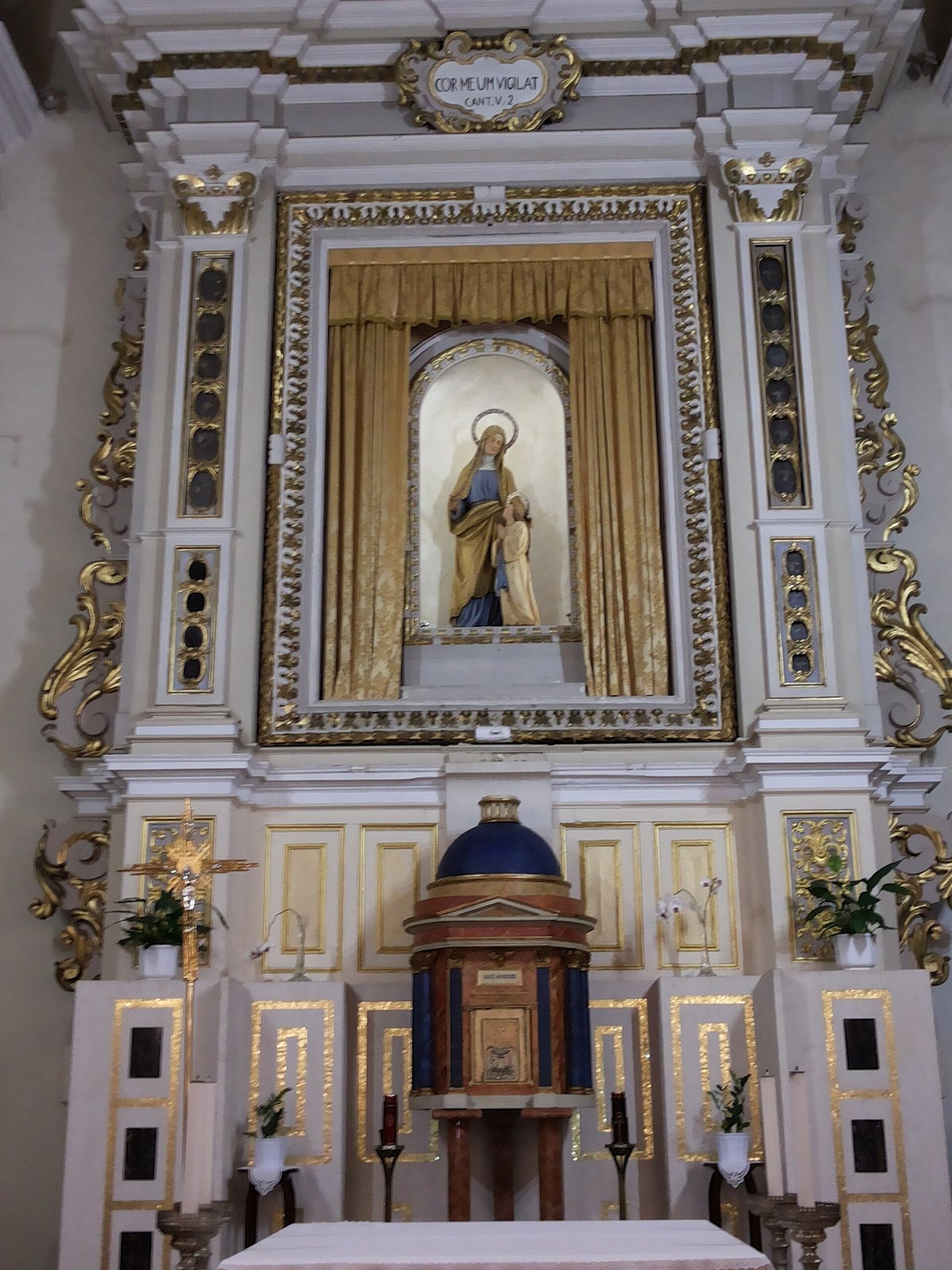
A wooden group of Saint Anne with the young Virgin Mary has stood on the high altar since 1949. It was made by Luigi Santifaller’s firm.
Chapels on the left
The first chapel on the left, nearest the altar, contains a wooden group of the Crucifix, Saint John, and Our Lady of Sorrows. Michele Valenza of Trapani (1708–1790) made the statues of Saint John and Our Lady of Sorrows. The next chapel, once dedicated to Saint Anne and containing a painting of the Visitation, now holds a wooden Sacred Heart of Jesus carved by Giuseppe Stuflesser of Ortisei. The Sacred Heart is a Catholic devotion focused on Jesus’s heart as a sign of his love. The third chapel, formerly dedicated to Our Lady of Purity, contains a wooden statue of Our Lady of Lourdes made by Luigi Santifaller’s firm.
Chapels on the right
The first chapel nearest the altar has a canvas attributed to the friar Felice da Sambuca. It depicts Saint Joseph, the Virgin Mary, and the infant Jesus, with Blessed Bernardo da Corleone and Saint Rosalia at their feet. In the second chapel, a painting of Our Lady of Confusion, made in 1916 by Leonardo Mirabile of Alcamo, copies Giuseppe Renda’s painting of Our Lady of Sorrows. Renda’s original was kept in the Church of Santa Maria di Gesù in Alcamo until it was stolen in 1979. The third chapel contains a wooden statue of Saint Francis carved by Ludovico Mirabella of Alcamo, father of the historian Francesco Maria Mirabella.
Other devotional works
Stations of the Cross
Fourteen images made by Felice da Sambuca hang on the church walls. They represent the Stations of the Cross, a sequence of devotional scenes from the Passion of Jesus.
Entrance niche
A niche beside the entrance holds a Flemish-school painting of Ecce Homo, showing Jesus presented before his crucifixion.
Sacristy and former friary
Sacristy
The sacristy contains a small alabaster statue of Our Lady of Trapani and a canvas by Felice da Sambuca depicting the Finding of Our Lady of Miracles. Both works may once have been in the Chapel of Our Lady of Purity, together with paintings of Ecce Homo and Saint Anne. The Ecce Homo painting is now in the niche beside the entrance.
Former friary
The former friary contains three canvases showing Judas’s betrayal, the capture of Jesus, and the Virgin Mary with the sleeping infant Jesus. The paintings were kept in a chapel of the church until 1884.