Chelter-Koba: A Medieval Cave Monastery in Crimea
Site at a Glance
- Popularity
- Medium
- Country
- Ukraine
- Primary era
- Medieval
- Eras represented
- Medieval
- Civilizations
- Byzantine
- Site type
- Religious
- Remains
- Fortified Monastery
On this page4 sections
History
Chelter-Koba is a men’s Orthodox cave monastery in Crimea, Ukraine, probably founded by Greeks from western Crimea in the 13th or 14th century, during the medieval Principality of Theodoro.
A frontier monastery
The monastery stood near the principality’s northern frontier and the Syuyren fortress. Its main church is dedicated to Saint Theodore Stratelates, a Christian martyr revered in the Orthodox tradition.
Destruction and restoration
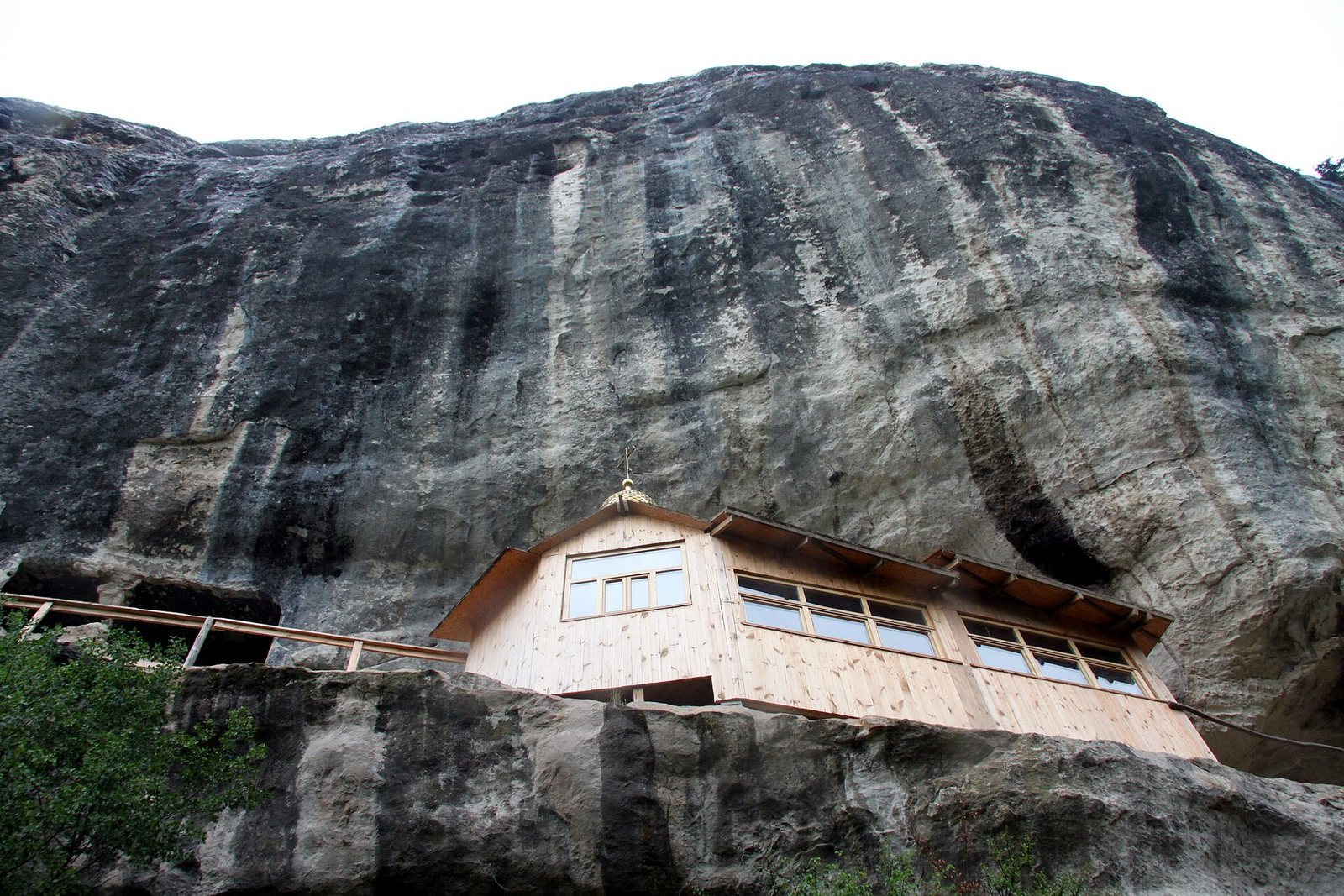
Turkish forces destroyed the monastery in 1475 during their conquest of Theodoro. The rooms were later used to shelter sheep. Restoration began in the early 2000s; worship resumed in the main church, and some monastic cells and the bell tower were restored.
Chelter-Koba belongs to the Diocese of Simferopol and Crimea of the Russian Orthodox Church. Since October 2015, it has been designated a federal cultural heritage site in Russia; Ukraine also recognizes it as a cultural heritage monument of national significance.
Remains
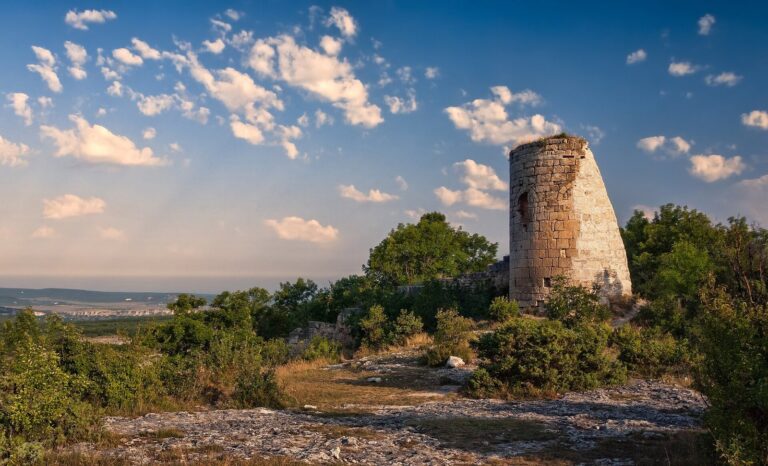
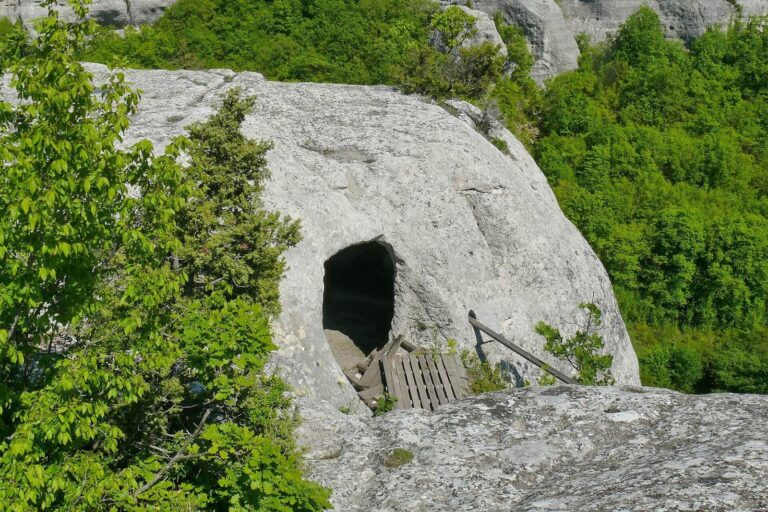
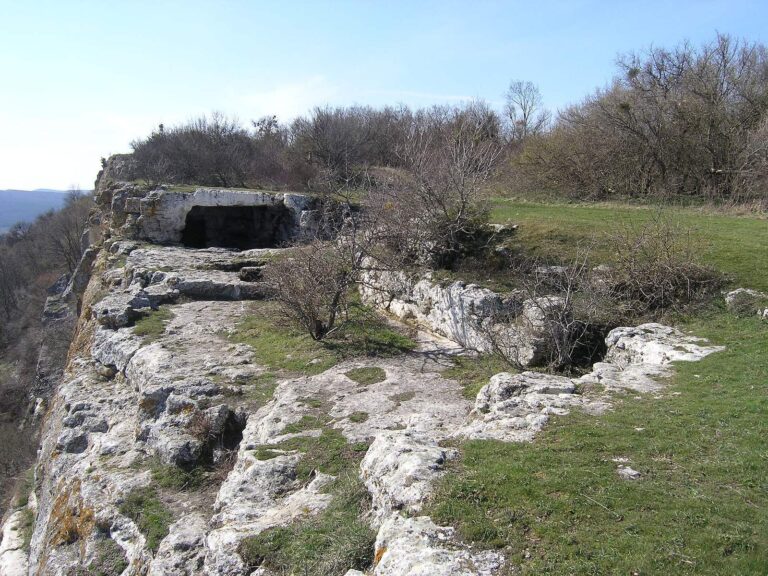
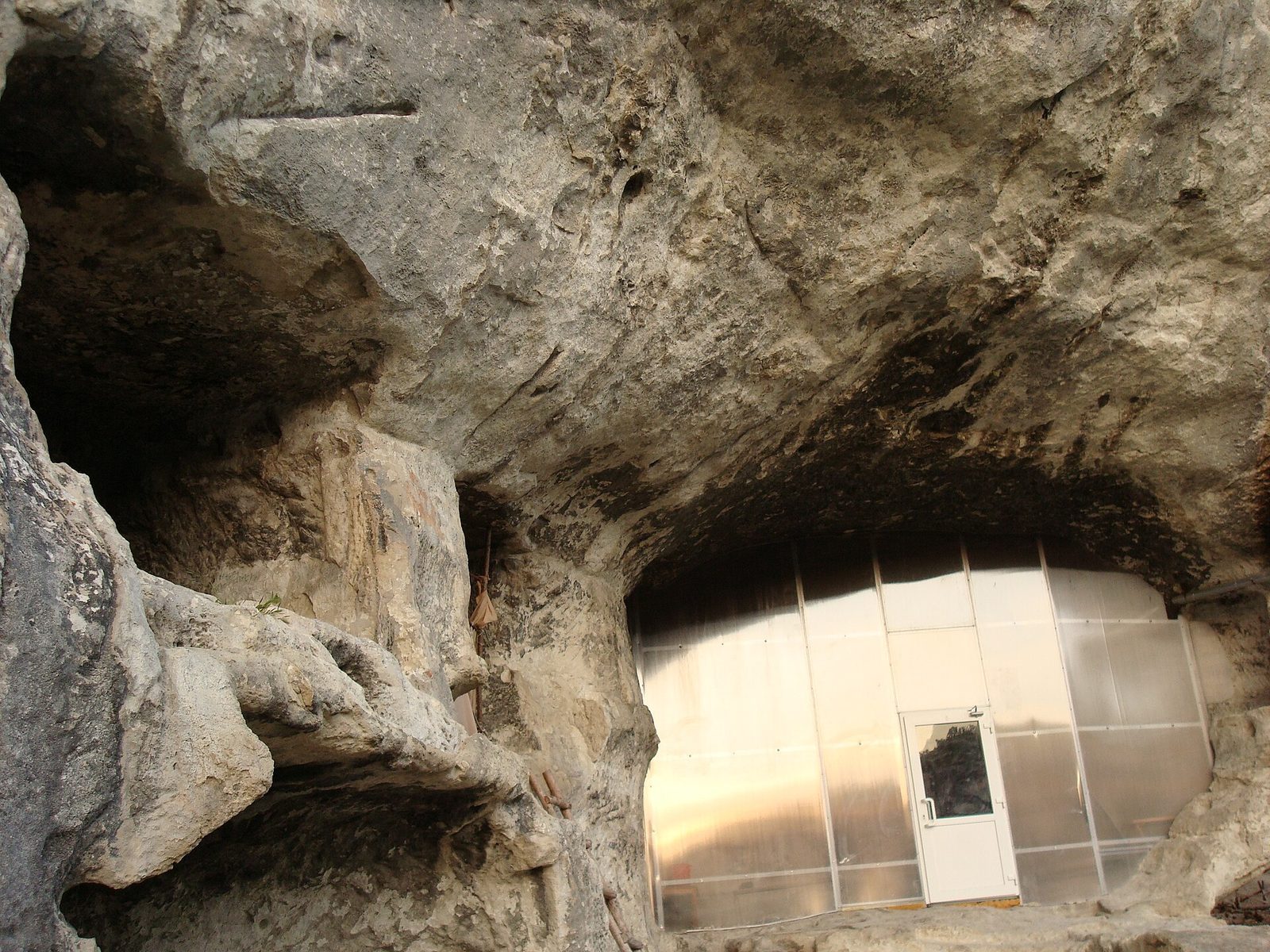
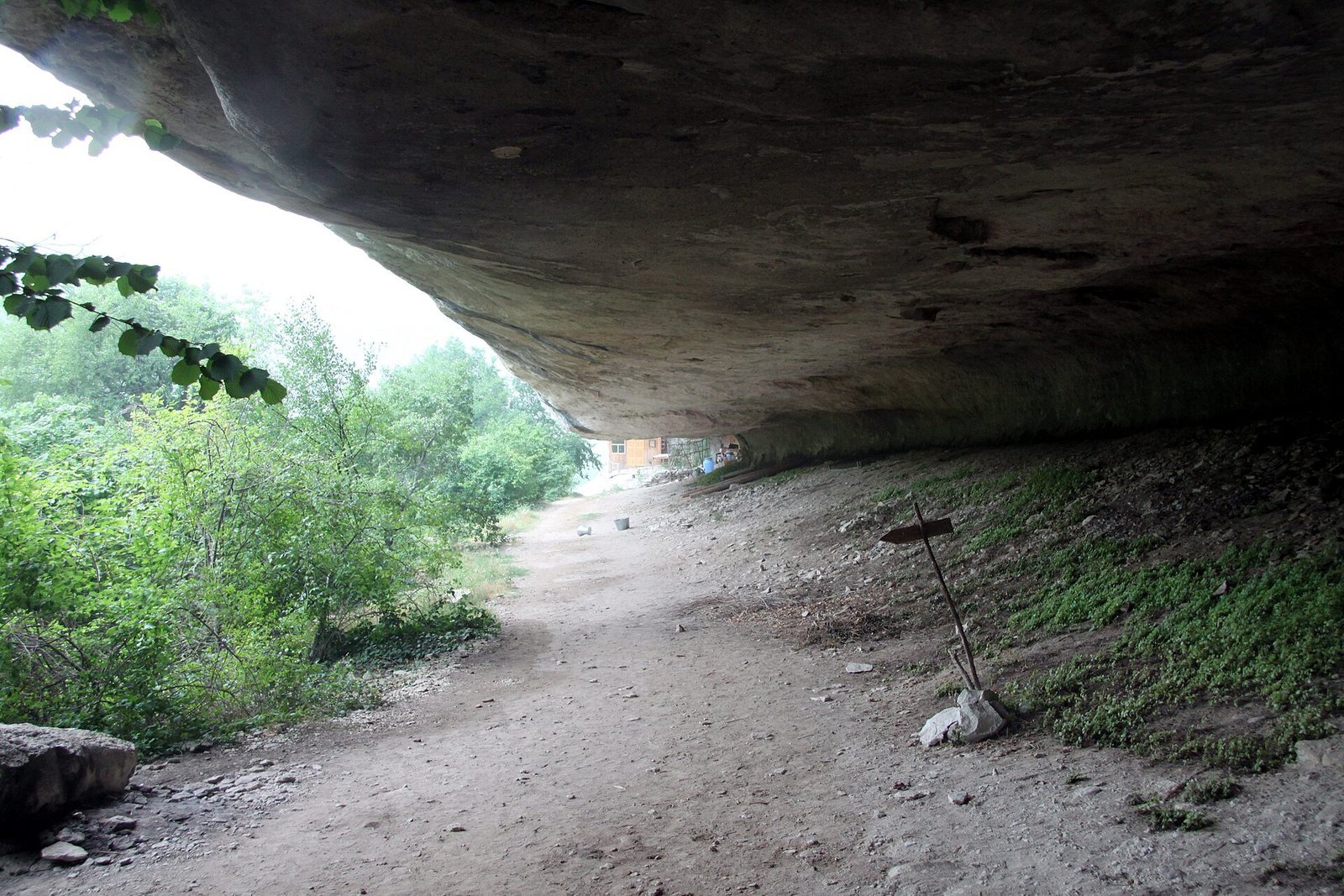
The complex occupies the cliff face of the Ai-Todor rocky promontory in the Belbek River valley, near Bolshoye Sadovoye and about 15 kilometres from Bakhchisaray. It consists of a church, monastic rooms, and a communal dining room, connected by paths cut into the rock. More than 20 caves extend across several levels. Some were cut into the rock, while others adapt natural caves.
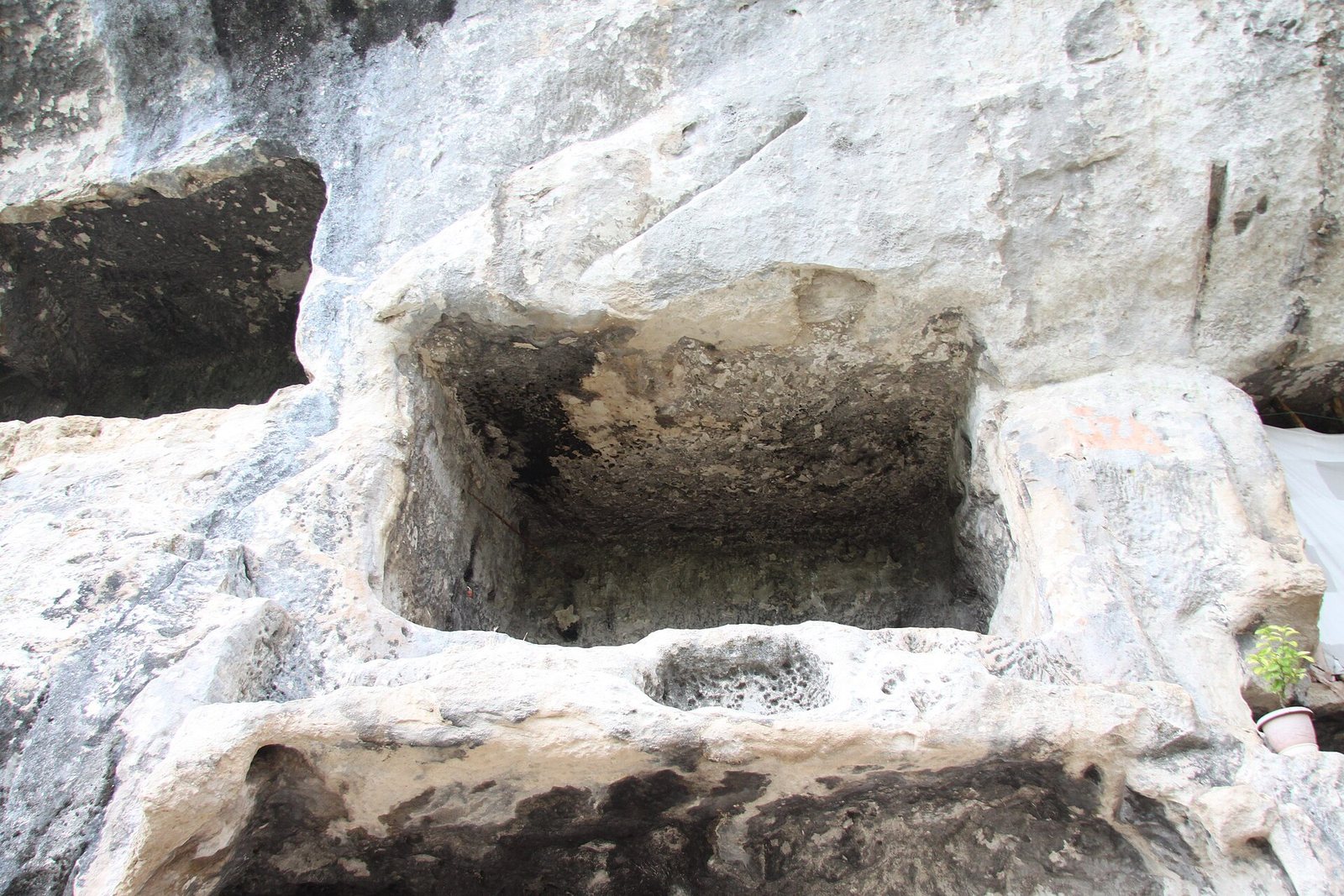
The church occupies a natural cave altered for worship. It measures 15.2 metres long, 7.2 metres wide, and 3.8 metres high, making it relatively large for a monastery of this size. A place for Christian baptism and niches for burials are inside.
Twelve identified cells each measure about 7.5 square metres, while the communal dining room, or refectory, covers about 16 square metres. The complex is estimated to have housed no more than 14 to 16 monks.
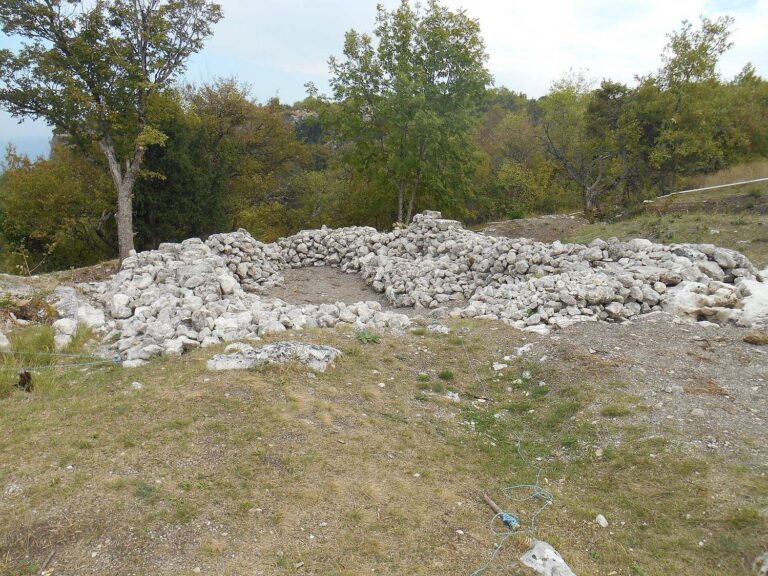
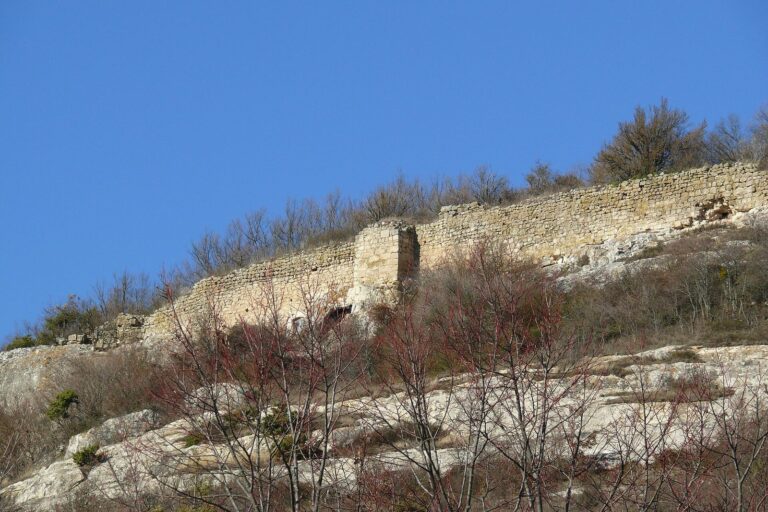
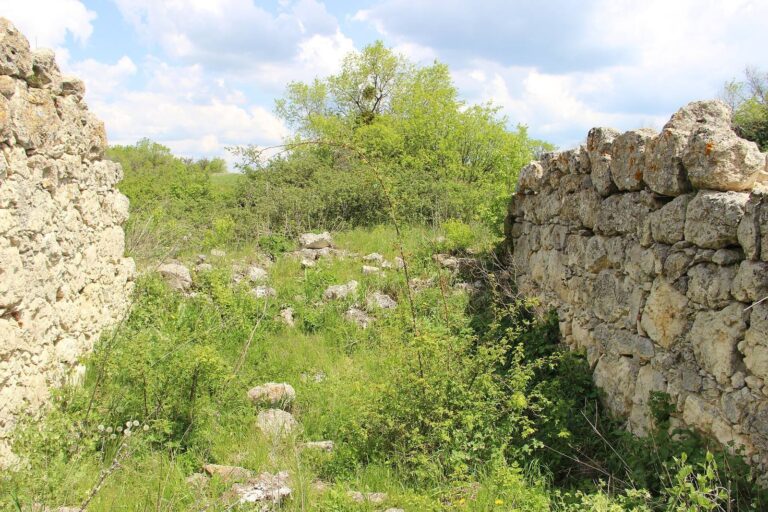
A large chamber on a lower level has five columns and resembles a pagan sanctuary. A platform takes up about one-third of the room and may have served as a large grape press; at its eastern end, the cave forms a small Christian sanctuary. Numerous burial crypts are also part of the complex. A defensive wall protected the side that was easiest to reach, and remains of it survive.
South of the monastery, a spring lies at the beginning of the Khor-Khor ravine. More than 20 nearby stone grape presses, known as tarapans, could process grapes from 63 hectares of cultivation. Their association with the monastery is uncertain; they may instead relate to a much older settlement nearby, dated to the 8th or 9th century.