Château-vieux d’Andouque: A Castle in Crespin, France
Site at a Glance
- Rating
- 5
- Popularity
- Very Low
- Country
- France
- Primary era
- Medieval
- Eras represented
- Medieval
- Civilizations
- Unclassified
- Site type
- Military
- Remains
- Castle
On this page6 sections
History
Origins and early ownership
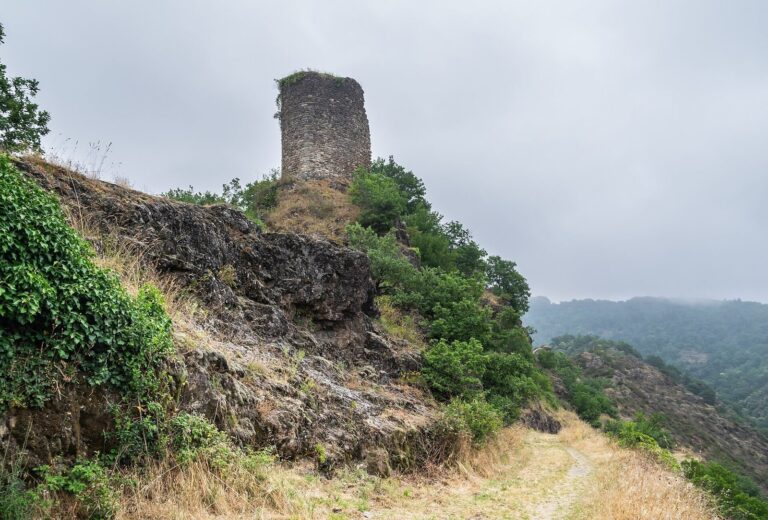
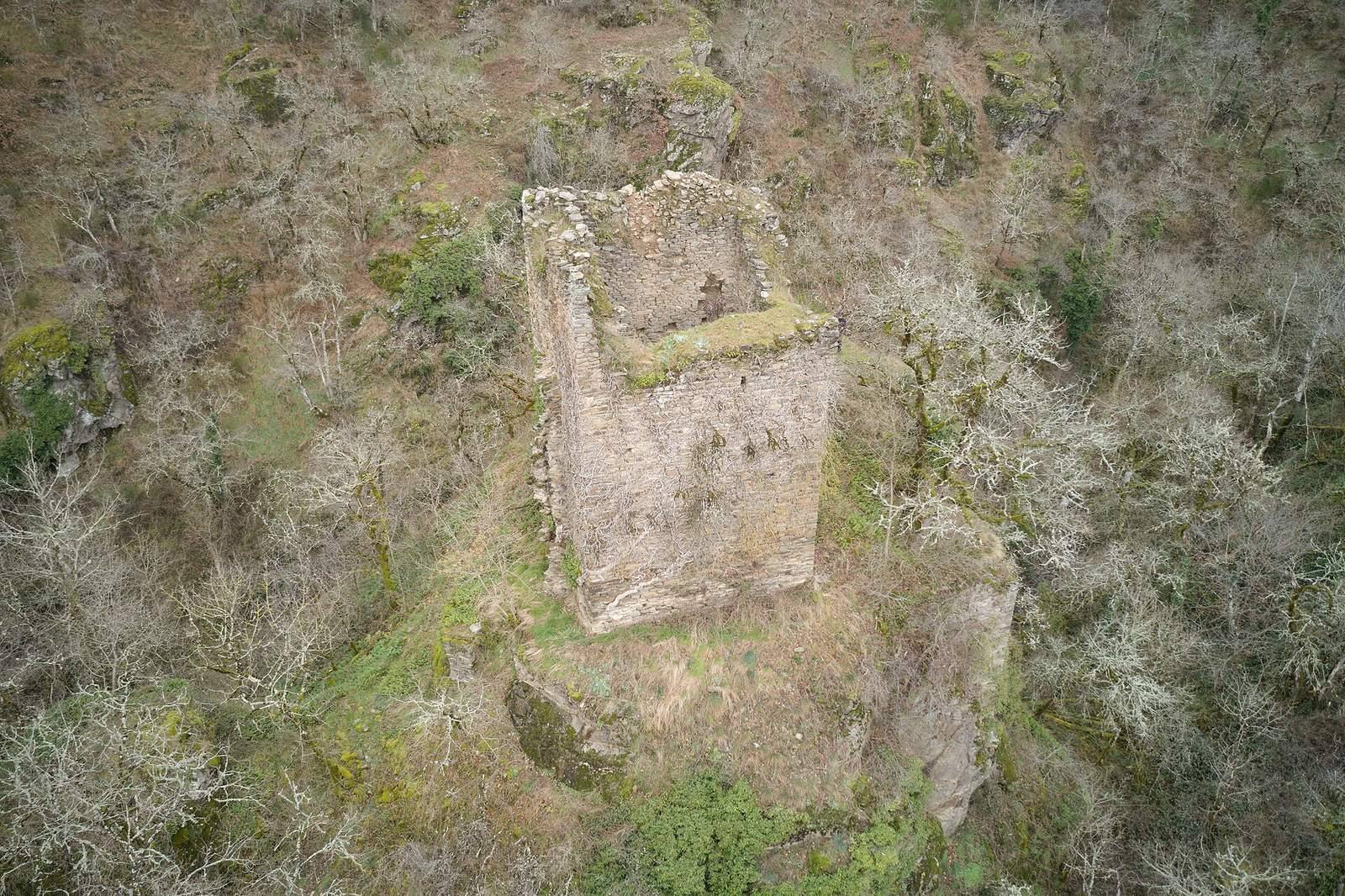
The Château-vieux d’Andouque is a ruined castle near the village of Andouque in Crespin, Tarn, France. Its origins are uncertain, but it probably dates to the 10th century; the tower is sometimes dated to the 11th. A deed of gift made on 6 July 1000 by Aton III, Viscount of Albi, a noble rank below a count, refers to the castle. The deed transferred property to the collegiate church of Saint-Salvi, an institution served by a chapter of canons, and suggests that the castle may have belonged to Aton.
The family of Andouque, which came from the nearby village, appears to have held the castle, although the date of this association is unknown.
Medieval ownership and local government
By the early 14th century, at least part of the castle belonged to the Lescure family. Around 1350, Sicard III de Lescure sold his share to Bonnecombe Abbey, a monastic institution, to support his lavish lifestyle. A chapel dedicated to Saint Michael, the archangel in Christian tradition, was maintained using income from land dues, payments associated with landholding.
An inquiry into local rights in 1489 described Andouque as a village dependent on Cordes and governed by consuls, local officials. The castle then belonged to the king of France and served a defensive purpose. The consuls appointed a castellan, an officer responsible for a castle. Inhabitants paid him in money or wheat, and he received 12 to 15 livres in rent. The livre was a French monetary and accounting unit whose value changed over time.
Later historical record
In the 19th century, the historian and antiquarian Alexandre Du Mège wrote a memoir about the castle. After the commune of Crespin was established in the early 20th century, the castle was no longer administratively attached to the village of Andouque. The village takes its name from the castle.
Remains
Keep and surrounding walls
The surviving remains center on a rectangular stone keep set on a slight promontory above a bend in the Andouquette stream. The keep stands between 7 and 12 metres high. A few other wall fragments survive around it, extending for roughly six metres.