Château Pastré: A Nineteenth-Century Provençal Residence in Marseille



Site at a Glance
- Rating
- 4.4
- Popularity
- Low
- Country
- France
- Primary era
- Modern
- External website
- Open
- Eras represented
- Modern
- Civilizations
- French
- Site type
- Domestic
- Remains
- Elite Residence
On this page7 sections
History
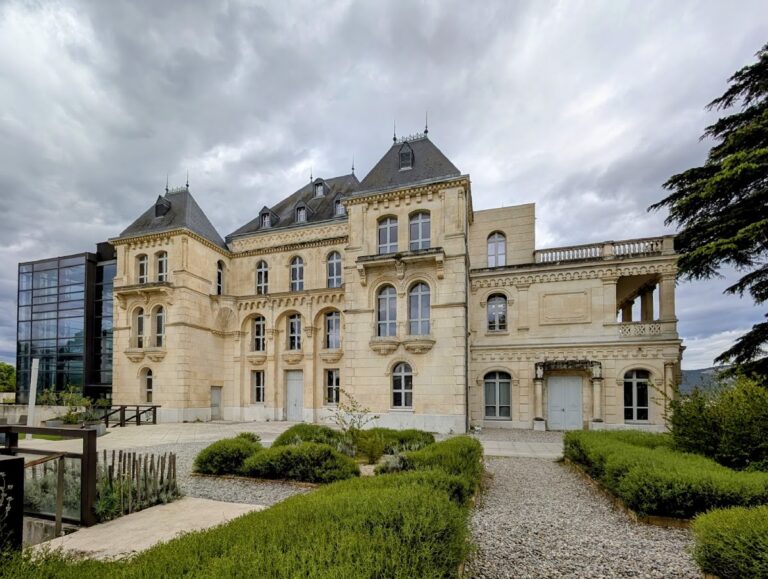
Château Pastré is a nineteenth-century Provençal country residence in Marseille, France, completed in 1862 for the Pastré family. Designed by the Parisian architect Jean-Charles Danjoy, it was conceived as a grand place for entertaining and formed part of an extensive family estate between Pointe Rouge and the Grotte Rolland.
The Pastré estate and construction
Eugène Pastré (1806–1868) and his wife, Céline de Beaulincourt-Marle (1825–1900), belonged to a wealthy Marseille family of shipowners and merchants. Between 1836 and 1853, the family assembled 120 hectares of land and developed it as a park. Three large residences were commissioned there between 1845 and 1865: Château Estrangin, Château Pastré, and Château Sanderval. Château Pastré was the largest of the three.
Danjoy reinterpreted the architecture of the Louis XIII period, an early seventeenth-century French style associated in part with formal combinations of brick and stone. Construction of the residence was completed in 1862. Its role as a setting for large gatherings continued into the following decades. An 1884 account in the Nouvelle Revue described a performance held at Madame Pastré’s residence.
Wartime refuge
During the Second World War, Countess Lily Pastré, born Louise Double de Saint-Lambert (1891–1974), used the château as a refuge for artists fleeing the Nazi regime. She also sheltered Jewish composers and musicians trying to escape occupied France. Around forty people may have stayed there at different times, including Norbert Glanzberg, Pablo Casals, Josephine Baker, Clara Haskil, Lily Laskine, and Youra Guller.
On 27 July 1942, Lily Pastré arranged a performance of A Midsummer Night’s Dream at the château. Christian Dior made the costumes from the building’s draperies, while the Orchestre National de la Radiodiffusion Française, France’s national radio orchestra, performed under Manuel Rosenthal. After German forces took control of southern France, they occupied part of the château. Some of the guests found there were arrested and killed. Lily Pastré’s daughter Nadia assisted escape lines for Allied prisoners during the war.
Municipal ownership and later use
After the war, the property came under the ownership of the city of Marseille. Between 1966 and 1987, the city acquired almost all of the estate, including Château Pastré, Château Sanderval, and the bastide Clary, and carefully restored Château Pastré.
From May 1995 until 2013, the château housed the Musée de la Faïence de Marseille. Its collection included more than 1,500 pieces of faience, a tin-glazed earthenware used for tableware, vessels, and ornament, covering more than 7,000 years. The collection moved to Château Borély in 2013. In 2021, the association Pour Que Marseille Vive proposed adapting Château Pastré as an artists’ incubator and cultural venue, a plan then under negotiation with Marseille’s municipal authorities.
Remains
The château
Château Pastré is a three-level rectangular bastide, meaning a Provençal country residence associated with an estate or cultivated grounds rather than a fortified medieval castle. Its main body has two principal floors and an attic storey. A projecting rounded central section, called an avant-corps, stands between two pavilions, with similar projections at the ends.
The façades combine pink or rose-colored Marseille brick with blond stone from Arles. These materials create a pattern of curves and counter-curves across the exterior. Large windows face the park, and the restored building retains the elegant, warm character associated with Danjoy’s design.
Campagne Pastré
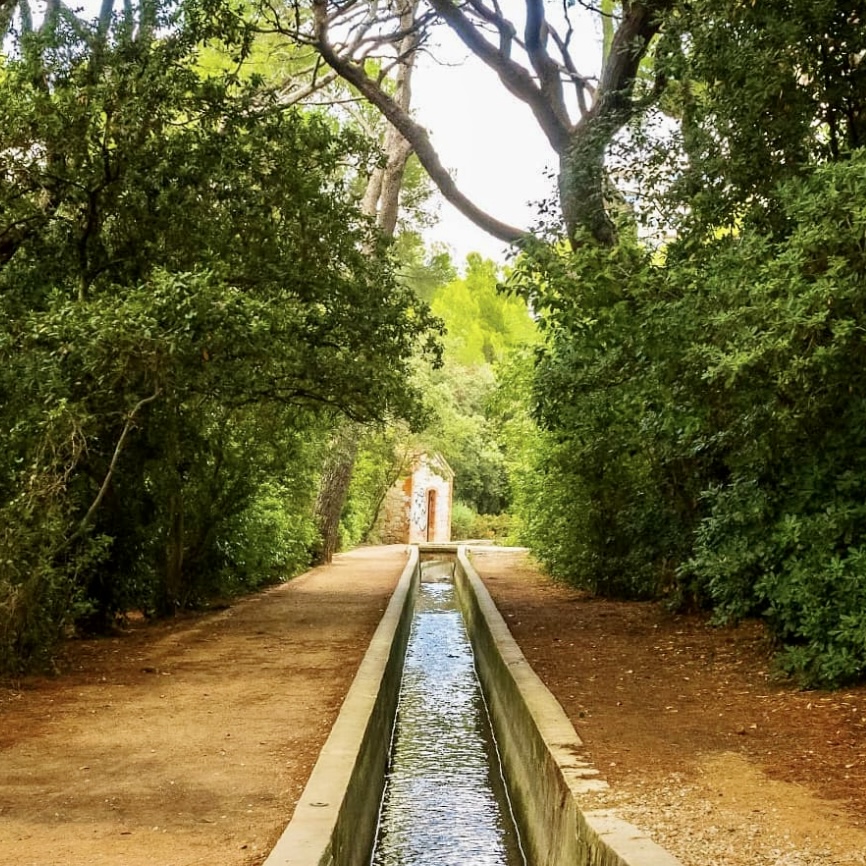
The surrounding Campagne Pastré extends between the hills of Marseilleveyre and the Mediterranean Sea. Water was difficult to obtain before the Canal de Marseille reached the area, so the family used the available supply to irrigate the estate’s lower levels. Lawns, vine gardens, cereal plots, and orchards of almond, fig, and apricot trees were developed there.
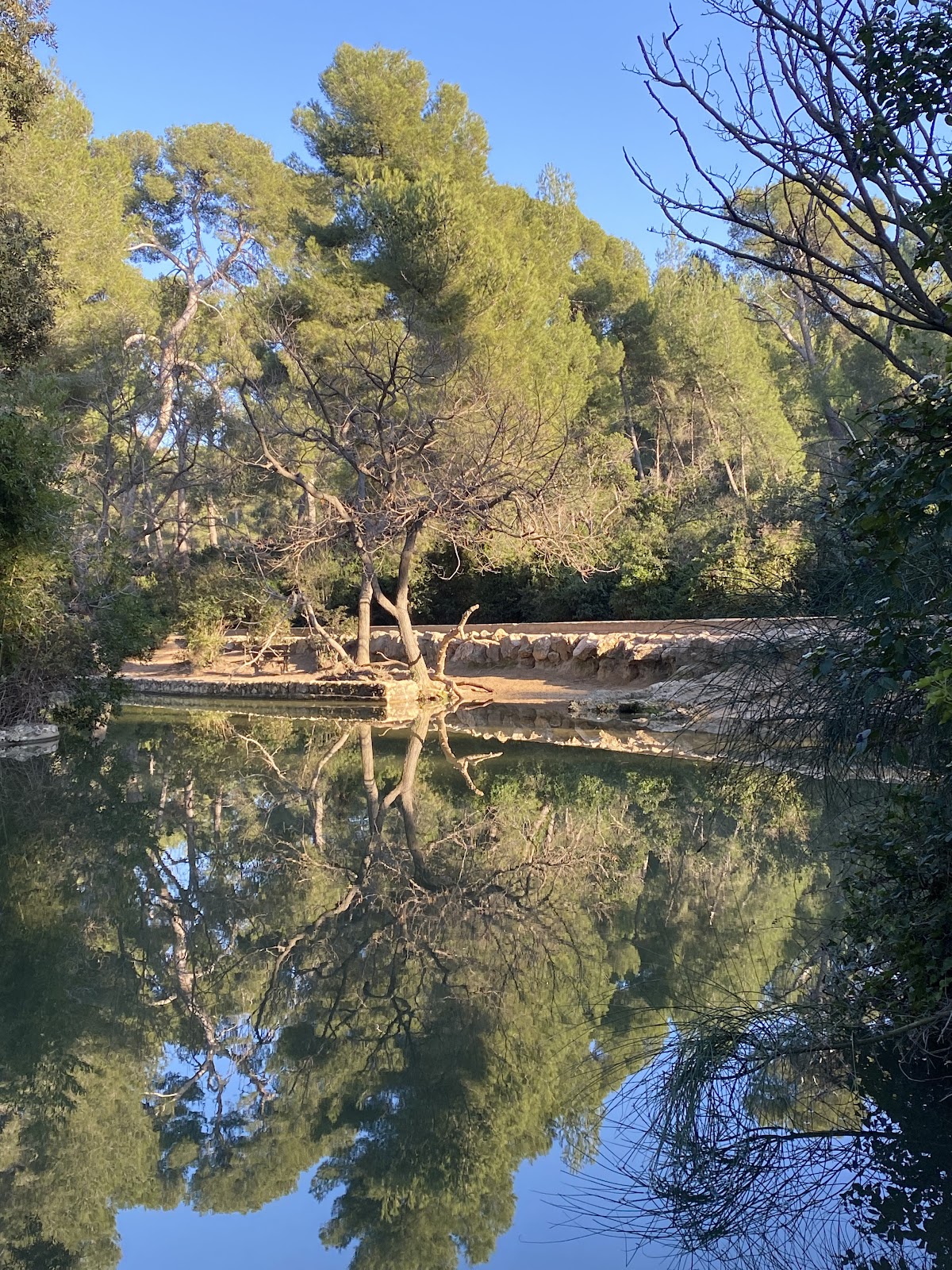
About 12 hectares of the present public park are formally laid out with lawns, woods, and two artificial lakes, while approximately 100 hectares retain more natural vegetation. Scrub, Aleppo pines, oaks, laurels, and junipers form part of this landscape. A central avenue runs for more than 900 metres from the entrance to the château. The park also contains canal areas, hiking trails, playgrounds, and garden statues, while a steep hill provides views over Marseille. Its forested area forms part of the Calanques World Heritage Site, a place recognized by UNESCO for outstanding cultural or natural importance.