Château Malescot St. Exupéry: A Margaux Winery in Bordeaux
Site at a Glance
- Popularity
- Medium
- Country
- France
- Primary era
- Modern
- Eras represented
- Modern
- Civilizations
- French
- Site type
- Economic
- Remains
- Production Complex
On this page11 sections
History
Château Malescot St. Exupéry is a winery in Margaux, Gironde, France, within the Margaux appellation, a geographically defined wine designation in Bordeaux. Its vineyard history reaches back to the sixteenth century, and its earlier château was of country-house form. In the 1855 Bordeaux Wine Classification, which assigns growth levels to selected wines, Malescot was ranked a Third Growth.
Early vineyards and Malescot ownership
The Escoussé family established the estate’s first vineyards. Members of the family had worked as notaries in Margaux from 1608. On 1 August 1697, Louise Escoussé sold the property to Simon Malescot, a royal adviser and councillor at the Parlement of Bordeaux, the city’s high court. The Malescot family retained the estate until the French Revolution, a period associated with its early prosperity.
Nineteenth-century ownership and rebuilding
François Benoît du Noguès de Castel-Gaillard bought the château in 1813 and sold it to Louis Pierlot in 1825. Jean-Baptiste de Saint-Exupéry acquired the property in 1827 and added his surname to its name. Under his ownership, the estate was regarded as one of Bordeaux’s leading wine producers. After his death, his widow, facing financial ruin, sold the property at auction in 1853.
Henri Fourcade also acquired the estate in 1853 and expanded it through exchanges of land. After his death in 1866, de Boissac, Bernos, Couve, and Deroulède took over a property of 165 hectares, including 77 hectares of vines. The estate’s standing was later restored under Fourcade and de Boissac, but it was sold in 1901.
Twentieth-century decline and recovery
Between 1880 and 1955, the estate had five owners. Phylloxera, a pest that attacks grapevines, mildew, a vine disease, and wars discouraged successive owners from continuing its development. The English W. H. Chaplin family later acquired Malescot. In 1937, W. H. Chaplin and Co. appointed Mr. Ritz to administer the estate.
In 1955, the Chaplin interests sold Malescot together with Château Marquis d’Alesme-Becker to Paul Zuger and his son Roger. Malescot then had only seven hectares of vines and was in very poor condition. The Zugers operated the estates together until 1979 and worked for about thirty years to restore Malescot’s quality and the standing of its coat of arms and motto, semper ad altum (“always higher”). Michel Rolland became a wine-production consultant in 1991, and Jean-Luc Zuger took over the estate’s direction in 1994.
Remains
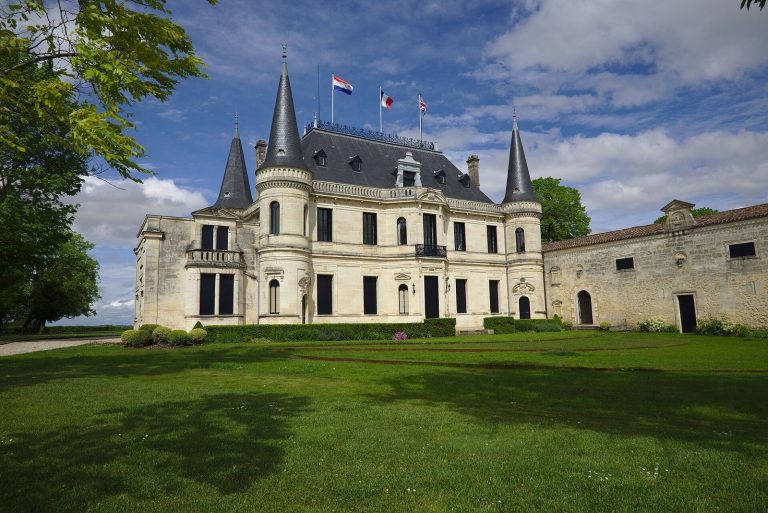
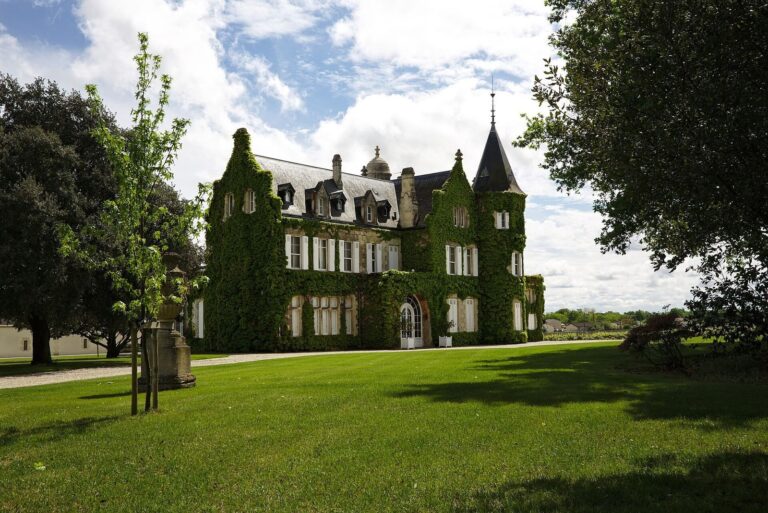
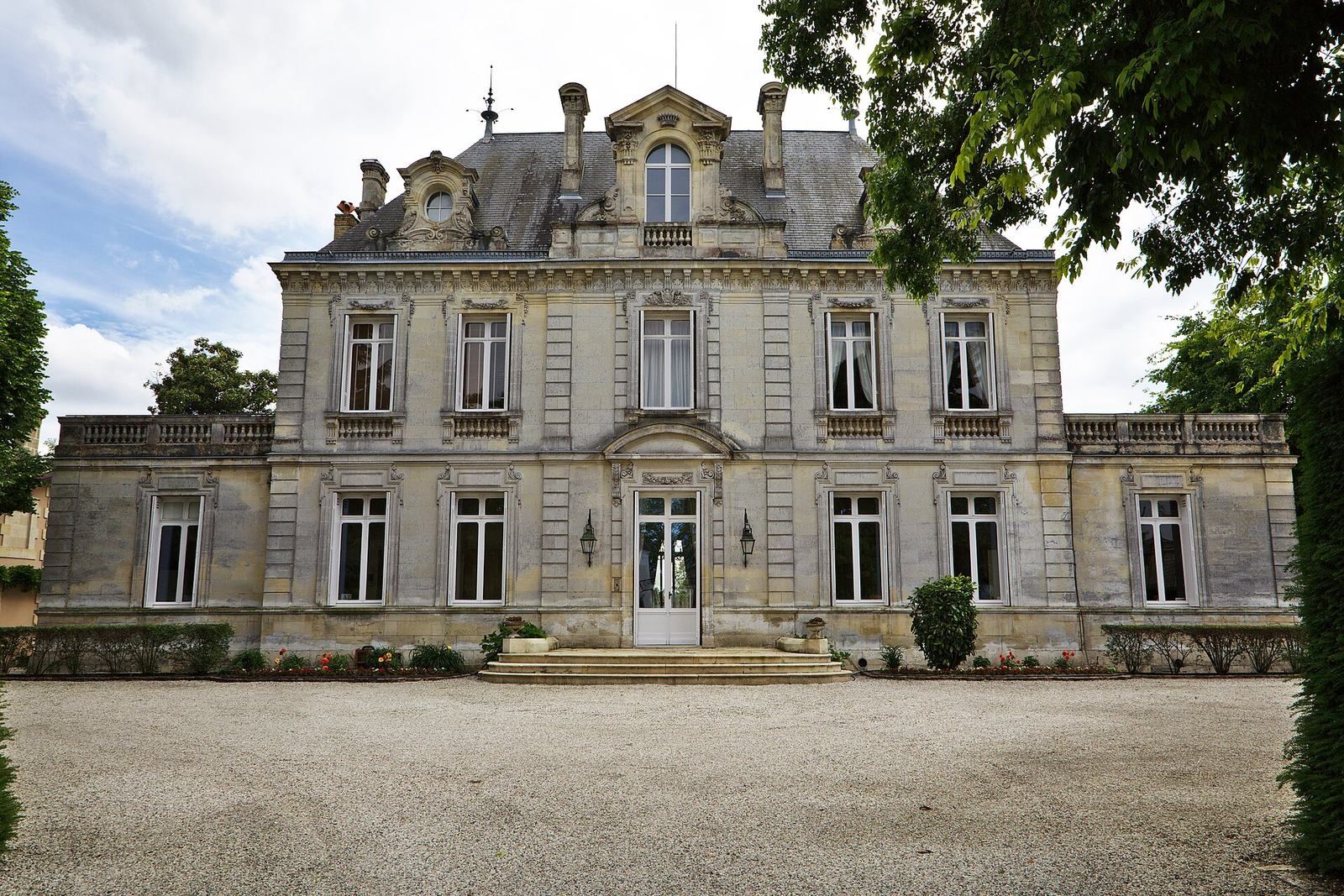
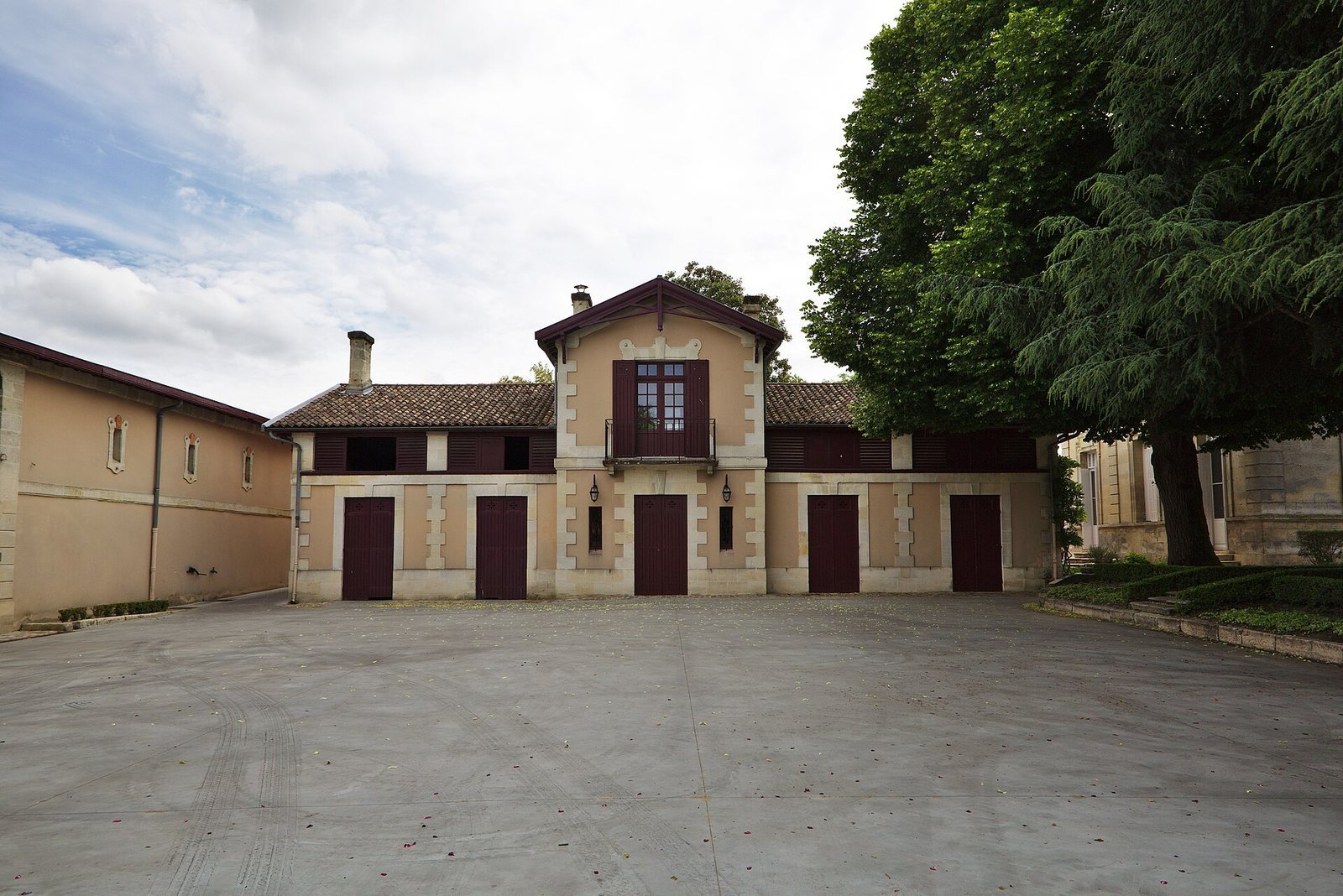
The estate’s physical features include a château, vineyards divided among named parcels, and facilities for fermenting and aging wine. Its earlier building followed a country-house plan; a replacement château was built in the nineteenth century.
Château buildings
Earlier château
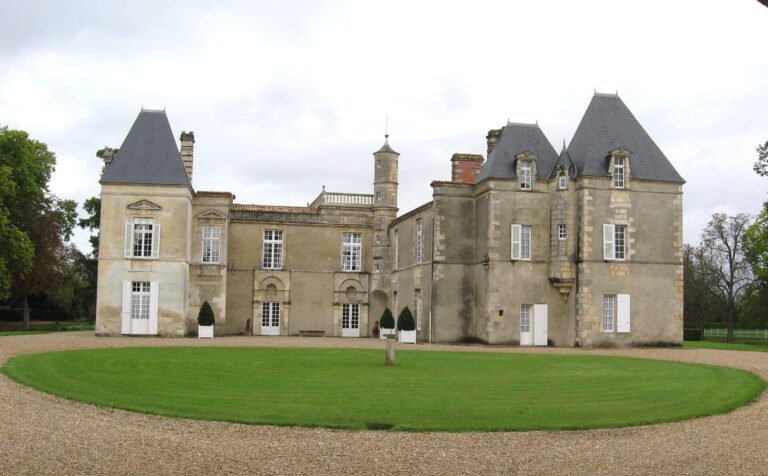
The former château had a central pavilion flanked by two side wings that returned alongside it. This simple country house was demolished in 1870.
Replacement château
Louis-Michel Garros designed the replacement château. Construction began in 1870 and was completed in 1874.
Vineyards and wine production
Vineyard parcels
The estate’s vineyard parcels include La Dame, Curton, Lalongua, Puch-Sam-Peyre, Ourmatan, Lacoste, and Loyac. The vines average about 35 years of age and are planted at a density of 10,000 per hectare. The grape varieties are 50 percent Cabernet Sauvignon, 35 percent Merlot, 10 percent Cabernet Franc, and 5 percent Petit Verdot.
Winemaking
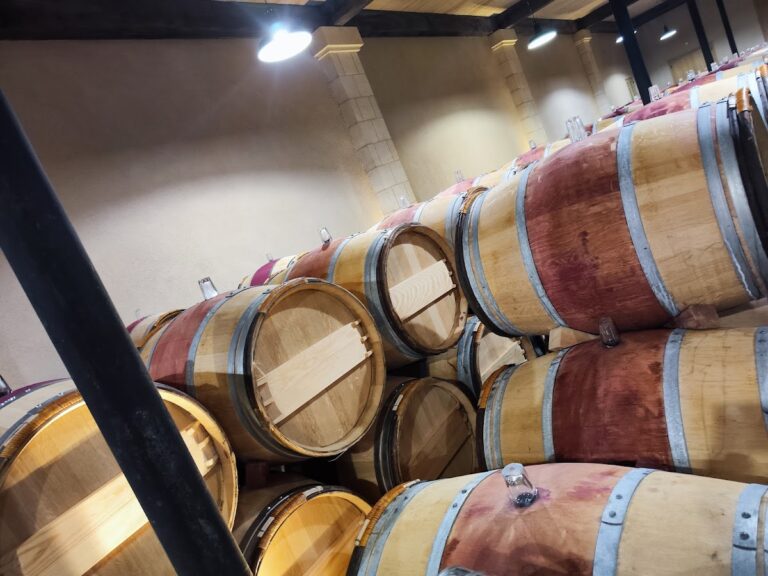
Grapes ferment in temperature-controlled stainless-steel tanks, and the wine then ages in barrels for at least 12 months. The estate also makes La Dame de Malescot, a second wine produced from lots not selected for its principal wine. Annual sales are approximately 110,000 bottles.