Croissy-sur-Seine Manor House: A Historic French Estate
Site at a Glance
- Rating
- 4.5
- Popularity
- Medium
- Country
- France
- Primary era
- Early Modern
- Eras represented
- Early Modern
- Civilizations
- French
- Site type
- Domestic
- Remains
- Castle
On this page5 sections
History
17th and 18th centuries
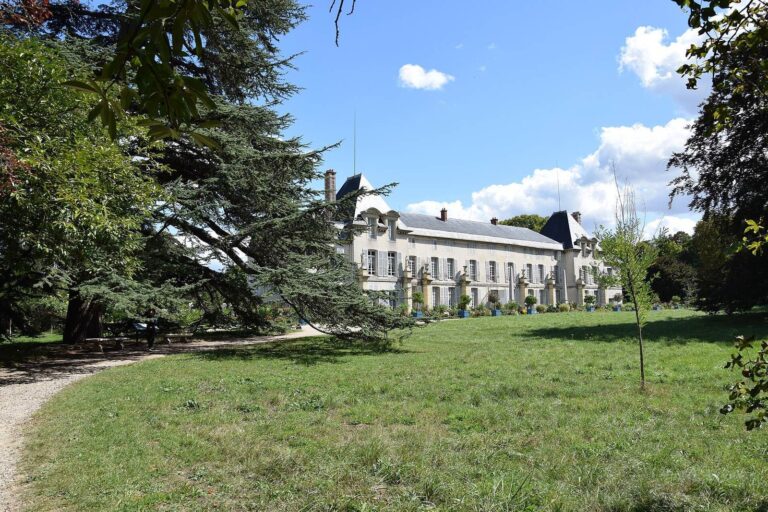
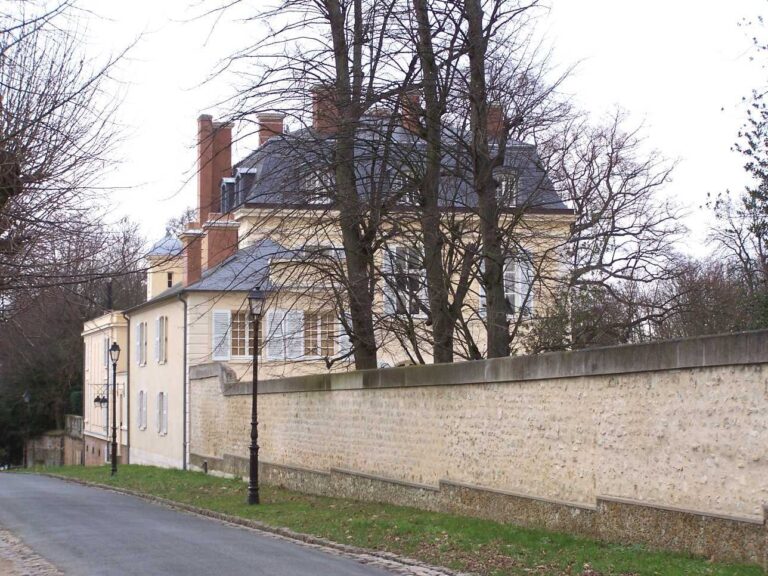
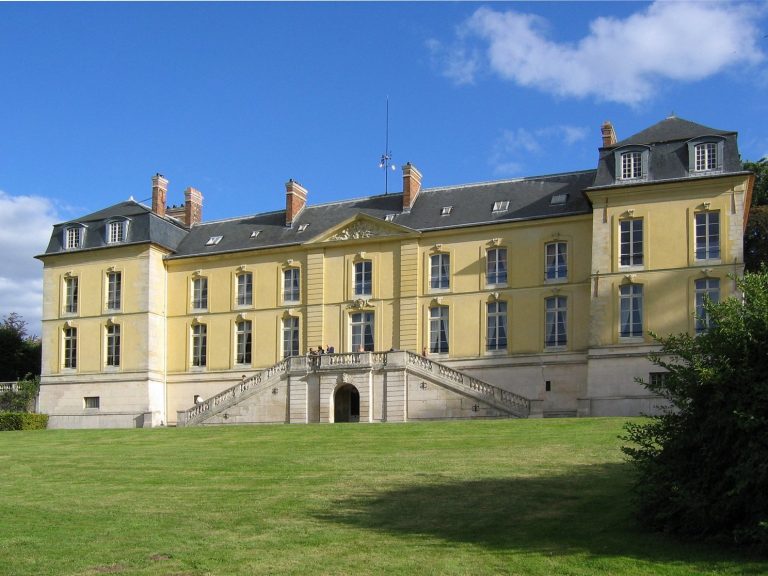
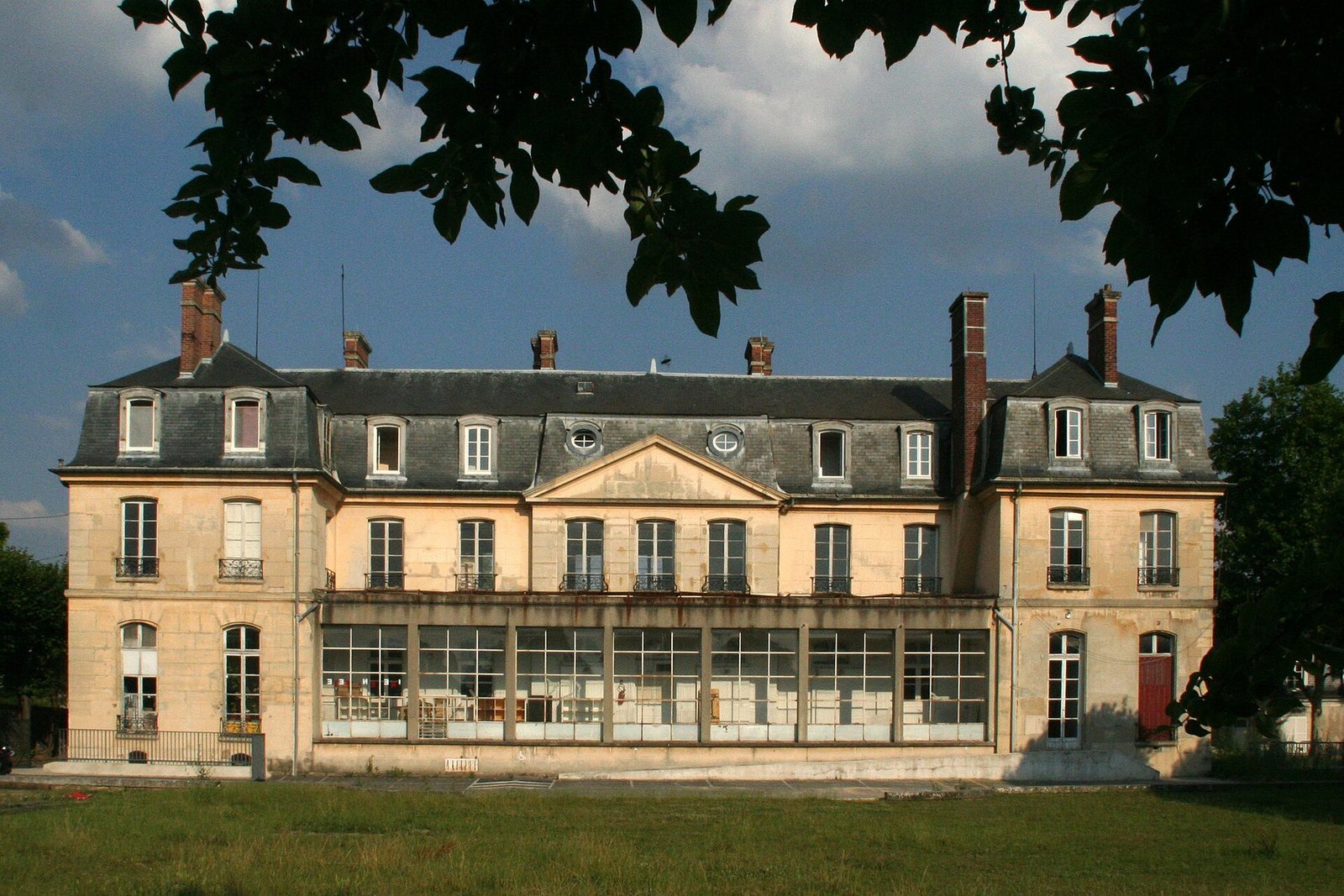
Croissy-sur-Seine Manor House, also known as the Château Chanorier, is a country house in France whose present building was erected between 1750 and 1770 for Georges Gougenot de Croissy. The property’s construction is broadly dated to the 17th and 18th centuries. Jean Chanorier acquired it in 1779. A receiver-general of finances, a senior official responsible for public revenue, and the last lord of Croissy, Chanorier had a ewe named Dangourde raised at the estate.
19th century
The manor passed to Jean-Louis Lapeyrière in the early 19th century. The Girod de l’Ain family lived there in 1824, followed by Count Jacques Charles Duval d’Eprémesnil in 1845. The Auguste-Dormeuil family acquired the property in 1881.
20th century to the present
The commune of Croissy-sur-Seine took ownership of the manor and its park in the late 1930s. The property subsequently housed a school and a sports ground, before the manor became a cultural facility during the 1990s. It received French historic-monument listing on 18 May 1975, a formal heritage-protection status.
Remains
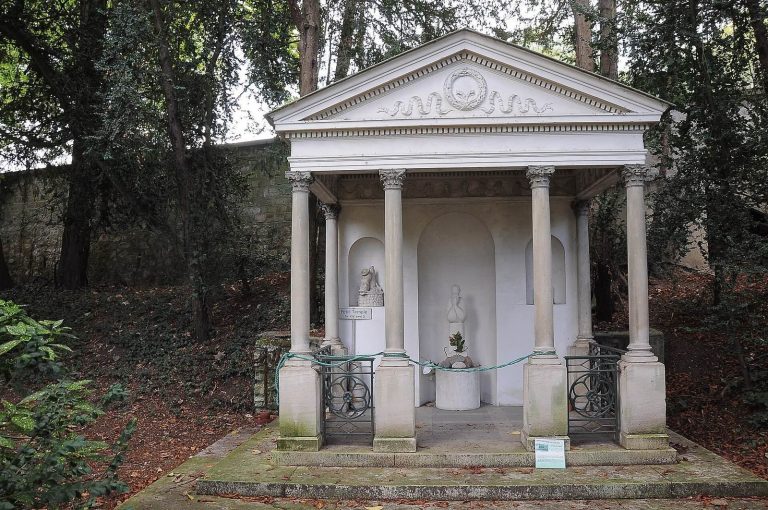
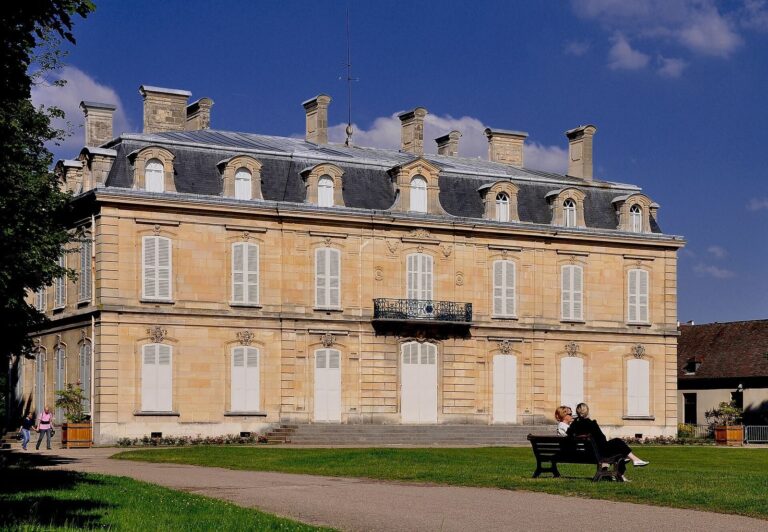
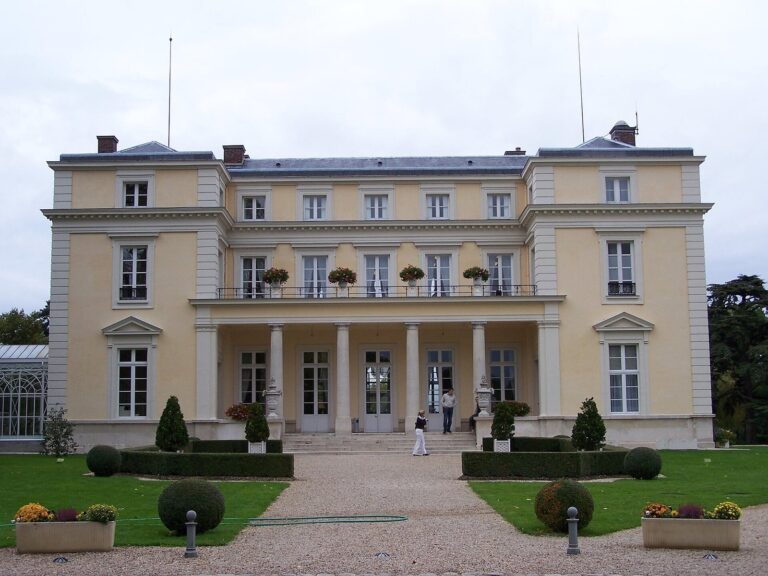
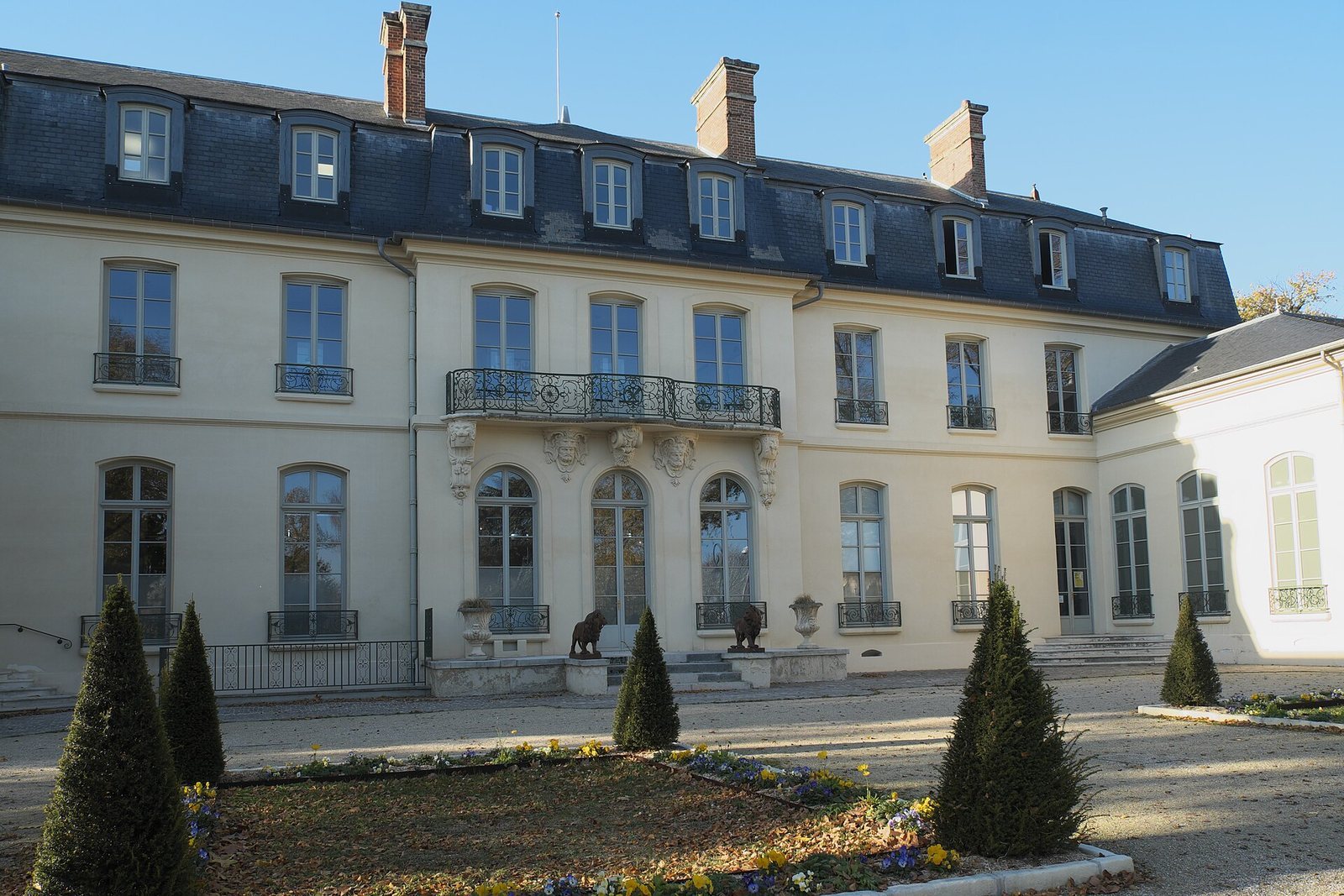
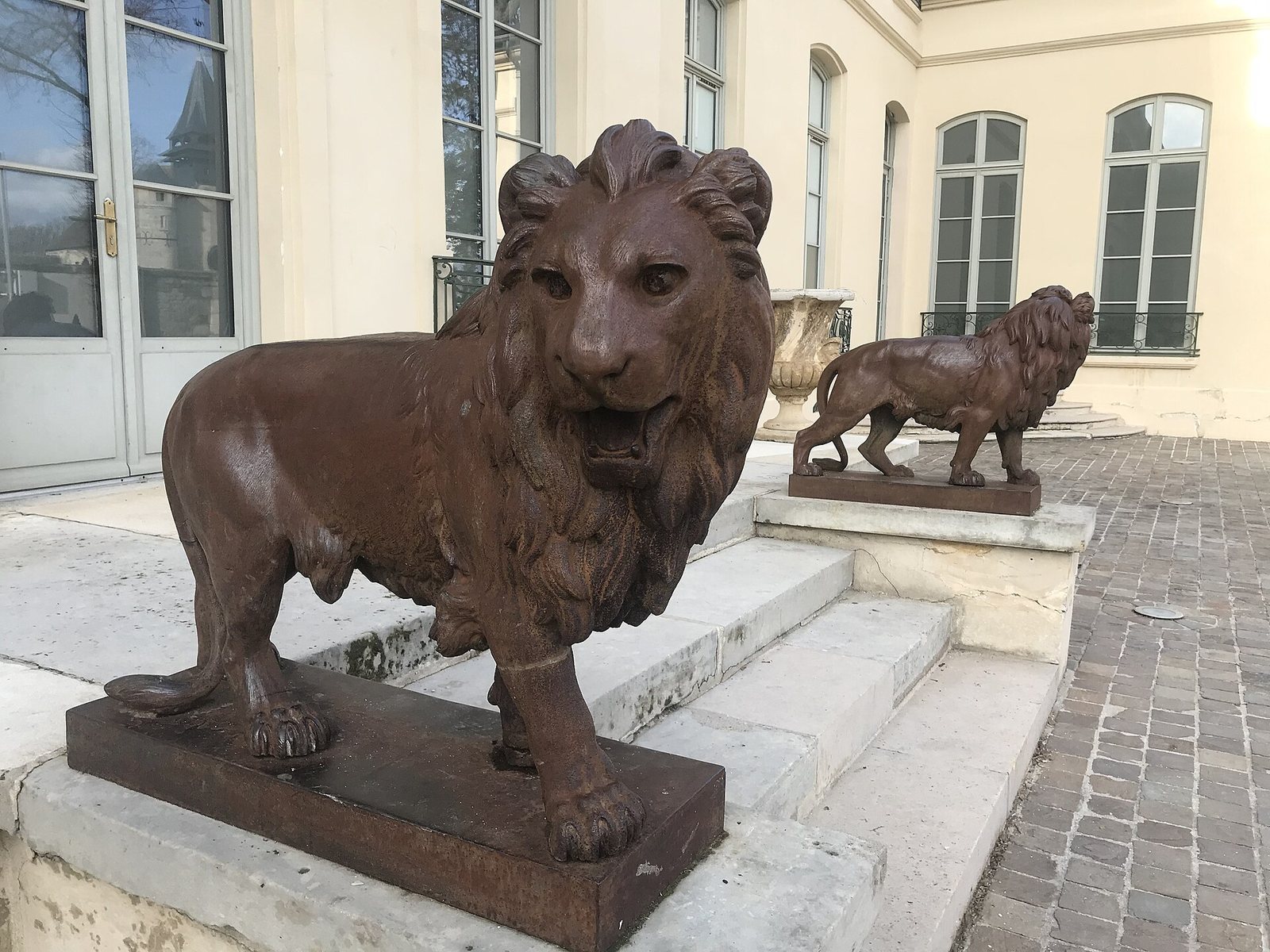
The manor has a façade facing the garden and an entrance on the Seine side, guarded by lions. Its grounds include a park. The commune fitted out a performance hall and a restaurant within the property.