Crévy Castle: A Feudal Stronghold in Morbihan, France
Site at a Glance
- Rating
- 4.2
- Popularity
- Low
- Country
- France
- Primary era
- Early Modern
- Eras represented
- Medieval, Early Modern, Modern
- Civilizations
- Duchy of Brittany, French
- Site type
- Domestic
- Remains
- Castle
On this page6 sections
History
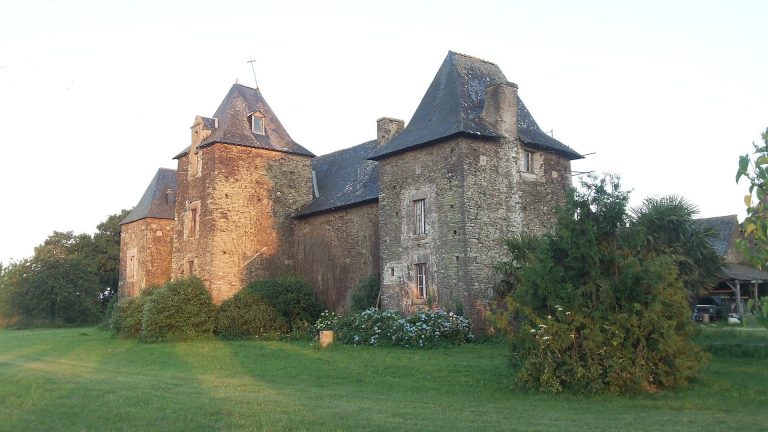
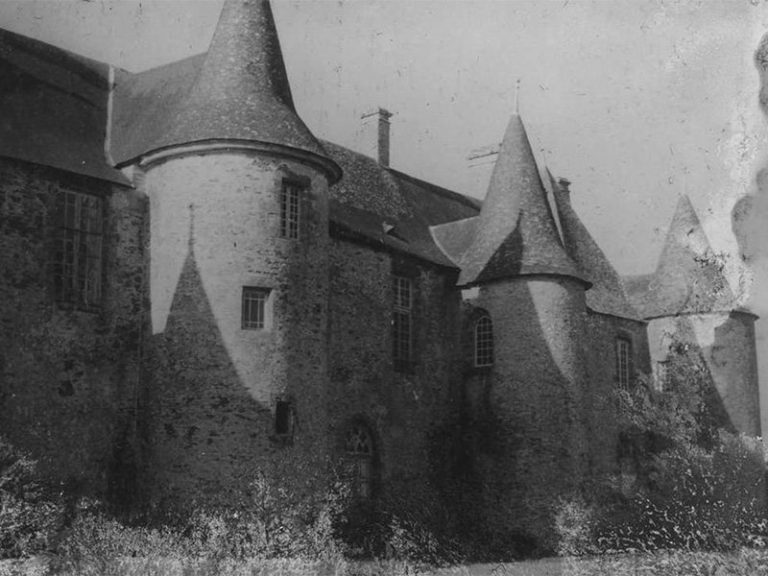
Crévy Castle, in La Chapelle-Caro, France, is a castle whose construction is dated broadly between the 14th and 17th centuries. It served as a feudal serjeanty of Ploërmel, a form of landholding tied to a specified service, and is also identified with a former Roman fortified settlement.
Medieval lordship
The lordship is associated with the Bonabes family around 1149, followed by Derval. Rougé held it in the 14th century, and Châteaugiron, also known as de Malestroit, in the 15th century. It later passed to Chastel, Montejean and Tournemine, then to Quelenec in 1563.
Religious conflict and later status
During the French Wars of Religion, the 16th-century conflicts between Catholics and Protestants, Crévy Castle was a focus of the struggle between the Catholic Malestroit family and the Protestant Rohan family of Josselin. The Duke of Mercœur, Philippe Emmanuel of Lorraine, kept a garrison at the castle, while forces on the king’s side failed to capture it.
The property passed to Rogier in 1602 and Descartes in 1644. In 1697, its lordship was elevated to a county for François Rogier.
Eighteenth century to modern use
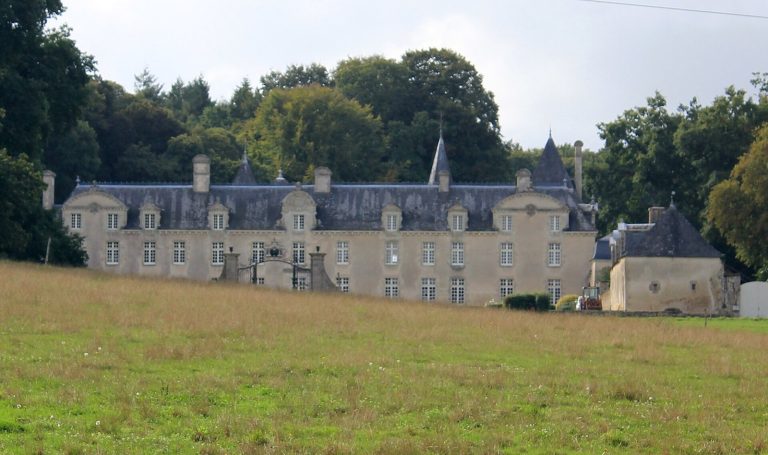
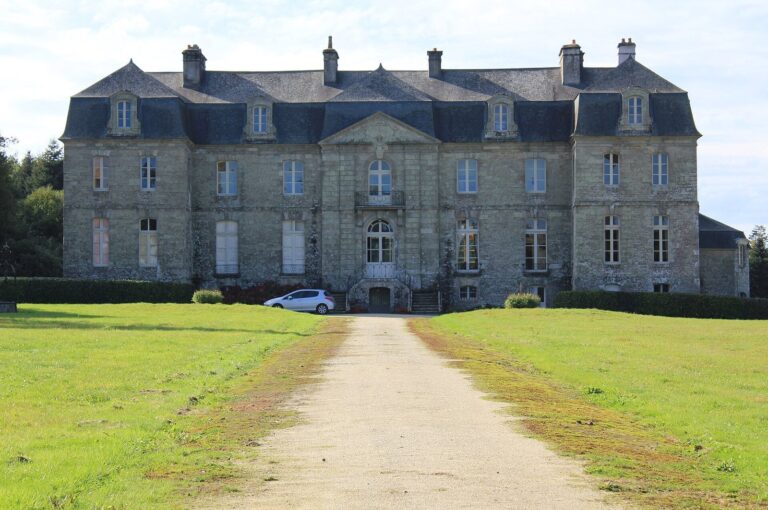
Brilhac acquired the property in 1741 and substantially altered the castle during the 18th century. After a period under Humbert, it returned to Brilhac in 1809, then passed to Poulpiquet du Halgouët in 1812 and Breil de Pontbriand de La Caunelaye in 1816.
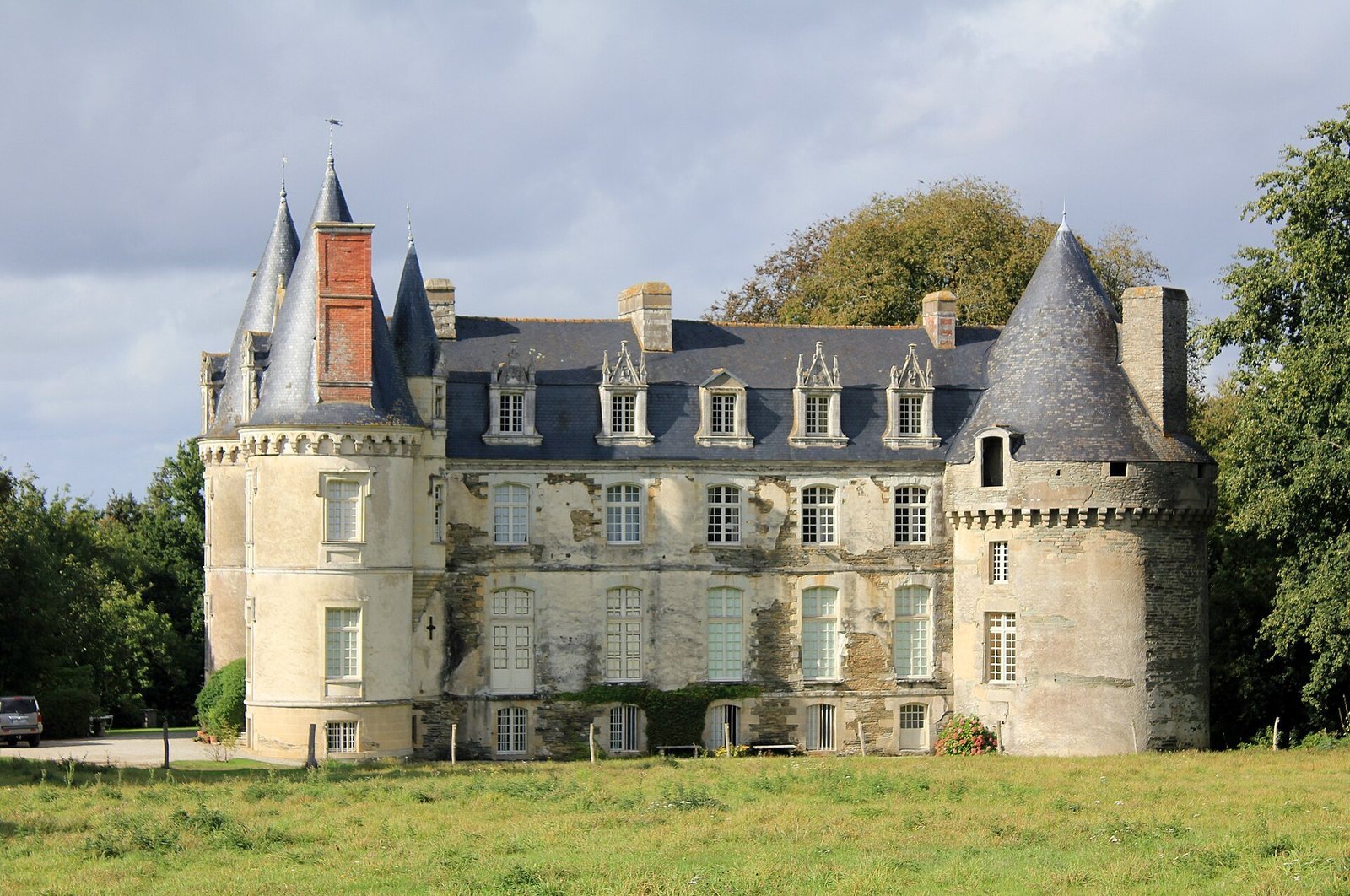
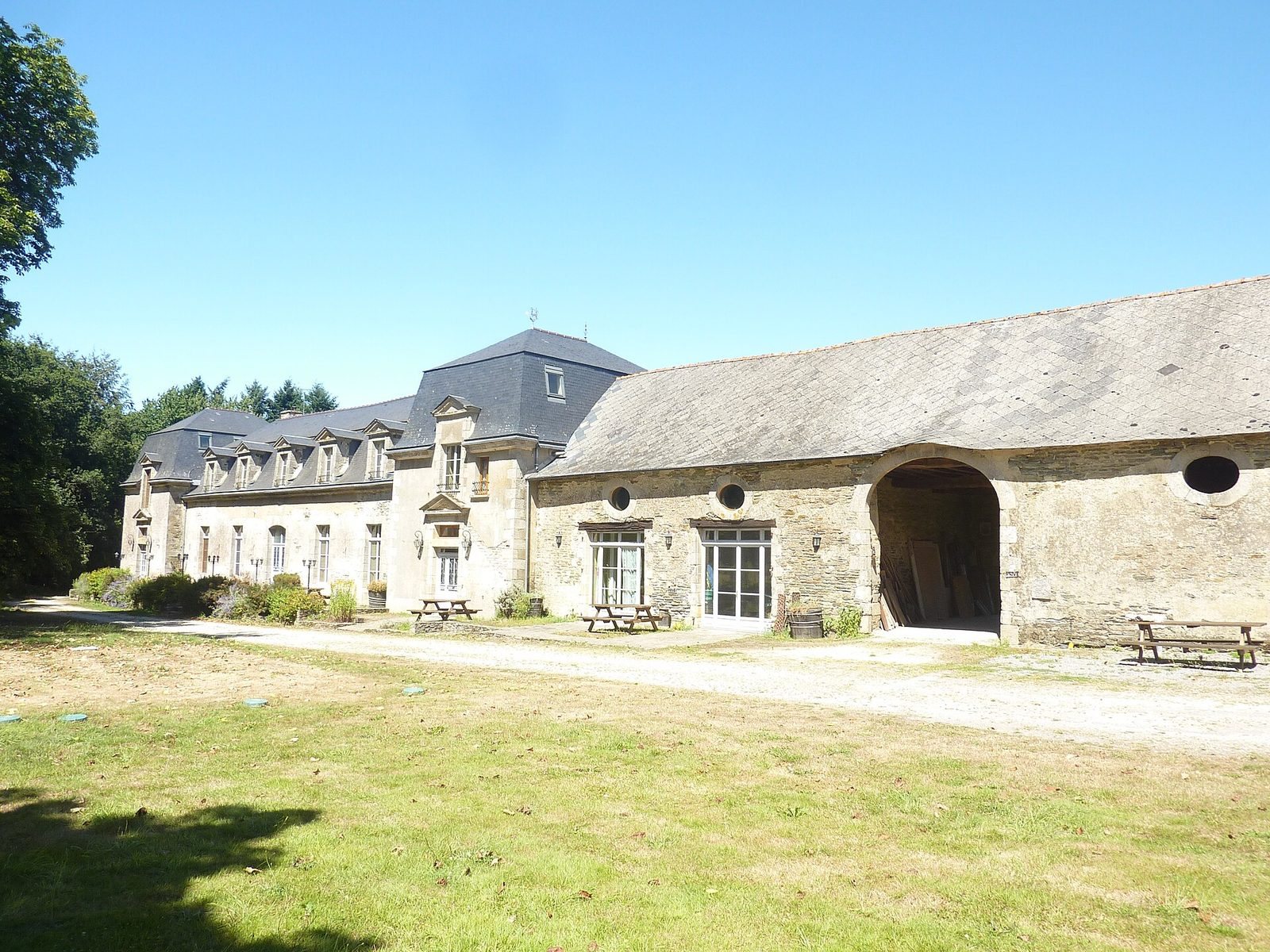
The castle later housed a Costume Museum, which ceased to exist after the owners died. Its two 17th-century façades were listed as historic monuments in 1925, followed by the southeast corner tower in 1970.
Remains
Surviving features
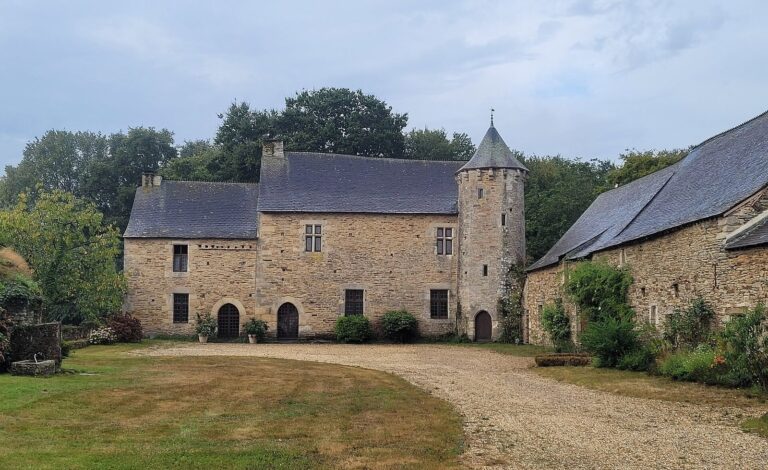
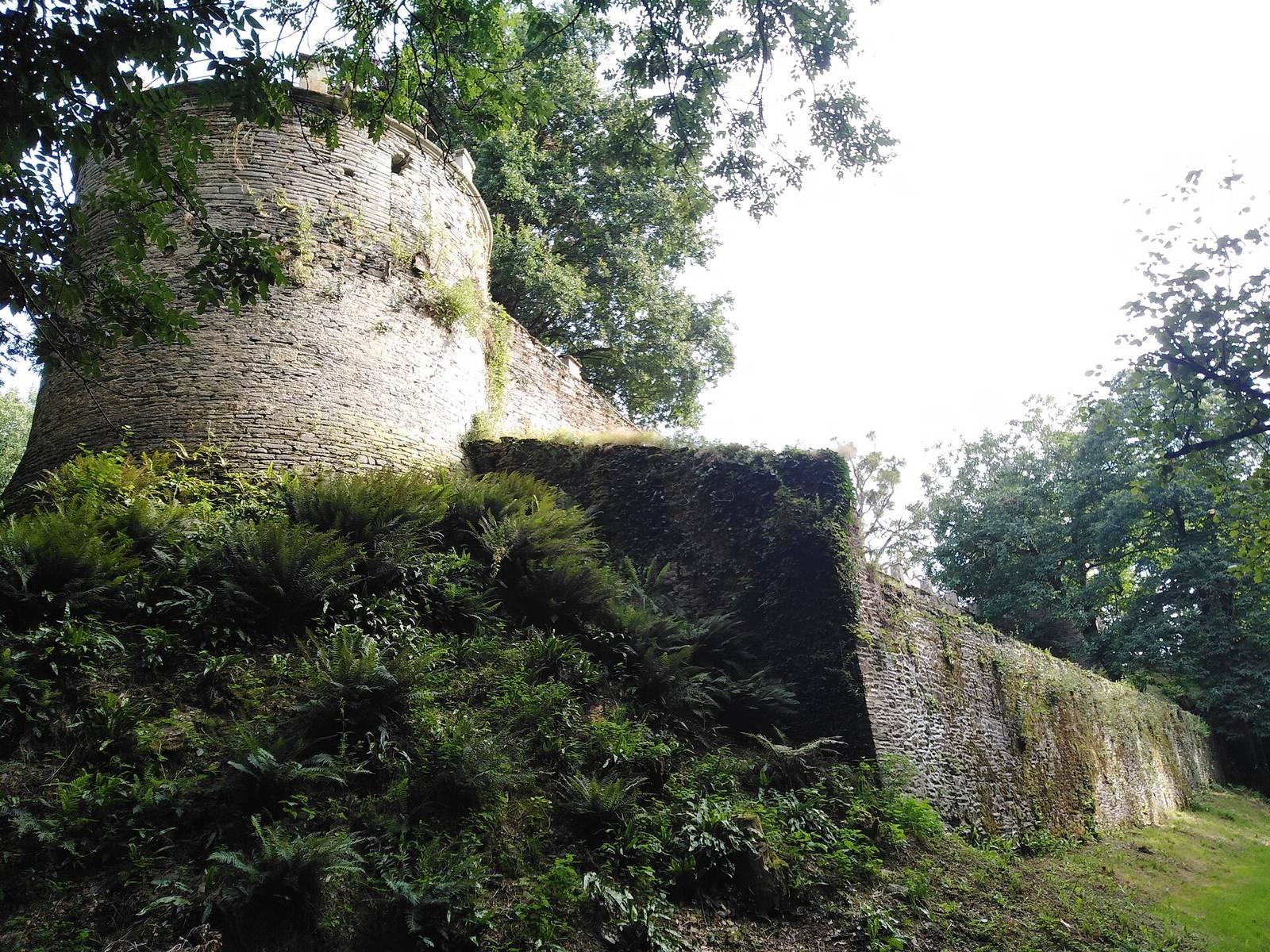
The surviving arrangement includes two façades dating to the 17th century and a southeast corner tower. A residential wing was added on the western side in 1855 and is flanked by two towers. Monique Dunan restored the castle in 1966.