Červený Hrádek: A Castle in Sedlčany, Czechia
Site at a Glance
- Popularity
- Medium
- Country
- Czechia
- Primary era
- Modern
- Eras represented
- Medieval, Modern
- Civilizations
- Austria-Hungary, Austrian Empire, Habsburg, Holy Roman Empire, Kingdom of Bohemia
- Site type
- Domestic
- Remains
- Castle
On this page9 sections
History
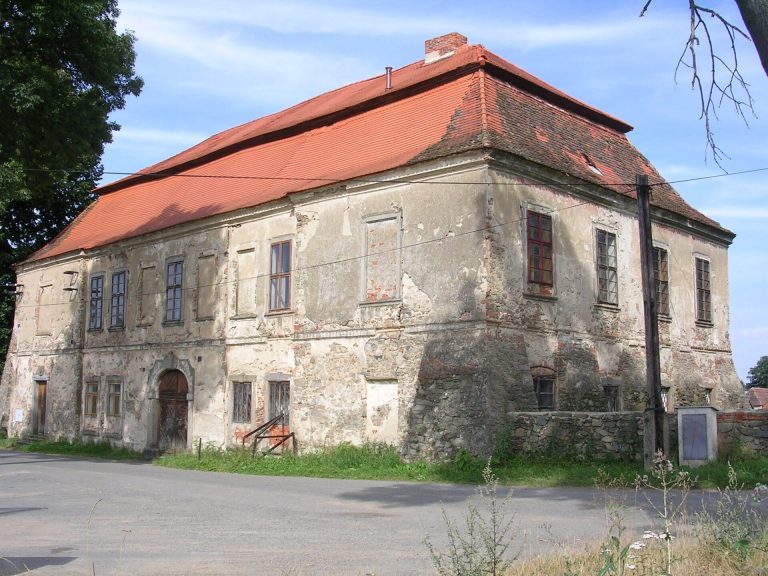
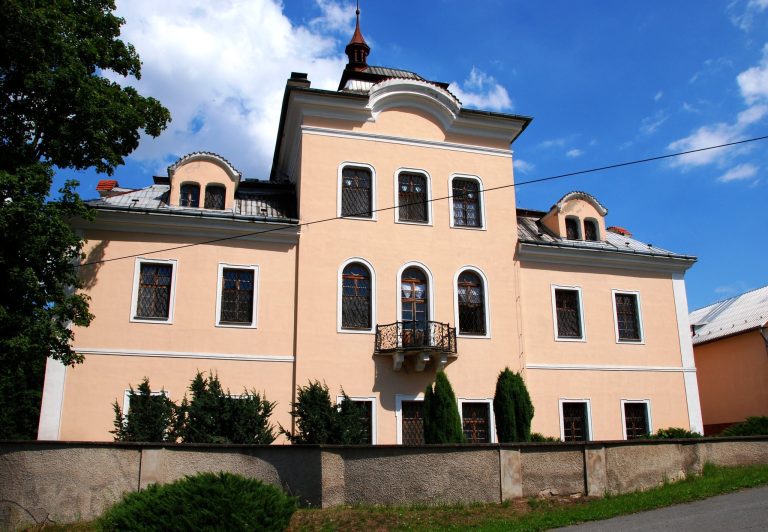
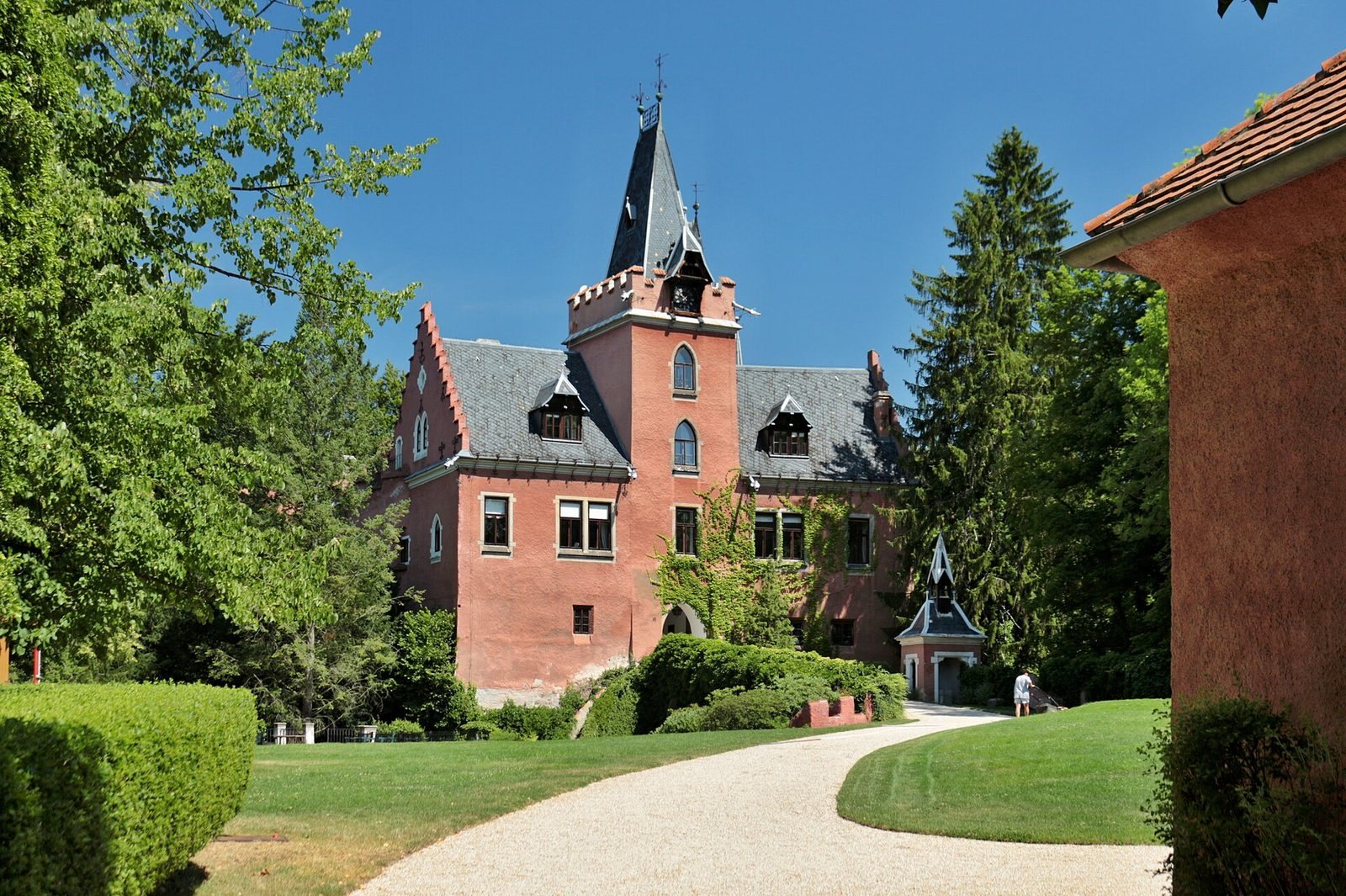
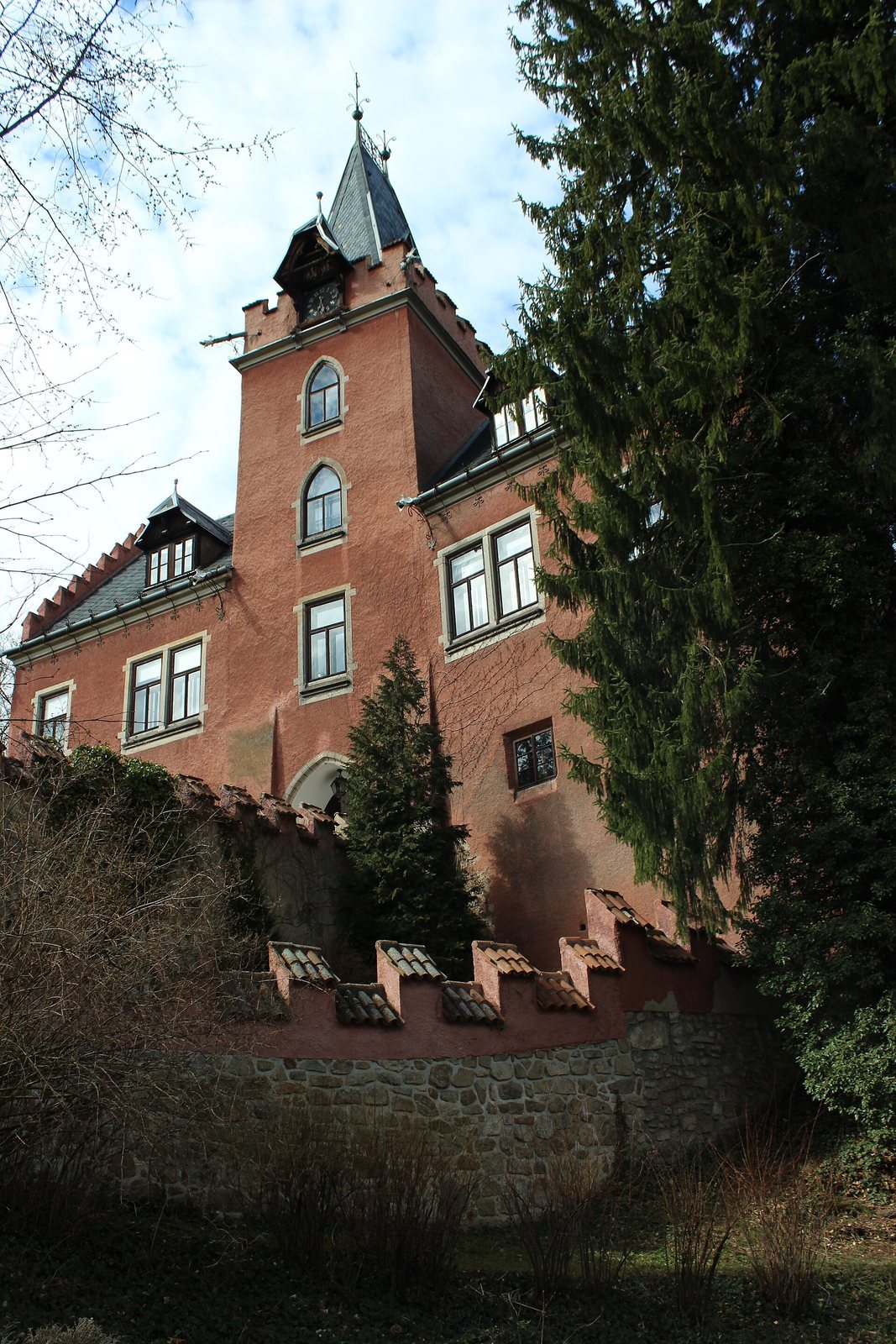
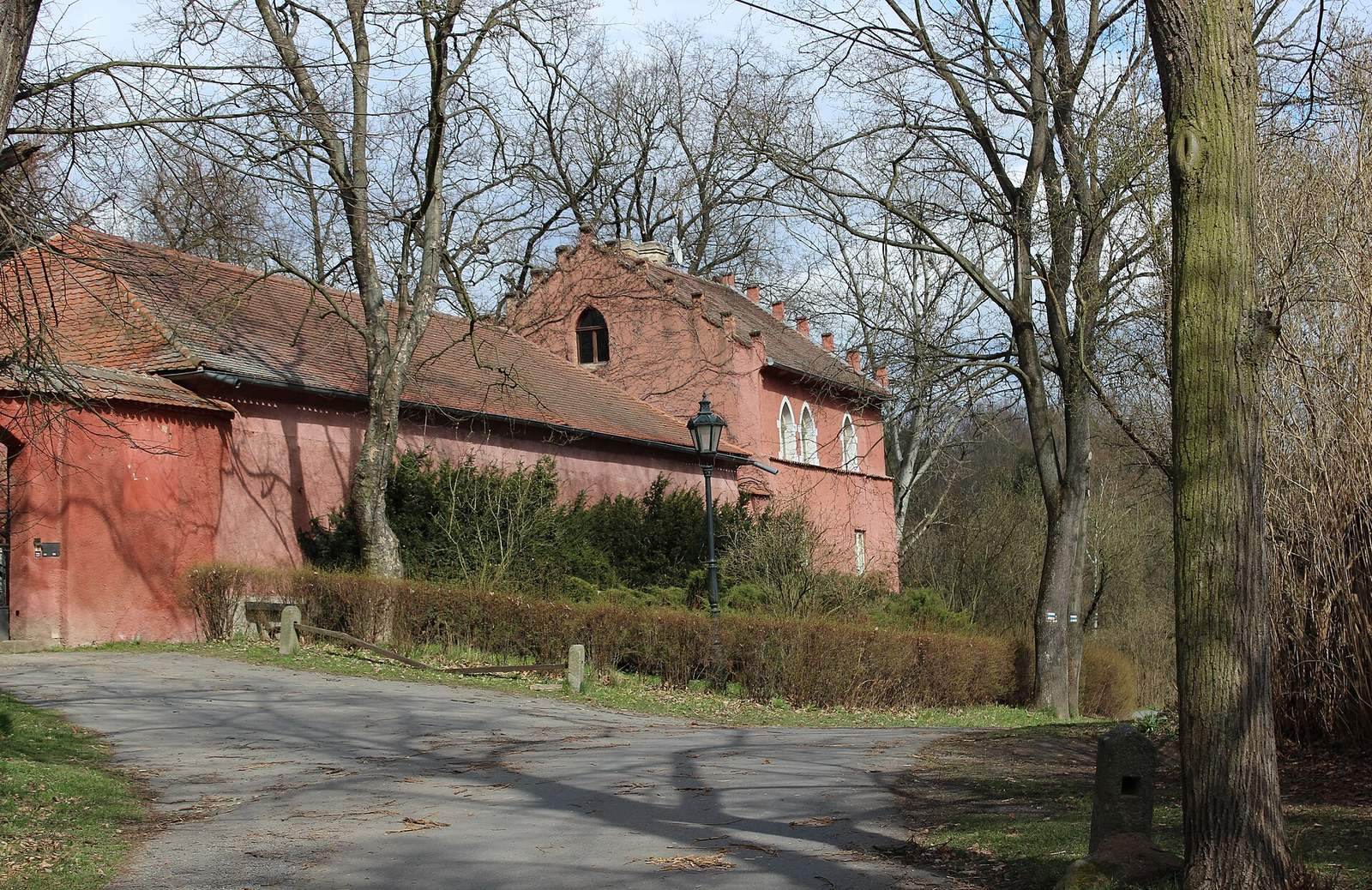
Červený Hrádek is a castle in the Červený Hrádek quarter of Sedlčany, Czechia, built on the site of a Gothic fortress dating to the thirteenth century. The village and fortress were first mentioned in 1285. Nineteenth-century rebuilding established the castle’s surviving form.
The fortress and its changing name
In 1285, the estate was held by Jan, Mírek, Jaksa, and Chalata of Hrádek. From the sixteenth century, when the Břekovec family of Ostromeč owned the property, the fortress was known as Červený Hrádek. The name may have referred either to its roof covering or to plaster decorated with red stripes.
Recorded owners also included the Lords of Říčany, the Lords of Vrtba, the Radečtí of Radče, the Mladota family of Solopisk, and the Lobkowicz family. After the Bohemian estates’ defeat at the Battle of White Mountain in 1620, the property passed by inheritance to the Lords of Vrtba. The Thirty Years’ War, a European conflict fought from 1618 to 1648, appears to have had little effect on the area.
Fire and rebuilding
A fire destroyed the fortress in 1669, leaving it in ruins for an extended period. It was rebuilt around 1711. After 1788, the castle became a residence for princely officials, while ownership changed frequently.
The Mladota rebuilding
František Mladota ze Solopisk (1811–1879) bought the property in 1837. A major rebuilding phase, dated 1844–1894 and begun by Baron Jan Nepomuk Mladota ze Solopisk, created the castle’s surviving form. After 1893, Prague builder Josef Freyn directed the work with help from his relative Jan Kotěra, then a student at the Vienna Academy of Fine Arts. Kotěra took charge alone after 1895 and also made Art Nouveau alterations in the late nineteenth century.
Expropriation and return
The Mladota family owned the castle until 1948, when the state expropriated it from Jan Mladota ze Solopisk (1917–2001). After four months in investigative custody, he emigrated, first to Austria, then to the United States, and eventually to Switzerland. Some paintings from the family gallery and furniture were transferred to Vysoký Chlumec Castle, the Museum of Decorative Arts in Prague, and ministry offices. The family archive was placed in a State Heritage Care repository in Pardubice.
The castle was used briefly by the military, then by a vocational school, and later by the Sedlčany Regional Museum and the Příbram District Archive. After 1989, restitution returned it to the Mladota family, and it was gradually improved as their private residence. Jan Mladota became its first owner after the regime change and died in April 2001. He had married Henrietta Goldegg-Lindenburgová at the castle in 1945. She died in 2011, and her will transferred the property to Nikolaus Lobkowicz, born in 1978 and a member of the family’s Mělník branch.
Remains
Castle fabric and setting
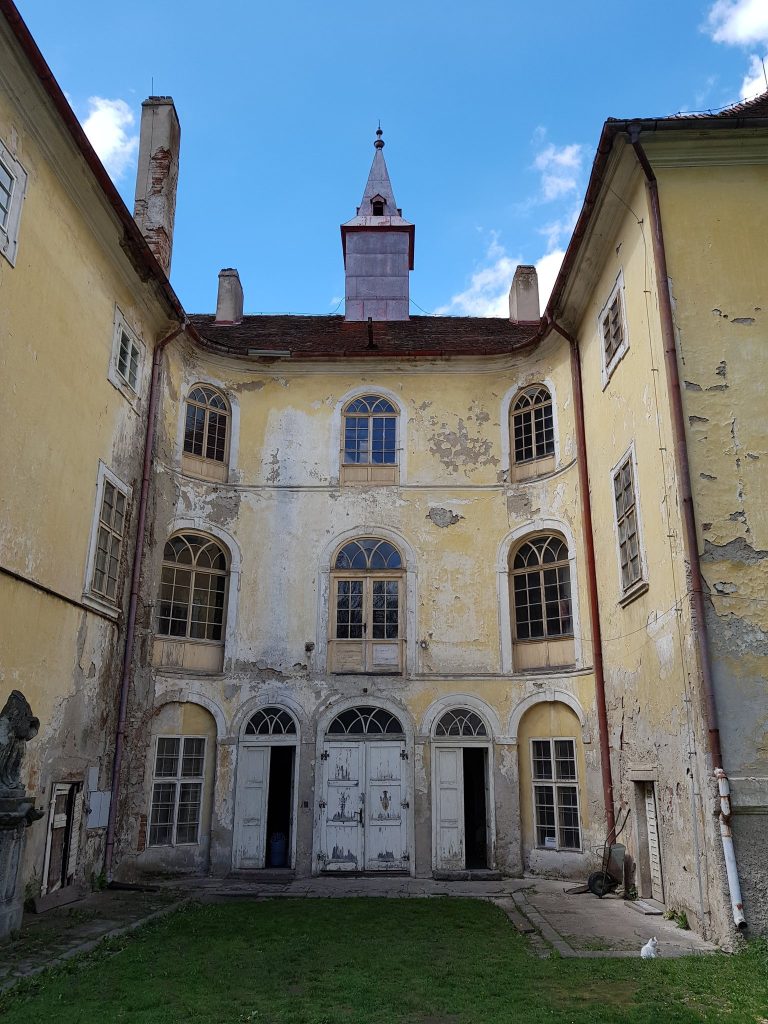
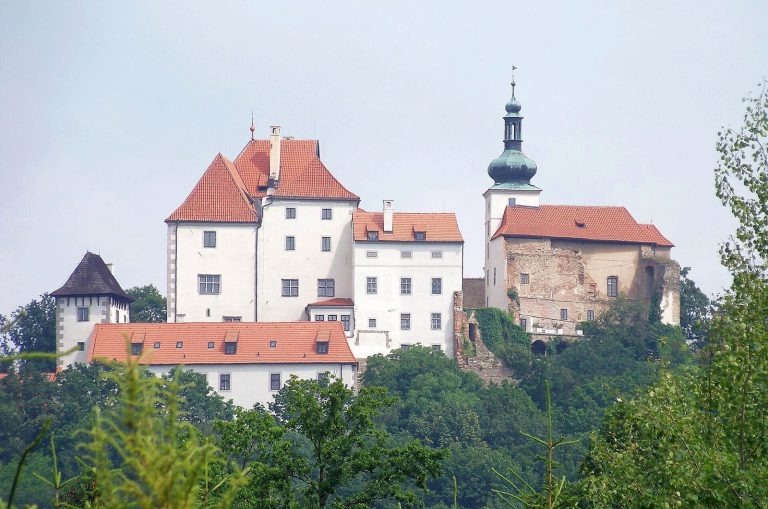
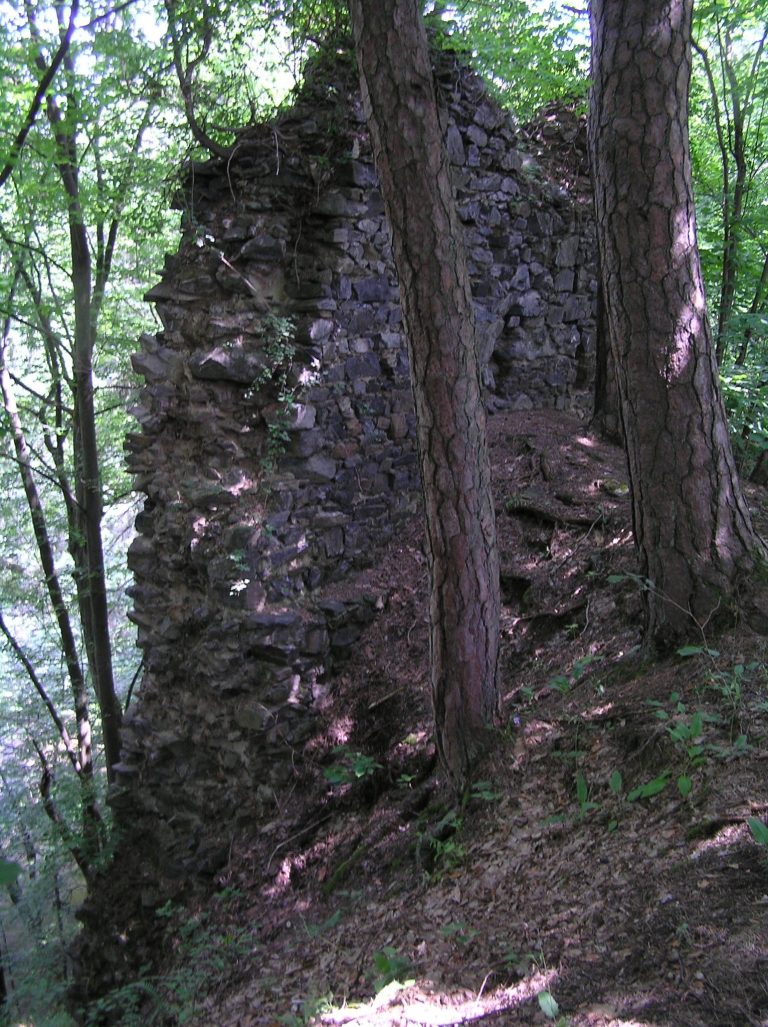
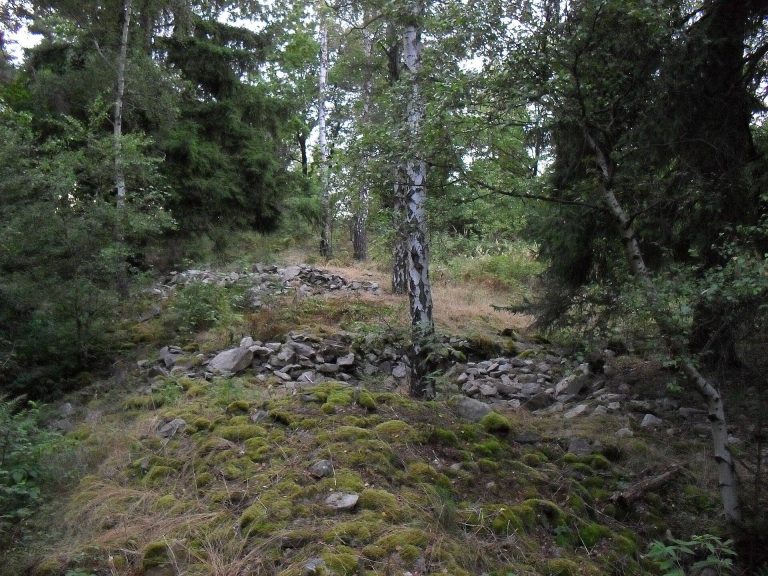
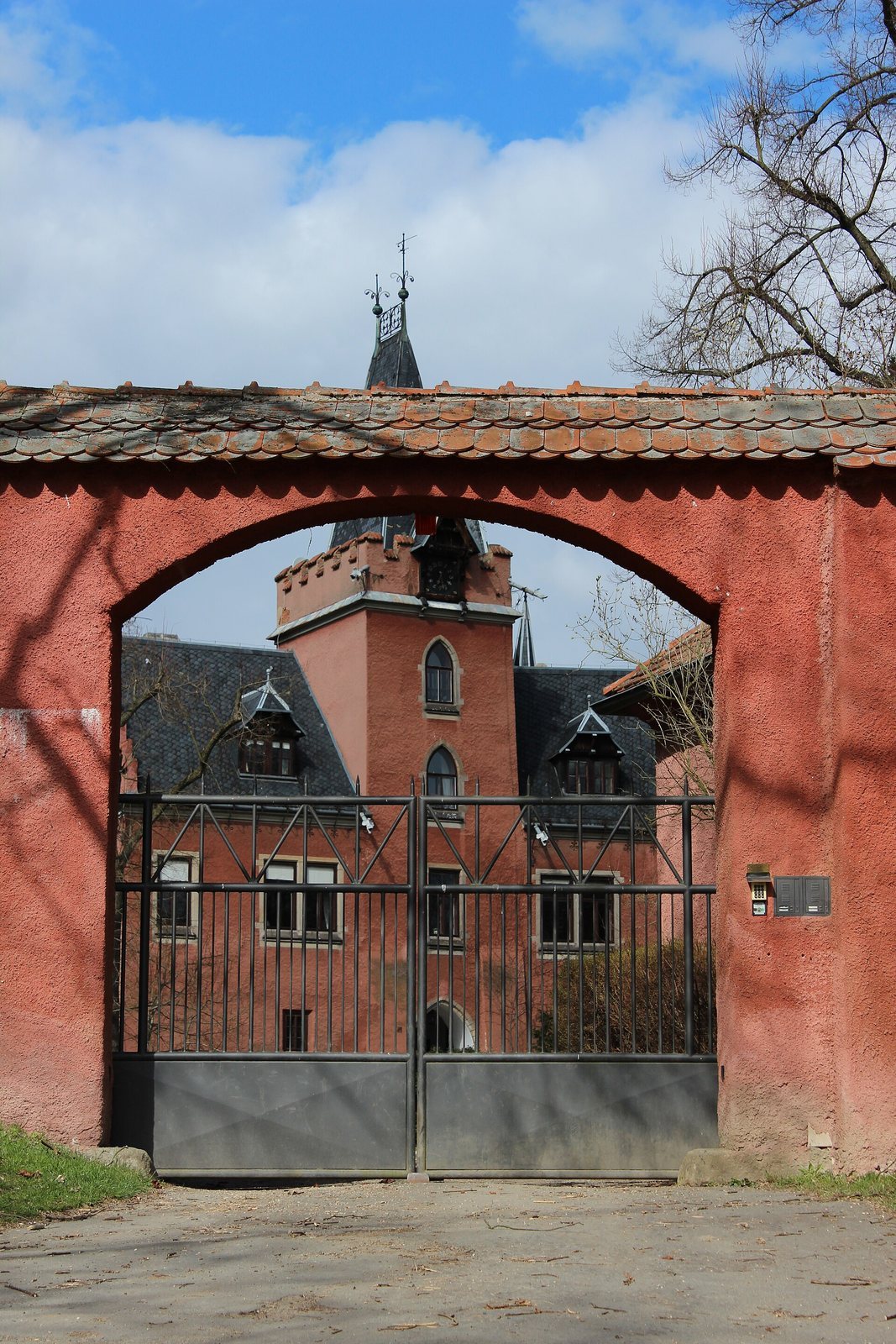
The castle stands within the settlement of Červený Hrádek, about two kilometres east of Sedlčany’s town centre, and its grounds include an English-style park. A fortified Gothic fortress once occupied the site. The remains of a dam suggest that it used water as part of its defenses, holding back the nearby Mastník stream. The rear tower has a pentagonal plan and probably dates to the second half of the fifteenth century. At the entrance, a portal has a Gothic vaulted ceiling. An 1898 inventory describes partially original masonry in both towers and a tower from the nineteenth-century rebuilding with battlements, protective openings along its top, and a saddle roof with two sloping sides meeting at a ridge.
Architectural style and decorative features
The castle’s exterior is Neo-Gothic, while Art Nouveau, a late nineteenth-century style associated with flowing forms and ornamental design, has a strong influence inside. Its rebuilding is also described as Romantic historicist, an approach that draws on earlier architectural styles. An 1898 inventory describes a Renaissance-style knocker on the main gate and Baroque fittings, from another European artistic period. These include a metal bracket bearing emblems of Christ’s Passion and a wooden relief of Saint Vitus, an early Christian martyr venerated as a saint, with two lions. The relief came from an altar no longer in use at St Vitus Cathedral in Prague.
Recorded furnishings
An 1898 inventory lists furnishings associated with the castle from several European artistic periods. These include a Renaissance cabinet inlaid with images of Christ and Saint Paul, a Rococo cabinet, an Empire-style writing desk, Baroque and Empire-style picture frames, and pewter vessels from the seventeenth century. Empire style is especially associated with the Napoleonic era.