Castle of Peñausende: A Medieval Military Fortification in Spain


Site at a Glance
- Rating
- 4.5
- Popularity
- Very Low
- Country
- Spain
- Primary era
- Medieval
- External website
- Open
- Eras represented
- Medieval
- Civilizations
- Kingdom of León
- Site type
- Military
- Remains
- Castle
History
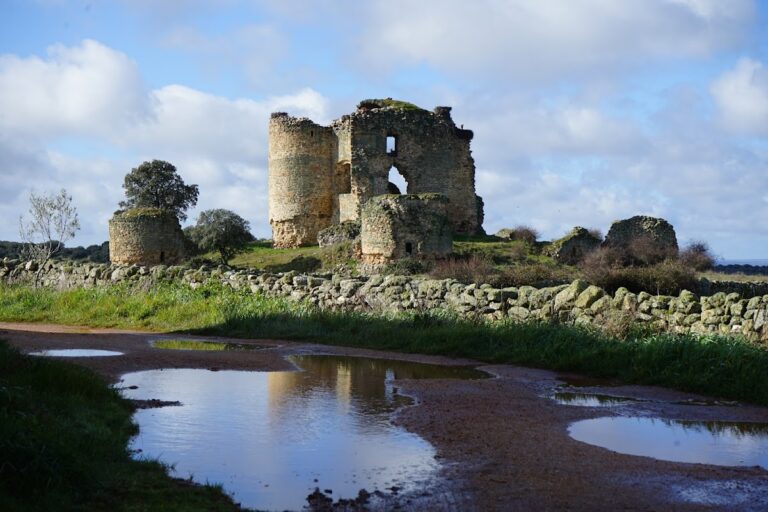
The Castle of Peñausende is a medieval military fortification in Spain, at Peñausende in Zamora, that belonged to a commandery of the Order of Santiago. This medieval Christian military-religious order administered territories and fortifications through commanderies, or encomiendas. The castle formed part of a group known as crag, royal, and frontier castles, a varied category that includes both Christian and Islamic fortifications.
These castles were generally built in elevated positions with natural defensive advantages, and the category is associated with abandonment during the Late Middle Ages. The Castle of Peñausende is now in ruins. It has generic Bien de Interés Cultural status, the Spanish designation for a protected cultural-heritage asset, and has appeared on the Red List of Endangered Heritage since 2014, identifying it as a site considered at risk.
Remains
Rocky summit and defensive walls
Known locally as El Castillo, the fortification occupied the summit of an isolated rocky escarpment at 909 metres above sea level. Its position provided natural defensive advantages, while the settlement of Peñausende developed along the southern slope, where the Church of Saint Martin of Tours became the first prominent building. Several sections of curtain wall, the connecting defensive wall between fortified points, survive together with the bases of some defensive towers. A cavity within the remains may have served either as a cistern, a reservoir for storing water, or as a dungeon, a secure enclosed or underground prison space.
A second defensive wall can still be traced from the summit. Much of it is obscured among the dry-stone walls that divide nearby private fields, locally called cortinas and cortinos. The elevated site is also one of southern Zamora Province’s principal viewpoints, with clear-day views toward Sayago, lands in Portugal beyond the Douro gorges, the city of Zamora, and the Culebra mountain range.
Nearby sites