Marbella Castle: A Medieval Coastal Fortress in Spain
Site at a Glance
- Rating
- 4.3
- Popularity
- Medium
- Country
- Spain
- Primary era
- Medieval
- Eras represented
- Medieval
- Civilizations
- Umayyad
- Site type
- Military
- Remains
- Castle
On this page5 sections
History
Roman and Umayyad origins
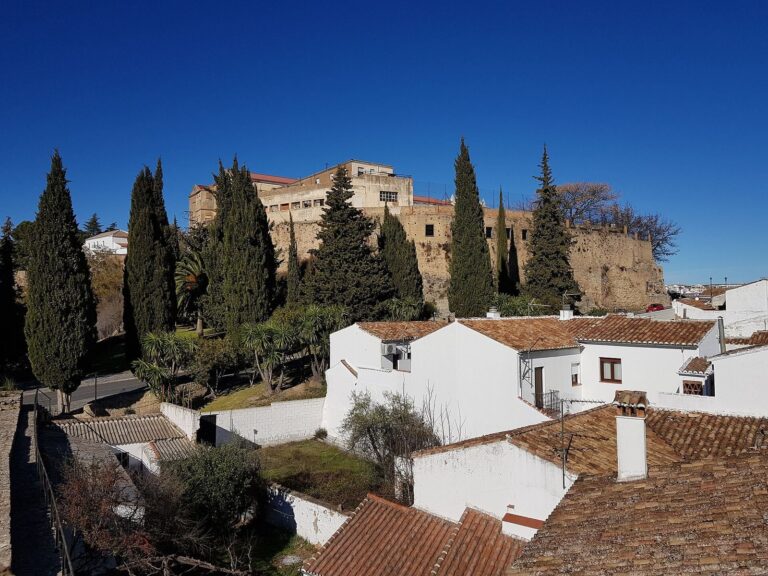
Marbella Castle is a ruined fortress in the historic center of Marbella, Spain. Archaeological evidence increasingly supports a Roman origin for the site, while its medieval fabric dates to the period of Abd al-Rahman III, an Umayyad ruler of al-Andalus. The castle was built amid Ibn Hafsun’s rebellion against Umayyad authority as a coastal stronghold from which to attack the rebel leader.
Nasrid defense and Christian conquest
The fortress later helped defend the Nasrid Kingdom of Granada, a Muslim-ruled kingdom in southern Iberia. On 11 June 1485, it surrendered to Christian forces under Ferdinand the Catholic. With Isabella I of Castile, Ferdinand ruled the kingdoms that completed the conquest of Granada.
Later use and protection
The castle served as Marbella’s cemetery during the nineteenth century, a use that may have begun in the mid-eighteenth century. In the late eighteenth century, a local scholar called it Castillo de la Madera, apparently believing that a timber depot had once stood there. A decree of 22 April 1949 gave the castle general monument protection. It was also covered by Spain’s Historical Heritage Law of 1985 and designated an Asset of Cultural Interest that year.
Remains
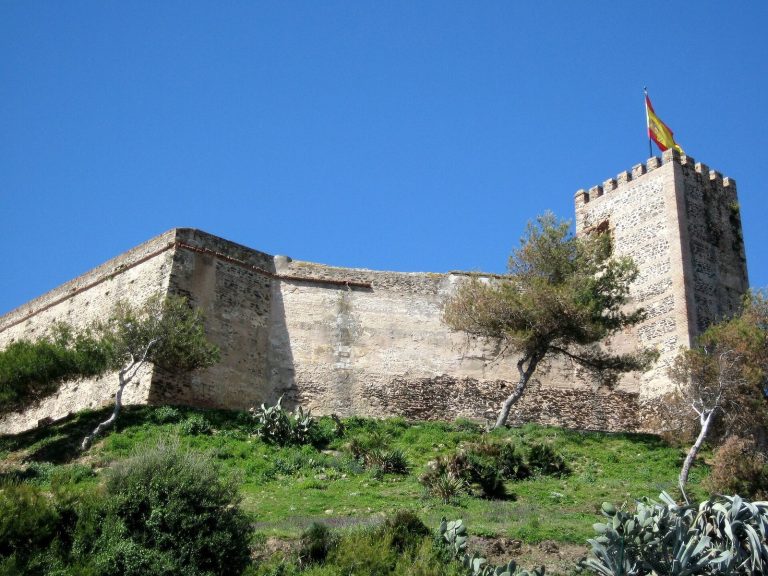
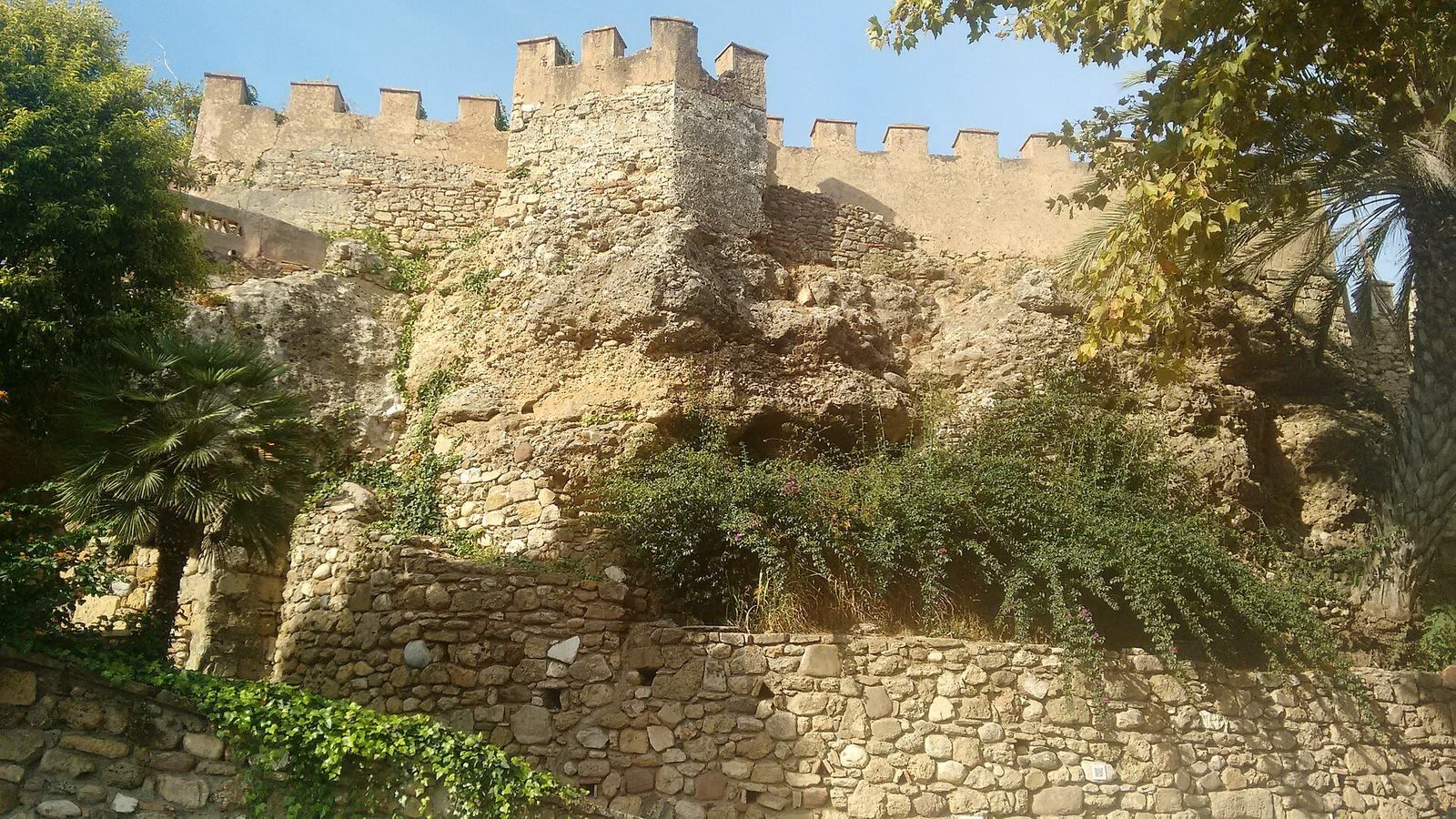
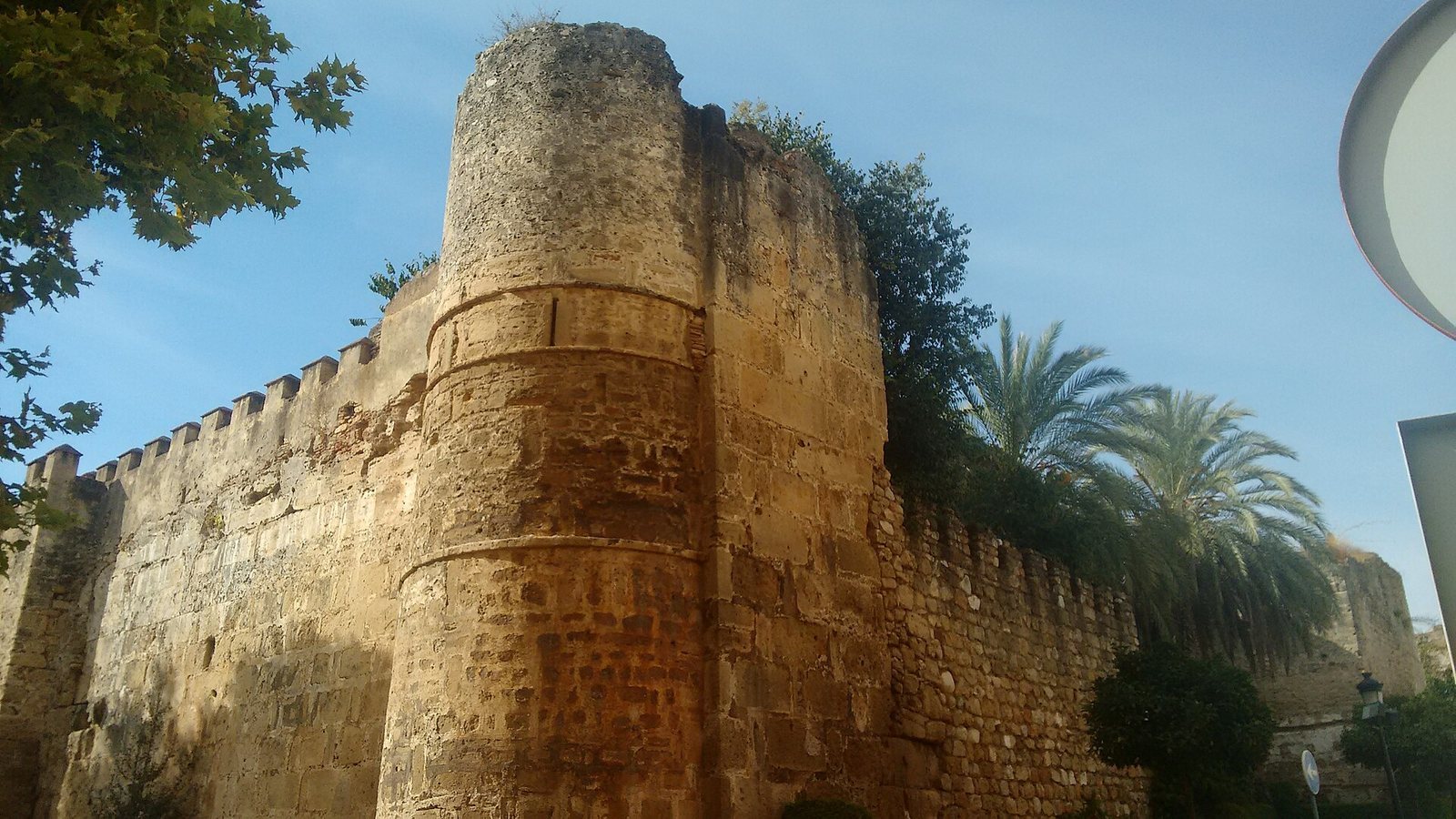
The ruined castle has a rectangular plan and stands in Marbella’s historic center. It is also known as the Alcazaba of Marbella, an alcazaba being a fortified citadel associated with a town or city. A tower called the Torre del Cubo is associated with the castle.