Castellar Castle: A Noble Residence in Piedmont, Italy
Site at a Glance
- Popularity
- Medium
- Country
- Italy
- Primary era
- Medieval
- Eras represented
- Medieval, Early Modern
- Civilizations
- Duchy of Savoy, Holy Roman Empire
- Site type
- Domestic
- Remains
- Castle
On this page6 sections
History
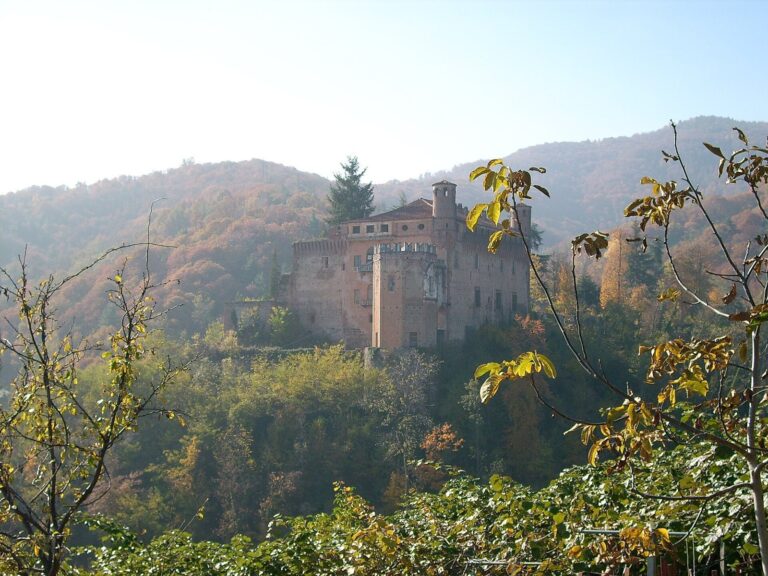
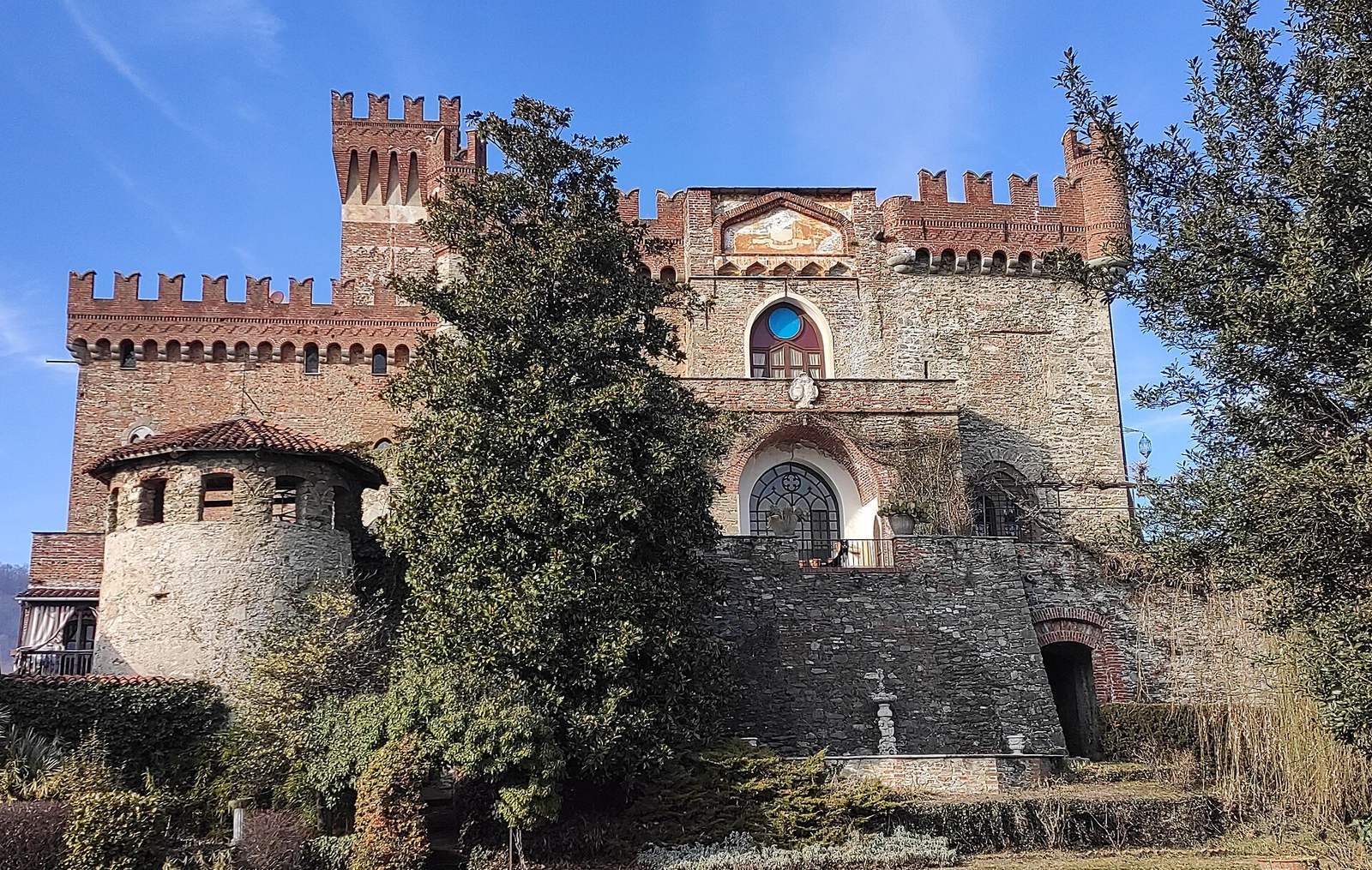
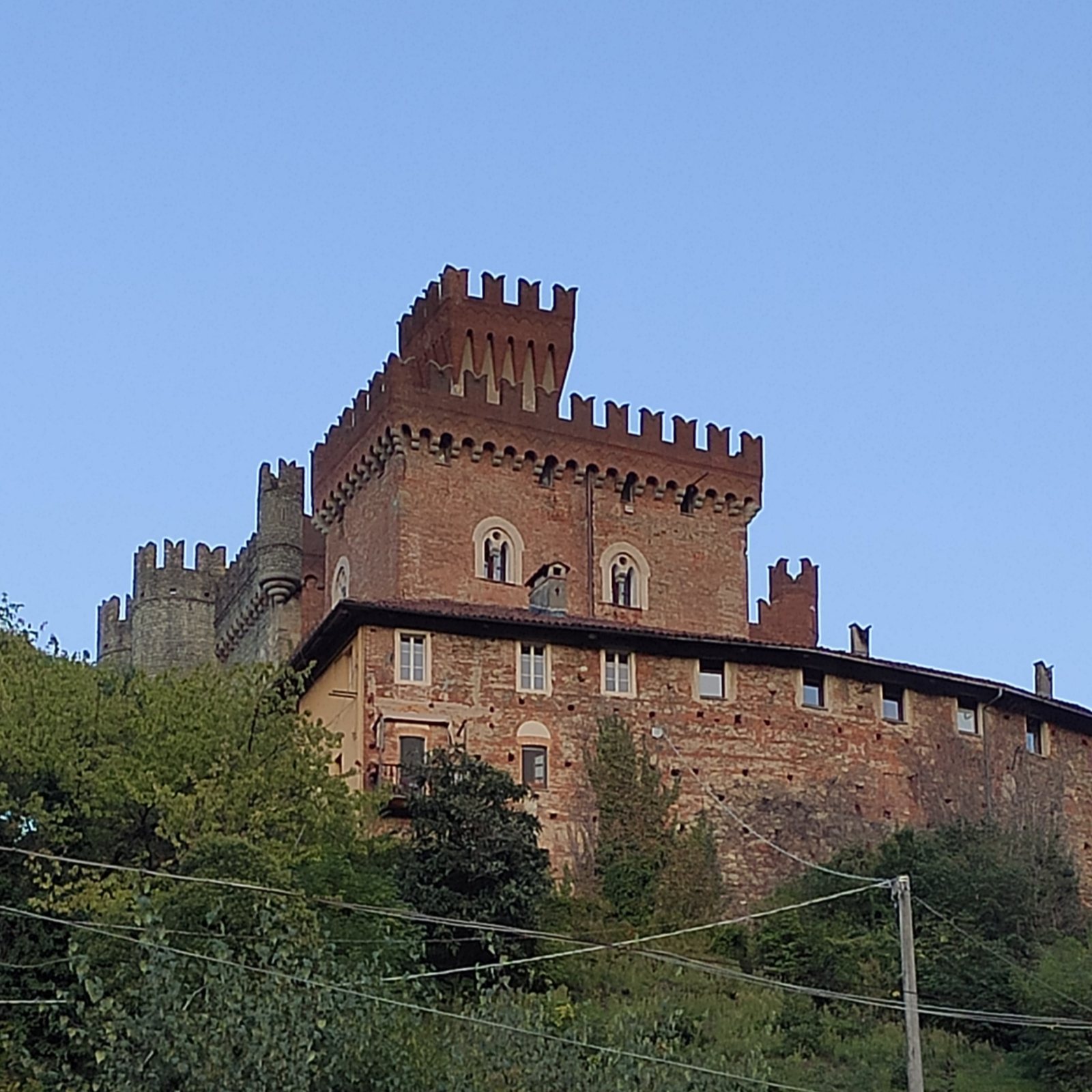
Castellar Castle is a hilltop residence overlooking Castellar in Piedmont, Italy. Azzo, third son of Tommaso II, marquis (hereditary ruler) of Saluzzo, built it in the fourteenth century. The castle became the home of the counts of Saluzzo di Paesana and Castellar, whose family lived there continuously until the years before the Second World War.
Early history and family record
A small fortification may have stood on the hill earlier, perhaps in Roman times. Expansion of Azzo’s castle began in 1350 and continued over the following centuries. Giovanni Andrea Saluzzo, Azzo’s direct successor as lord of Castellar, wrote Charneto, a diary spanning 1482 to 1528. It describes political events in the Marquisate of Saluzzo, the historic polity in Piedmont, as well as the family’s daily life.
Fire and rebuilding
Toward the end of the sixteenth century, a fire that began in the underground rooms nearly destroyed the castle. It was rebuilt in the years that followed.
Renovation and later use
In the late nineteenth century, the Saluzzo brothers Ludovico and Marco Aurelio commissioned a thorough renovation, particularly of the exterior. On 31 July 1879, King Umberto I of Italy granted Count Federico the title of Marquis of Saluzzo.
During the twentieth century, the castle became the Aliberti family’s private residence. Anselmo Aliberti established a Museum of Uniforms there, with a collection of uniforms of the Royal Italian Army, the land force of the Kingdom of Italy. The castle is now used solely as a family residence. An English company has owned it since 2022.
Remains
Hilltop fabric
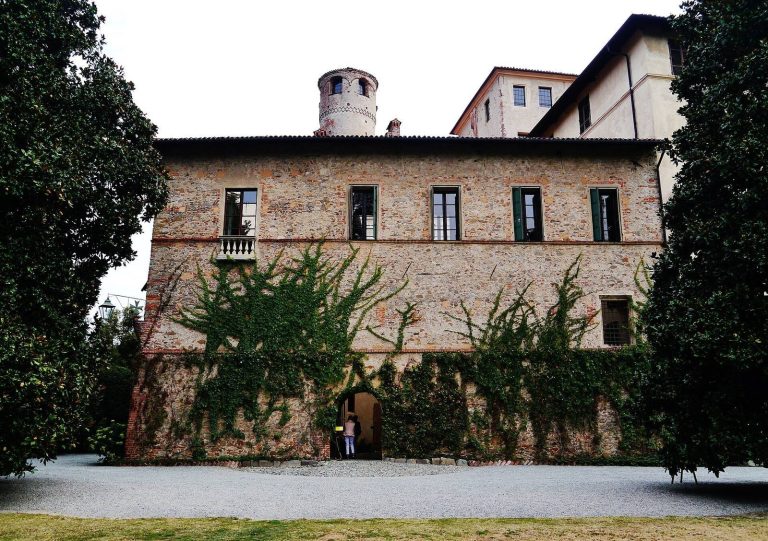
The castle stands on a hill overlooking Castellar. Its interiors date to the seventeenth-century rebuilding, while the late-nineteenth-century renovation restored the medieval towers and crenellations.