Callaly Castle: A Historic Country House in the United Kingdom
Site at a Glance
- Popularity
- Medium
- Country
- United Kingdom
- Primary era
- Early Modern
- Eras represented
- Medieval, Early Modern
- Civilizations
- British, English
- Site type
- Domestic
- Remains
- Castle
On this page6 sections
History
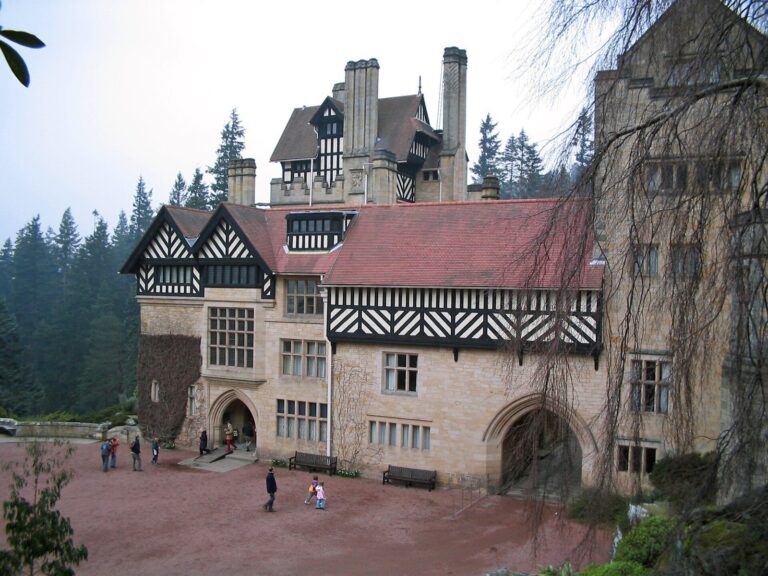
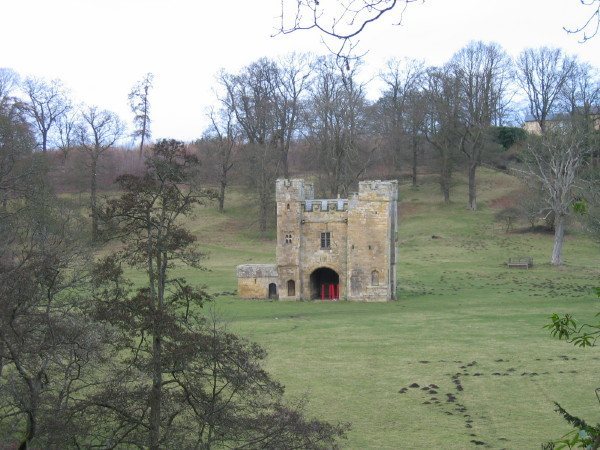
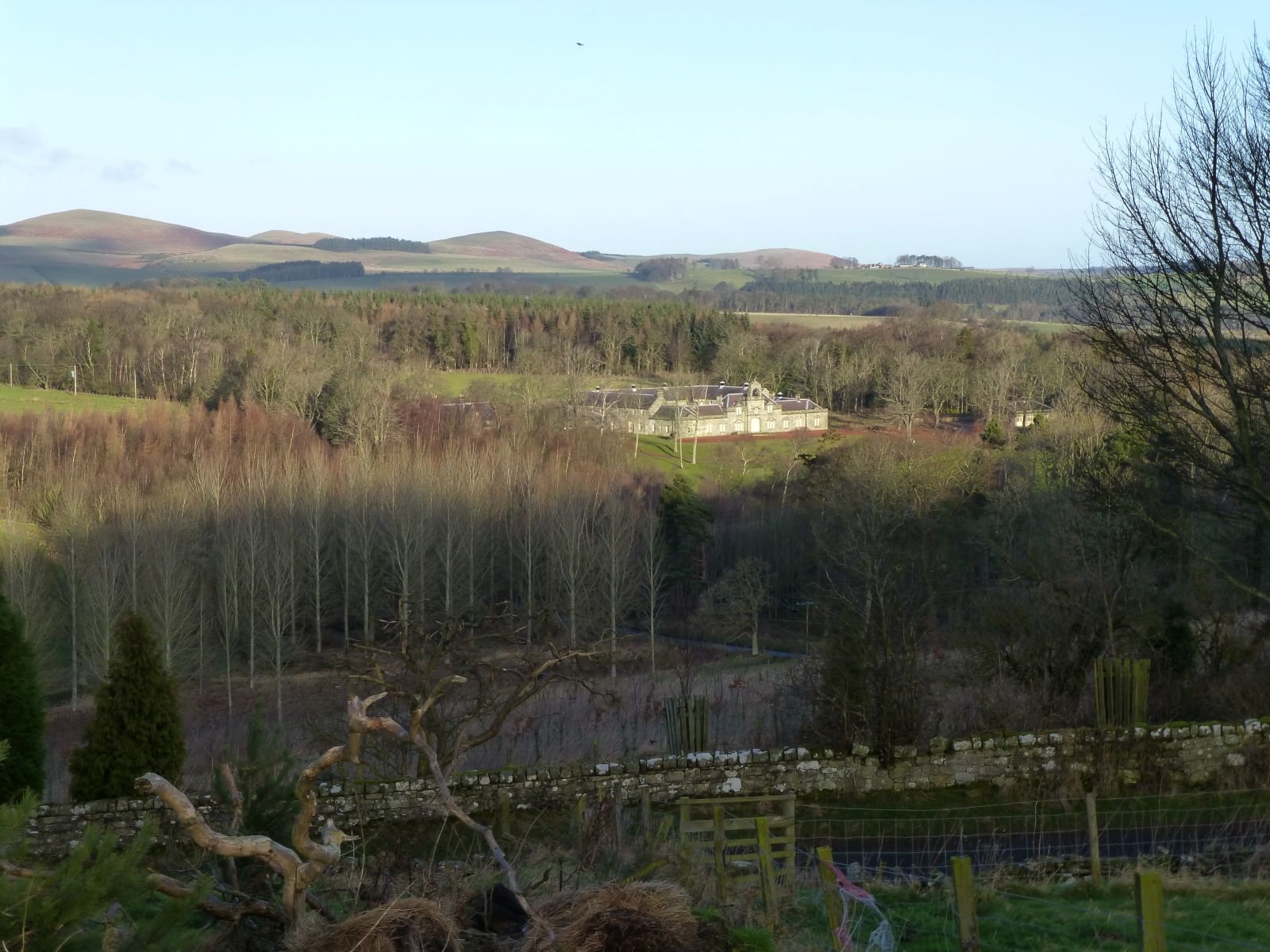
Callaly Castle is a substantial country house north of the village of Callaly in the United Kingdom. John Clavering commissioned a new house there in 1619, and it remained the family’s home for many years.
Earlier fortifications and the Clavering house
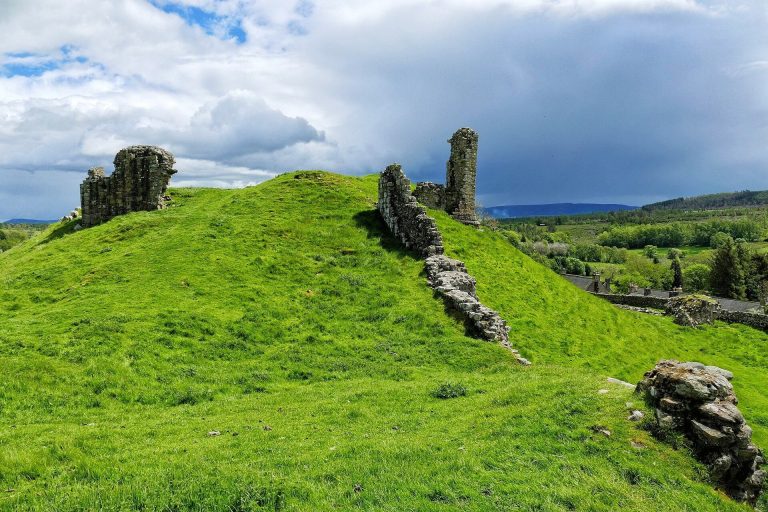
An Iron Age hillfort and a 12th-century motte castle are associated with the area at or close to the site. A motte castle used a raised mound as the base for a fortified structure. A pele tower, a fortified tower house associated with the English-Scottish border region, was built in the 14th or 15th century and later incorporated into the Clavering house.
Expansion and garden changes
Architect Robert Trollope made major additions in 1676. Further substantial alterations followed in 1707, and the house was extended again in 1750. The Claverings continued to alter it during the 18th and 19th centuries.
The gardens were reconfigured in 1770, possibly by one or more of the Kennedy brothers, leading gardeners and nurserymen. They also created a similar three-walled pleasure garden at Croxdale Hall for the Catholic Salvin family, who had family connections with the Claverings.
Sale, restoration, and later use
The Claverings sold the property in 1877, when its Roman Catholic chapel was deconsecrated. In the 1890s, new owner Alexander Browne carried out major restoration work. The house received Grade I listing in 1953, England’s highest category of listed-building protection. In 1987, an architect subdivided the house for residential use.
Remains
Country house and grounds
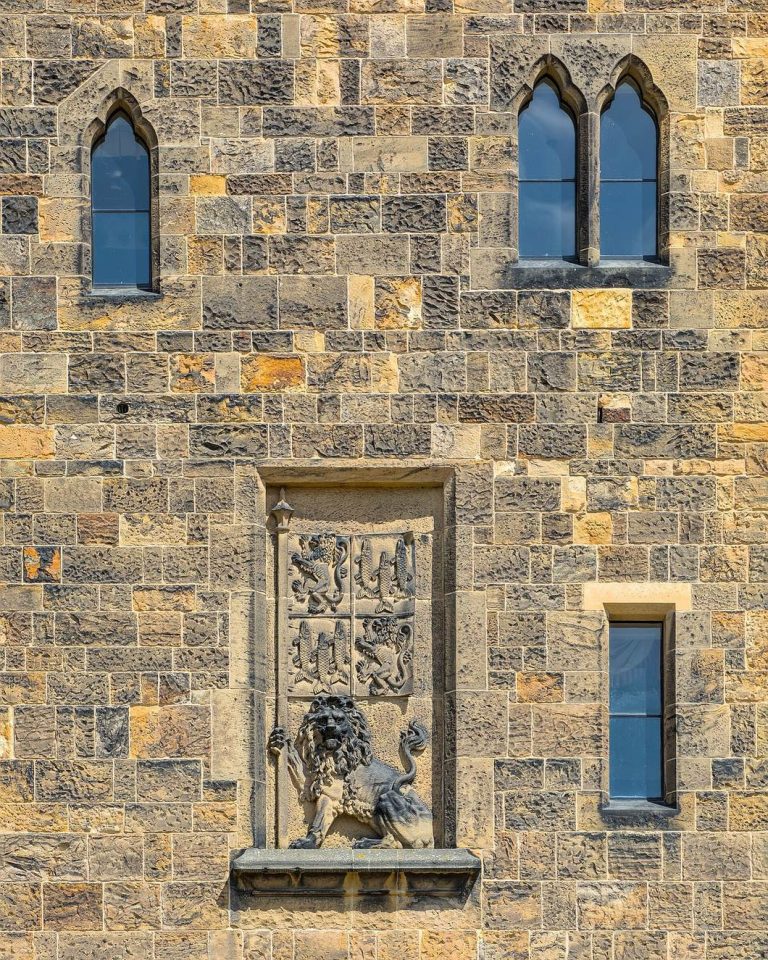
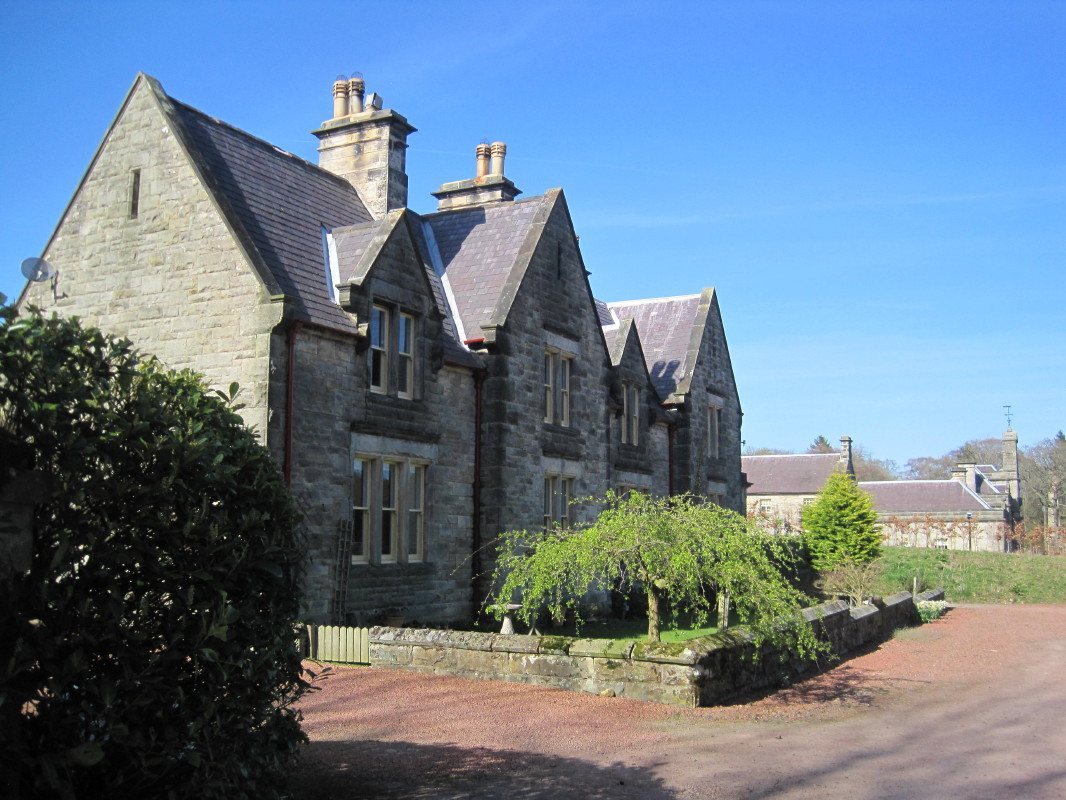
The house stands north of Callaly village, with the earlier fortified tower incorporated into its west wing. Alterations in 1707 substantially remodelled the facades, concealing most features of the earlier building. The house also included a Roman Catholic chapel.