Büyükçekmece Caravanserai: An Ottoman Travel and Military Inn


Site at a Glance
- Rating
- 4.7
- Popularity
- Low
- Country
- Turkey
- Primary era
- Early Modern
- Eras represented
- Early Modern
- Civilizations
- Ottoman
- Site type
- Economic
- Remains
- Caravanserai
On this page4 sections
History
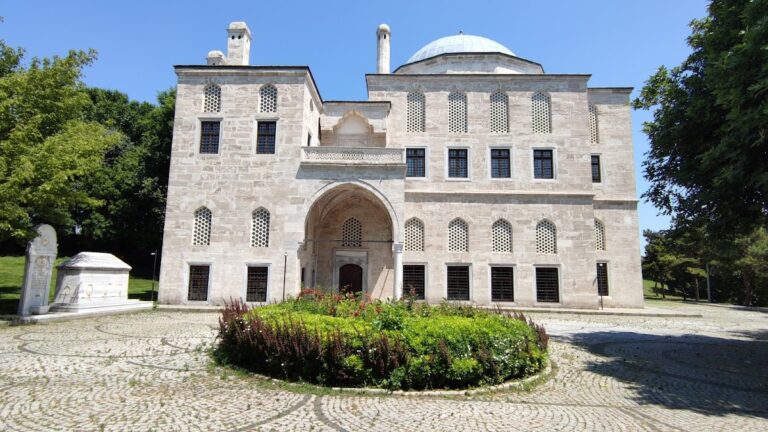
Büyükçekmece Caravanserai is an Ottoman caravanserai in Türkiye, completed in 1566 on the principal route extending westward from Istanbul into Rumelia, the Ottoman name for its European territories. A caravanserai was an inn and service complex for caravans, travellers, animals, and military or commercial traffic. The building is attributed to Mimar Sinan, the leading Ottoman imperial architect of the sixteenth century, and is generally associated with the reign of Sultan Süleyman I.
Earlier Site and Ottoman Construction
An earlier caravanserai stood on the same site during the reign of Mehmed II, the Ottoman ruler known as Mehmed the Conqueror, whose reign included the conquest of Constantinople in 1453. No trace of that building remains. The later caravanserai was completed in 1566, although its patron and exact commissioning date are uncertain. Its position on the route into Rumelia gave it a role in supporting travellers and the movement of military and commercial traffic.
Later Uses and Repair
The traveller Evliya Çelebi stayed at the caravanserai in March 1659 while travelling to Bosnia and described an unpleasant incident there. During the Second World War, the building became a military depot and accommodation facility. A private owner later converted it into a hay barn, after which it deteriorated. The Directorate General of Foundations repaired the caravanserai in 1965 and 1966.
The building is currently used as a venue for cultural and artistic events, continuing its public life after its earlier functions as a travel facility, military installation, and agricultural store.
Remains
Büyükçekmece Caravanserai is a preserved Ottoman building constructed of stone. Its surviving fabric represents the sixteenth-century caravanserai associated with Mimar Sinan, while the repairs of 1965 and 1966 followed a period of deterioration after its conversion into a hay barn. The building remains in use as a setting for cultural and artistic events.