Burg Jagsthausen: A Historic Castle and Festival Venue in Germany
Site at a Glance
- Rating
- 4.5
- Popularity
- Low
- Country
- Germany
- Primary era
- Medieval
- External website
- Open
- Eras represented
- Medieval, Modern
- Civilizations
- German, Holy Roman Empire
- Site type
- Military
- Remains
- Castle
On this page11 sections
History
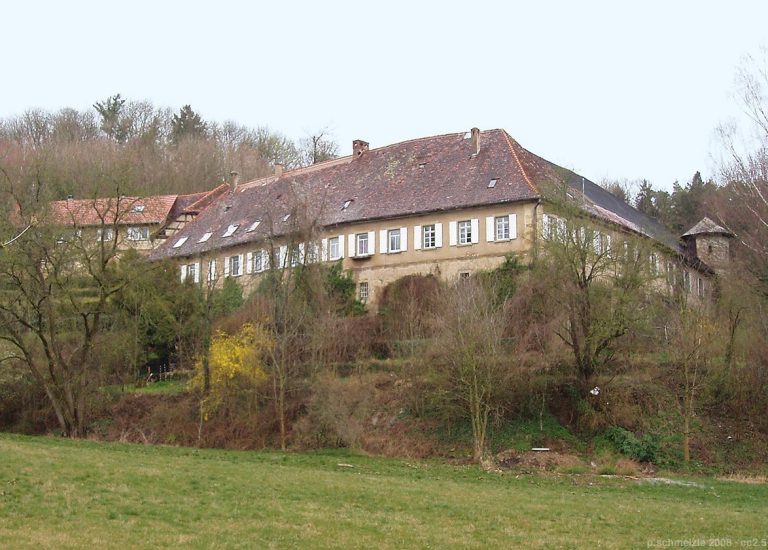
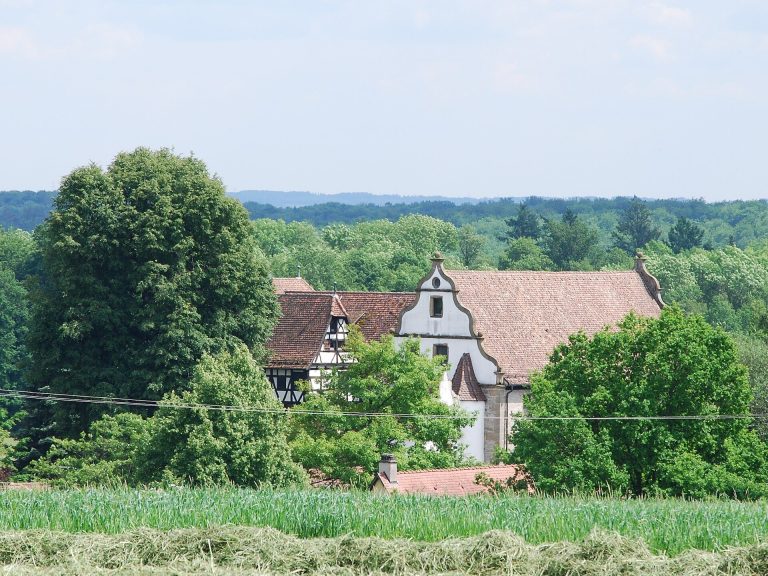
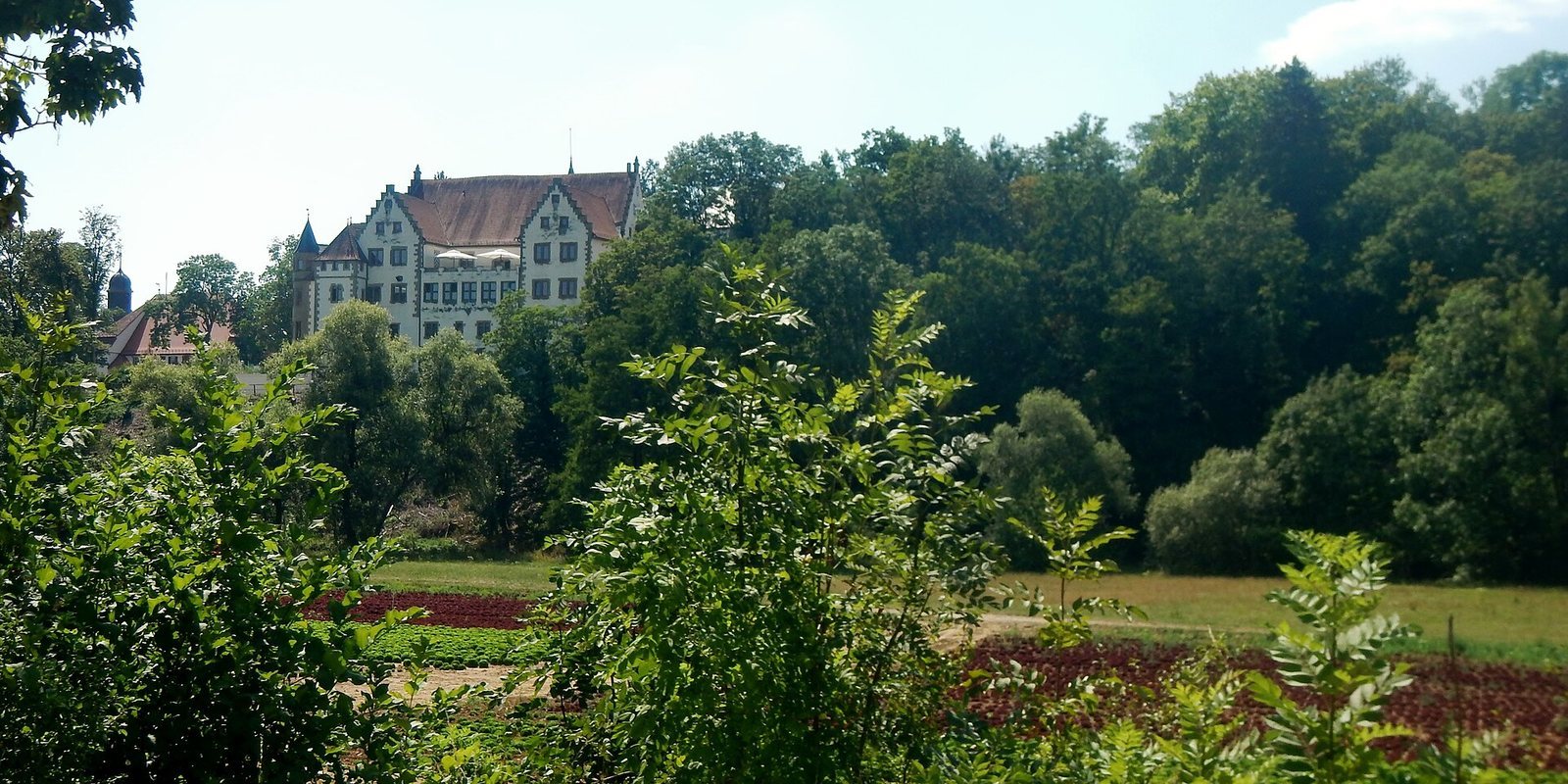
Burg Jagsthausen is a medieval castle in Germany, located above the Jagst valley and associated with the Lords of Husen and the Berlichingen family. Also called Altes Schloss and, since approximately 1950, Götzenburg, it became one of the ancestral seats of the Lords of Berlichingen.
Medieval origins and Berlichingen ownership
The castle has medieval beginnings connected with the Lords of Husen. It later passed into the history of the Lords of Berlichingen, whose family has retained ownership of the complex.
Götz von Berlichingen, the early modern German imperial knight remembered for his iron prosthetic hand and later made famous by Goethe’s drama Götz von Berlichingen, lived at Burg Jagsthausen for only a few years during childhood. He never owned the castle, which was inherited by one of his older brothers.
Alterations and modern associations
Burg Jagsthausen was altered and enlarged on several occasions. The most extensive later rebuilding took place from 1876 to 1878 under August Beyer, a master builder of Ulm Minster.
Since 1950, the castle has provided the venue and setting for the Jagsthausen Castle Festival’s open-air performances. Its promotion as Götzenburg from approximately the same period reflects the connection with Goethe’s drama and its portrayal of Götz von Berlichingen.
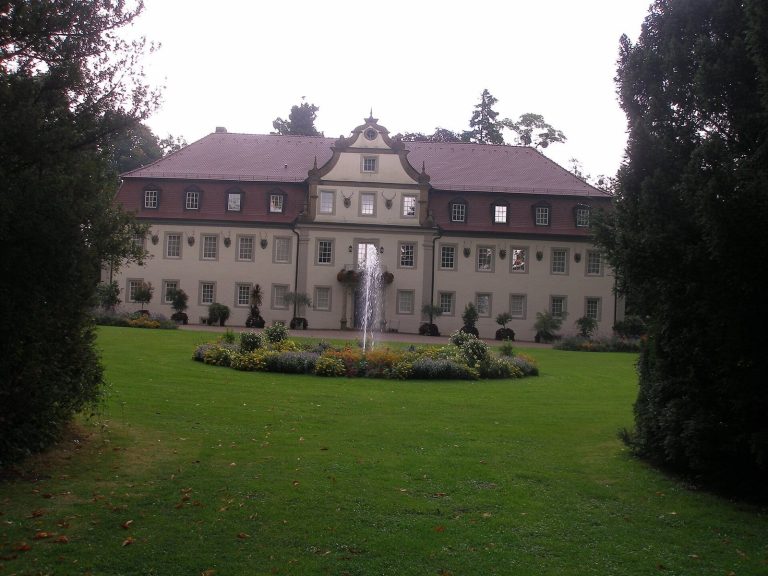
Alexandra Baroness von Berlichingen lived at the castle, as did her husband, Roman Herzog, a former Federal President of Germany, during the final years before his death. The building is now used as the Schloss Hotel Götzenburg.
War memory and the castle park
Until 2014, two memorial stones stood in the castle park for soldiers of the 17th SS Panzergrenadier Division “Götz von Berlichingen” and the 5th SS Panzer Division “Wiking”. Both were Waffen-SS formations, belonging to the military branch of the SS, a Nazi organization whose units participated in war crimes during the Second World War. The stones were removed after protests because the two formations had taken part in war crimes and crimes committed during the war’s final phase.
Remains
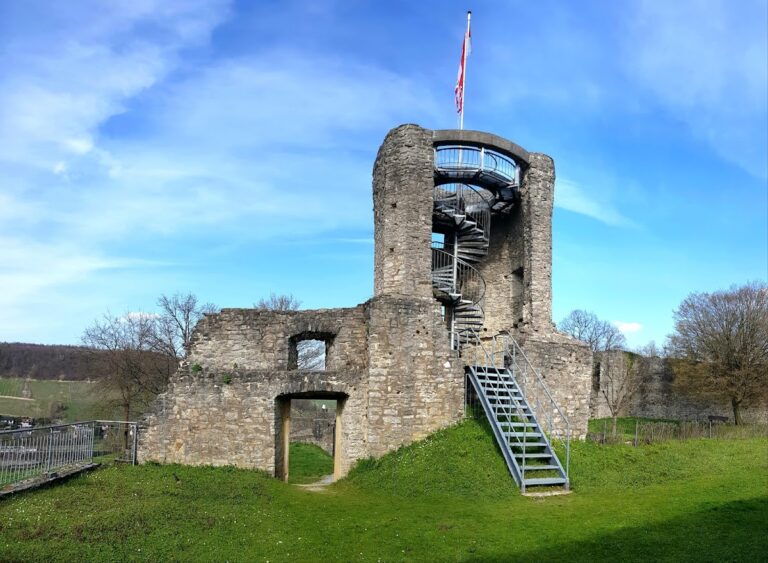
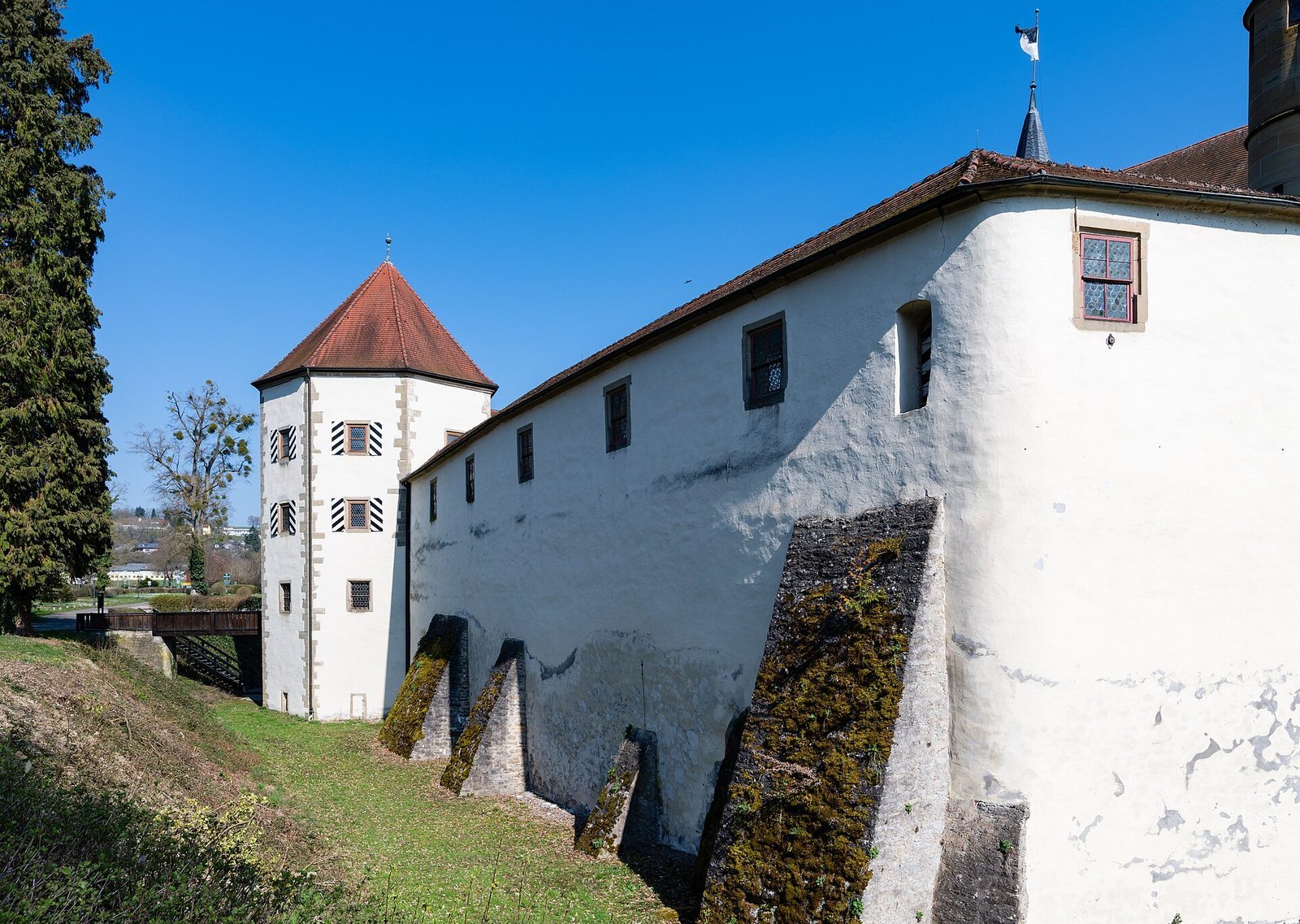
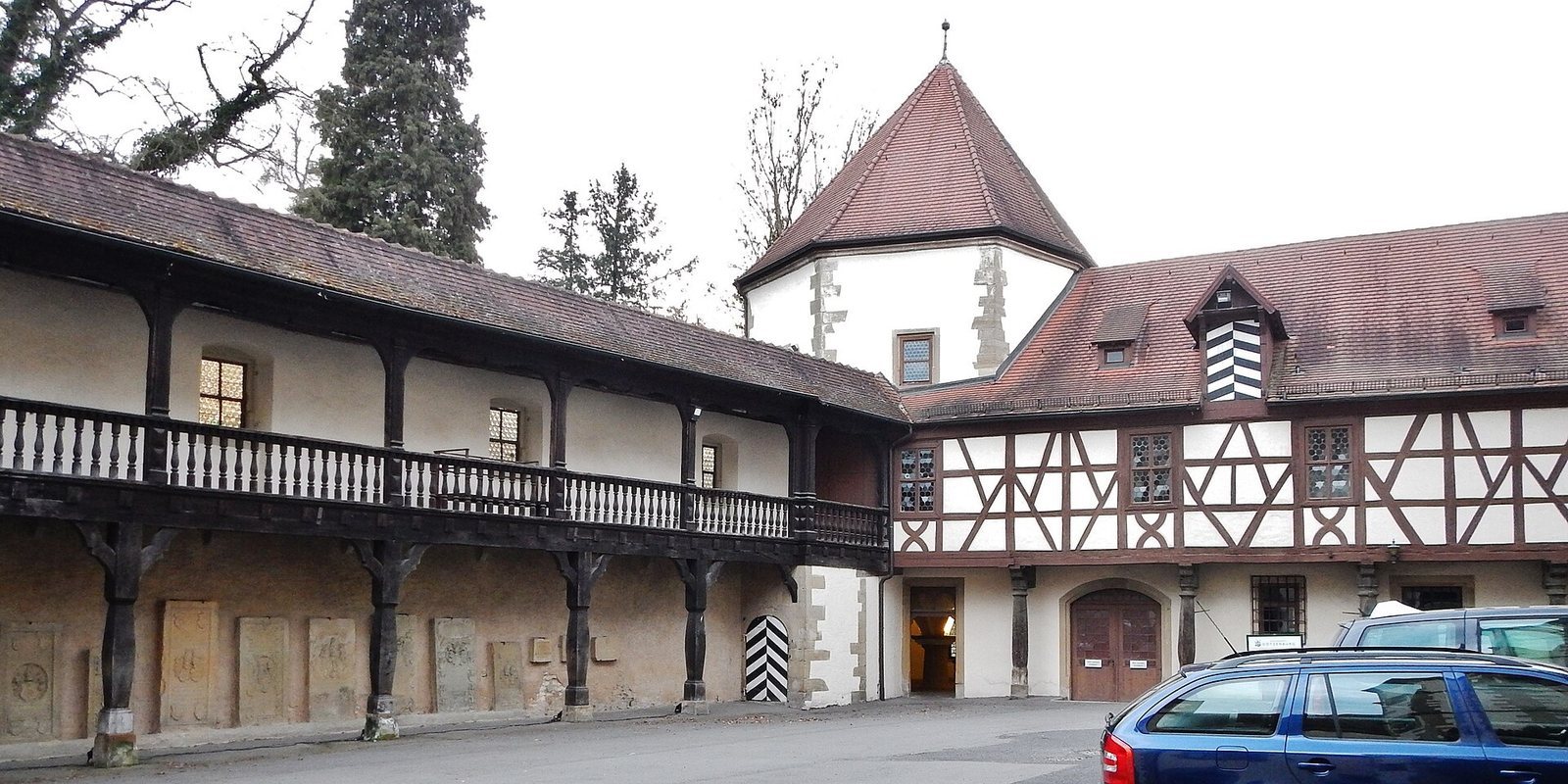
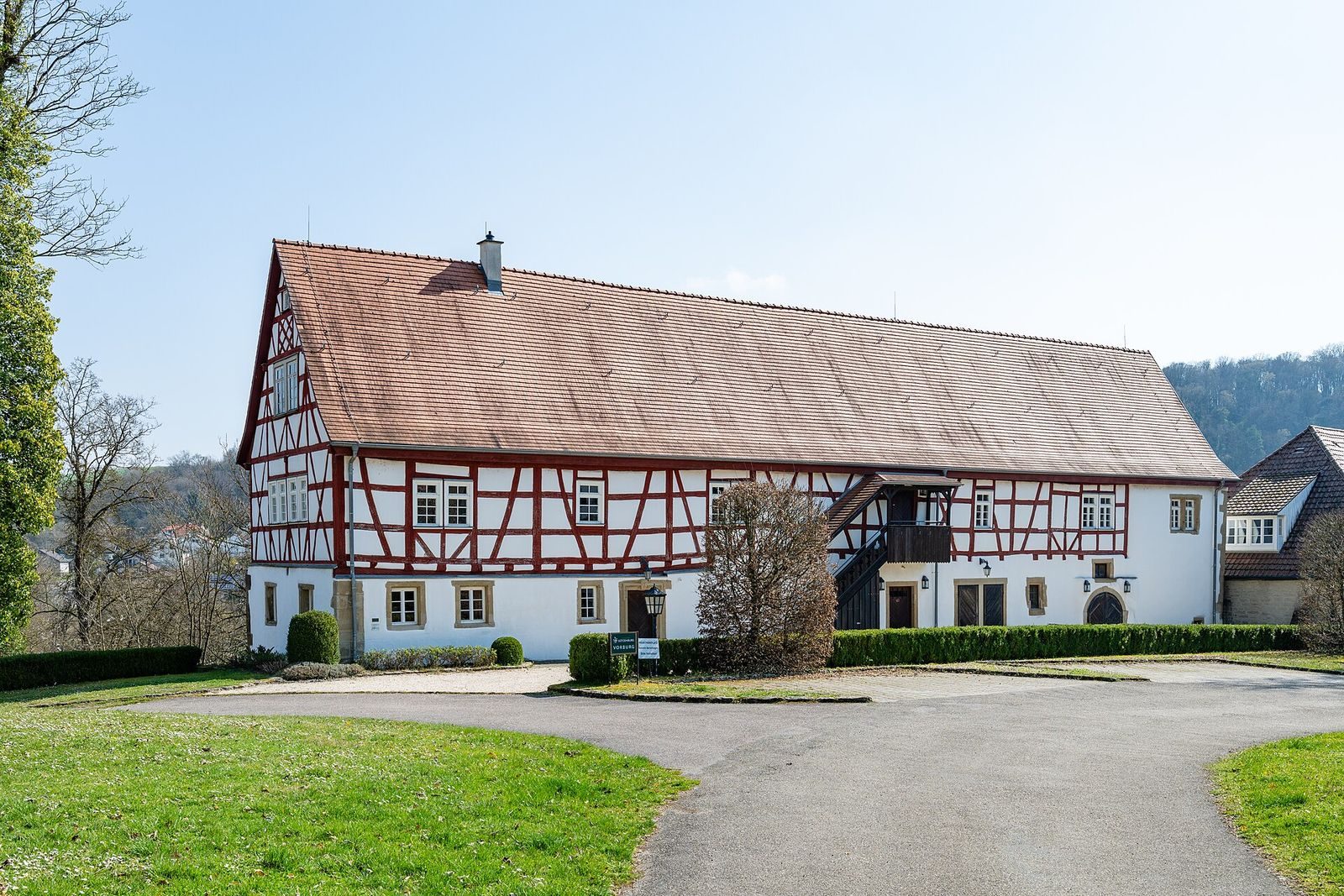
Burg Jagsthausen is a hilltop castle built on a slope above the Jagst valley and enclosed by a moat. Much of the surviving fabric dates from the fifteenth and sixteenth centuries. The complex is arranged around a courtyard and forecourt and includes residential, defensive, service, and entrance buildings, while a park with nineteenth-century romantic ruin architecture surrounds the castle.
Residential and defensive buildings
Palas and women’s house
The palas, the principal residential and representational building of a medieval castle, contains a knights’ hall. Berlichingen heraldry appears on the building. The women’s house includes a private heated chamber, known as a Kemenate, a heated residential room intended for domestic use rather than defense.
Keep and service building
A keep, the castle’s principal fortified tower, forms part of the complex. A service building with large corner towers completes the group of major castle structures.
Entrances, museum, and park
Courtyard and gate structures
The castle’s courtyard and forecourt are connected with an entrance gate and a gate tower bearing the Berlichingen coat of arms. These elements form the principal approach structures within the fortified complex.
Castle museum and surrounding park
One of the corner towers houses the castle museum. Its displays include weapons, Roman antiquities, meaning archaeological objects from the Roman period, and the two original iron hand prostheses of Götz von Berlichingen. The surrounding park contains nineteenth-century romantic ruin architecture.