Mildenburg: A Medieval Castle in Miltenberg, Germany
Site at a Glance
- Rating
- 4.7
- Popularity
- High
- Country
- Germany
- Primary era
- Medieval
- Eras represented
- Medieval, Early Modern, Modern
- Civilizations
- Electorate of Mainz, Holy Roman Empire
- Site type
- Military
- Remains
- Castle
On this page10 sections
History
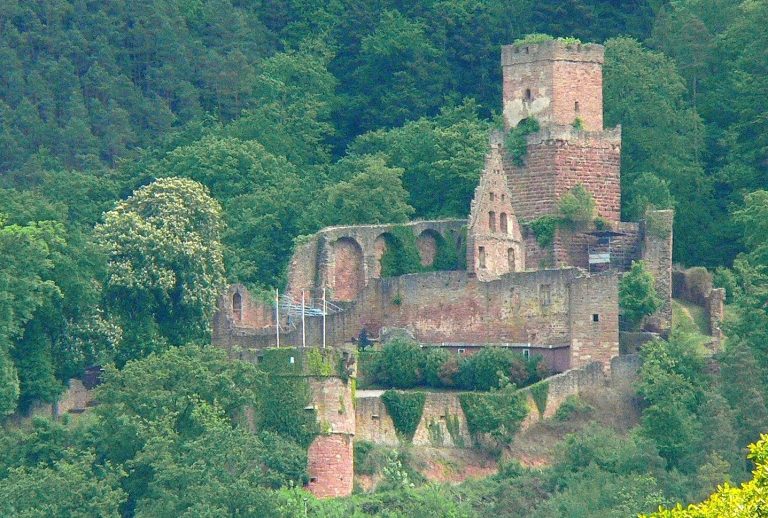
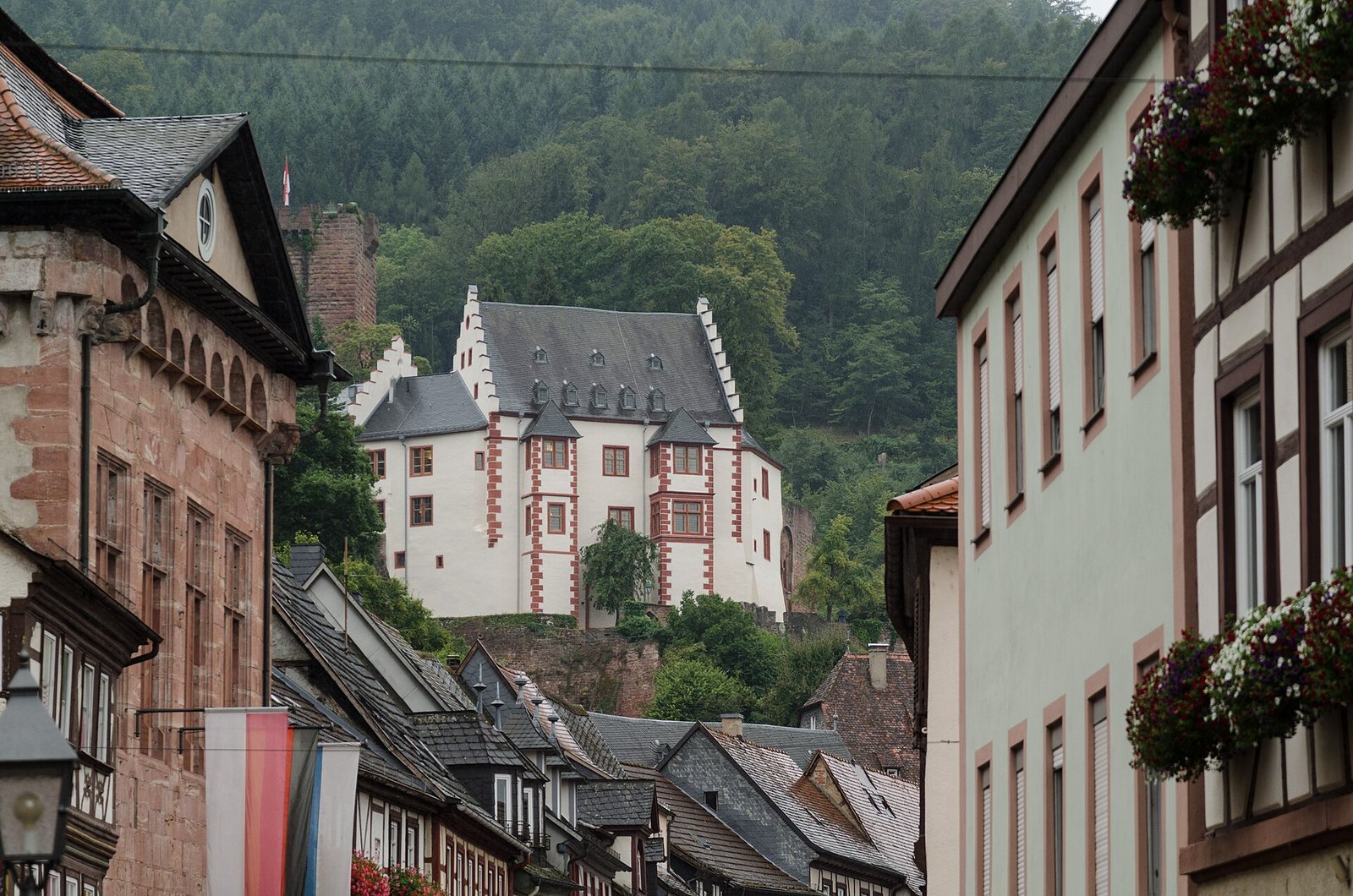
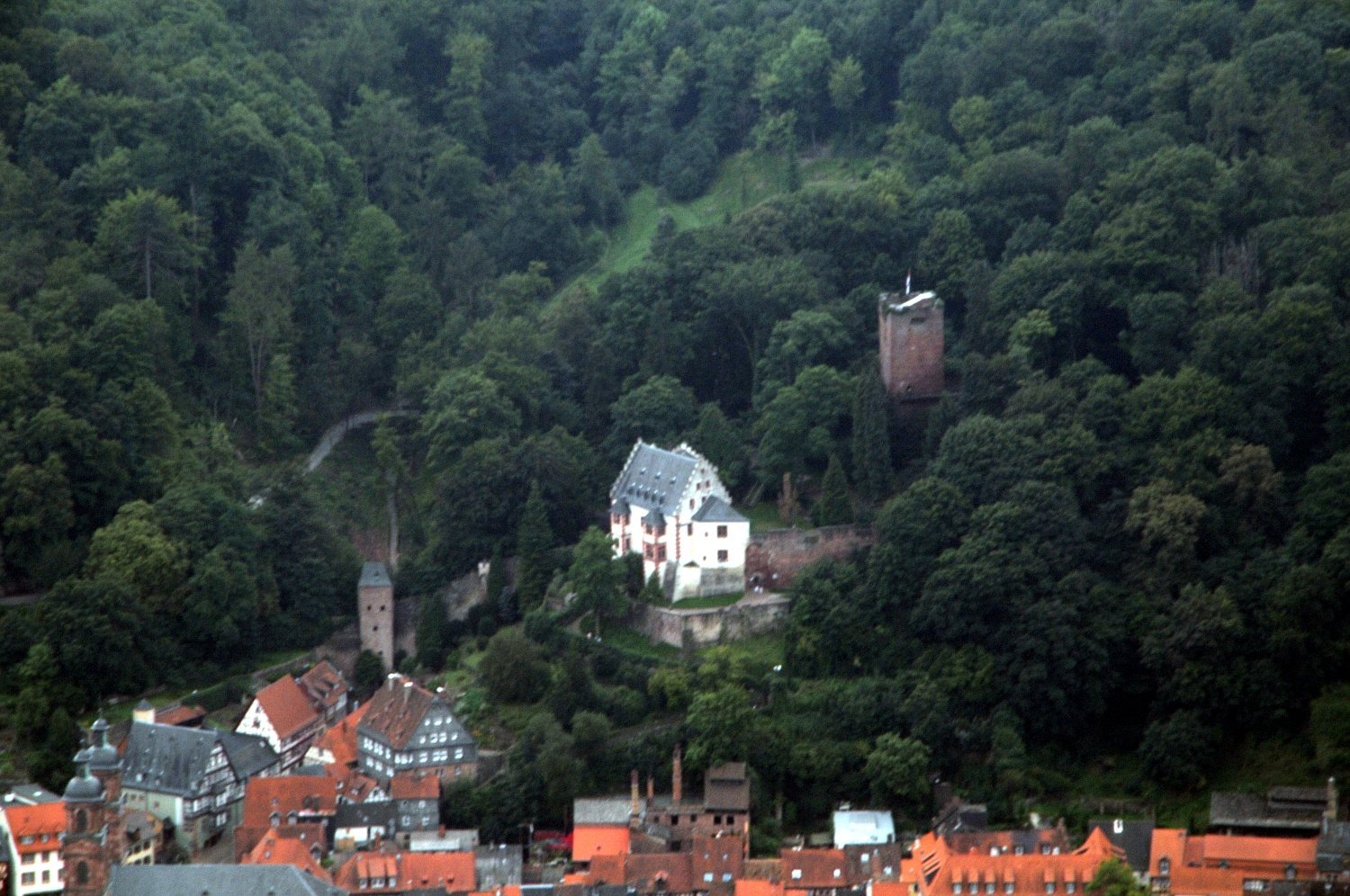
Mildenburg is a medieval castle above the town of Miltenberg, Germany, on a northern projection of Greinberg. Construction probably began in 1144, when King Konrad III commissioned the Staufer, or Hohenstaufen, dynasty’s German royal fortress. Along with Frohburg, a castle entrusted to Burkard’s brother Rupert, it occupied a strategic position on land belonging to Amorbach Monastery, a Benedictine abbey.
Foundation and the name
One interpretation links Konrad’s commission to his victory over Welf VI at Weinsberg in 1140. The Cologne Royal Chronicle relates that, after the garrison surrendered, Konrad let its women leave with whatever they could carry. They used this permission to carry their husbands out of the fortress and save them from execution. Known as the Loyal Women of Weinsberg, the episode also gave Weinsberg Castle the name Weibertreu, meaning “women’s loyalty.” Konrad kept his promise. Some interpretations connect the names Mildenburg and Frohburg with gratitude for his generosity.
The castle’s name appeared in earlier forms including Mildenberg and Miltenberg, and was later transferred to the town. It combines Middle High German words meaning “generous” and “mountain” or “castle.”
Mainz rule and medieval development
Mildenburg probably passed to Siegfried II of Eppstein, Archbishop of Mainz, around 1200, during a struggle for the German throne between the Staufer and Welf dynasties. Mainz was an ecclesiastical principality whose archbishop also exercised territorial power. Siegfried issued a charter at Miltinberg in 1226, almost certainly at the castle. In 1248 it was named Miltenburch and held from Mainz by the Dürn family. The fortress secured Mainz’s position and a customs station on the southwestern Lower Main.
Between 1390 and 1396, Archbishop Konrad von Weinsberg oversaw construction of the main residential building. Until the 18th century, Mildenburg was also the seat of Mainz’s burgraves, officials who administered the territory on the ruler’s behalf in the Miltenberg district.
War, rebuilding, and later ownership
Peasants captured the castle during the Peasants’ War, a series of uprisings in German lands, in 1525. It was captured and destroyed again in 1552 during the Second Margrave War, a conflict in the Holy Roman Empire that lasted from 1552 to 1555. Archbishop Daniel Brendel von Homburg, whose tenure ran from 1555 to 1582, oversaw partial rebuilding, and the castle was expanded repeatedly.
The castle passed to the Prince of Leiningen in 1803 and entered private ownership in 1807. Among its owners were Friedrich Gustav Habel, from 1858 to 1867, and Wilhelm Conrady, from 1867 to 1903. The Normann-Loshausen family acquired it in 1908; their heirs, the Bock von Wülfingen family, owned it from 1943 until 1979, when the city of Miltenberg acquired the complex. Following renovation, the castle has housed Museum Burg Miltenberg, part of the city’s museums, since July 2011.
Remains
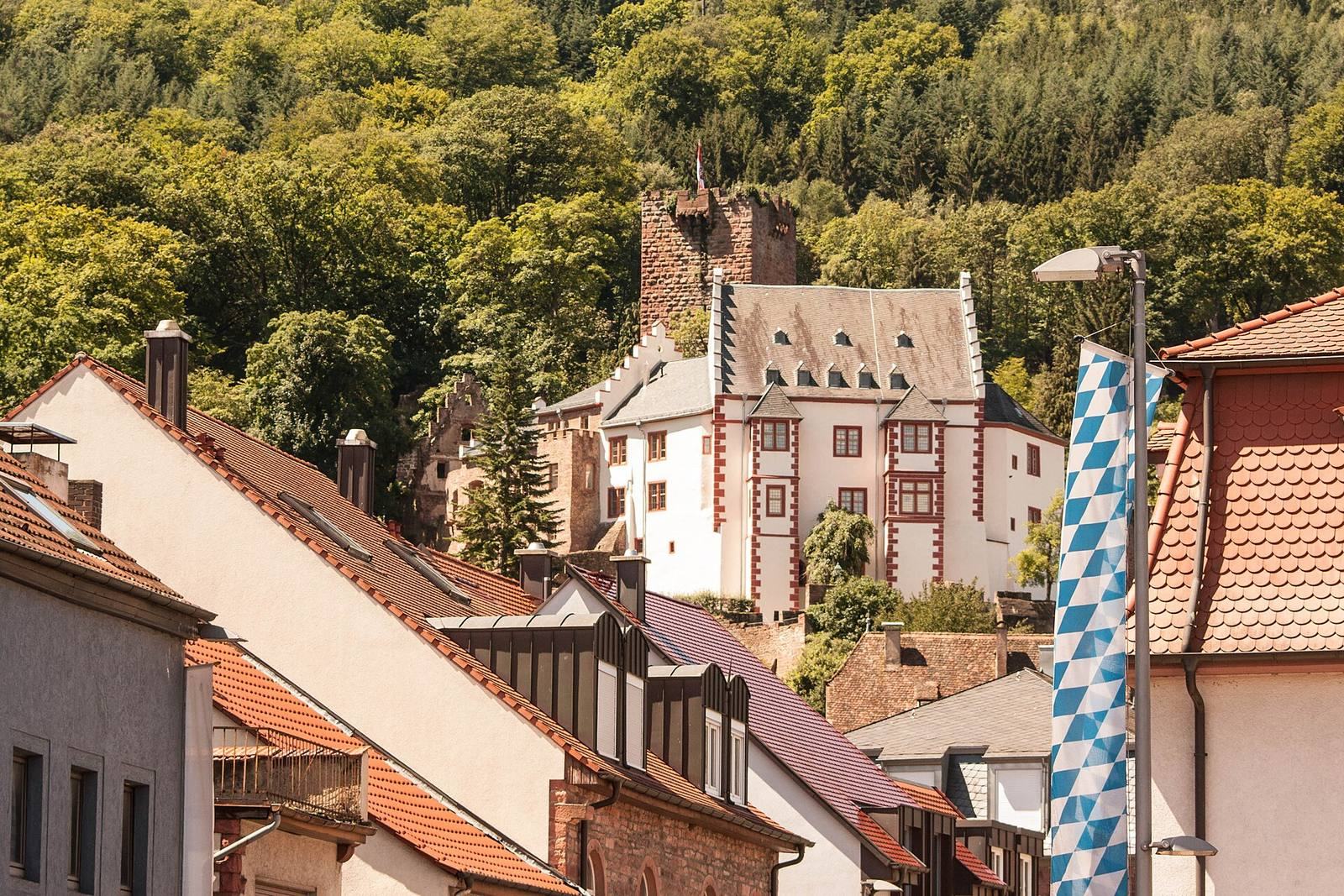
Mildenburg is a spur castle, built on a projecting ridge or hill. It stands on Greinberg above Miltenberg, 175 metres above Germany’s national elevation reference level, and is largely preserved. Its masonry includes rubble stone and squared blocks with raised, roughly dressed faces.
Principal buildings and courtyard
Keep
The 27-metre-high keep is the oldest part of the castle. Built of squared blocks with raised, roughly dressed faces, it stands on the southern uphill slope, identified as the site’s most vulnerable side.
Residential buildings
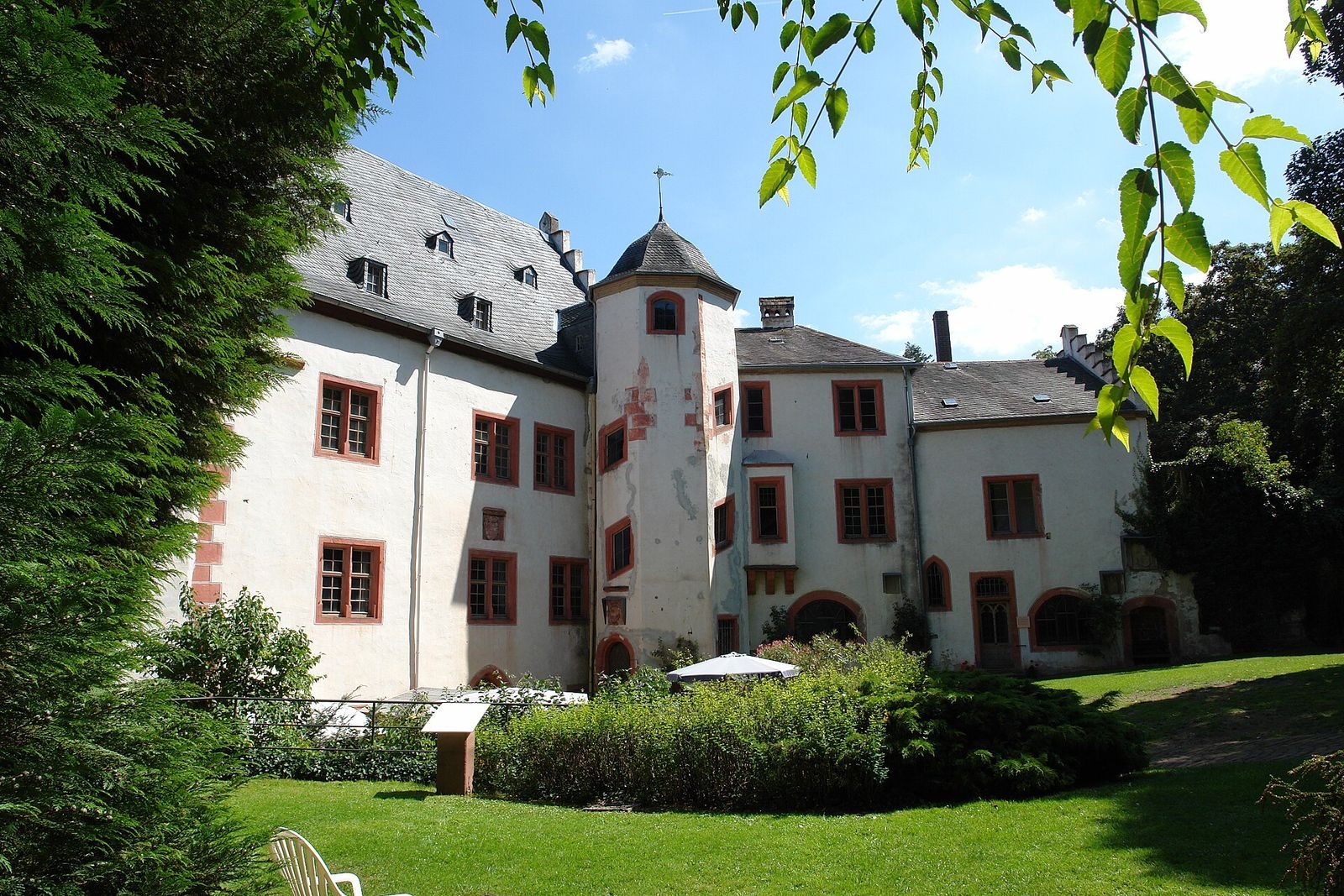
The main residential building is distinguished by its high roof and stepped gable. The complex also includes a large residential hall and a heated chamber.
Courtyard and interiors
The courtyard has an arrangement in the romantic castle style, while the interiors were extensively remodeled and modernized.
Museum collections
The museum displays about 170 works of 20th- and 21st-century art from the Jürgen Lenssen collection. Its other collections include Russian and Greek religious icons from the 16th to 19th centuries, belonging to the Diocese of Würzburg, and more than 180 Romanian icons painted on the reverse side of glass from the Joachim and Marianne Nentwig collection.