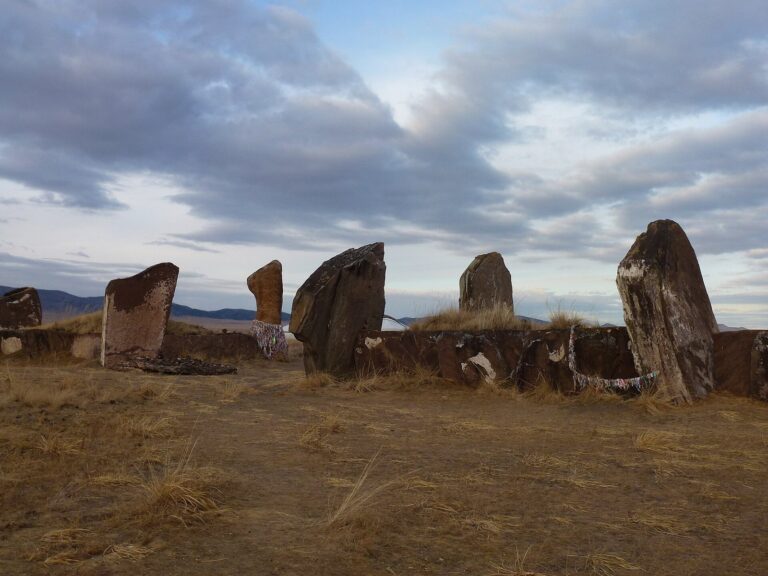
Boyarskaya Pisanitsa: A Rock-Art Complex in Khakassia
Site at a Glance
- Popularity
- Medium
- Country
- Russia
- Primary era
- Classical
- Eras represented
- Iron Age, Classical
- Civilizations
- Unclassified
- Site type
- Civic
- Remains
- Rock Art
On this page6 sections
History
Tagar and Tashtyk imagery
Boyarskaya Pisanitsa is a rock-art complex on the Boyary ridge in the Republic of Khakassia, Russia. Its images are associated mainly with the Tagar culture, an archaeological culture of southern Siberia, and date chiefly from the seventh to third centuries BCE. Some carvings extend into the second and first centuries BCE, during the transition to the Tashtyk culture, which followed the Tagar culture in the region.
Investigation and interpretation
Archaeologist A. V. Adrianov discovered and investigated the carvings in 1904. In 1962, students from the Moscow Higher School of Art and Industry traced and photographed images at the Great Boyarskaya Pisanitsa. M. A. Devlet returned to the site in the 1960s and 1970s and later published a book about the Great group.
Researchers have interpreted the imagery in different ways. S. V. Kiselev connected it with a change from herding to agriculture, while M. P. Gryaznov understood the monument as religious in purpose. Debate has also focused on whether the depicted settlement represents a real community or a settlement of ancestors. Boyarskaya Pisanitsa is designated a cultural heritage object of federal significance in Russia.
Remains
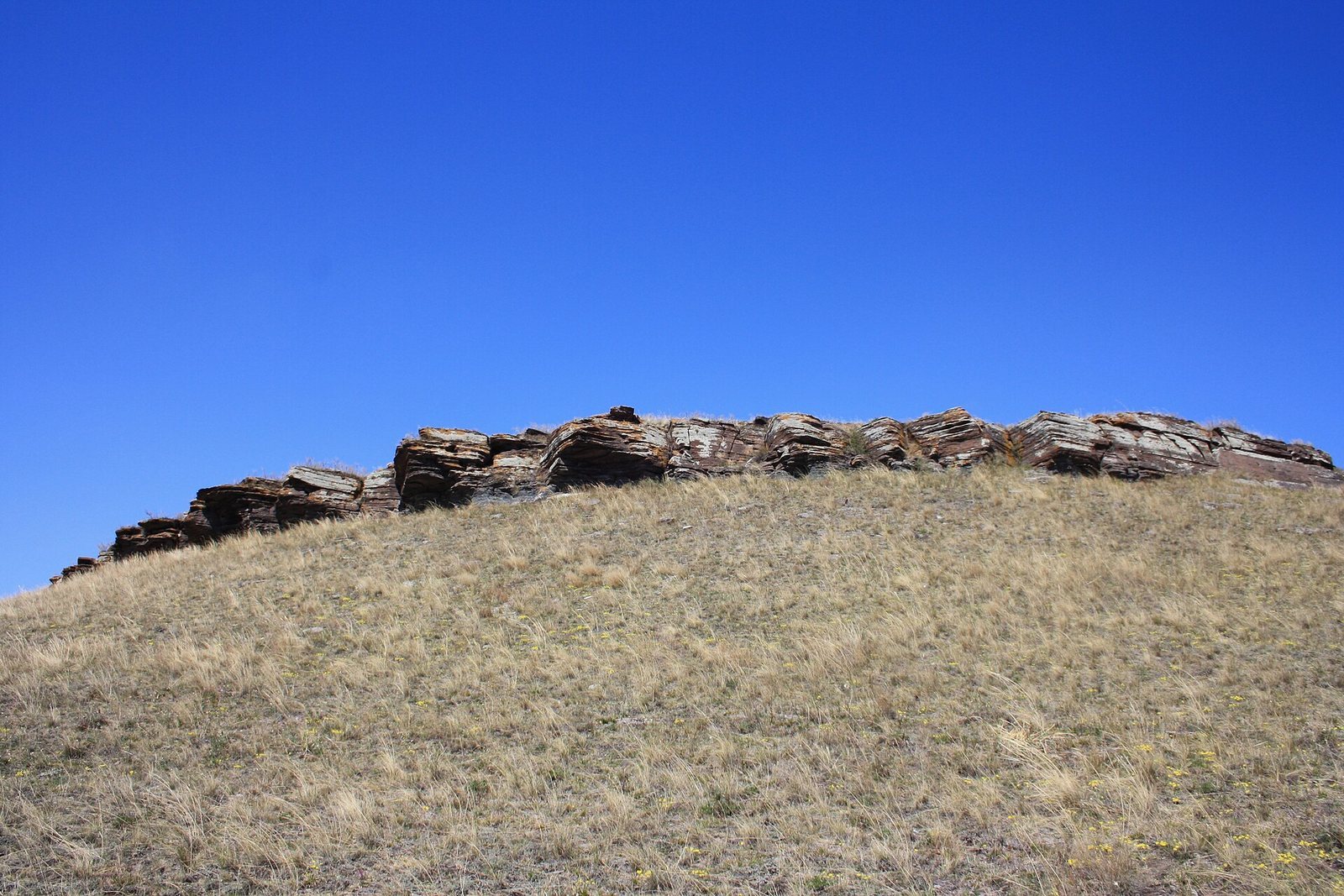
The monument consists of the Small and Great Boyarskaya Pisanitsas, two groups of rock carvings in the southwestern part of the Boyary ridge. The low ridge runs along the left bank of the Yenisei, about six kilometres east of Troitskoe in Bograd District.
Small Boyarskaya Pisanitsa
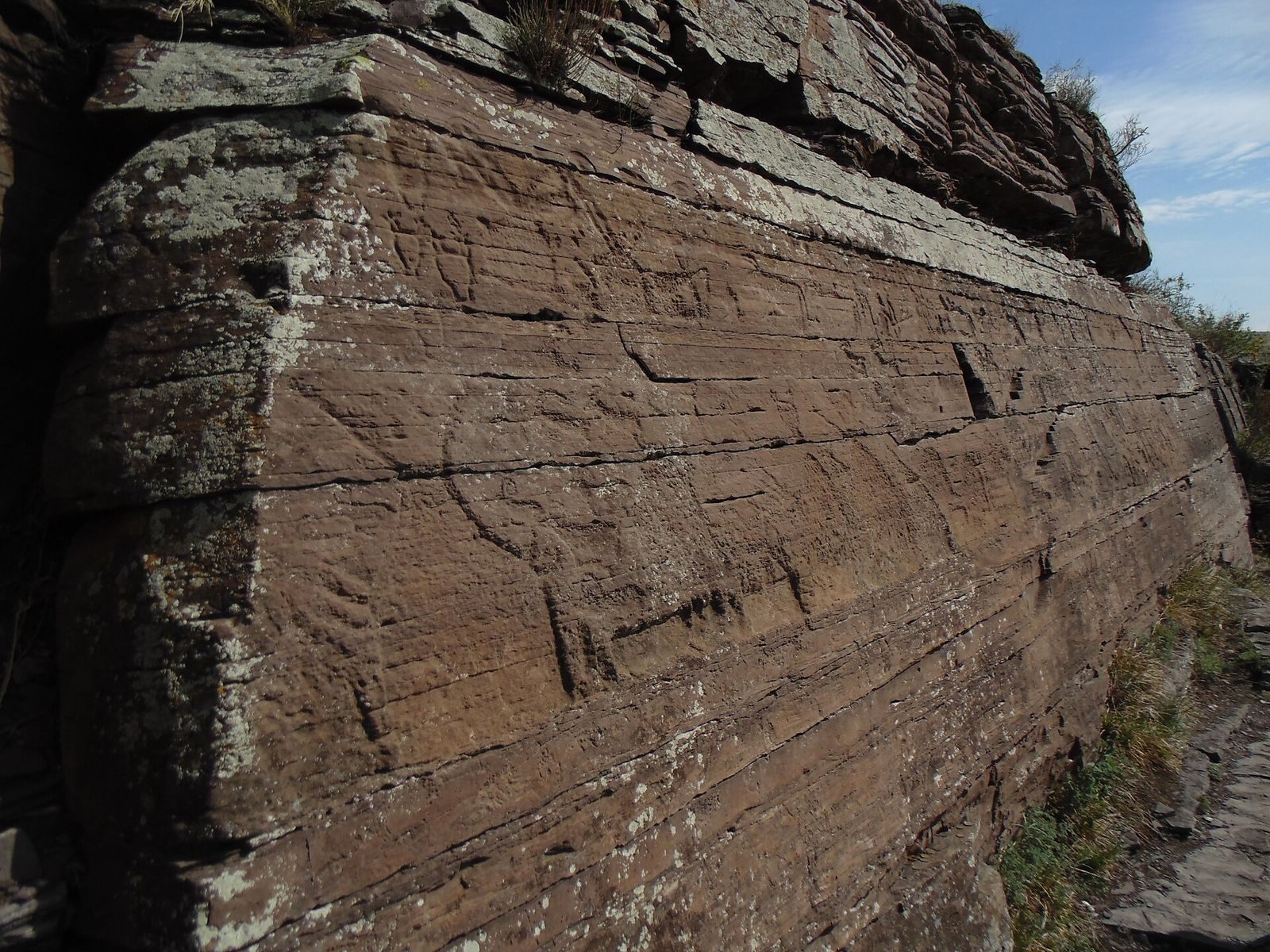
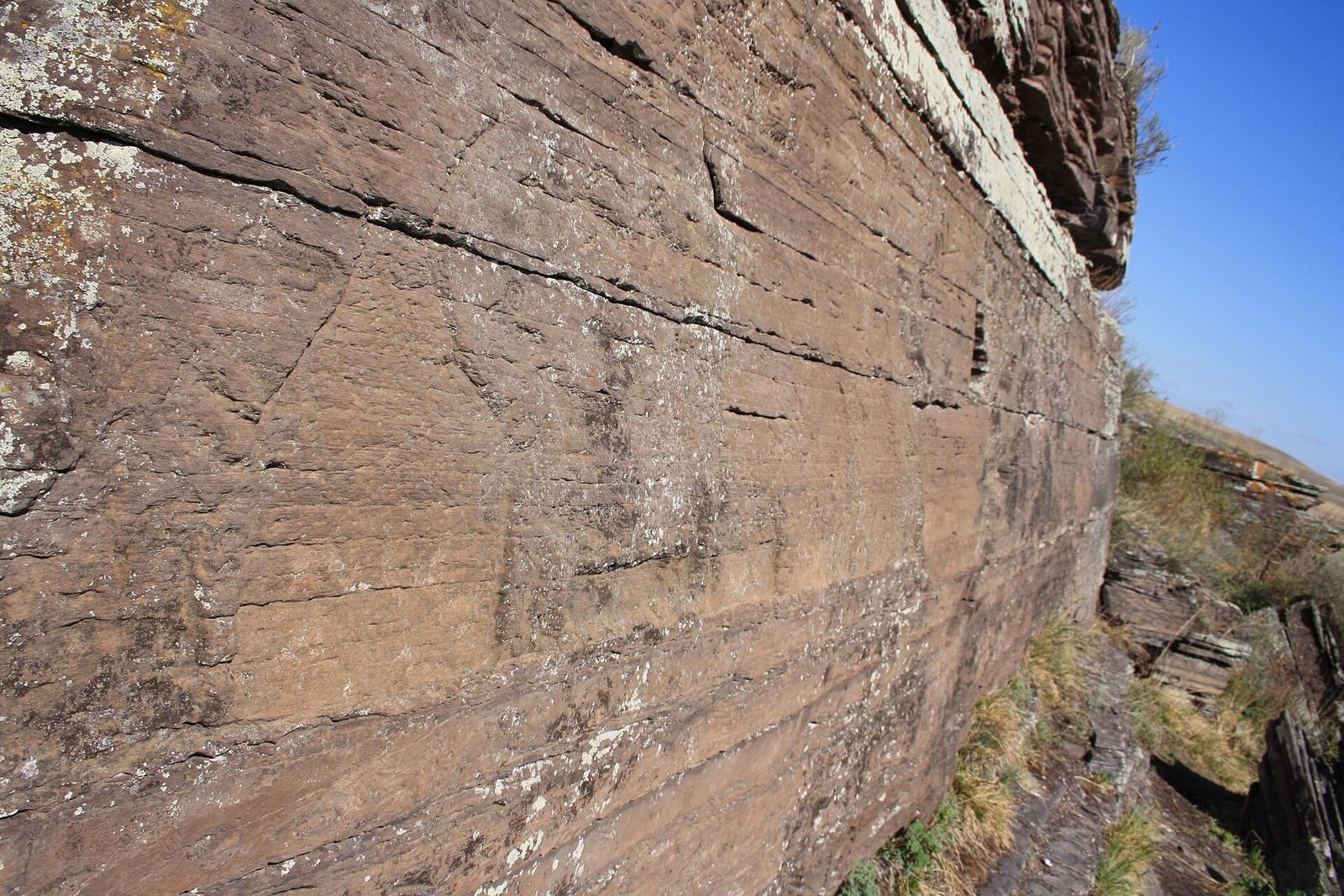
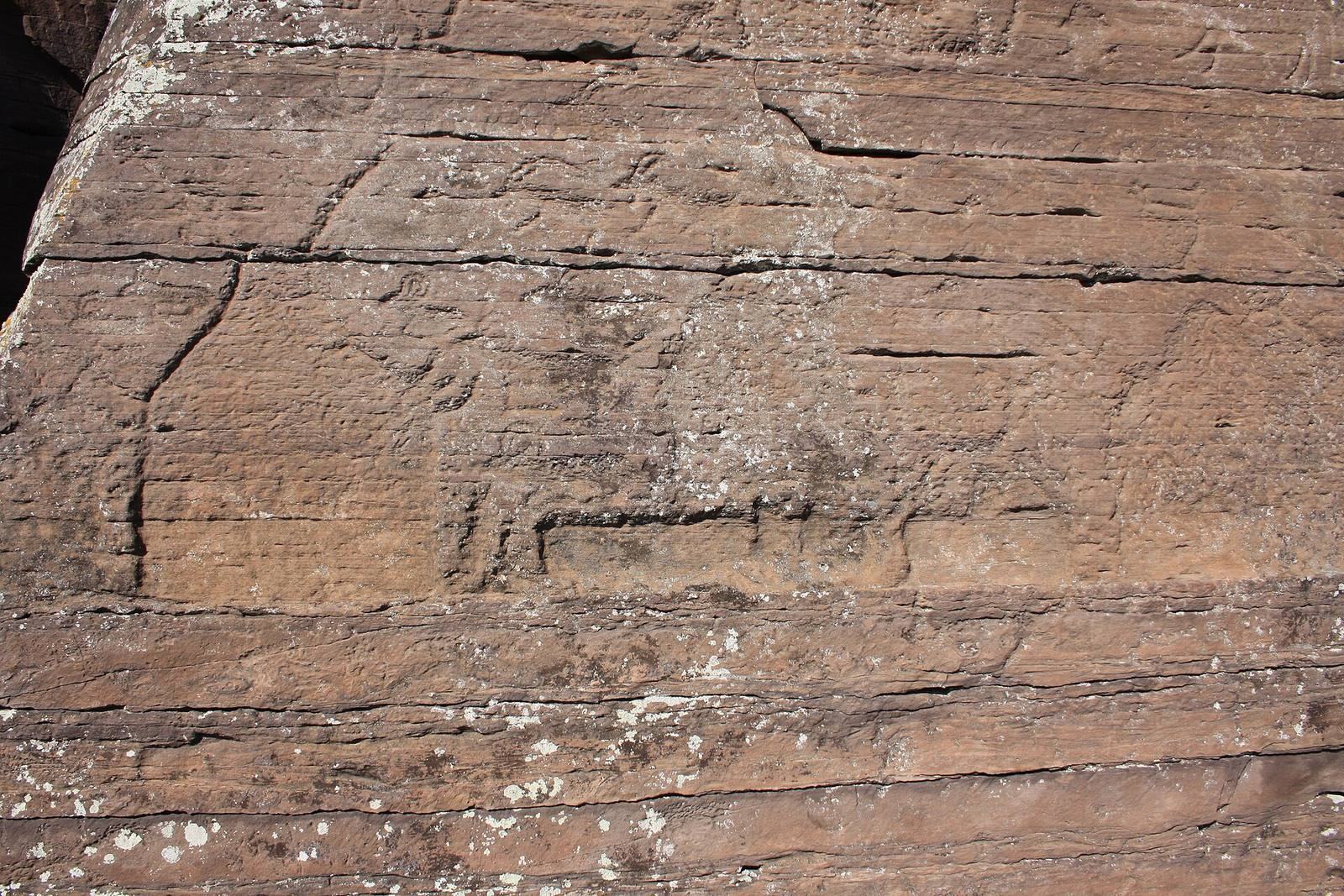
The Small group contains more than 40 images, including dwellings, human figures, deer, goats, and horses.
Great Boyarskaya Pisanitsa
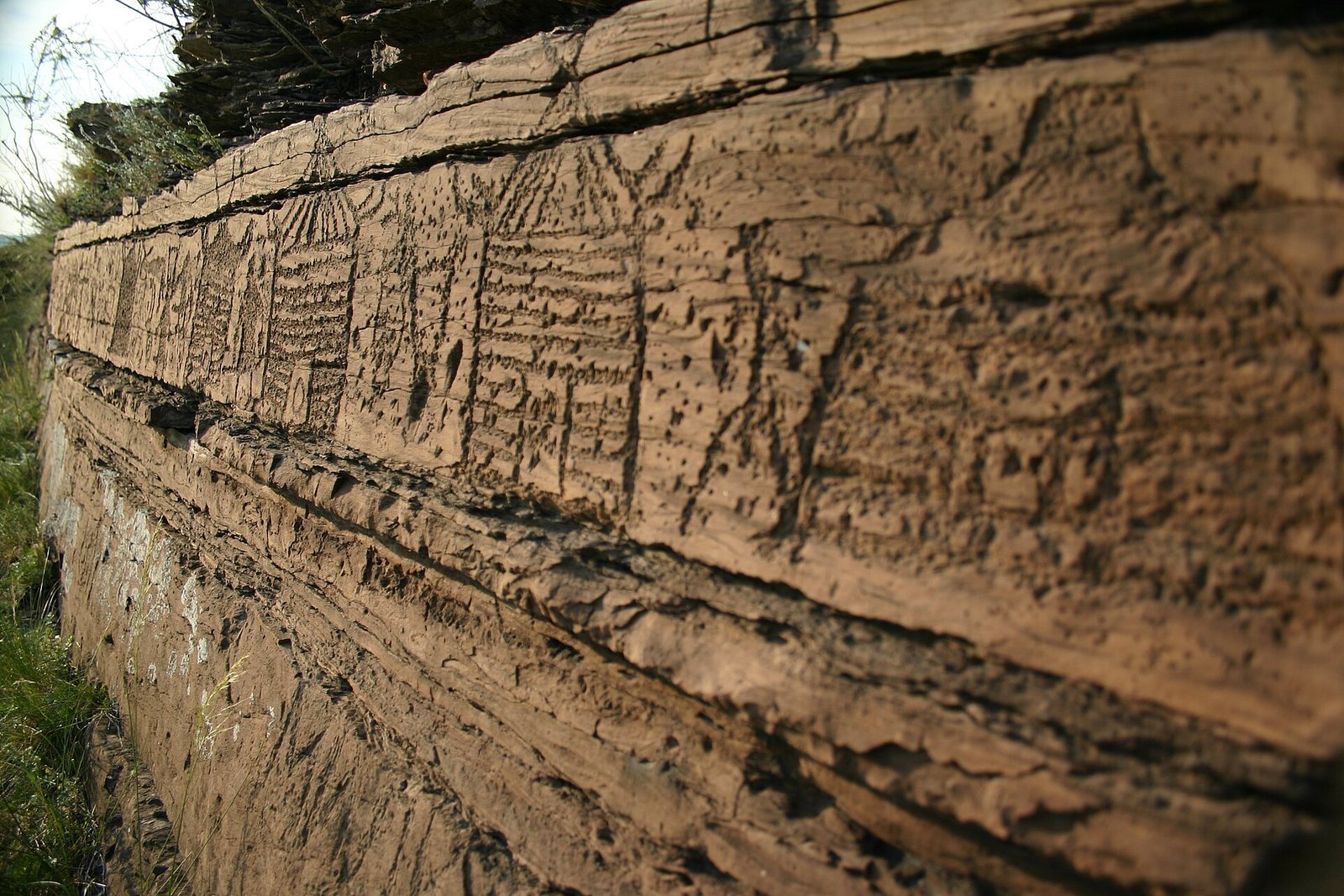
The Great group contains 151 images. These include 22 deer, 12 goats, three mountain goats, nine bulls, a dog, 24 people, 17 cauldrons, 28 houses, six horsemen, seven barrels, and a person holding a bow, among other subjects. Its 47 animal figures make up about a third of the total, and dwellings form its largest subject category. The buildings include log houses and yurts. Devlet interpreted the yurts as traditional homes of South Siberian nomads, comparable to dwellings of the Mongolian steppe, and the log houses as typical taiga huts. The wooden yurts are depicted using a technique described as characteristic of modern Khakass.