Bonocore Palace: A Neoclassical Residence in Palermo
Site at a Glance
- Rating
- 5
- Popularity
- Low
- Country
- Italy
- Primary era
- Early Modern
- Eras represented
- Early Modern, Modern
- Civilizations
- Kingdom of Sicily, Spanish
- Site type
- Domestic
- Remains
- Elite Residence
On this page7 sections
History
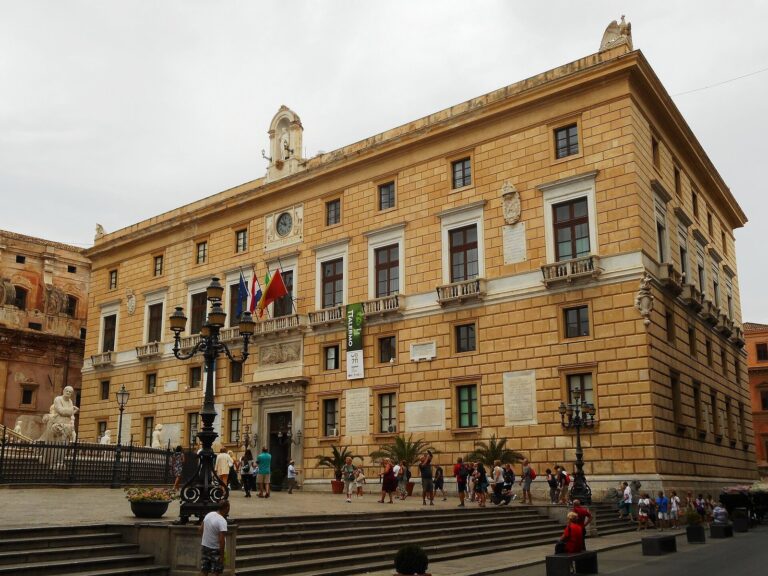
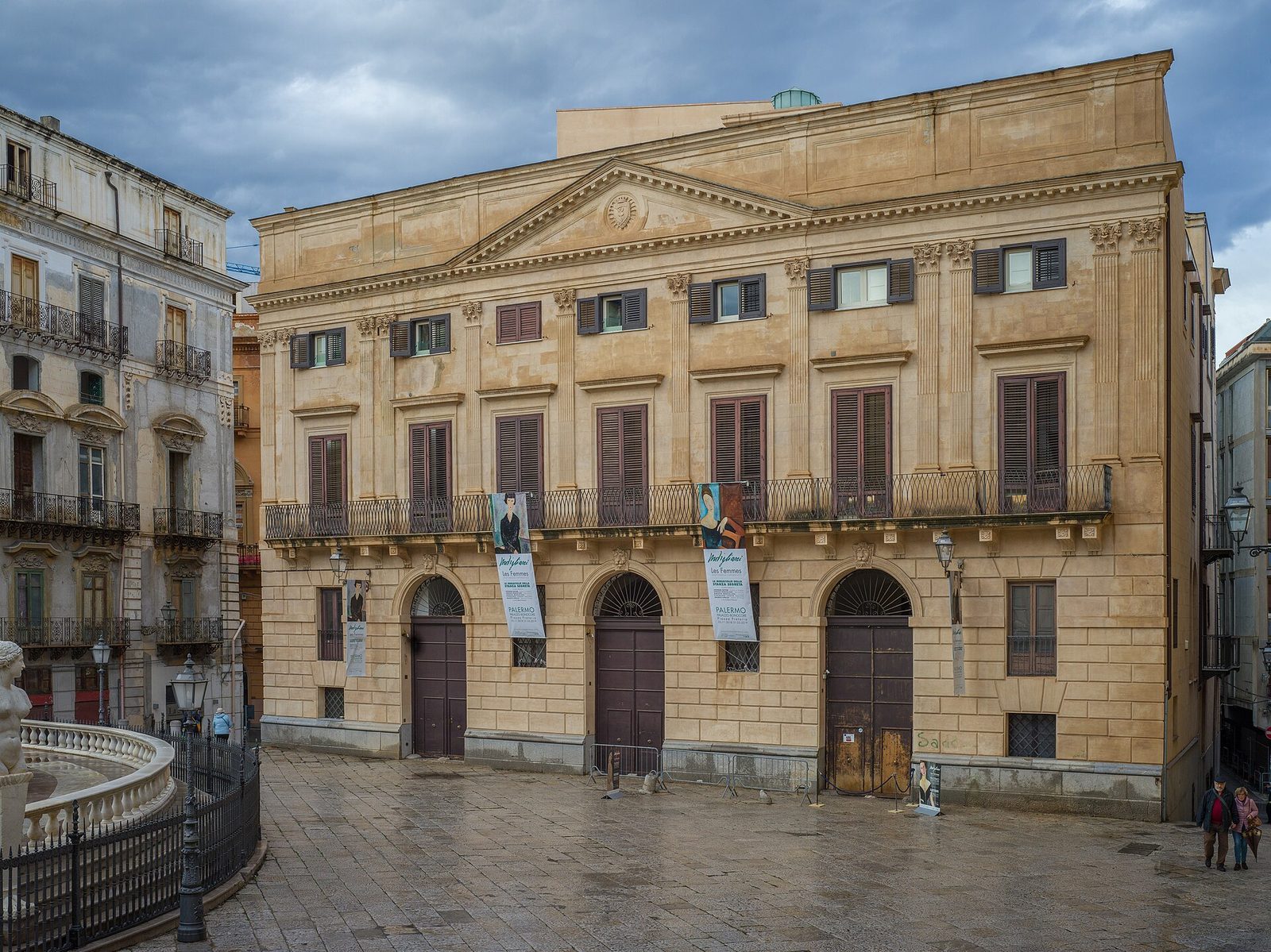
Bonocore Palace stands on the north side of Piazza Pretoria in Palermo, Italy. Dating to 1509, it is a Neoclassical residence, a style drawing on ancient Greek and Roman forms. The Di Carlo family were its first owners in the 16th century.
Changing ownership
In 1593, the palace was purchased by Stefano Conte, a nobleman of Ligurian origin and a Palermo senator, a municipal government official. By the early 18th century, it belonged to Francesco Gastone, a judge and marquis from a noble family in Catania.
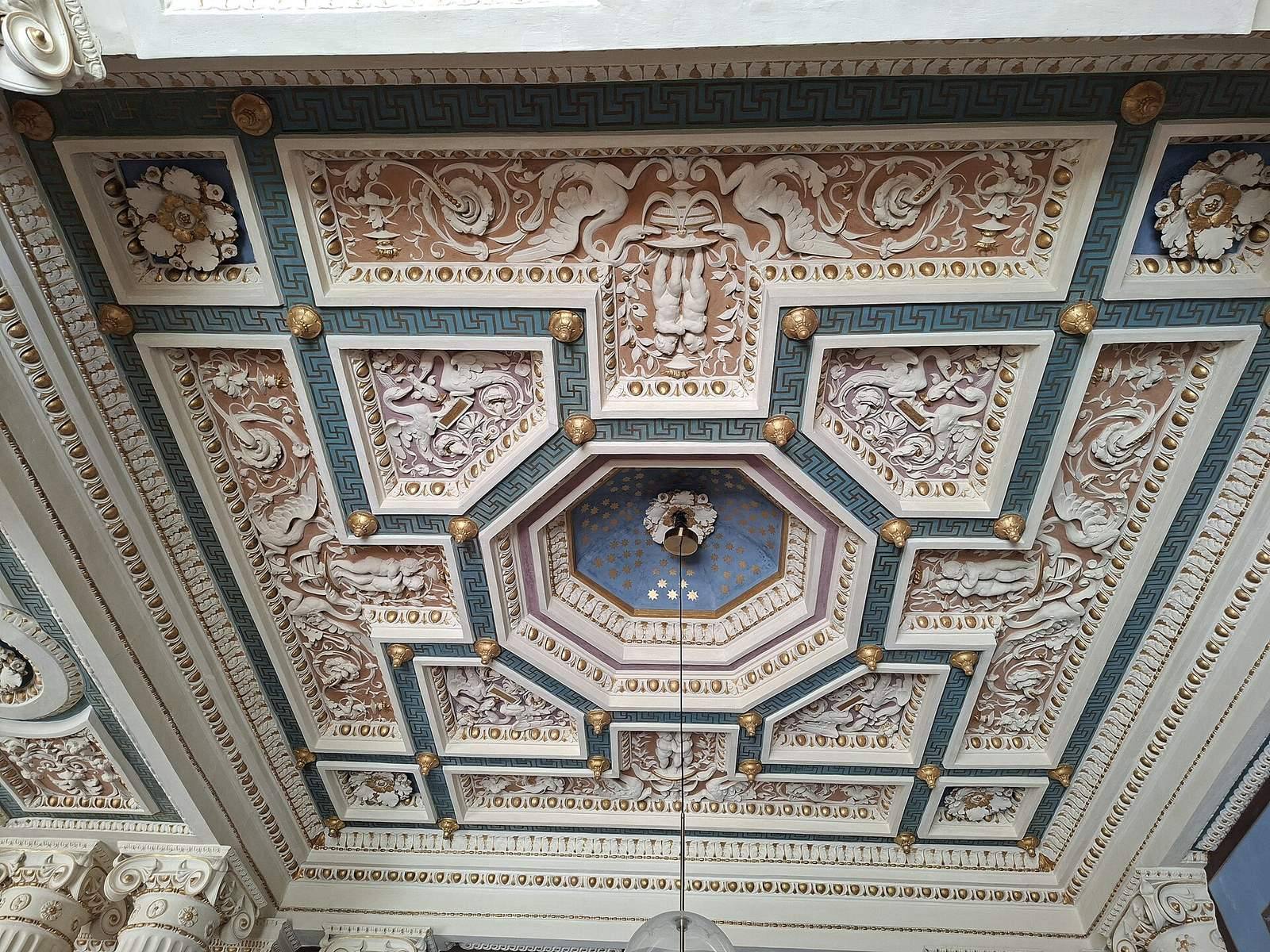
Gastone’s daughter Margherita, the palace’s sole heir, married Francesco Antonio Lo Faso, 4th Duke of Serradifalco, in the mid-18th century. The marriage brought ownership to Lo Faso, whose family lived there until 1829 and continued its Neoclassical decoration. In 1873, the wealthy merchant Salvatore Bonocore bought the palace, giving it its present name.
Restoration and museum
Palermo’s cultural heritage superintendency, a public authority responsible for protecting and conserving heritage, restored the building. Since October 2015, it has housed a multimedia museum devoted to Sicily’s intangible cultural heritage: traditions, practices, and knowledge passed between generations.
Remains
Palace and museum
Exterior
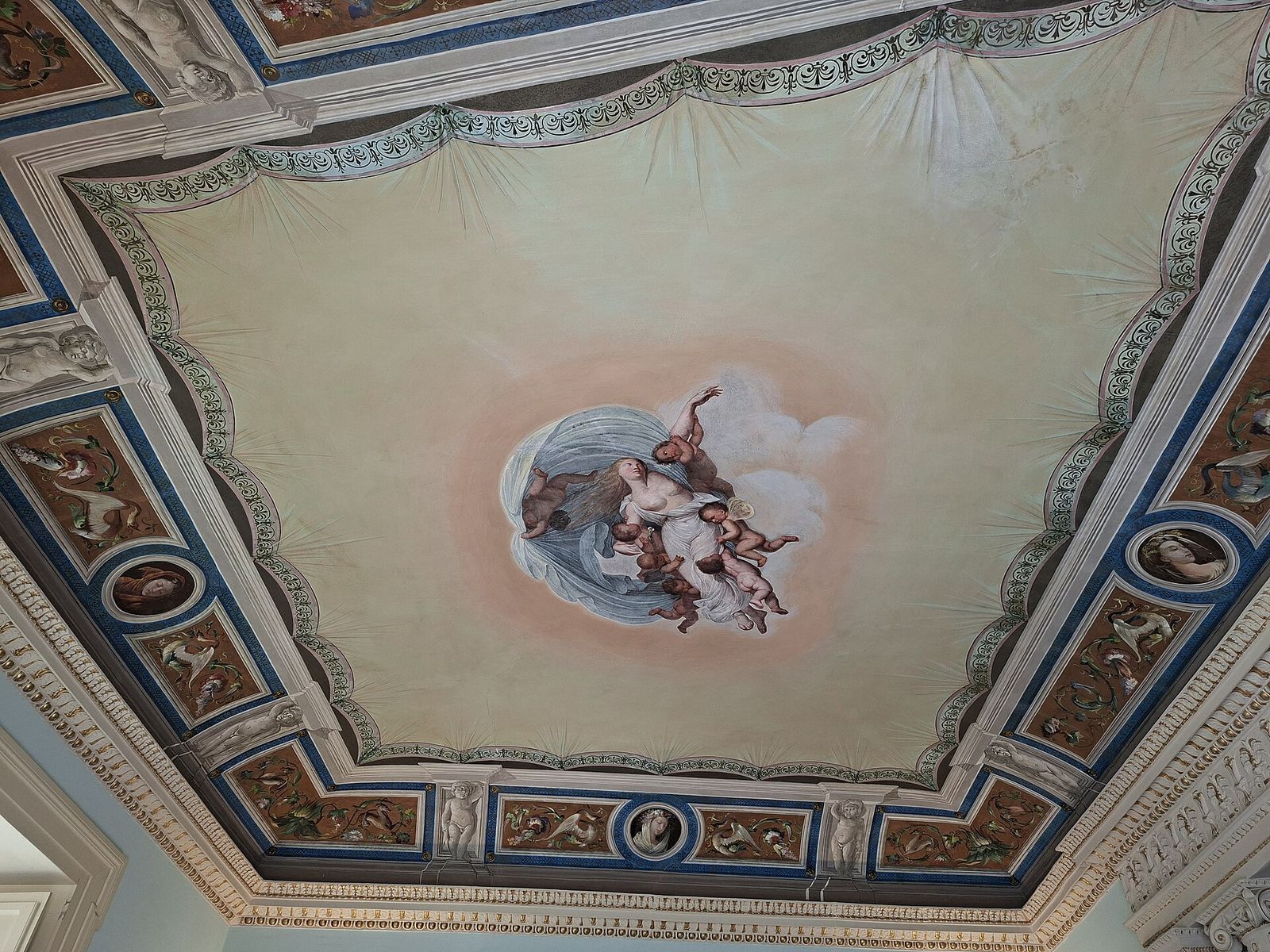
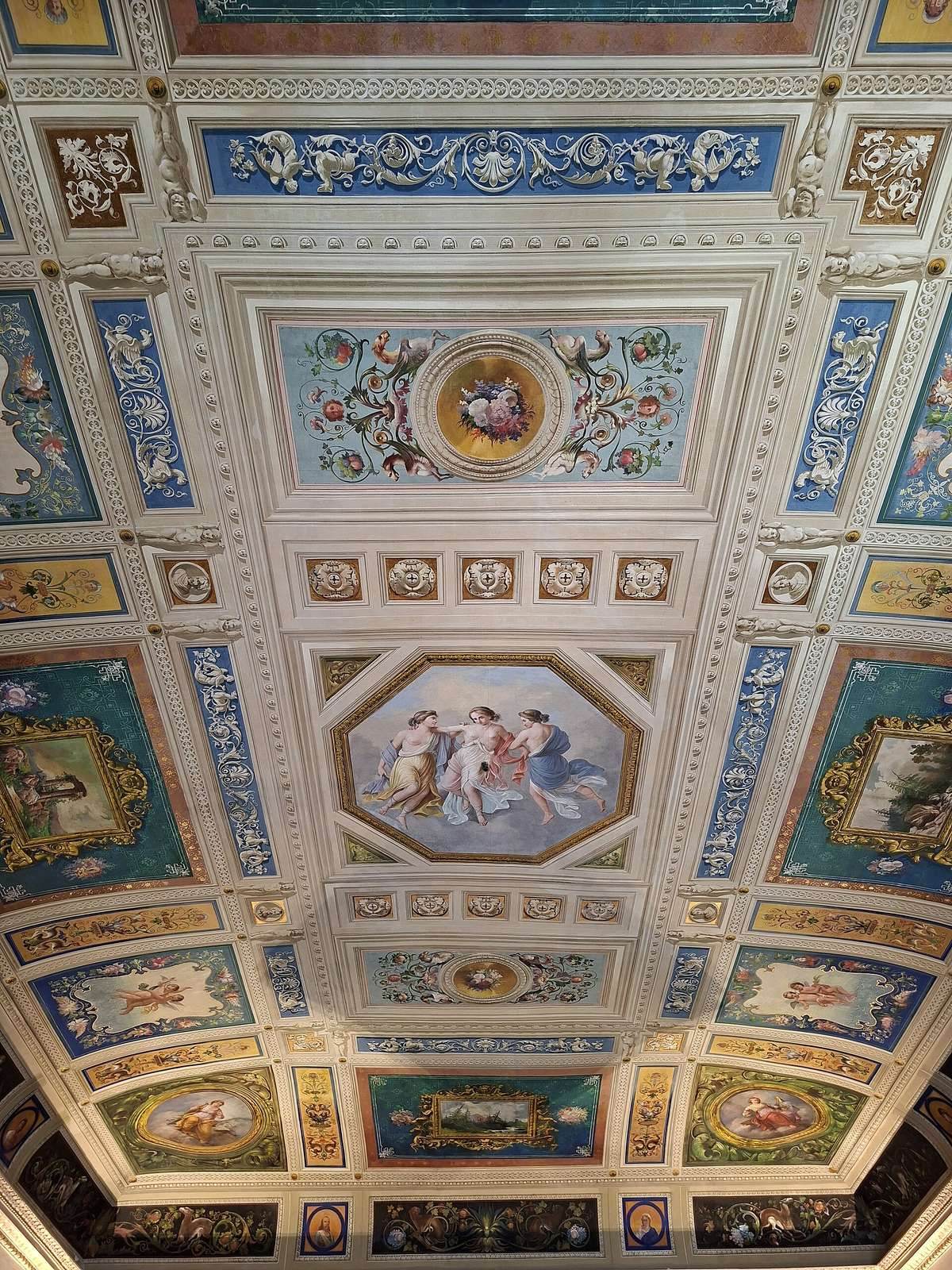
The palace forms part of the north perimeter of Piazza Pretoria, with Corso Vittorio Emanuele behind it. Its Neoclassical facade was probably designed by Domenico Lo Faso, Duke of Serradifalco, an early-19th-century intellectual and amateur architect. The exterior cornices and capitals have been restored to their former brightness.
Interior and displays
Inside, halls contain paintings from the second half of the 19th century. The museum presents its themes through a route across several rooms, with screen projections lasting 67 minutes in total. Its displays include ceramics, tiles, Sicilian puppets, traditional figures used in puppet performances, and jewelry.