Bjurum: A Swedish Manor and Estate
Site at a Glance
- Popularity
- Medium
- Country
- Sweden
- Primary era
- Early Modern
- Eras represented
- Medieval, Early Modern, Modern
- Civilizations
- Swedish
- Site type
- Domestic
- Remains
- Manor House
On this page6 sections
History
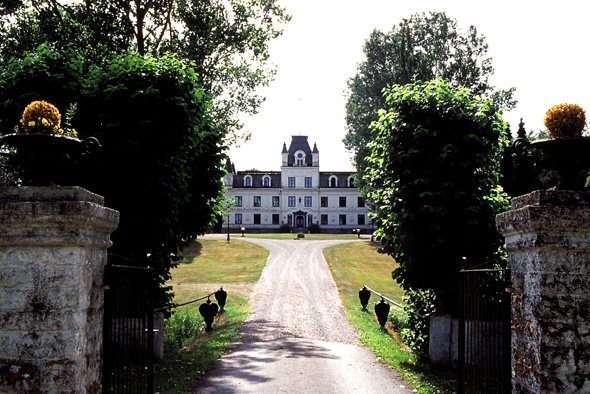
Bjurum, also known as Stora Bjurum, is a manor in Sweden with a history reaching back to the Middle Ages. Its present main house was remodeled in 1870 to plans by Helgo Zettervall in the historicist style, which draws on earlier architectural periods.
Medieval ownership and succession
Earlier names for the manor included Byurum and Biureem, derived from biur, an old word for “beaver.” In 1431, Bjurum belonged to Karl Ormsson Gumsehuvud, a Swedish nobleman and member of the Council of the Realm, a body of senior nobles and officials that advised the monarch. He left the manor to his grandchild, Princess Magdalena of Sweden.
Magdalena had no surviving children and transferred Bjurum in 1491 to her niece, Kerstin Eriksdatter Gyldenstierne. Kerstin was married to the Danish-born nobleman Hans Aagesen Thott. Their son, Åke Hansson Tott, held the senior military office of marshal of Sweden. The king of Denmark had Åke executed in 1510. The manor then passed through Åke’s sister to the Soop family, and in the late seventeenth century to the Stenbock family.
The Stenbocks and later owners
Count Erik Fredrik Stenbock owned Bjurum in the 1730s. With the support of his wife, Eva Margareta Clerck, the manor became known in Sweden as a setting for Passion plays, religious dramas depicting the suffering and death of Jesus.
The manor later passed to Major Carl Georg Lillie, who oversaw its reconstruction in the 1750s. In 1807, Lillie’s son Brynte sold it to Major G. Soop. Ownership changed repeatedly during the nineteenth century.
Remains
The estate today includes a single main manor house surrounded by a garden and park. Its grounds extend across a broad landscape that includes Lake Hornborgasjön.
Main house
The original manor consisted of four separate wings arranged around a square. After three wings burned in the 1750s, the remaining wing was enlarged to form a single house. The present main building is made of stone and replaced the medieval manor in the mid-eighteenth century.
Estate landscape and church
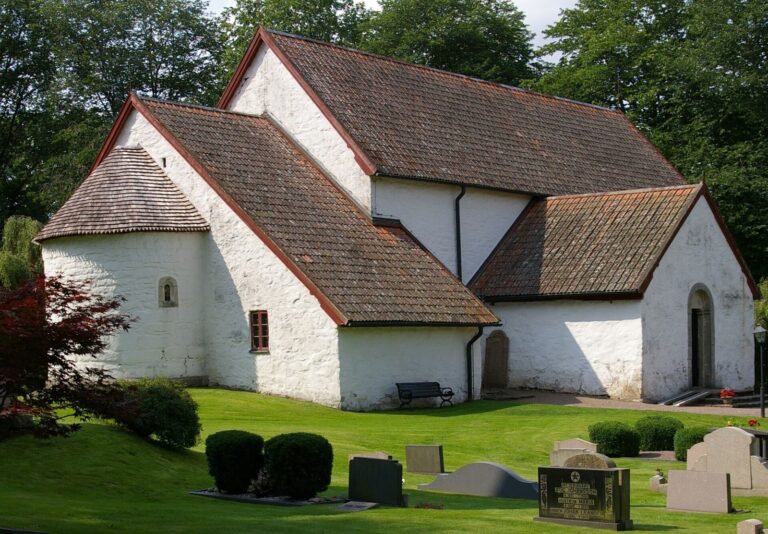
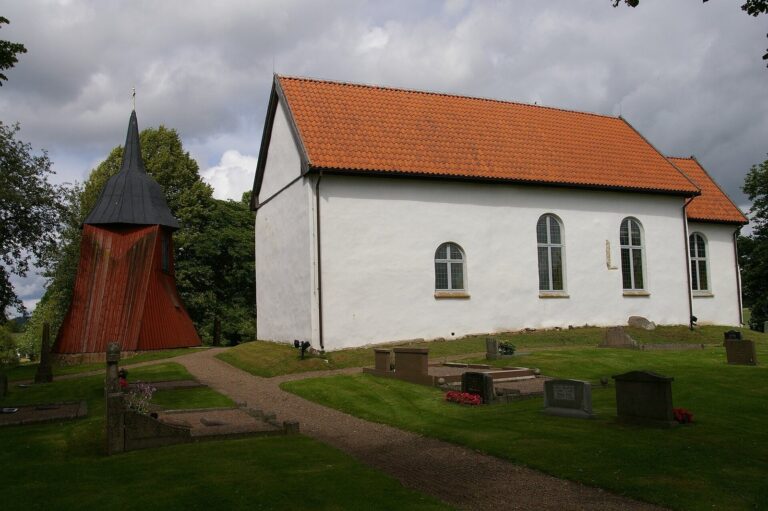
The estate once encompassed the area of an entire parish and now covers about 2,500 hectares. It is one of Sweden’s largest manors and among the largest estates in Skaraborg. An eighteenth-century church that originally belonged to the estate stands about one kilometre from the manor, on the southern shore of Lake Hornborgasjön.