Bindon Abbey: A Cistercian Monastery in Dorset
Site at a Glance
- Popularity
- Medium
- Country
- United Kingdom
- Primary era
- Medieval
- Eras represented
- Medieval, Early Modern
- Civilizations
- British, English
- Site type
- Religious
- Remains
- Monastery
On this page12 sections
History
Foundation and relocation
Bindon Abbey was a Cistercian monastery beside the River Frome near Wool in Dorset, United Kingdom. The Cistercians were a monastic order that developed from the French abbey of Cîteaux. Bindon was a daughter house of Forde Abbey and part of that order’s lineage. Dedicated to St Mary, it was listed within the Diocese of Lincoln, an ecclesiastical district administered by a bishop, and it founded no daughter abbeys.
In 1149, William and Maud de Glastonia sought monks from Forde to establish a monastery at Little Bindon, near Bindon Hill and Lulworth Cove. The terrain there could not support the community. In 1172, Roger de Newburgh and his wife, Matilda de Glastonia, a granddaughter of William, provided the monks with a new site in the Frome valley near Wool, together with further estates in Dorset. The foundation at this location is dated to 27 September 1172. The community retained the name of its former home.
Royal support and monastic difficulties
The abbey received support from the Plantagenet dynasty, the line of English rulers that included King John, Henry III, and Edward II. John employed its abbot on confidential missions, and part of the royal treasure was kept at the abbey in 1215. Timber intended for rebuilding was given by the Crown in 1213 and 1235. Henry III issued several letters of protection, and a charter confirming the Newburghs’ donation dates to 1234. In 1280, the abbey gained the right to hold a weekly market and an annual fair at Wool. Edward II also drew on its support during his wars against the Scots.
In 1296, the abbot was accused of causing the deaths of two monks. From the fourteenth century, internal and financial problems diminished the monastery’s income and resources. By 1329, poor management had left it heavily burdened by debt.
Dissolution and later occupation
The Valor Ecclesiasticus, a survey of church property values in England and Wales made under Henry VIII, assessed Bindon’s annual income at £147 in 1535, placing it among the smaller monasteries. It was scheduled for dissolution in 1536, but Abbot John Norman paid the Crown £300 to avert suppression. The abbey was dissolved in 1539, and its estates passed to the Crown.
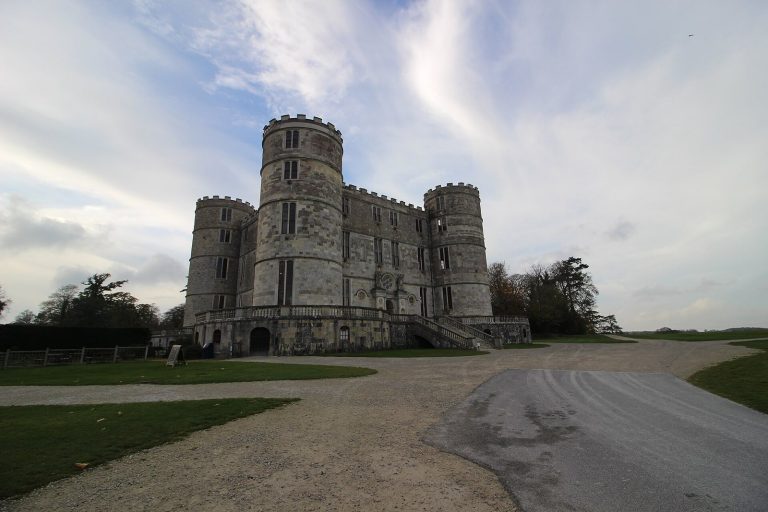
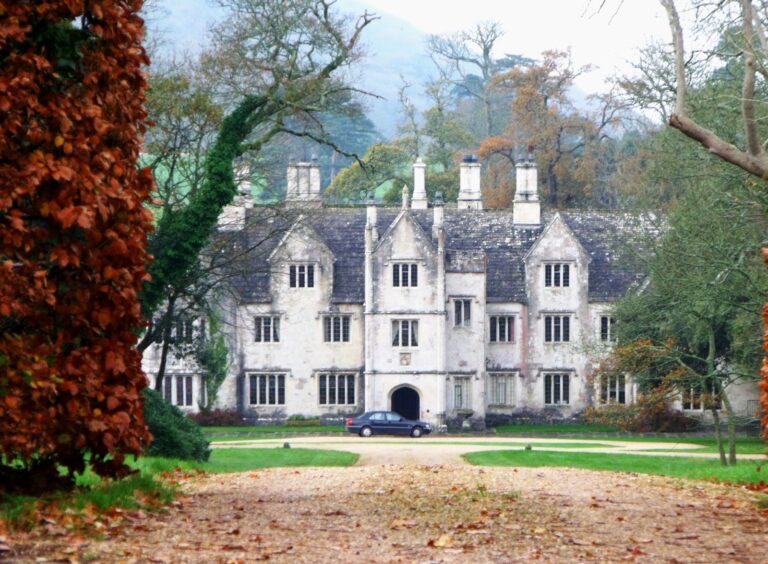
The former abbey was granted to Thomas Poynings, Baron Poynings, and later passed to Thomas Howard, Viscount Howard of Bindon. Howard built a country house on the site in 1559; it was burned during the English Civil War. The Weld family acquired the property in 1641 and later became prominent Roman Catholics. Stone from the abbey was reused in the construction of nearby Lulworth Castle.
Remains
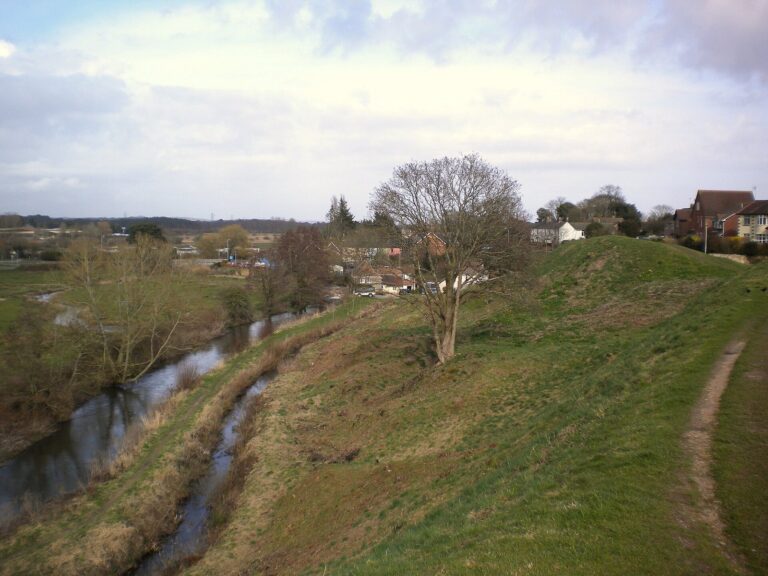
The ruins lie beside the River Frome, about one kilometre east of Wool. Foundations and surviving walls outline a Cistercian complex, with the church and conventual buildings arranged around a cloister south of the church. The church followed the Bernardine plan, a layout associated with Cistercian church architecture.
Monastic buildings
Church
The church was cross-shaped, with a central main space flanked by two side aisles, a straight eastern end, and two chapels opening from each arm of the cross. Most of its construction appears to date to around the turn of the twelfth and thirteenth centuries. An eighteenth-century engraving suggests that pointed arches rested on round supports. Excavated fragments of a fourteenth-century pulpitum, a substantial screen separating the nave from the choir, have also been found.
Cloister buildings
The conventual buildings surrounded a cloister to the south of the church. In the chapter house, within the eastern range, recessed column shafts that supported the vaulted ceiling remain visible. Their design derives from Forde Abbey. The southern range contained the kitchen and refectory, and only limited remains of it survive.
Later features
Gardens
The outline of Thomas Howard’s gardens remains visible, including water features enclosed by moats.
Bindon Abbey House and gatehouse
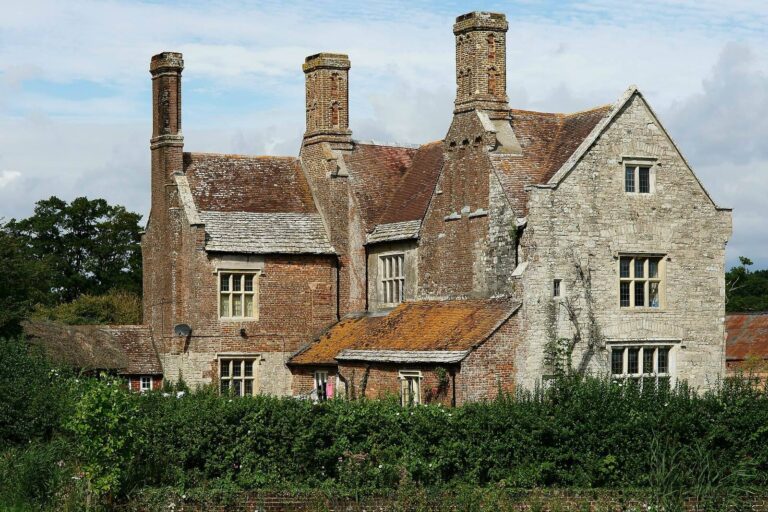
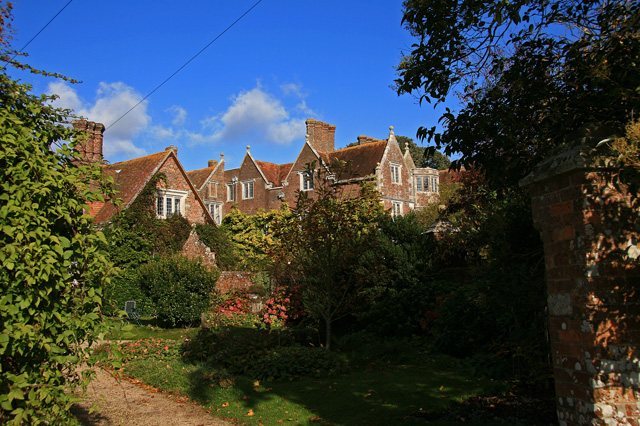
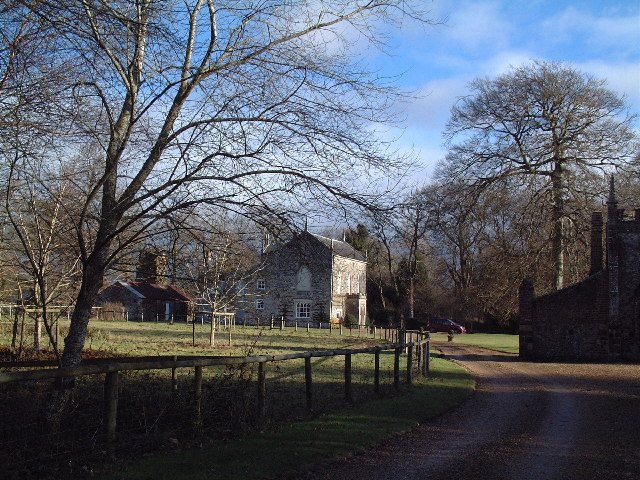
A small house, Bindon Abbey House, and a gatehouse were built on part of the former abbey grounds between 1794 and 1798. Both structures survive.
Bindon Mill
Bindon Mill stands beside the River Frome north of the ruins. Originally part of the monastery, it was converted into a residence between 2006 and 2009.