Beaupré Abbey: A Cistercian Monastery in Lorraine
Site at a Glance
- Popularity
- Very Low
- Country
- France
- Primary era
- Medieval
- Eras represented
- Medieval
- Civilizations
- Duchy of Lorraine, Holy Roman Empire
- Site type
- Religious
- Remains
- Fortified Monastery
On this page13 sections
History
Beaupré Abbey is a former Cistercian monastery in France, at Moncel-lès-Lunéville in Lorraine. Founded on 27 February 1135 by Folmar V, Count of Metz, and his wife Mathilde, it belonged to the institutional lineage of Morimond Abbey, a major Cistercian parent house. Dedicated to Our Lady and attached to the Diocese of Toul, the abbey became a medium-sized monastery and an important burial place for the dukes of Lorraine.
Foundation and medieval development
Beaupré’s foundation formed part of the expansion of the Cistercian Order, a monastic movement that emphasized communal discipline, austerity, manual work, and strict observance of the monastic rule. The site may have been imposed by Folmar rather than selected by the monks. Its position beside the Meurthe left the monastery vulnerable to flooding. Bernard of Clairvaux, a prominent twelfth-century Cistercian abbot and reformer, was traditionally believed to have attended the consecration of the abbey church.
During the Middle Ages, the community never exceeded about thirty monks, accompanied by roughly twice as many lay brothers. These members generally carried out agricultural, craft, and other practical work rather than following the complete clerical routine of the choir monks. Donations from local landholders brought prosperity, while the abbey developed a network of agricultural granges, generally within 25 kilometres of the monastery, with one property in the Vosges about 50 kilometres away.
The grange network is described as comprising nine establishments. Named properties associated with Beaupré included Bétaigne, Champel, Les Aboues, Relécourt, Doncourt, Boleu, Borville, Martinbois, Les Bordes, Einvaux, Bezange, Froide-Fontaine, Olzée, La Fontaine, and Mattecourt. Beaupré may also have helped establish Baumgarten Abbey, although its foundation is more commonly attributed to Neubourg Abbey.
A ducal burial church
The abbey church served as a ducal necropolis for several rulers of Lorraine and for a number of their vassals. Its burials included Duke Raoul, who died at the Battle of Crécy, as well as Duke Ferry III and Dukes Thiébaud II and Ferry IV. This funerary role gave Beaupré a close connection with the ruling dynasty of Lorraine.
Decline, reform, and destruction
Beaupré was plundered repeatedly during the sixteenth and seventeenth centuries and eventually fell into commendam. This arrangement placed the monastery under a commendatory abbot, who could receive its revenues without residing within the community. In 1709, during a period of spiritual decline, the monks adopted the Cistercian Strict Observance, a reform movement that sought more rigorous discipline and later gave rise to the Trappist branch at La Trappe.
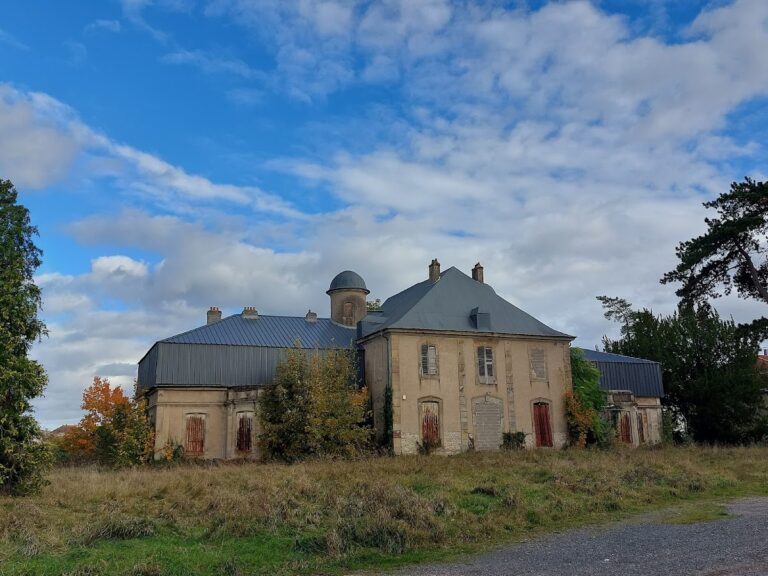
The reform did not halt the monastery’s decline. Beaupré closed before the French Revolution, and its seventeen remaining inhabitants dispersed. The abbey was dissolved in 1790 and then requisitioned by the army. On 23 April 1796, soldiers stationed there plundered and damaged the buildings before setting them on fire. The former abbey site is now occupied by a farm.
Remains
Beaupré stood in the floodplain of the Meurthe, on a low-lying site represented by the Cassini map as an island between the river on the east and a western branch that has since been drained. That secondary channel may have been artificial. The monastery combined a long brick-vaulted church with stone pillars, a large enclosed complex, agricultural facilities, workshops, gardens, and service areas.
Church and religious furnishings
Abbey church
The abbey church was a long, vaulted building constructed in brick and supported by stone pillars. Its sanctuary contained carved woodwork and was surrounded by paintings of saints belonging to the Cistercian order. Entry was through a simple portal made entirely of sandstone. The church’s role as a burial place for members of the ducal house connected these physical features with Beaupré’s wider political and religious history.
Enclosure and working monastery
Courtyard and workshops
A large first courtyard contained a watering trough and service buildings for the monastery’s practical activities. These included stables, a cloth workshop, a shoemaker’s workshop, a locksmith’s workshop, a farrier’s workshop, and a wheelwright’s workshop. The complex also contained a library with a small number of books, a pigeon house, and sentry boxes positioned at the corners of the extensive enclosure.
Gardens and waterworks
A large vegetable garden was crossed by a long canal. Vines grew behind and outside the abbey in well-exposed positions, reflecting the agricultural character of the monastery and its surrounding grange network.
Surviving structures and movable remains
Farm complex
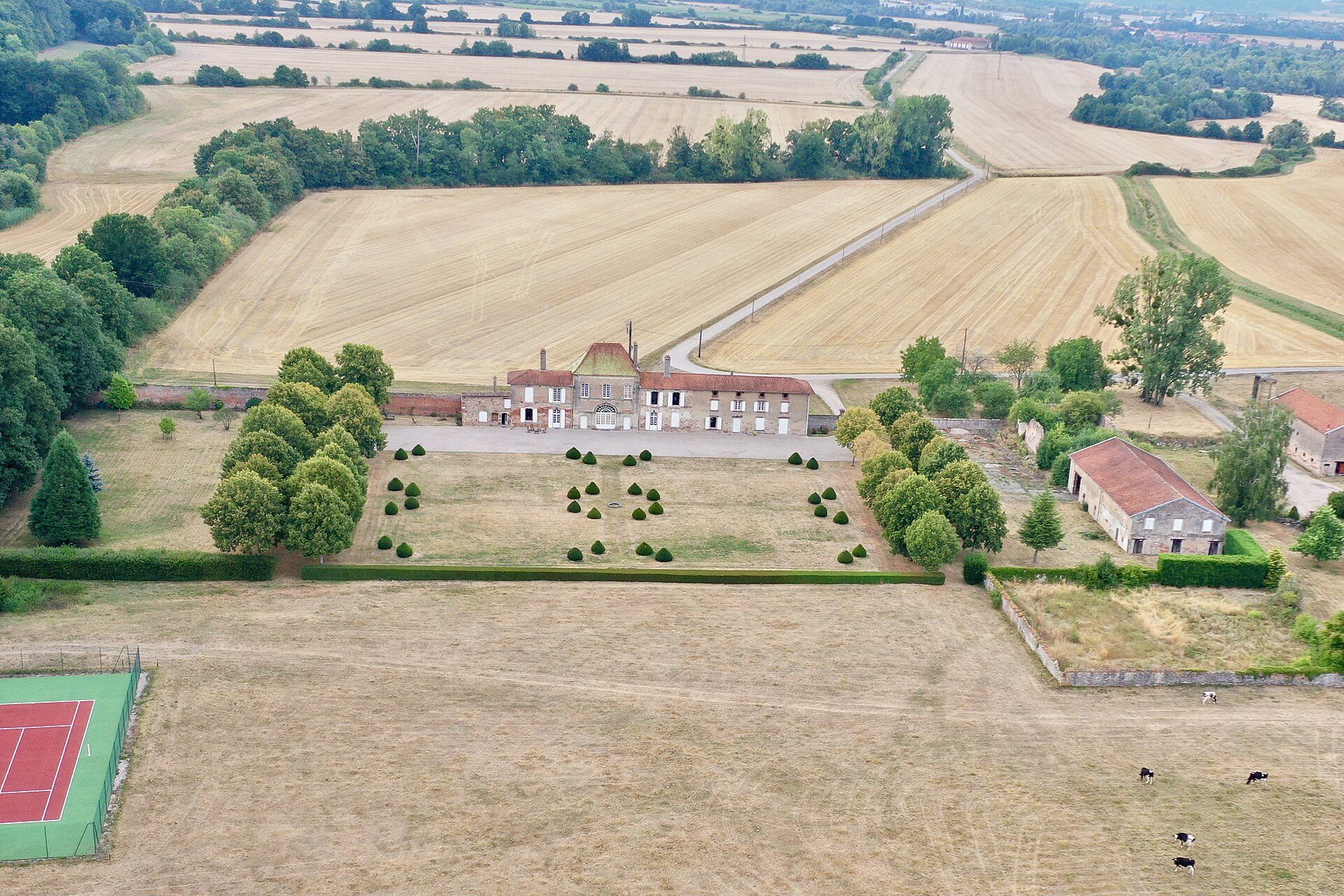
The buildings were remodeled during the eighteenth century. Surviving parts include the gatehouse, a hospital built over vaulted cellars within a farm complex, and sections of the monastery’s enclosing walls. These elements form the principal visible remains of the former abbey within the present agricultural site.
Abbey organ
An organ made by Georges Küttinger survived the destruction of Beaupré. During the Revolution, it was purchased by the Church of Saints Cosmas and Damian in Vézelise and transferred there, preserving one of the abbey’s important movable furnishings outside the former monastic complex.