Bardneshandeh Temple: An Achaemenid and Parthian Place of Worship
Site at a Glance
- Popularity
- Medium
- Country
- Iran
- Primary era
- Classical
- Eras represented
- Classical
- Civilizations
- Achaemenid, Parthian
- Site type
- Religious
- Remains
- Temple
On this page8 sections
History
Achaemenid Foundation and Open-Air Worship
Bardneshandeh Temple is an open-air place of worship and fire temple in Iran, a place of worship centered on sacred fire. Its principal foundation is attributed to the Achaemenid period, when the Achaemenids ruled the Persian Empire. Its architecture is classified as Elamite, associated with the ancient kingdom of Elam in southwestern Iran, and Parthian, linked to a later Iranian dynasty.
Kamnaskires I Soter, a king of Elymais, an ancient kingdom in southwestern Iran, commissioned the temple. Ceremonies took place outdoors there for centuries. Achaemenid temples were built without roofs, and the first roofed temple was built during the reign of Artaxerxes II, an Achaemenid king.
Parthian Associations and Archaeological Study
The temple is also associated with the Parthian period. French archaeologist Romain Ghirshman described Bardneshandeh as a predecessor of Persepolis, the Achaemenid Empire’s ceremonial capital, and interpreted it as a Parthian temple dedicated to Mithra and Anahita, ancient Iranian deities.
A French archaeological mission identified a fire temple at the site in the mid-twentieth century. Bardneshandeh was registered as an Iranian National Monument in 1949. The name means standing stone; in Bakhtiari, an Iranian language variety, bard means stone.
Remains
Layout and Setting
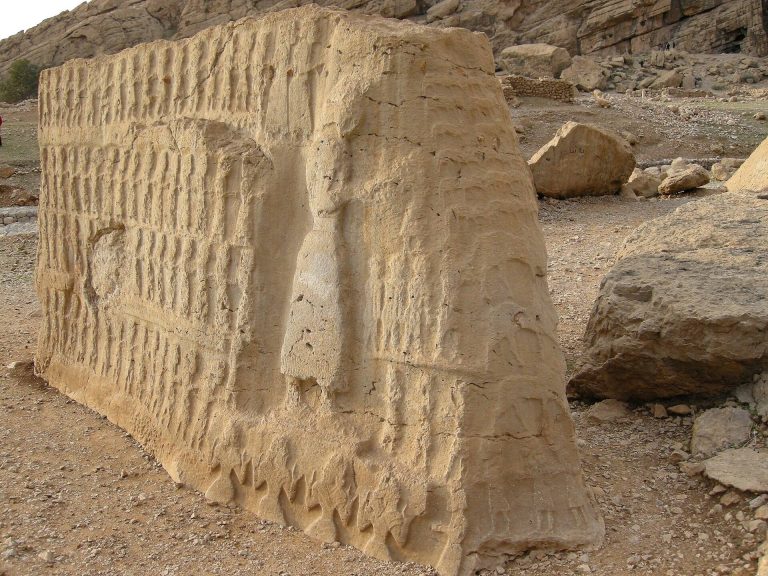
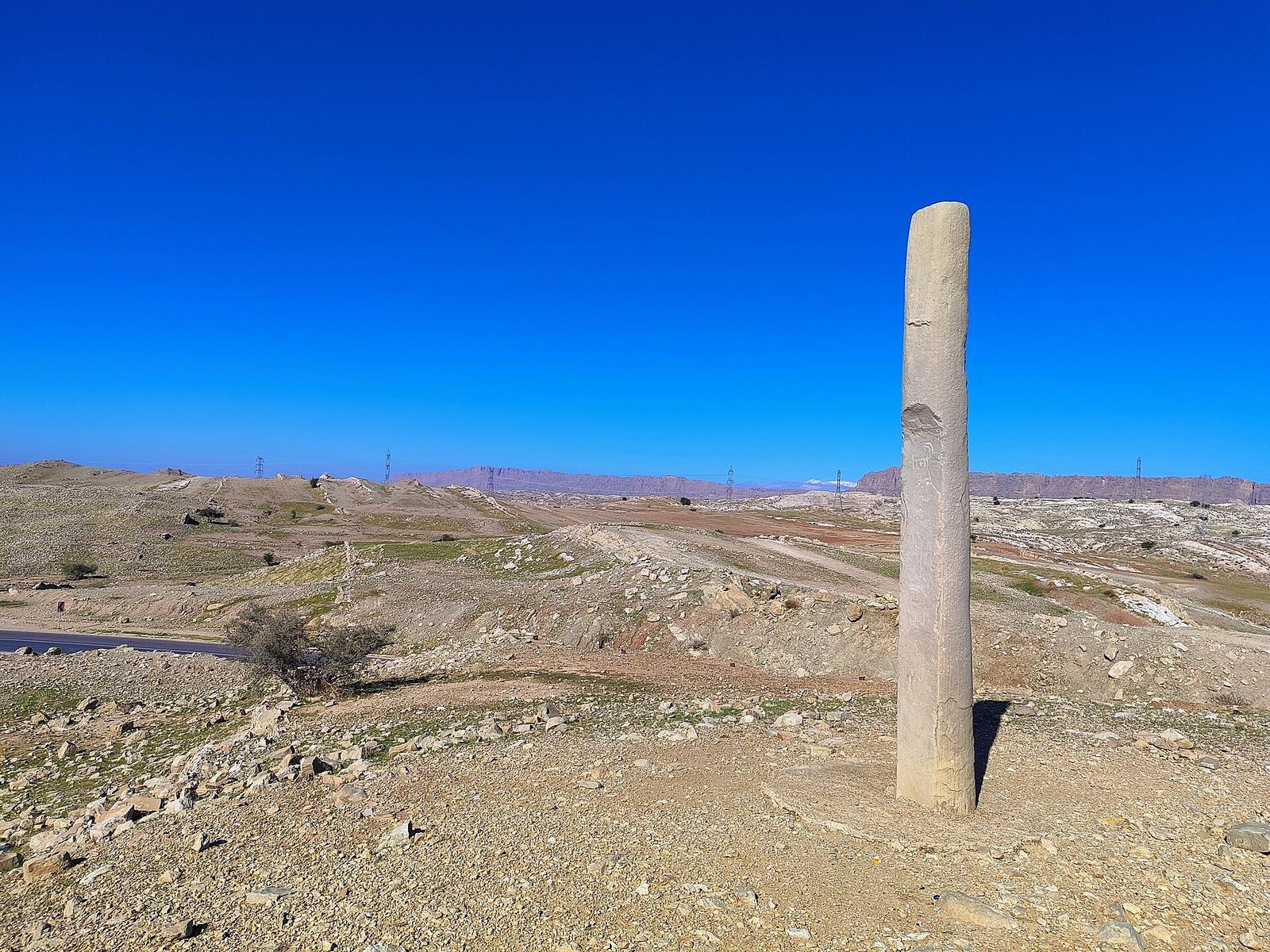
The stone complex extends about 700 metres by 250 metres and stands at an elevation of 671 metres. It occupies high ground overlooking a plateau enclosed by high, wall-like rocky mountain ranges. The complex includes a palace used as a chief’s residence, a sanctuary east of the palace, and a settlement to the north. An overlook measures 157.2 metres, and the site also has three flights of steps and niche-like recesses. A standing stone column is situated on a high point of the plain southwest of Masjed Soleyman, beside Achaemenid-period buildings.
Temple and Finds
Fire-Temple Structure
The fire-temple structure has a square base measuring five metres, built from large stones. It lies 25 kilometres from a point where a stairway climbs to the upper level of a mountain.
Excavated Objects
Excavations yielded pottery vessels, old coins, ancient statues, and other antiquities, now held in museums in Iran and abroad. One statue, more than two metres tall, depicts Herakles, the Greek mythological hero also known in Roman tradition as Hercules, strangling the Nemean lion, the creature he was traditionally said to have slain. Excavated at the temple, the statue is now in the Susa Museum.