Banys de la Reina, Calp: A Roman Coastal Settlement
Site at a Glance
- Popularity
- Medium
- Country
- Spain
- Primary era
- Classical
- Eras represented
- Classical
- Civilizations
- Roman
- Site type
- Settlement
- Remains
- Village
On this page11 sections
History
Roman settlement and use
Banys de la Reina is an archaeological settlement on the coast of Calp, Spain, with Roman residential, thermal, funerary and productive remains. The area shows evidence of habitation from the Bronze Age to the present. The settlement developed from at least the 2nd to the 7th century CE; its principal Roman residence and bath building were constructed in the late 2nd or early 3rd century and abandoned in the early 5th.
Once described as a palace, the Roman complex was later understood as a vicus, or small Roman settlement, made up of three dwellings. Its activities included wine production, fishing, stone extraction, fish salting and the preparation of garum, a fermented fish sauce. Coastal installations, including a fishpond and a rock-cut water-lifting wheel, later changed use and became partly incorporated into a late Roman cemetery with North African burial forms and rites.
Rediscovery and archaeological work
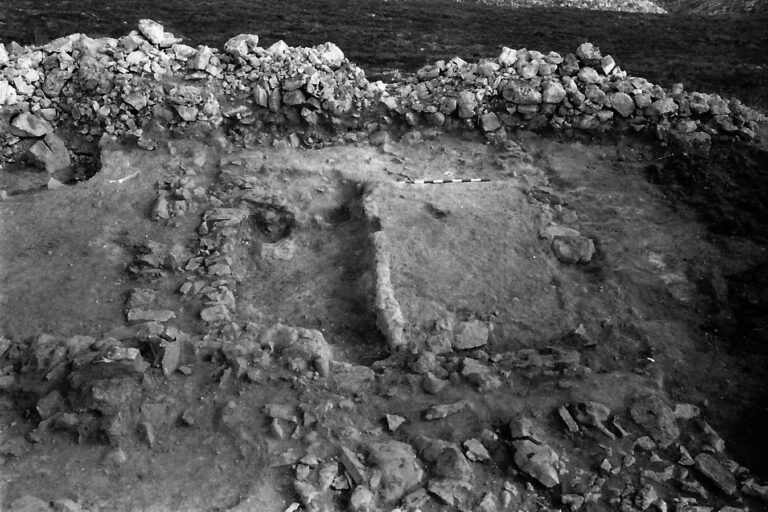
Gaspar Escolano located the structures in 1610. Antonio José Cavanilles excavated them on 18 and 19 May 1792, and news of the discovery appeared in the Gazeta de Madrid. Manuel Pellicer Catalán’s 1965 excavations recovered some mosaics first uncovered by Cavanilles. Further excavations, including rescue work, took place between 1993 and 1999 and clarified the plan of the complex.
Urban change and protection
Urban development from the late 1950s damaged much of the site. Road building in the 1980s and 1990s destroyed extensive areas around its edges and, in places, within its core. Excavation at Avenida de Europa 24 without the required controls and authorizations led to administrative, social and heritage-related conflict.
The archaeological zone entered cultural-interest designation proceedings in 1996 and became a Site of Cultural Interest, a Spanish heritage-protection category, in 2017. A 0.39-hectare area is also a flora microreserve, a small protected area for plant conservation.
Remains
Setting and archaeological extent
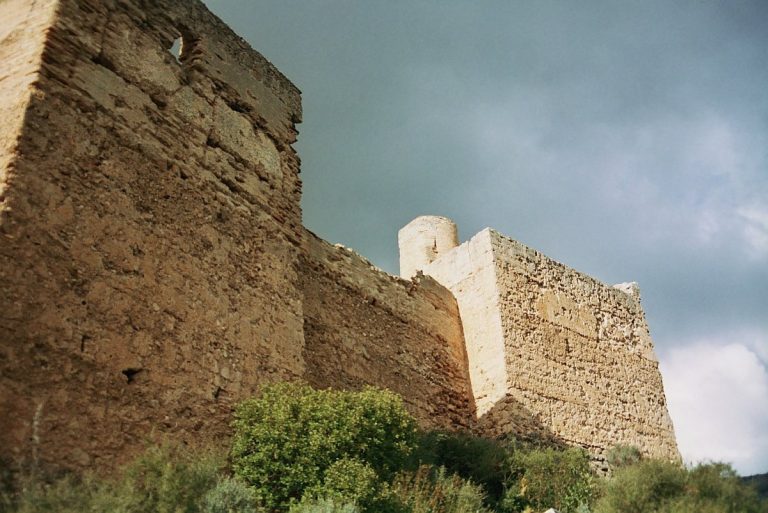
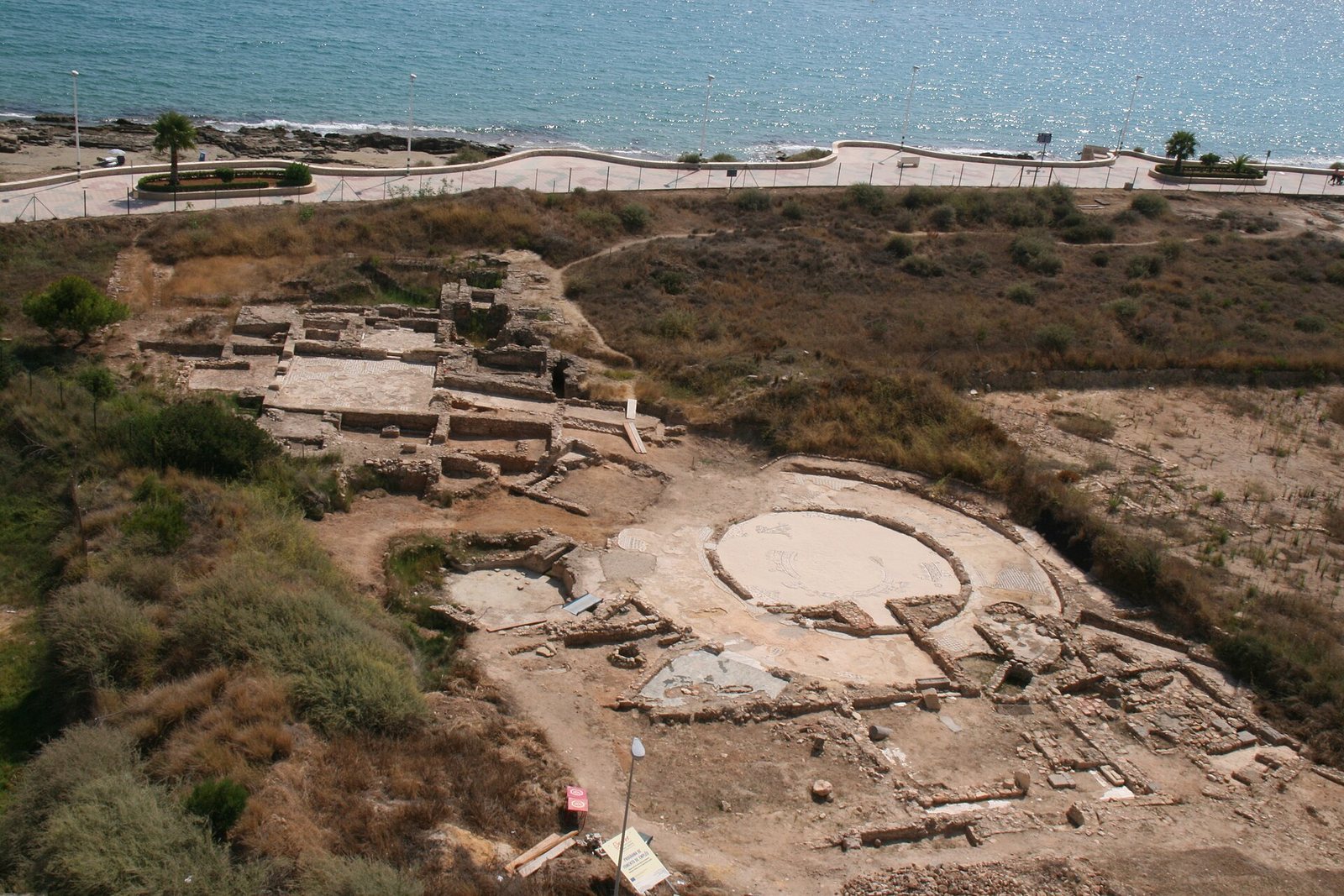
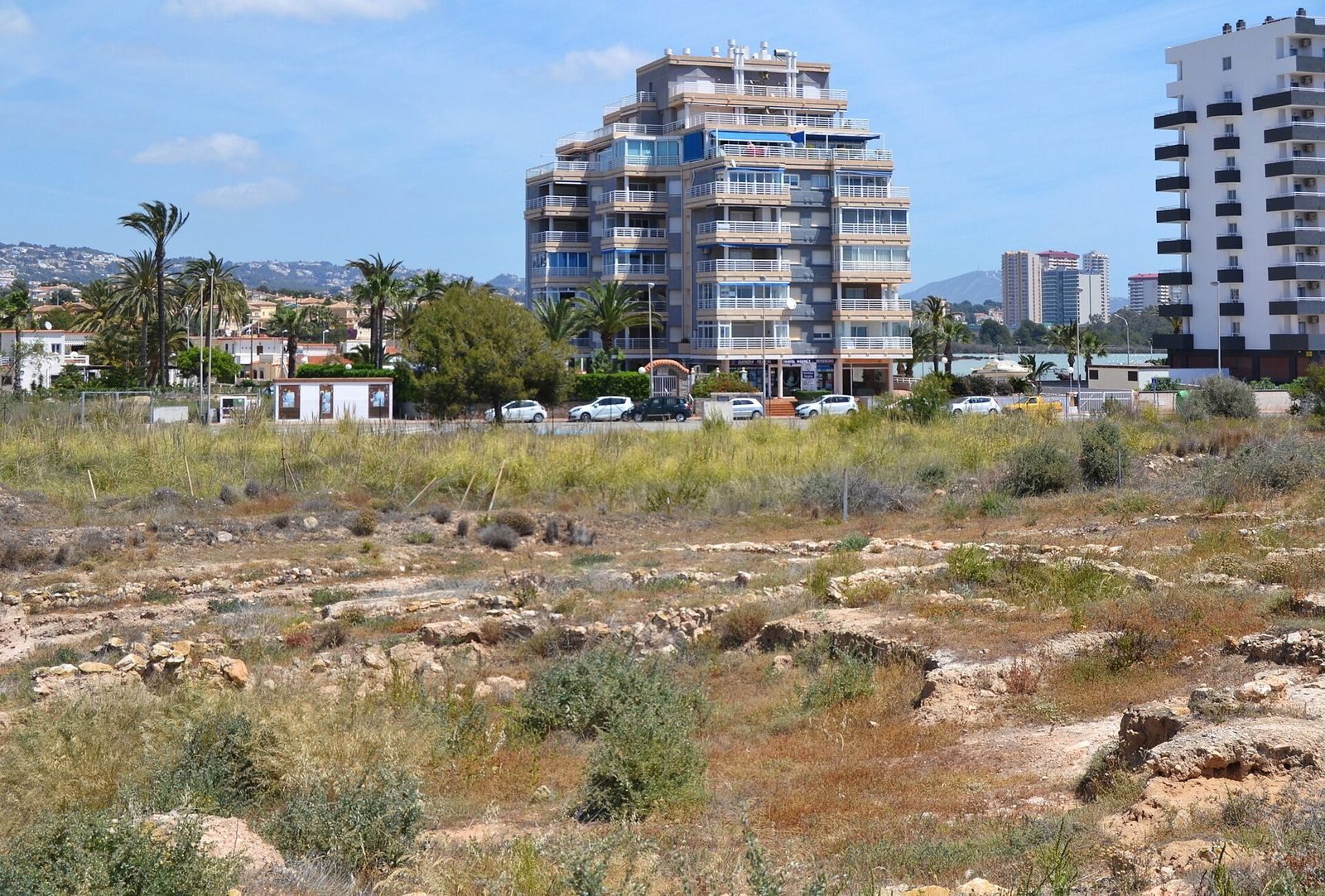
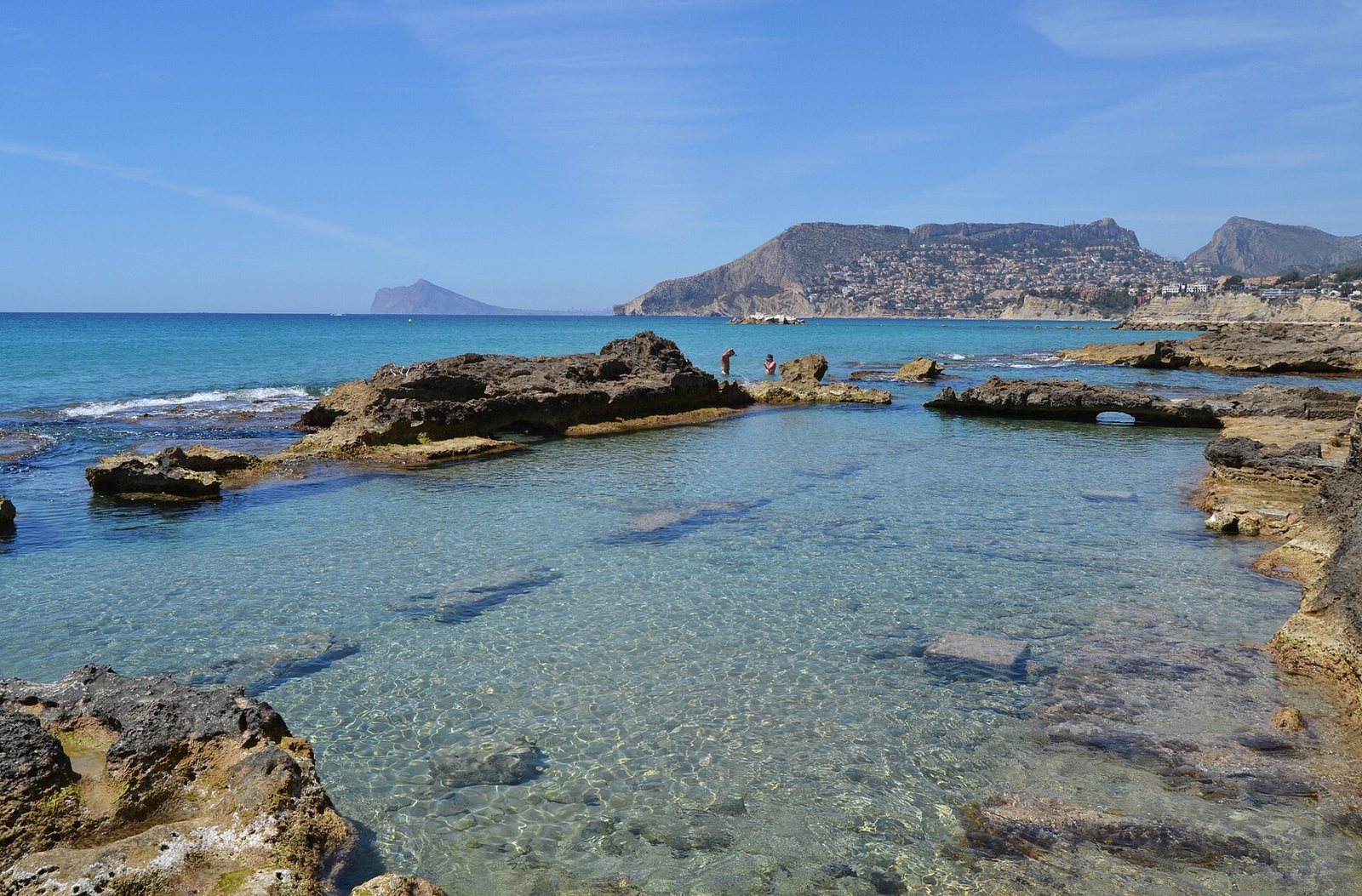
The remains lie on the coastal strip of Ifac Cove, between the sea and Calp’s salt flats, extending from the headland toward the present urban center. The archaeological area reaches from La Montanyeta at Boll Beach in the west to the Santa Bárbara and Araceli apartment buildings in the east, and from the salt flats south to the coast. It includes parts of the seafront promenade and rocky coastal platform, while the marine area extends about 100 metres offshore. Domestic, residential, funerary and productive features form parts of this wider complex, now within Calp’s built-up area.
Residential and coastal remains
Roman residence and baths
The principal residence had a corridor, a courtyard and eight rooms. Its marble and mosaics, alongside other luxury materials brought from across the Roman Empire, indicate a wealthy owner. Associated remains include thermal facilities, paved surfaces and mosaics. Excavated mosaics are now held at the Archaeological Museum of Alicante (MARQ).
Coastal fishpond
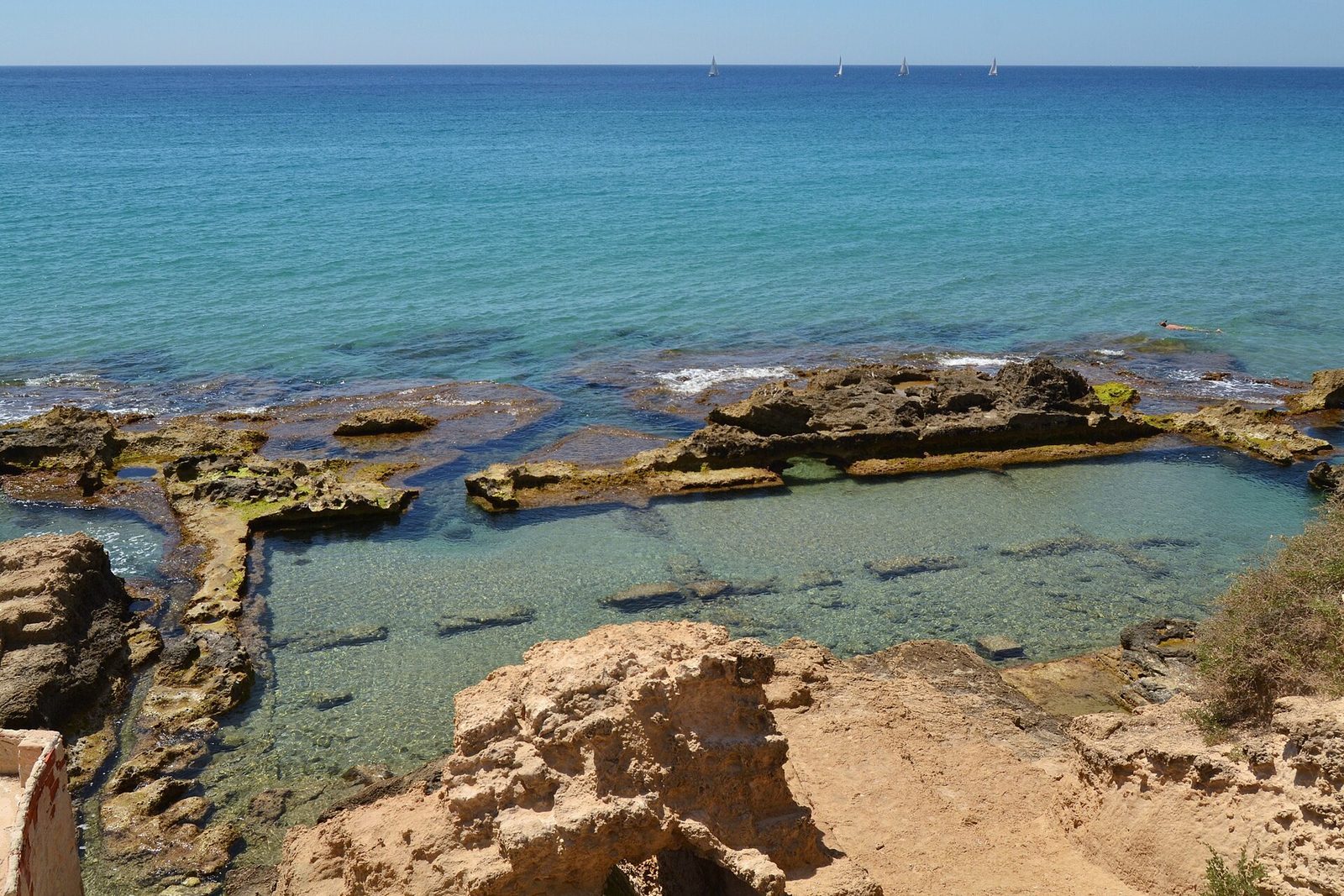
Near the shore, a rectangular fishpond was cut into calcareous tufa, a porous limestone formed by calcium-carbonate deposits. It covers 165 square metres and measures 19.75 by 8.50 metres. Six communicating basins occupy its interior. Four channels cut through the rock, two to the south and two to the east, supplied seawater; bronze or lead gates at their mouths admitted water while keeping fish from escaping. The installation was intended to keep fish alive for a supply of fresh fish, although use as an ornamental water garden is also possible. Pools of this kind were costly to build and maintain and could add to a property’s value and its owner’s social standing.
Other coastal and funerary features
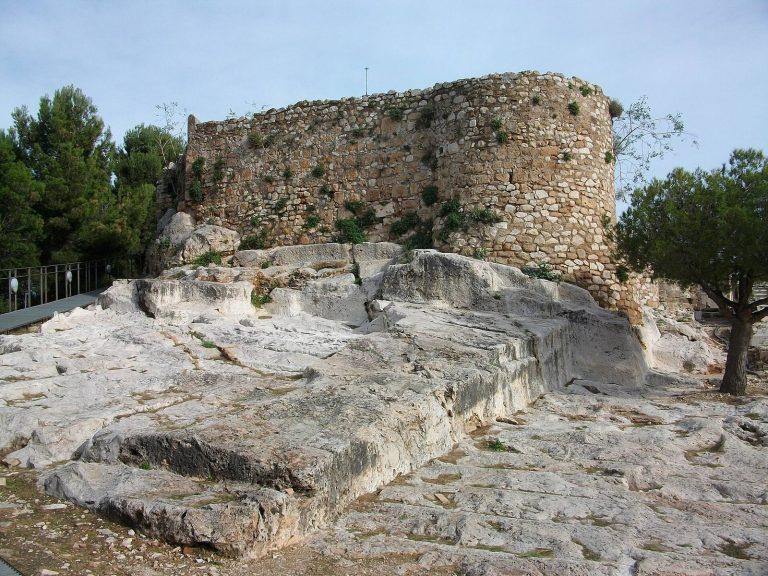
Other remains include a rock-cut water-lifting wheel, four cisterns and a natural anchorage, as well as Roman archaeological features around the salt flats. Six tombs have been found in the late Roman cemetery. Some installations had been adapted for cemetery use, and the burials are associated with North African types and rites.
Survival and condition
Undisturbed remains survive in some plots within Partial Plan No. 1, beneath the archaeological area of the promenade and on the coastal platform; they may also remain in the offshore anchorage. Archaeological deposits are known beneath some one- and two-storey apartment buildings. Beneath larger apartment towers, remains have been destroyed under the buildings but survive elsewhere within some plots. Roadways generally retain undisturbed ground except where trenches have been dug.