Anna Koléniová’s House: Slovak National Council of 1848 Memorial House
Site at a Glance
- Popularity
- Low
- Country
- Slovakia
- Primary era
- Modern
- Eras represented
- Modern
- Civilizations
- Hungarian
- Site type
- Domestic
- Remains
- House
On this page8 sections
History
Anna Koléniová’s House, the Slovak National Council of 1848 Memorial House, is a folk-architecture building in Myjava, Slovakia, dating to the 1830s. It became the base of the First Slovak National Council, a Slovak political body formed during the revolutionary period of 1848, during its first stay on Slovak territory.
Anna Koléniová and the national movement
Koléniová had joined the Slovak national movement before the council arrived. She took part in a commemorative theatrical event at Brezová on 26 April 1848. The following day, cockades, rosette or ribbon badges used to express political allegiance, and flags were made, and she hung a flag on her house. She was the only woman among those carrying out tasks prompted by Jozef Miloslav Hurban’s appeal, Brothers, Slovaks. Hurban was a writer, Lutheran pastor, and political leader.
Koléniová was the widow of Samuel Kolény, a Lutheran pastor and one of Myjava’s early Slovak national revival figures. He served as a chaplain from 16 May 1811 and became the town’s second pastor in the era following the Habsburg Toleration Patent of 1781, which granted limited legal recognition to Protestant worship.
The council in Myjava
After its establishment in Vienna, the council moved to Koléniová’s house, arriving on the evening of 18 September 1848. It held its first meeting on Slovak territory there and stayed until 28 September. In the house’s large festive room, Hurban drafted the Nitra Demands, a set of political demands. Council members also discussed how to respond after the envoys carrying them, Lajko Šulek and Daniel Bórik, were detained.
The council’s elected military members included Bedřich Bloudek, who commanded its corps, and František Zach, its chief of staff. Czech military commanders served under the council’s political leadership.
Memorial and preservation
The house was added to the central register of monuments on 14 September 1963 and declared a national cultural monument in 1970. Repairs took place in 1966 to 1968, 1998, and 2001. The museum complex forms part of the Slovak National Museum.
Remains
The house and exhibition pavilion
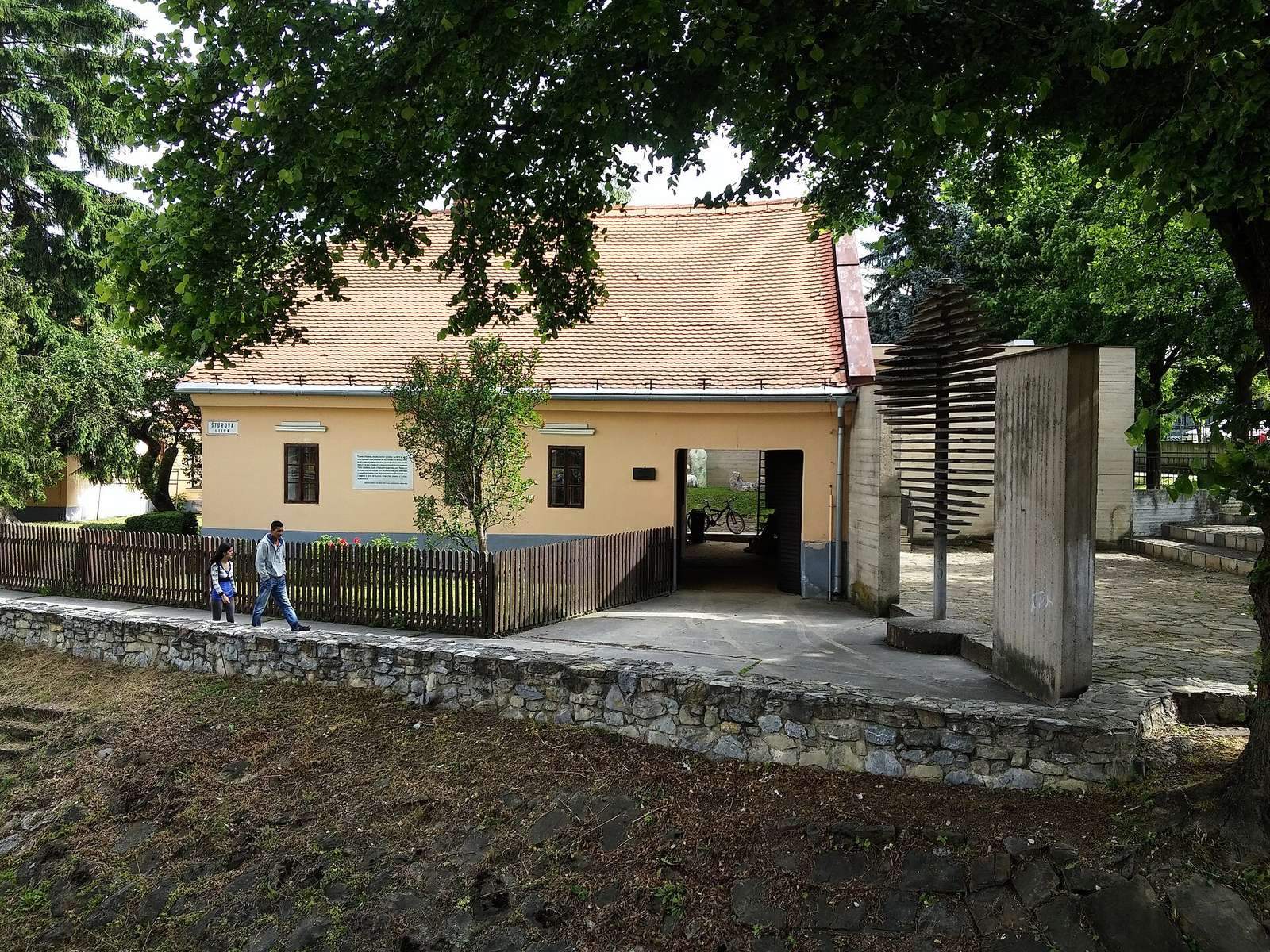
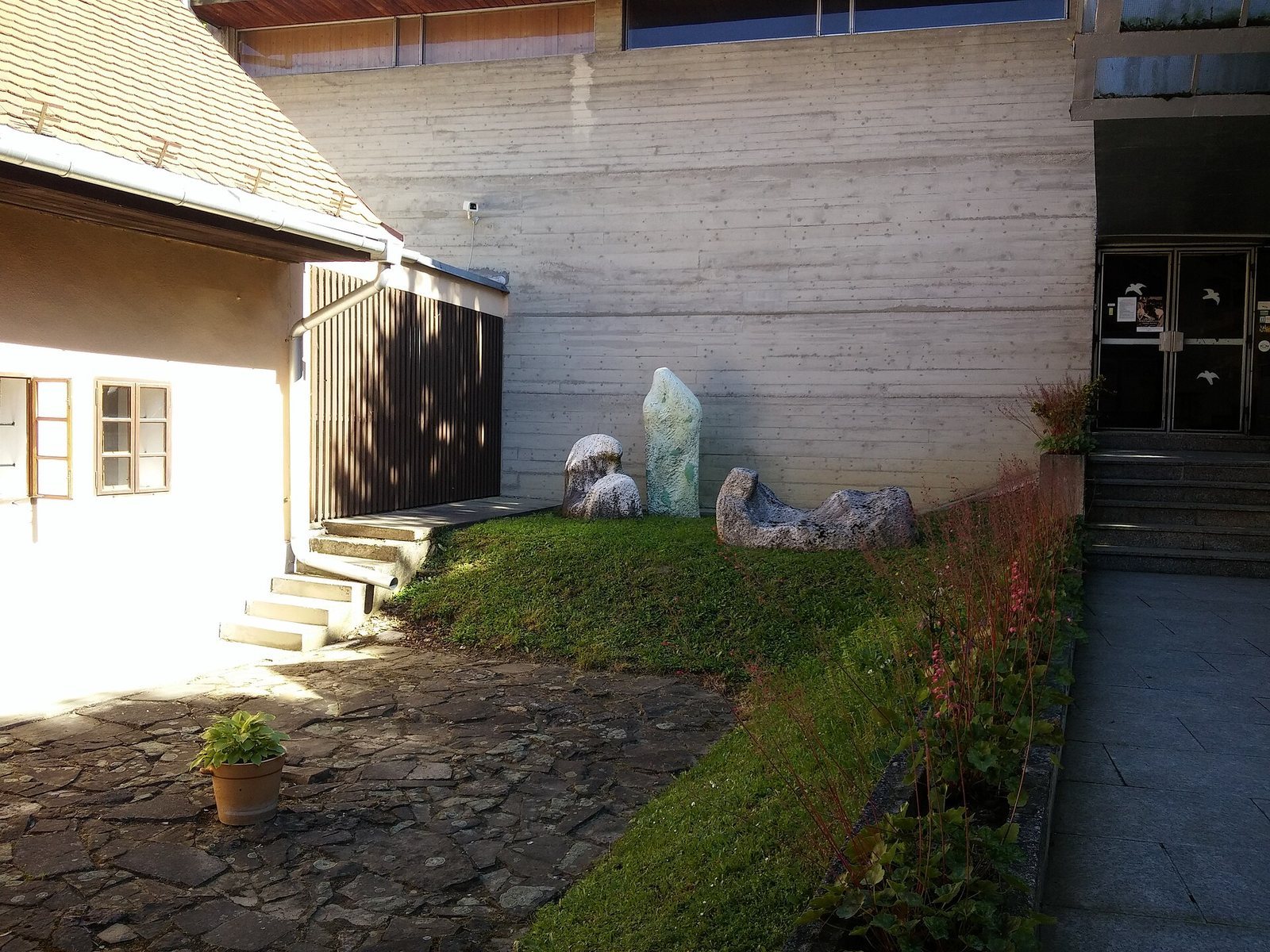
The memorial complex brings together Koléniová’s older house and a later exhibition pavilion, joined by a small pergola. Their different materials and forms combine older folk architecture with a modern addition.
Anna Koléniová’s house
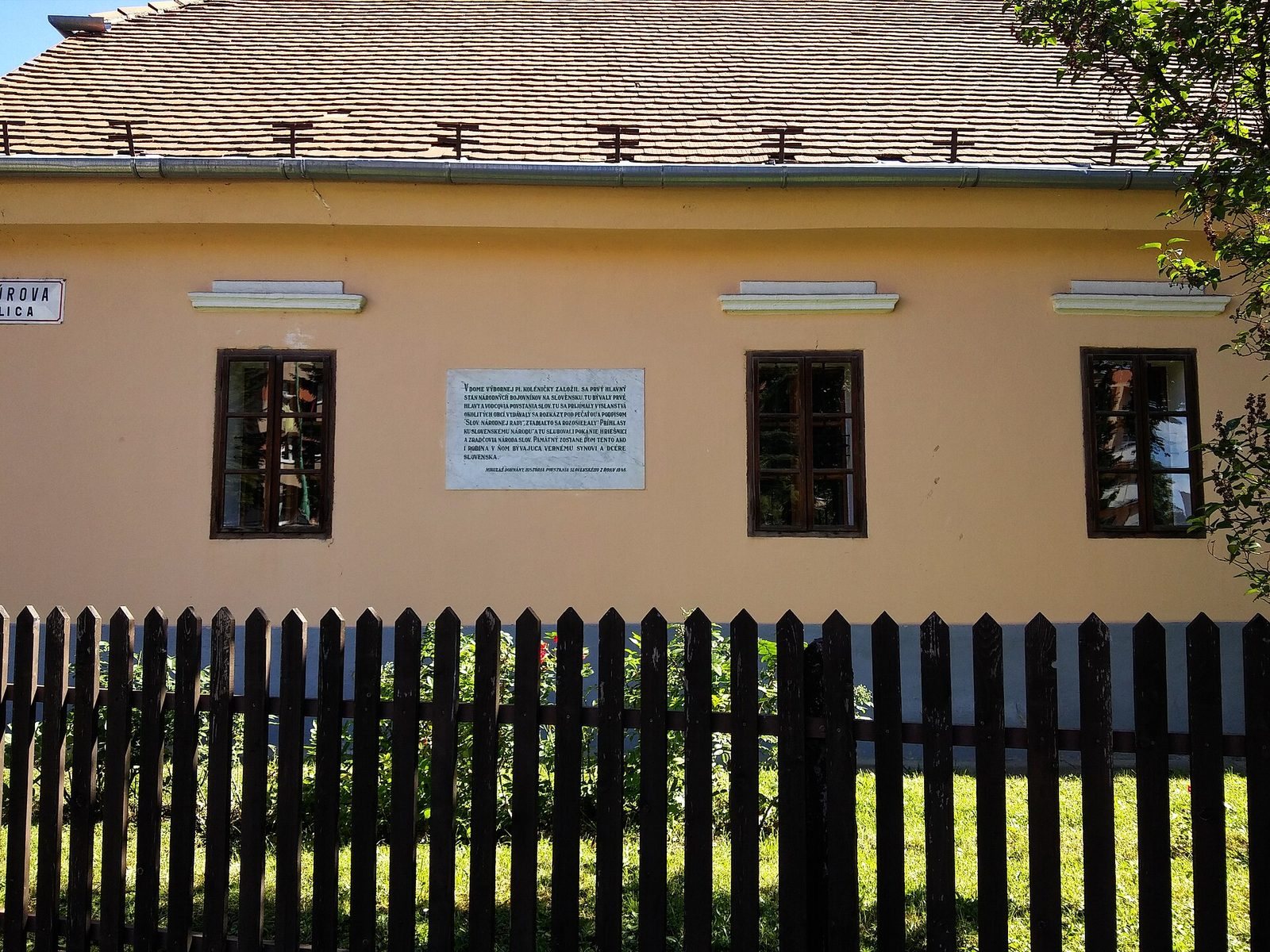
The single-storey house has an L-shaped plan, a cellar, and five rooms. A memorial plaque on its exterior carries a quotation from Mikuláš Dohnány’s History of the Slovak Uprising of 1848, published in 1850. Dohnány was a Slovak writer and historian.
Exhibition pavilion
Added between 1966 and 1968, the pavilion is built of iron and cast concrete and connects to the house by the small pergola. Its design and materials distinguish it from the older building while making it part of the same memorial complex.