Albrechtsberg Castle: From Medieval Fortress to Renaissance Complex
Site at a Glance
- Rating
- 4.3
- Popularity
- Medium
- Country
- Austria
- Primary era
- Early Modern
- Eras represented
- Medieval, Early Modern
- Civilizations
- Duchy of Austria, Habsburg, Habsburg Austria, Holy Roman Empire
- Site type
- Domestic
- Remains
- Castle
On this page8 sections
History
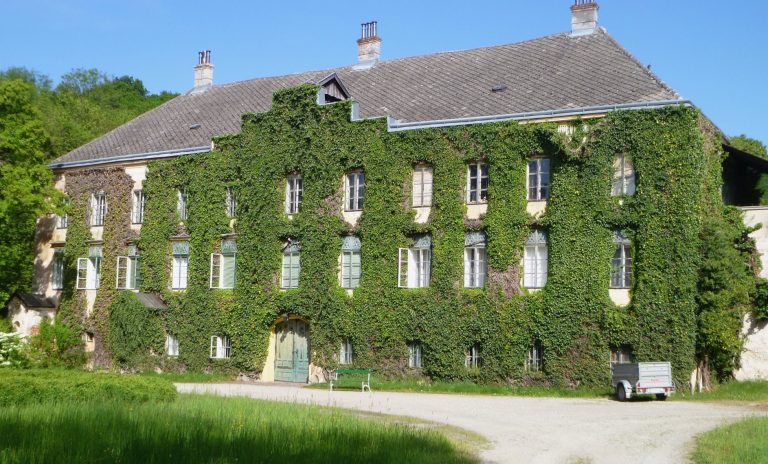
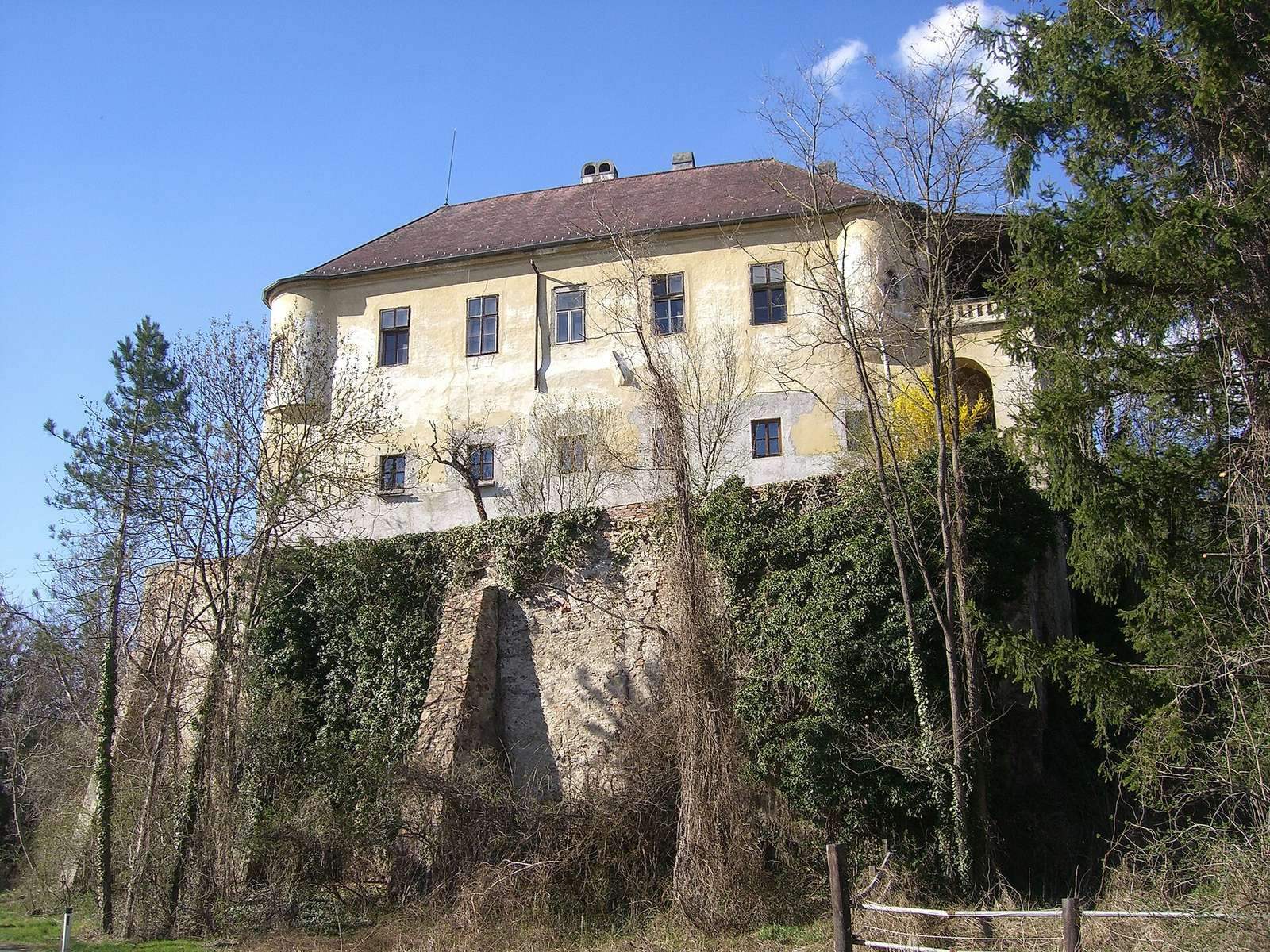
Albrechtsberg Castle is a historic complex at Albrechtsberg, a cadastral municipality of Loosdorf in Lower Austria, Austria. Albrecht von Perg (1120–1168), a member of the Lords of Perg and Machland, built and named the medieval castle. In 1581, a castle in Renaissance style, which drew on classical forms and proportion, was built there.
Medieval foundation and ownership
Albrecht lived at the castle with his wife, a Countess of Schalla, who brought estates in the Pielach Valley to their marriage. Their sons were Siegfried and Meingozus, who were probably also known as von Albrechtsberg. Albrecht exercised lay-advocate rights, a lay official’s protective and administrative authority on behalf of a religious institution, for St. Pölten Monastery. He also served as deputy lay advocate for Melk Abbey.
After the Perg family line ended, one half of the castle passed directly to the Babenbergs, the dynasty that ruled Austria. The other half went first to the County of Plain and later to its successor, the County of Schaunberg. By 1311 at the latest, the castle belonged to the Fleischeß, a Lower Austrian knightly family whose origins were traced to the estate of Fleischessen near Kilb. The family supported the chapel with donations. In 1357, they sold the castle to Hans von Ybbs. Its history through 1400 remained closely tied to the Kilb area, where the Lords of Perg also held estates.
For a time, the castle was also a seat of the Enenkel, a noble family from Upper Austria.
Renaissance castle and conflict
In 1606, Ludwig von Starhemberg became the castle’s owner. He took part in a Protestant noble uprising, and imperial troops set the castle alight during the fighting. The property was confiscated, and the chapel was reconsecrated for Catholic worship.
Fire, alteration, and modern history
The Auersperg family made extensive alterations in the late nineteenth century. From 1925 to 1936, Austrian writer and publicist Karl Anton Rohan published European Review, a periodical on European cultural and political affairs, at the castle. The complex was devastated in 1945. The Weinberger family has owned it since 1995, and renovation has proceeded gradually.
Remains
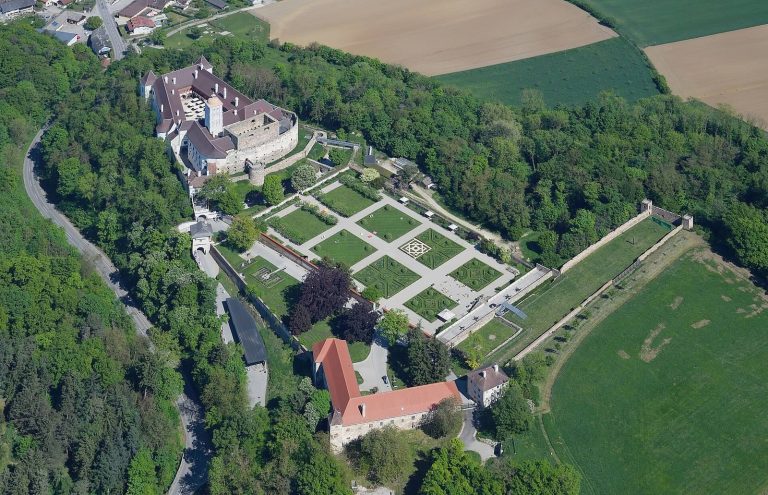
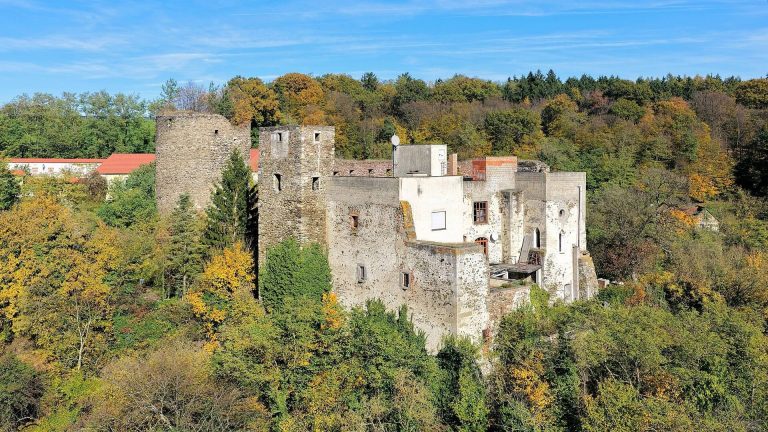
The castle complex occupies a hill at the northwestern edge of Albrechtsberg. Its Renaissance-style castle stands over the earlier medieval fortress, and the chapel forms part of the complex.
Principal buildings
Castle
The Renaissance-style castle was constructed over the medieval fortress. The complex has undergone extensive later alteration and gradual renovation.
Chapel of Saint Achatius
The chapel is dedicated to Saint Achatius, a Christian martyr venerated in Catholic tradition. Its original Romanesque design, a style associated with rounded arches and weighty forms, was remodeled in 1337 in Early Gothic style, which developed pointed arches and greater verticality. A fire in 1704 destroyed the chapel tower.