Åkeshov Castle: A Manor House and Historic Estate in Bromma
Site at a Glance
- Popularity
- Medium
- Country
- Sweden
- Primary era
- Early Modern
- Eras represented
- Early Modern
- Civilizations
- Swedish
- Site type
- Domestic
- Remains
- Castle
On this page11 sections
History
Estate and construction
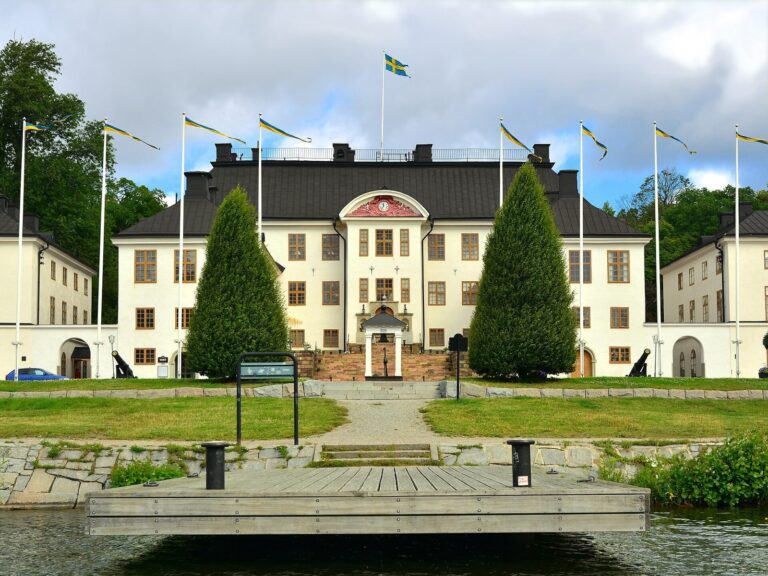
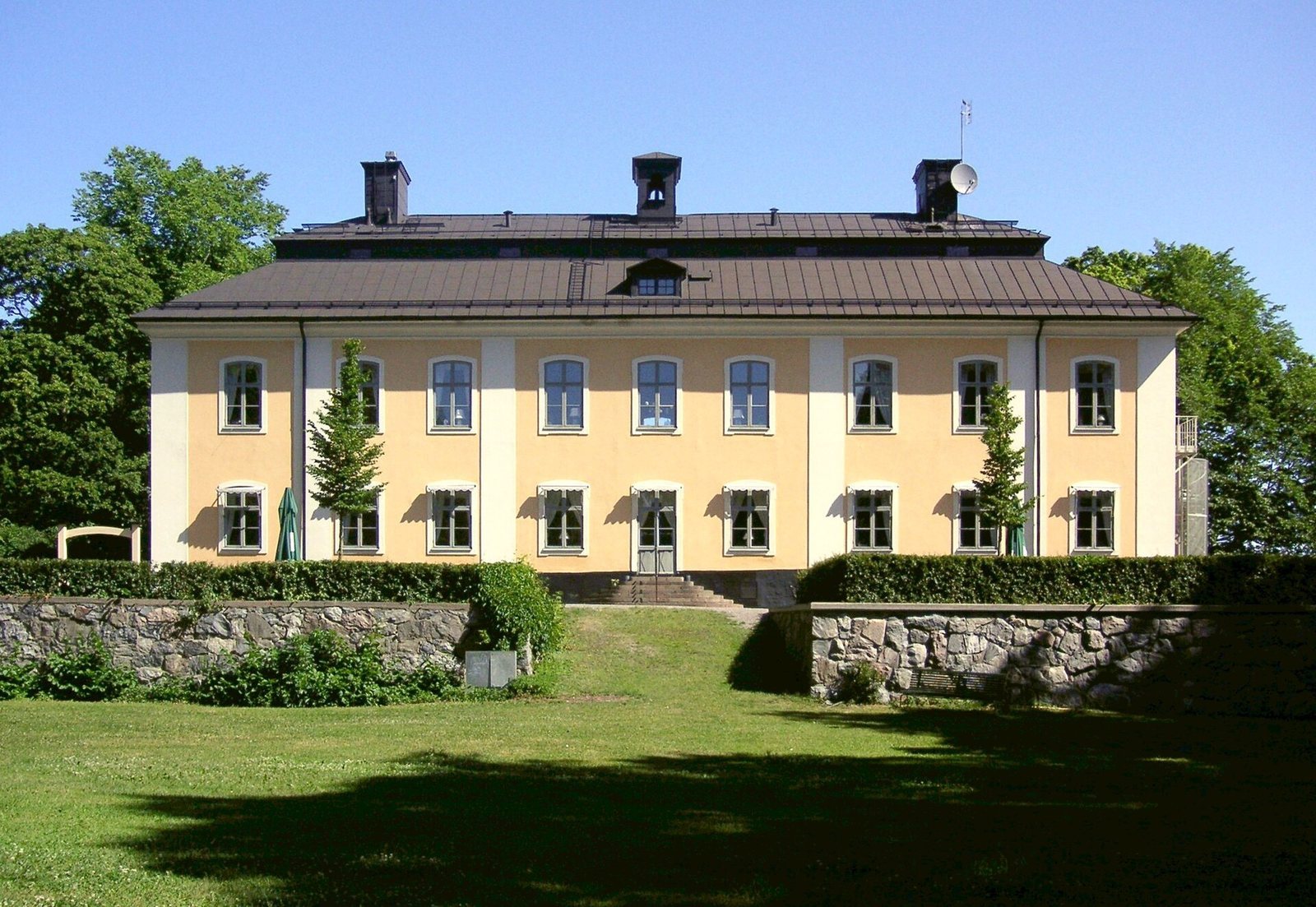
Åkeshov Castle is a manor house in Bromma, Stockholm, Sweden, begun by the Swedish nobleman Åke Axelsson in the early 1640s. The estate was formerly called Nockeby. In the 15th century it belonged to Peder Ålänning, a judge in Stockholm’s district court, and later passed through the hands of Ericus Schroderus and Christoffer Ludvig Rasche before Åke acquired it in 1635.
Åke, a baron and marshal of the realm, a senior royal officer, died in 1655 before the manor house was finished. His daughter Barbro Åkesdotter completed the building. Her daughter Christina Claesdotter Bielkenstierna inherited the estate in 1662.
Ownership and rebuilding
Christina lost the property in the Swedish Reduction of 1680, a Crown policy to recover lands previously granted to nobles. By 1690, Count Johan Gabriel Stenbock owned Åkeshov. His cousin, Count Erik Gustaf Stenbock, held it from 1705 until 1720, when Baron Gabriel Stierncrona bought the estate. Stierncrona placed it under a family entail, a legal arrangement restricting an estate’s inheritance to family descendants. The property remained with the Stierncrona family until 1853.
During the 18th century, the castle was rebuilt in stages under the Swedish architect Carl Hårleman. In 1853 David Erik Stierncrona exchanged the estate for a farm in Halland. Karolina Gustava von Friesendorff then became its owner, and her son sold it to Olsson & Rosenlund in 1873.
From estate to city property
Stockholm purchased the castle and its lands in 1904 for 400,000 crowns. The estate was divided into smaller properties, and villas and apartment buildings later covered much of the former land. Areas now known as Nockeby, Nockebyhov, Höglandet, Åkeslund, and Riksby were once part of the estate. Historically within Bromma’s local parish district, Åkeshov became part of the City of Stockholm when Bromma was incorporated in 1916.
From 1910, the main building housed Margaretaheim, an institution for children with epilepsy and intellectual disabilities. It later served as an auxiliary school. During the Second World War, Baltic refugees lived there; afterward, the building provided emergency accommodation for homeless people and was later used as a general school. Following a comprehensive restoration, Stockholm’s Bromma parish rented the castle from 1958 to 1987, with the pastor’s office there. Since 1988, the building has served as a hotel and conference center.
Remains
Castle complex
Main house
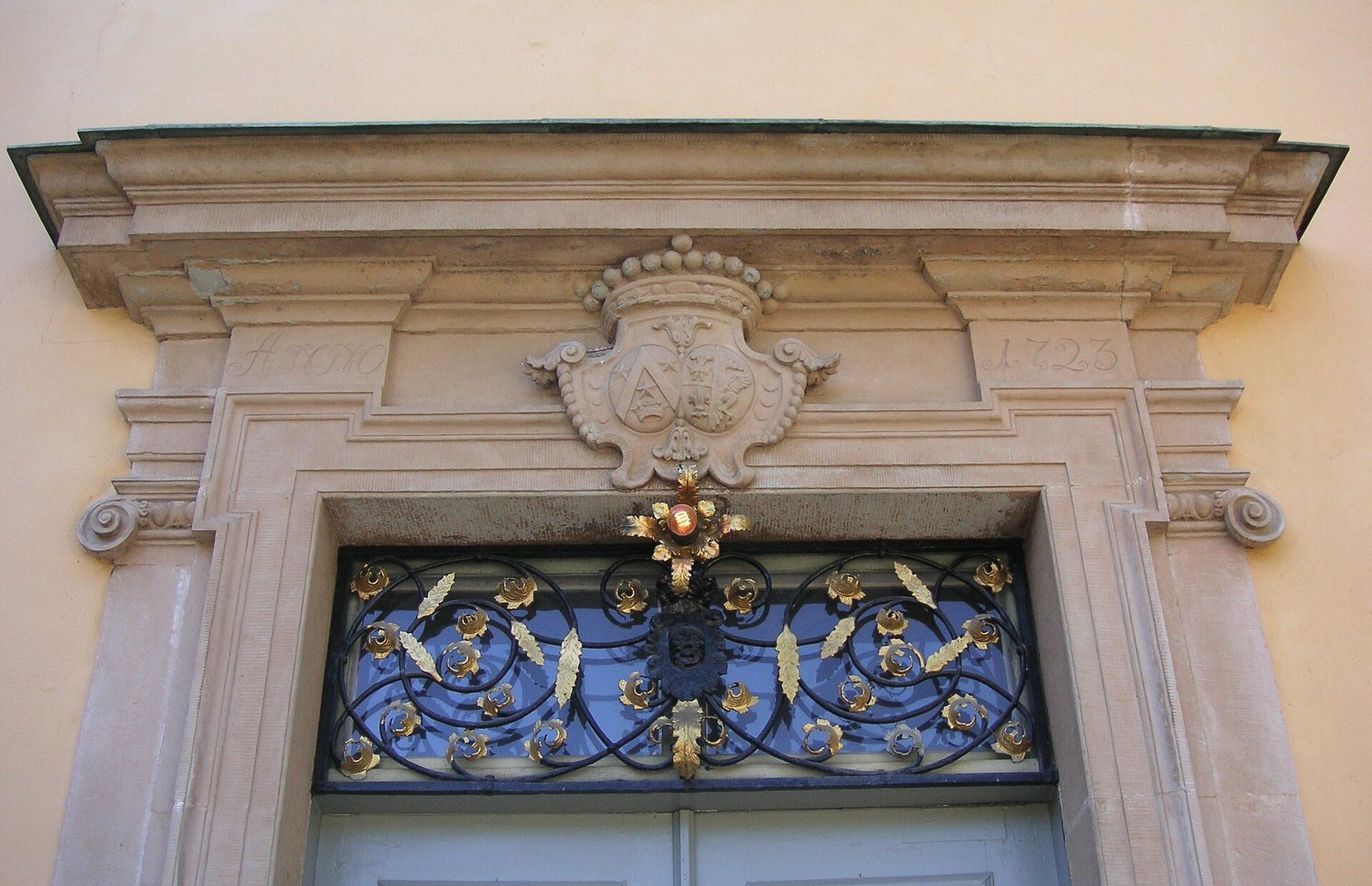
The original castle had two stories, a hipped roof, meaning a roof sloping down on all four sides, and a staircase that projected from the building. In 1723 the staircase was removed and the roof shape changed. A formal entrance, or portal, bears the date 1723.
Courtyard and outbuildings
The castle complex included two square outbuildings with pyramidal roofs. A paved courtyard lay within enclosing walls, with prominent gates on either side. Another gate stood between the two buildings at the entrance, and a fountain occupied the courtyard.
Later additions and grounds
Wings and orangery
In 1740, extensions were added to the square outbuildings, and an orangery, a building for sheltering citrus and other tender plants in cold weather, was built near the main house. Two wings were added during the 1740s, including a western wing. A greenhouse called Tulpanens Hus now occupies the former orangery site.
Estate wall and stable
A wall built around the estate grounds in 1719 by Russian prisoners of war stands between one and 1.5 meters high. The stable stood west of the castle and housed the royal sheep from 1939 until it burned down in 1989. A home for stray dogs now occupies the stable’s former location.